
Skip to content

Vehicle specifications

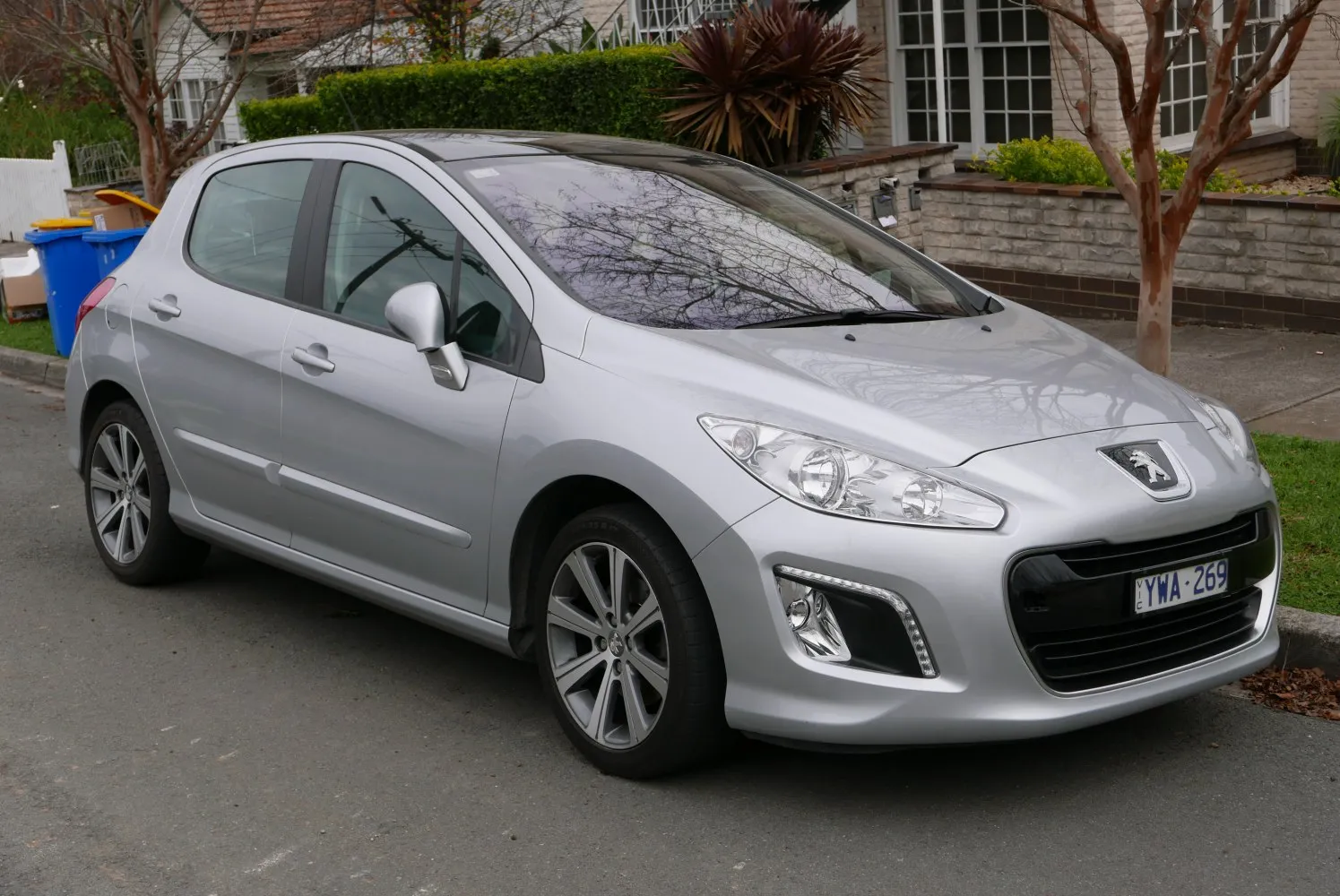
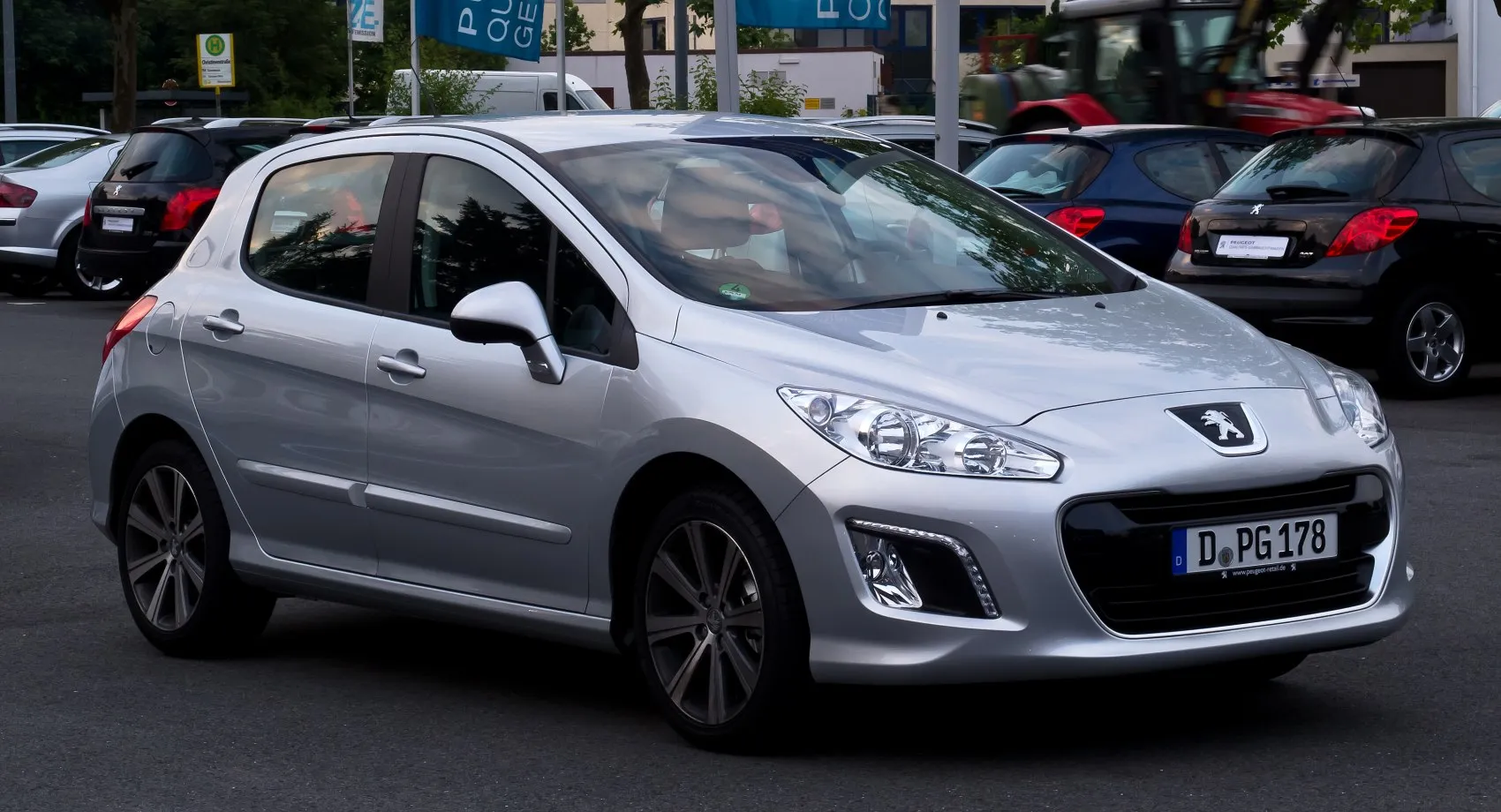
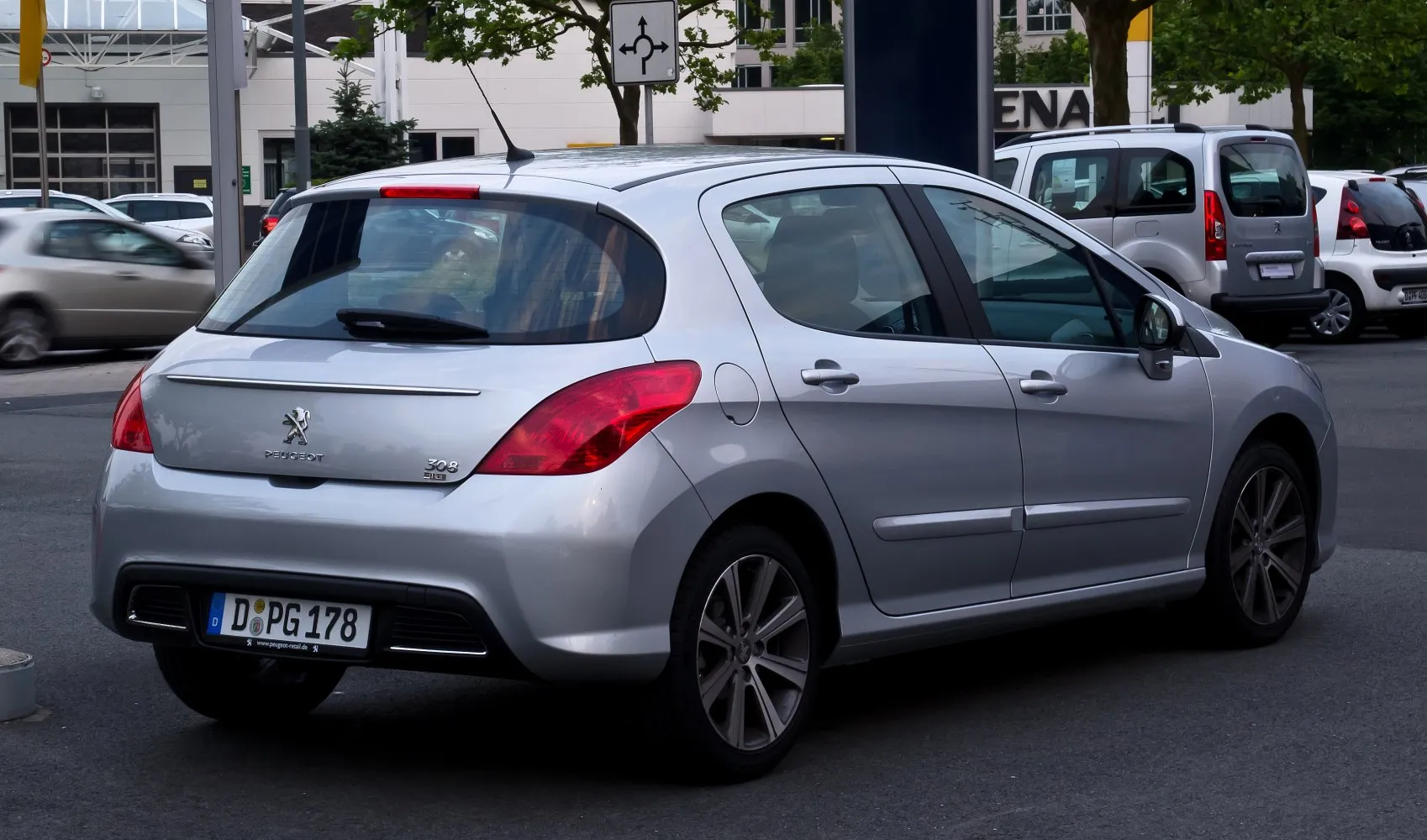
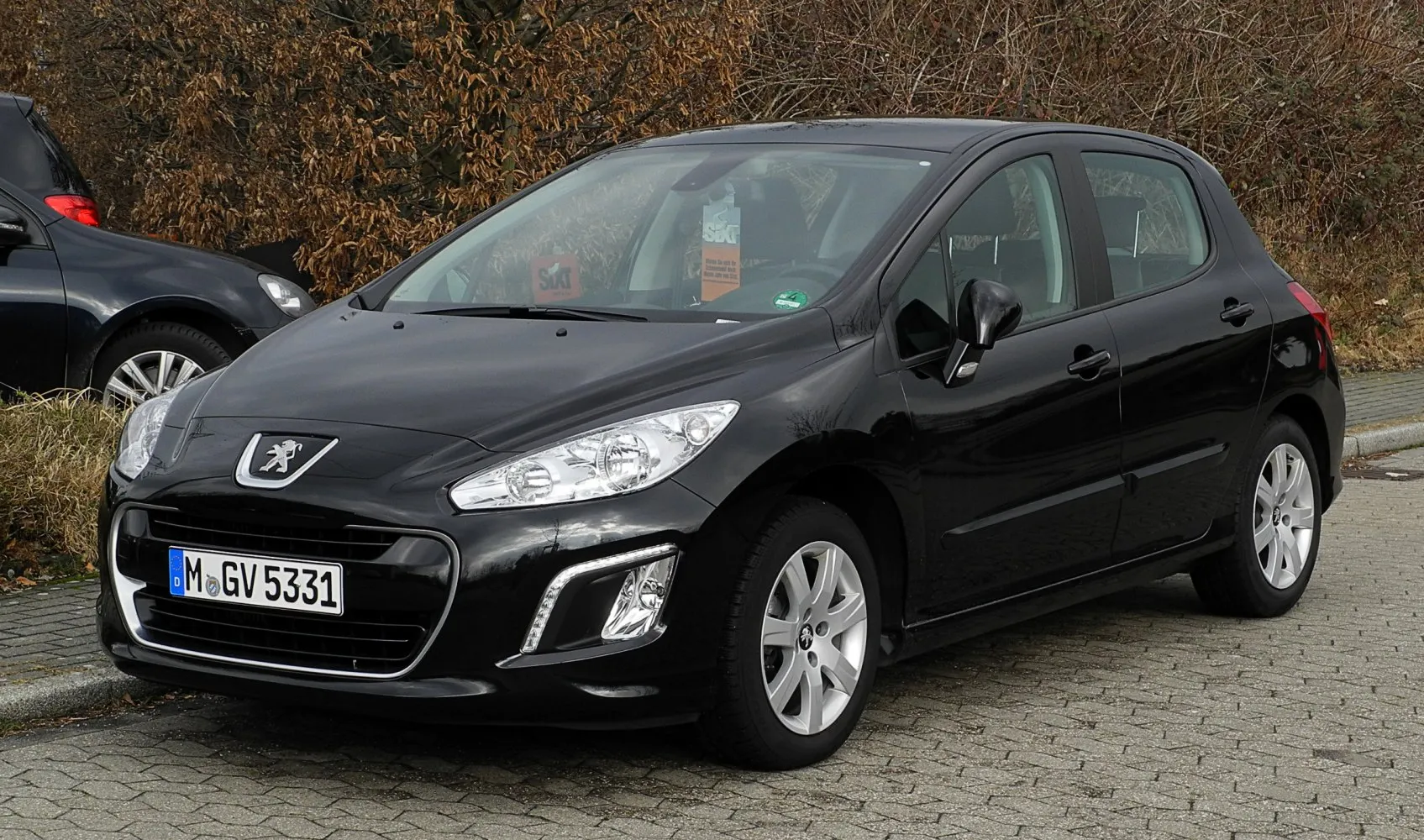
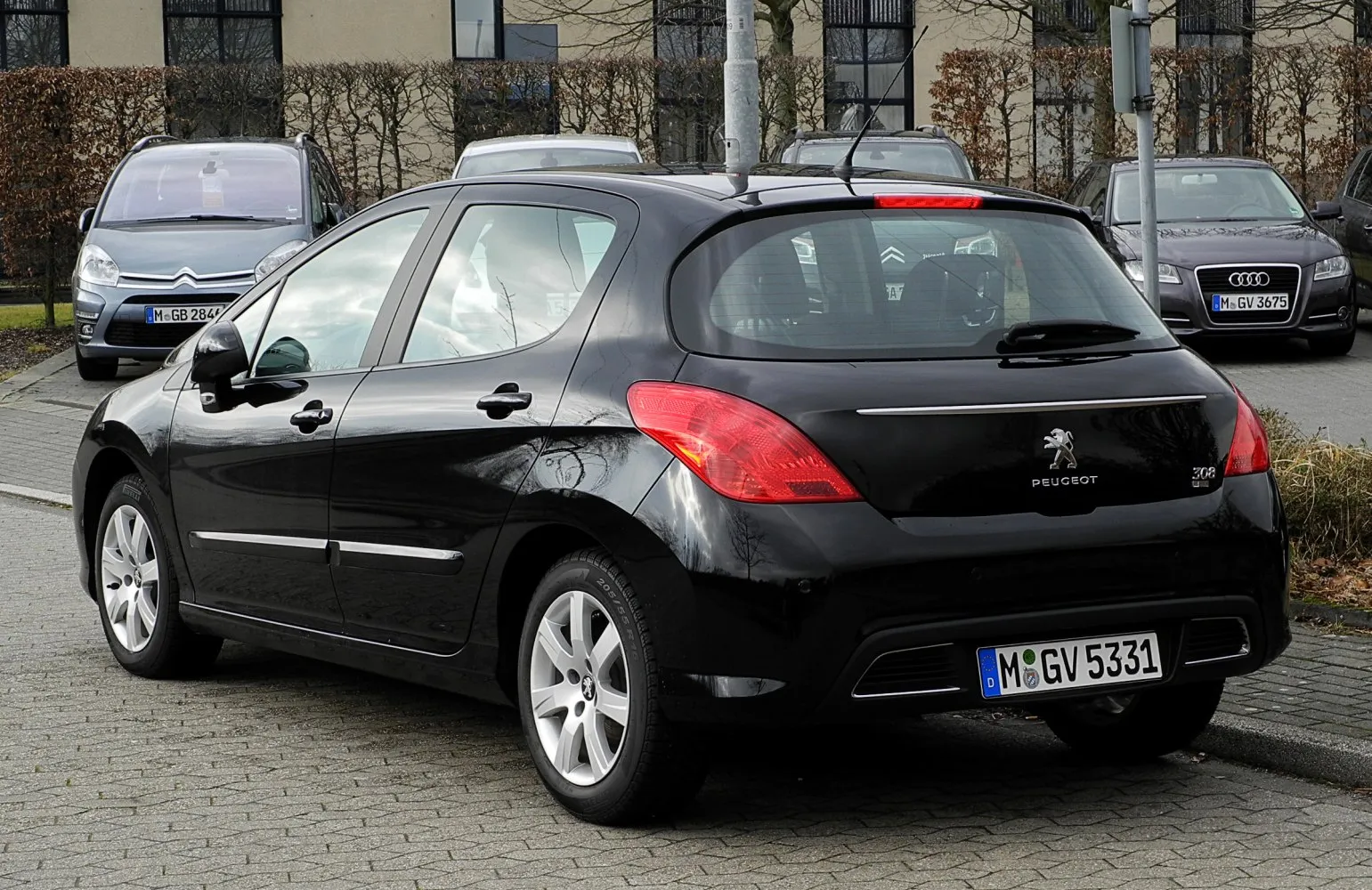
Peugeot 308 I (Phase II, 2011)

Compare all 12 engine versions of the Peugeot 308 308 I (Phase II, 2011), then open the technical data for the exact drivetrain and production year.

Vehicle history report

Buying a used Peugeot 308 I (Phase II, 2011)? Check the history of the exact car

A VIN report can help confirm the exact engine, equipment, mileage records and reported damage before you buy.

What is a VIN?
1 of 9
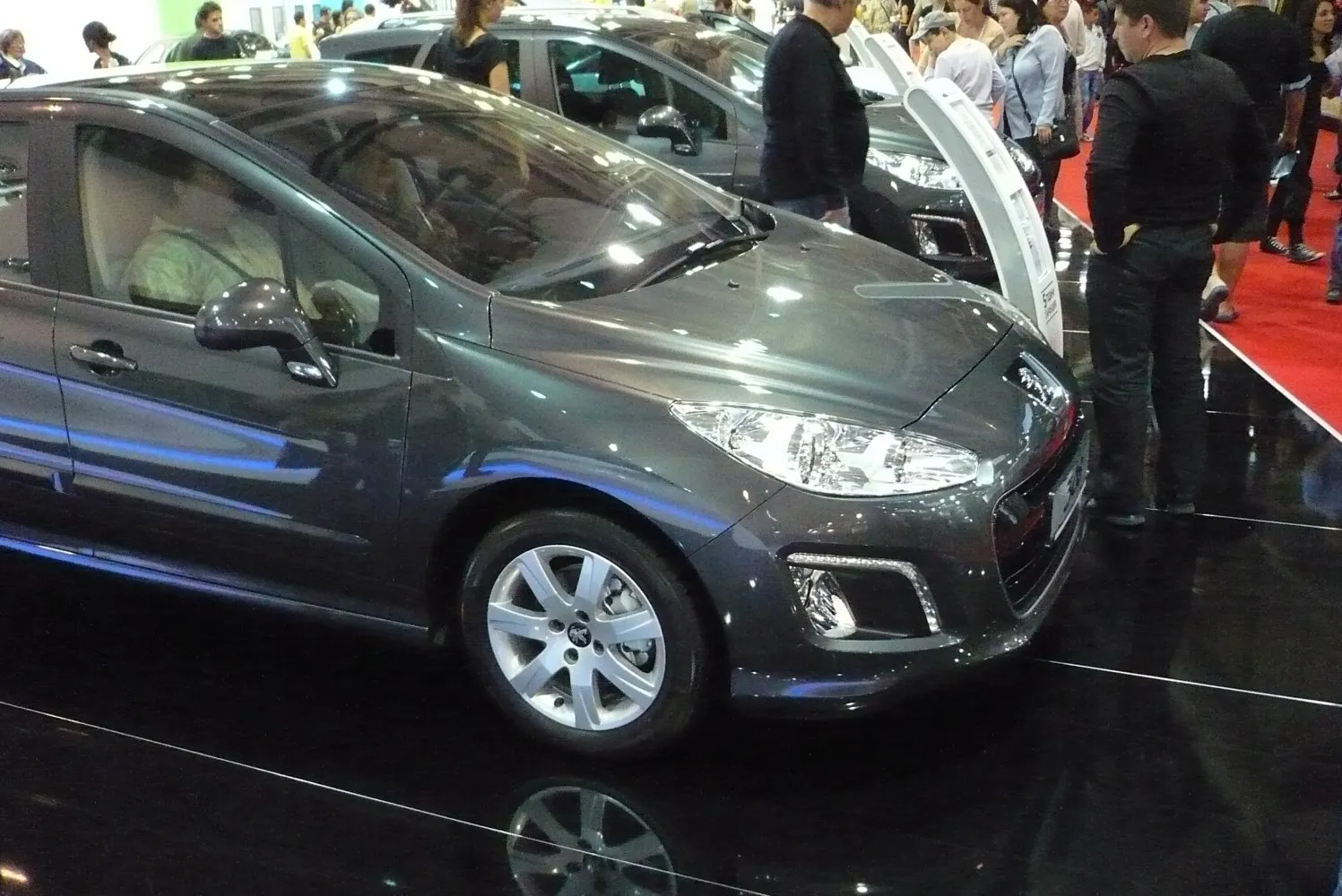
Peugeot 308 308 I (Phase II, 2011) View larger
Photo: OSX, Public domain, via Wikimedia Commons

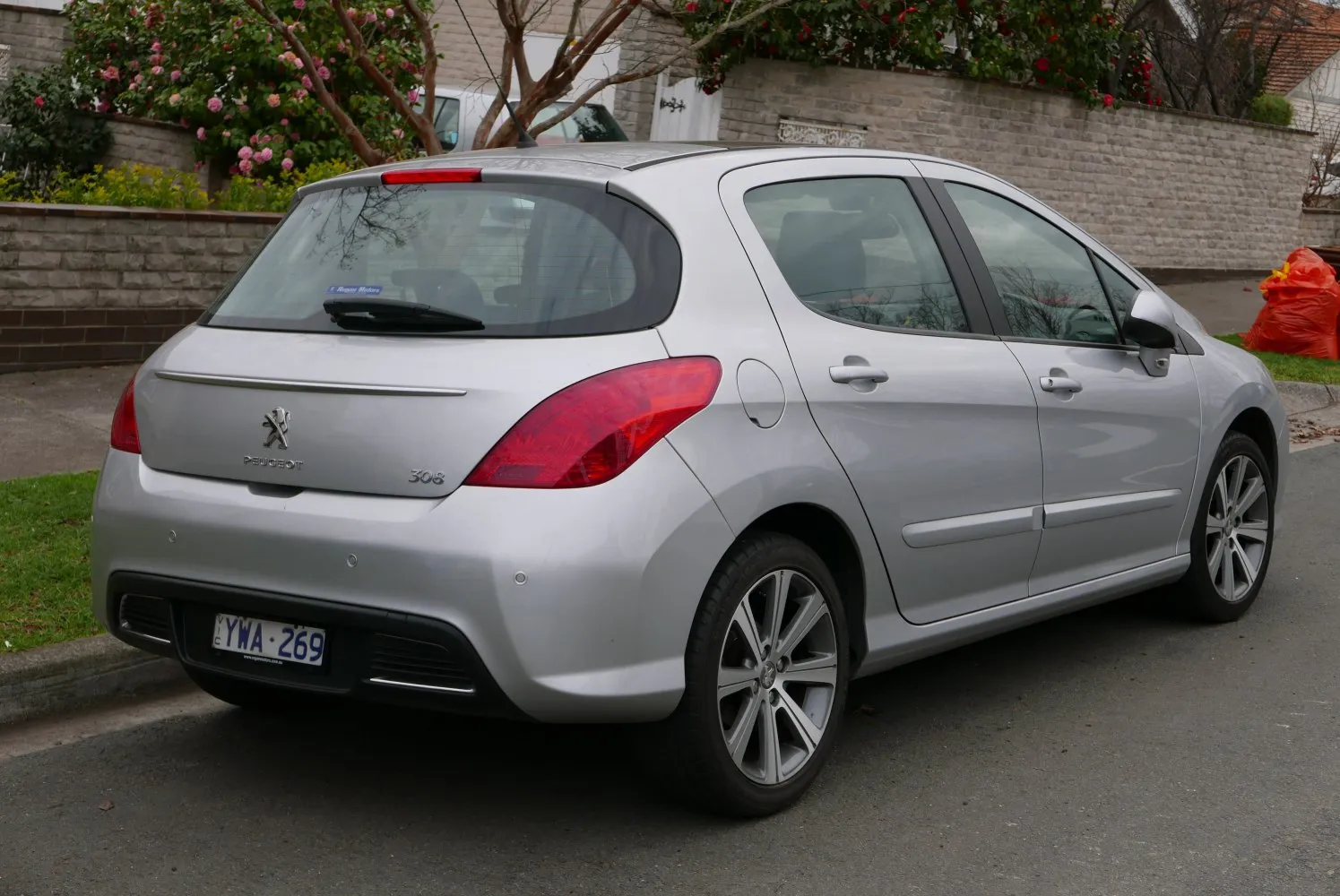
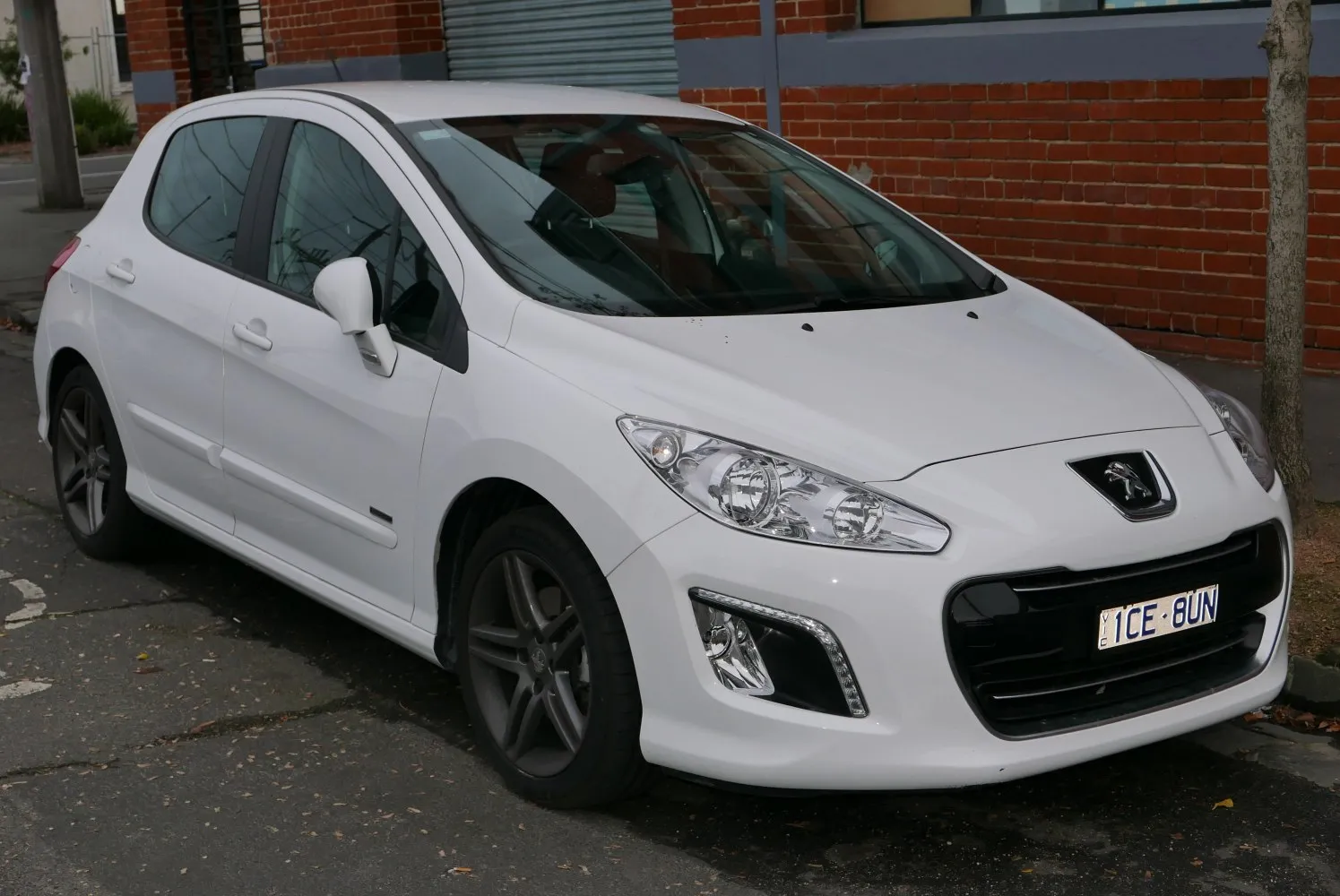
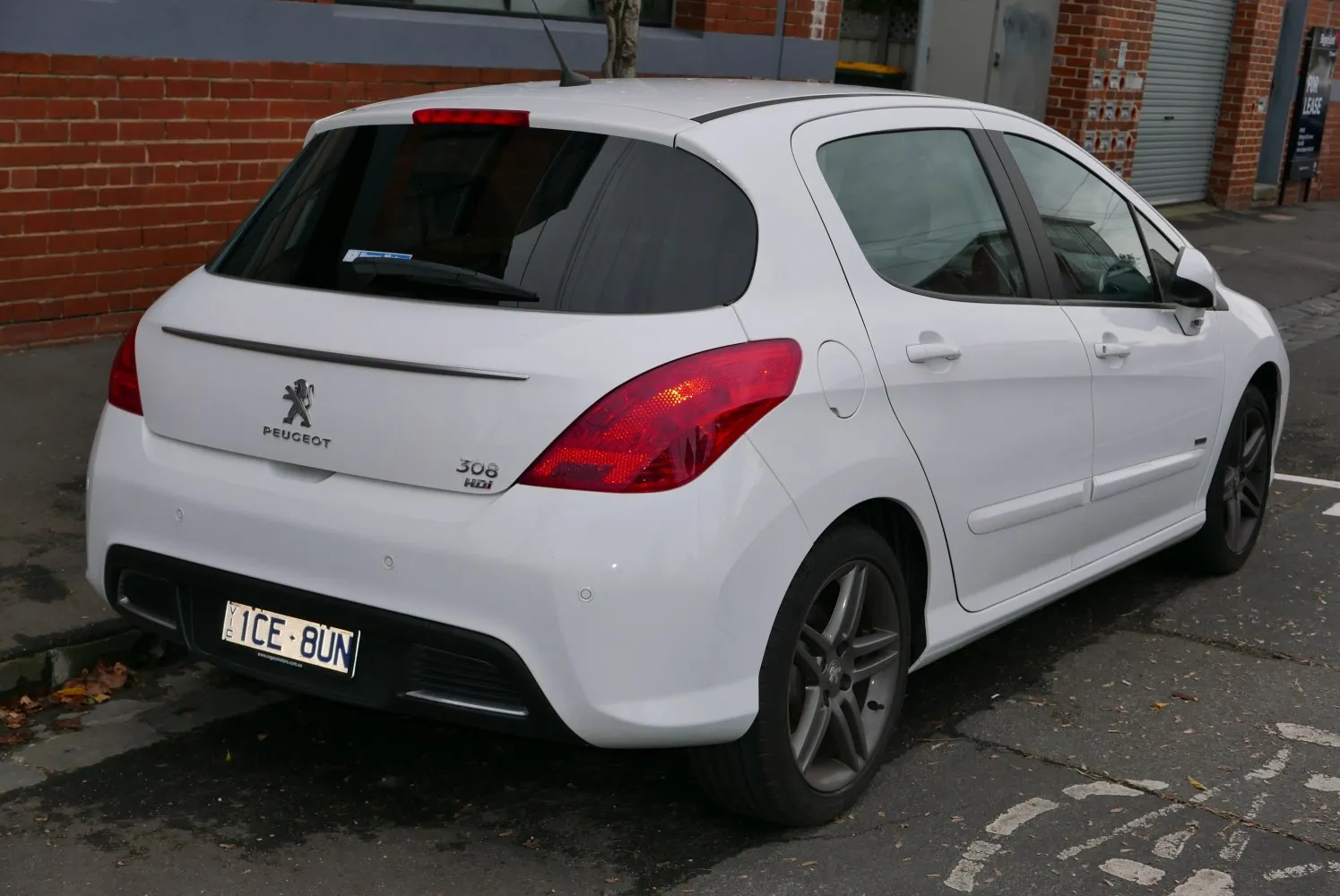
Vehicle gallery

Peugeot 308 308 I (Phase II, 2011)

Photo: OSX, Public domain, via Wikimedia Commons

Choose a drivetrain

Engine versions

Select a row to update the key figures and detailed specifications below.

12 versions · 6 Diesel fuel · 6 Gasoline

Engine Fuel Power Production
2.0 HDi (163 KM) Automatic Selected Diesel fuel 163 KM 2011–2013
1.4 16V VTi (98 KM) Selected Gasoline 98 KM 2011–2013
1.6 16V VTi (120 KM) Selected Gasoline 120 KM 2011–2013
1.6 16V THP (156 KM) Selected Gasoline 156 KM 2011–2013
1.6 16V THP (156 KM) Automatic Selected Gasoline 156 KM 2011–2013
1.6 GTi THP (200 KM) Selected Gasoline 200 KM 2011–2013
1.6 HDi (92 KM) Selected Diesel fuel 92 KM 2011–2013
1.6 e-HDi (115 KM) Selected Diesel fuel 115 KM 2013
1.6 e-HDi (112 KM) EGS6 Selected Diesel fuel 112 KM 2011–2013
2.0 HDi (150 KM) Selected Diesel fuel 150 KM 2011–2013
1.6 e-HDi (112 KM) Selected Diesel fuel 112 KM 2011–2013
1.6 16V VTi (120 KM) Automatic Selected Gasoline 120 KM 2011–2013

Selected engine version

2.0 HDi (163 KM) Automatic

Diesel fuel · 2011–2013

Engine power
163 KM
Torque
340 Nm
Engine displacement
1,997 cm³
Fuel type
Diesel fuel
Acceleration 0-100 km/h
9.6 s
Maximum speed
202 km/h
On this page
Check vehicle history

Basic version information

Brand
Peugeot
Model
308
Version
308 I (Phase II, 2011)
Engine
2.0 HDi (163 KM) Automatic
Engine type
Combustion engine
Number of doors
5
Start of production
2011
End of production
2013
Body type
Hatchback
Number of seats
5
Fuel type
Diesel fuel

Performance

Maximum speed
202 km/h
Acceleration 0-100 km/h
9.6 s
Fuel consumption measurement standard
NEDC
Fuel consumption - Urban cycle
8.3 l/100 km
Fuel consumption measurement standard
NEDC
Fuel consumption - Extra-urban cycle
5.2 l/100 km
Fuel consumption measurement standard
NEDC
Fuel consumption - Combined cycle
6.3 l/100 km
Emission standard
Euro 5
CO2 measurement standard
NEDC
CO2 emissions
164 g/km

Engine

Engine model / code
RHHDW10CTED4
Engine position
Front, Transverse
Engine displacement
1997 cm³
Maximum engine speed
5000 obr./min
Fuel injection system
Diesel common rail
Engine type
Turbocharger, Intercooler
Valvetrain
DOHC
Engine configuration
Inline
Number of cylinders
4
Cylinder bore
85 mm
Piston stroke
88 mm
Compression ratio
16.7
Number of valves per cylinder
4
Engine oil capacity
5 l
Coolant capacity
8.05 l
Power
163 KM @ 3750 obr./min
Torque
340 Nm @ 2000 obr./min

Volume and weight

Fuel tank
60 l
Aerodynamic drag coefficient (Cx)
0.28
Minimum trunk capacity
348 l
Maximum trunk capacity
1201 l
Curb weight
1468 kg
Gross weight
1960 kg
Roof load
75 kg
Braked trailer load (12% slope start)
1500 kg
Trailer load without brakes
750 kg
Trailer nose weight
66 kg

Vehicle dimensions

Length
4276 mm
Width
1815 mm
Width with unfolded mirrors
2038 mm
Height
1498 mm
Wheelbase
2608 mm
Front track
1526 mm
Rear track
1521 mm
Front overhang
926 mm
Rear overhang
742 mm
Turning circle
10.7 m

Drivetrain, Brakes and suspension

Drive
Front-wheel drive
Number of gears
6
Front suspension
Independent McPherson type
Rear suspension
Torsion beam
Front brakes
Ventilated disc
Rear brakes
Disc
Steering system
Rack-and-pinion
Power steering
Hydraulic power steering
Tire size
225/45 R17; 225/40 R18
Rim size
7.5J x 17; 8J x 18
ABS
yes

Selected engine version

1.4 16V VTi (98 KM)

Gasoline · 2011–2013

Engine power
98 KM
Torque
136 Nm
Engine displacement
1,397 cm³
Fuel type
Gasoline
Acceleration 0-100 km/h
12.7 s
Maximum speed
182 km/h
On this page
Check vehicle history

Basic version information

Brand
Peugeot
Model
308
Version
308 I (Phase II, 2011)
Engine
1.4 16V VTi (98 KM)
Engine type
Combustion engine
Number of doors
5
Start of production
2011
End of production
2013
Body type
Hatchback
Number of seats
5
Fuel type
Gasoline

Performance

Maximum speed
182 km/h
Acceleration 0-100 km/h
12.7 s
Fuel consumption measurement standard
NEDC
Fuel consumption - Urban cycle
7.9 l/100 km
Fuel consumption measurement standard
NEDC
Fuel consumption - Extra-urban cycle
4.9 l/100 km
Fuel consumption measurement standard
NEDC
Fuel consumption - Combined cycle
6 l/100 km
Emission standard
Euro 5
CO2 measurement standard
NEDC
CO2 emissions
139 g/km

Engine

Engine model / code
8FREP3C
Engine position
Front, Transverse
Engine displacement
1397 cm³
Fuel injection system
Multi-point injection
Engine type
Naturally aspirated engine
Valvetrain
DOHC
Engine configuration
Inline
Number of cylinders
4
Cylinder bore
77 mm
Piston stroke
75 mm
Number of valves per cylinder
4
Engine oil capacity
4.25 l
Coolant capacity
6 l
Power
98 KM @ 6000 obr./min
Torque
136 Nm @ 4000 obr./min

Volume and weight

Fuel tank
60 l
Aerodynamic drag coefficient (Cx)
0.28
Minimum trunk capacity
348 l
Maximum trunk capacity
1201 l
Curb weight
1296 kg
Gross weight
1780 kg
Roof load
75 kg
Braked trailer load (12% slope start)
1450 kg
Trailer load without brakes
670 kg
Trailer nose weight
60 kg

Vehicle dimensions

Length
4276 mm
Width
1815 mm
Width with unfolded mirrors
2038 mm
Height
1498 mm
Wheelbase
2608 mm
Front track
1526 mm
Rear track
1521 mm
Front overhang
926 mm
Rear overhang
742 mm
Turning circle
10.7 m

Drivetrain, Brakes and suspension

Drive
Front-wheel drive
Number of gears
5
Front suspension
Independent McPherson type
Rear suspension
Torsion beam
Front brakes
Ventilated disc
Rear brakes
Disc
Steering system
Rack-and-pinion
Power steering
Hydraulic power steering
Tire size
195/65 R15; 205/55 R16
Rim size
6.5J x 15; 7J x 16
ABS
yes

Selected engine version

1.6 16V VTi (120 KM)

Gasoline · 2011–2013

Engine power
120 KM
Torque
160 Nm
Engine displacement
1,598 cm³
Fuel type
Gasoline
Acceleration 0-100 km/h
10.8 s
Maximum speed
195 km/h
On this page
Check vehicle history

Basic version information

Brand
Peugeot
Model
308
Version
308 I (Phase II, 2011)
Engine
1.6 16V VTi (120 KM)
Engine type
Combustion engine
Number of doors
5
Start of production
2011
End of production
2013
Body type
Hatchback
Number of seats
5
Fuel type
Gasoline

Performance

Maximum speed
195 km/h
Acceleration 0-100 km/h
10.8 s
Fuel consumption measurement standard
NEDC
Fuel consumption - Urban cycle
9.1-9.3 l/100 km
Fuel consumption measurement standard
NEDC
Fuel consumption - Extra-urban cycle
4.9-5.1 l/100 km
Fuel consumption measurement standard
NEDC
Fuel consumption - Combined cycle
6.4-6.6 l/100 km
Emission standard
Euro 5
CO2 measurement standard
NEDC
CO2 emissions
147-152 g/km

Engine

Engine model / code
EP6
Engine position
Front, Transverse
Engine displacement
1598 cm³
Fuel injection system
Multi-point injection
Engine type
Naturally aspirated engine
Valvetrain
DOHC
Engine configuration
Inline
Number of cylinders
4
Cylinder bore
77 mm
Piston stroke
85.8 mm
Compression ratio
11
Number of valves per cylinder
4
Engine oil capacity
4.25 l
Coolant capacity
6 l
Power
120 KM @ 6000 obr./min
Torque
160 Nm @ 4250 obr./min

Volume and weight

Fuel tank
60 l
Aerodynamic drag coefficient (Cx)
0.28
Minimum trunk capacity
348 l
Maximum trunk capacity
1201 l
Curb weight
1364 kg
Gross weight
1815 kg
Roof load
75 kg
Braked trailer load (12% slope start)
1500 kg
Trailer load without brakes
680 kg
Trailer nose weight
76 kg

Vehicle dimensions

Length
4276 mm
Width
1815 mm
Width with unfolded mirrors
2038 mm
Height
1498 mm
Wheelbase
2608 mm
Front track
1526 mm
Rear track
1521 mm
Front overhang
926 mm
Rear overhang
742 mm
Turning circle
10.7 m

Drivetrain, Brakes and suspension

Drive
Front-wheel drive
Number of gears
5
Front suspension
Independent McPherson type
Rear suspension
Torsion beam
Front brakes
Ventilated disc
Rear brakes
Disc
Steering system
Rack-and-pinion
Power steering
Hydraulic power steering
Tire size
205/55 R16; 225/45 R17
Rim size
7J x 16; 7.5J x 17
ABS
yes

Selected engine version

1.6 16V THP (156 KM)

Gasoline · 2011–2013

Engine power
156 KM
Torque
240 Nm
Engine displacement
1,598 cm³
Fuel type
Gasoline
Acceleration 0-100 km/h
8.8 s
Maximum speed
214 km/h
On this page
Check vehicle history

Basic version information

Brand
Peugeot
Model
308
Version
308 I (Phase II, 2011)
Engine
1.6 16V THP (156 KM)
Engine type
Combustion engine
Number of doors
5
Start of production
2011
End of production
2013
Body type
Hatchback
Number of seats
5
Fuel type
Gasoline

Performance

Maximum speed
214 km/h
Acceleration 0-100 km/h
8.8 s
Fuel consumption measurement standard
NEDC
Fuel consumption - Urban cycle
9.4 l/100 km
Fuel consumption measurement standard
NEDC
Fuel consumption - Extra-urban cycle
5.2 l/100 km
Fuel consumption measurement standard
NEDC
Fuel consumption - Combined cycle
6.7 l/100 km
Emission standard
Euro 5
CO2 measurement standard
NEDC
CO2 emissions
155 g/km

Engine

Engine model / code
EP6CDT
Engine position
Front, Transverse
Engine displacement
1598 cm³
Fuel injection system
Direct injection
Engine type
Turbocharger, Intercooler
Valvetrain
DOHC
Engine configuration
Inline
Number of cylinders
4
Cylinder bore
77 mm
Piston stroke
85.8 mm
Compression ratio
10.5
Number of valves per cylinder
4
Engine oil capacity
4.25 l
Power
156 KM @ 6000 obr./min
Torque
240 Nm @ 1400 obr./min

Volume and weight

Fuel tank
60 l
Aerodynamic drag coefficient (Cx)
0.28
Minimum trunk capacity
348 l
Maximum trunk capacity
1201 l
Curb weight
1364 kg
Gross weight
1840 kg
Roof load
75 kg
Braked trailer load (12% slope start)
1650 kg
Trailer load without brakes
695 kg
Trailer nose weight
70 kg

Vehicle dimensions

Length
4276 mm
Width
1815 mm
Width with unfolded mirrors
2038 mm
Height
1498 mm
Wheelbase
2608 mm
Front track
1526 mm
Rear track
1521 mm
Front overhang
926 mm
Rear overhang
742 mm
Turning circle
10.7 m

Drivetrain, Brakes and suspension

Drive
Front-wheel drive
Number of gears
6
Front suspension
Independent McPherson type
Rear suspension
Torsion beam
Front brakes
Ventilated disc
Rear brakes
Disc
Steering system
Rack-and-pinion
Power steering
Hydraulic power steering
Tire size
225/45 R17; 225/40 R18
Rim size
7.5J x 17; 7.5J x 18
ABS
yes

Selected engine version

1.6 16V THP (156 KM) Automatic

Gasoline · 2011–2013

Engine power
156 KM
Torque
240 Nm
Engine displacement
1,598 cm³
Fuel type
Gasoline
Acceleration 0-100 km/h
9.1 s
Maximum speed
212 km/h
On this page
Check vehicle history

Basic version information

Brand
Peugeot
Model
308
Version
308 I (Phase II, 2011)
Engine
1.6 16V THP (156 KM) Automatic
Engine type
Combustion engine
Number of doors
5
Start of production
2011
End of production
2013
Body type
Hatchback
Number of seats
5
Fuel type
Gasoline

Performance

Maximum speed
212 km/h
Acceleration 0-100 km/h
9.1 s
Fuel consumption measurement standard
NEDC
Fuel consumption - Urban cycle
11.2 l/100 km
Fuel consumption measurement standard
NEDC
Fuel consumption - Extra-urban cycle
5.7 l/100 km
Fuel consumption measurement standard
NEDC
Fuel consumption - Combined cycle
7.7 l/100 km
Emission standard
Euro 5
CO2 measurement standard
NEDC
CO2 emissions
176 g/km

Engine

Engine model / code
EP6CDT
Engine position
Front, Transverse
Engine displacement
1598 cm³
Fuel injection system
Direct injection
Engine type
Turbocharger, Intercooler
Valvetrain
DOHC
Engine configuration
Inline
Number of cylinders
4
Cylinder bore
77 mm
Piston stroke
85.8 mm
Compression ratio
10.5
Number of valves per cylinder
4
Engine oil capacity
4.25 l
Power
156 KM @ 6000 obr./min
Torque
240 Nm @ 1400 obr./min

Volume and weight

Fuel tank
60 l
Aerodynamic drag coefficient (Cx)
0.28
Minimum trunk capacity
348 l
Maximum trunk capacity
1201 l
Curb weight
1382 kg
Gross weight
1870 kg
Roof load
75 kg
Braked trailer load (12% slope start)
1650 kg
Trailer load without brakes
720 kg
Trailer nose weight
70 kg

Vehicle dimensions

Length
4276 mm
Width
1815 mm
Width with unfolded mirrors
2038 mm
Height
1498 mm
Wheelbase
2608 mm
Front track
1526 mm
Rear track
1521 mm
Front overhang
926 mm
Rear overhang
742 mm
Turning circle
10.7 m

Drivetrain, Brakes and suspension

Drive
Front-wheel drive
Number of gears
6
Front suspension
Independent McPherson type
Rear suspension
Torsion beam
Front brakes
Ventilated disc
Rear brakes
Disc
Steering system
Rack-and-pinion
Power steering
Hydraulic power steering
Tire size
225/45 R17; 225/40 R18
Rim size
7.5J x 17; 7.5J x 18
ABS
yes

Selected engine version

1.6 GTi THP (200 KM)

Gasoline · 2011–2013

Engine power
200 KM
Torque
275 Nm
Engine displacement
1,598 cm³
Fuel type
Gasoline
Acceleration 0-100 km/h
7.7 s
Maximum speed
237 km/h
On this page
Check vehicle history

Basic version information

Brand
Peugeot
Model
308
Version
308 I (Phase II, 2011)
Engine
1.6 GTi THP (200 KM)
Engine type
Combustion engine
Number of doors
5
Start of production
2011
End of production
2013
Body type
Hatchback
Number of seats
5
Fuel type
Gasoline

Performance

Maximum speed
237 km/h
Acceleration 0-100 km/h
7.7 s
Fuel consumption measurement standard
NEDC
Fuel consumption - Urban cycle
9.2 l/100 km
Fuel consumption measurement standard
NEDC
Fuel consumption - Extra-urban cycle
5.5 l/100 km
Fuel consumption measurement standard
NEDC
Fuel consumption - Combined cycle
6.9 l/100 km
Emission standard
Euro 5
CO2 measurement standard
NEDC
CO2 emissions
159 g/km

Engine

Engine model / code
EP6CDTX
Engine position
Front, Transverse
Engine displacement
1598 cm³
Fuel injection system
Direct injection
Engine type
Turbocharger, Intercooler
Valvetrain
DOHC
Engine configuration
Inline
Number of cylinders
4
Cylinder bore
77 mm
Piston stroke
85.8 mm
Compression ratio
10.5
Number of valves per cylinder
4
Engine oil capacity
4.25 l
Power
200 KM @ 5800 obr./min
Torque
275 Nm @ 1700 obr./min

Volume and weight

Fuel tank
60 l
Aerodynamic drag coefficient (Cx)
0.28
Minimum trunk capacity
348 l
Maximum trunk capacity
1201 l
Curb weight
1399 kg
Gross weight
1850 kg
Roof load
75 kg

Vehicle dimensions

Length
4276 mm
Width
1815 mm
Width with unfolded mirrors
2038 mm
Height
1498 mm
Wheelbase
2608 mm
Front track
1526 mm
Rear track
1521 mm
Front overhang
926 mm
Rear overhang
742 mm
Turning circle
10.7 m

Drivetrain, Brakes and suspension

Drive
Front-wheel drive
Number of gears
6
Front suspension
Independent McPherson type
Rear suspension
Torsion beam
Front brakes
Ventilated disc
Rear brakes
Disc
Steering system
Rack-and-pinion
Power steering
Hydraulic power steering
Tire size
225/40 R18
Rim size
8J x 18
ABS
yes

Selected engine version

1.6 HDi (92 KM)

Diesel fuel · 2011–2013

Engine power
92 KM
Torque
230 Nm
Engine displacement
1,560 cm³
Fuel type
Diesel fuel
Acceleration 0-100 km/h
12.4 s
Maximum speed
181 km/h
On this page
Check vehicle history

Basic version information

Brand
Peugeot
Model
308
Version
308 I (Phase II, 2011)
Engine
1.6 HDi (92 KM)
Engine type
Combustion engine
Number of doors
5
Start of production
2011
End of production
2013
Body type
Hatchback
Number of seats
5
Fuel type
Diesel fuel

Performance

Maximum speed
181 km/h
Acceleration 0-100 km/h
12.4 s
Fuel consumption measurement standard
NEDC
Fuel consumption - Urban cycle
5 l/100 km
Fuel consumption measurement standard
NEDC
Fuel consumption - Extra-urban cycle
3.6 l/100 km
Fuel consumption measurement standard
NEDC
Fuel consumption - Combined cycle
4.1 l/100 km
Emission standard
Euro 5
CO2 measurement standard
NEDC
CO2 emissions
107 g/km

Engine

Engine model / code
9HJDV6ATED4
Engine position
Front, Transverse
Engine displacement
1560 cm³
Fuel injection system
Diesel common rail
Engine type
Turbocharger, Intercooler
Valvetrain
SOHC
Engine configuration
Inline
Number of cylinders
4
Cylinder bore
75 mm
Piston stroke
88.3 mm
Compression ratio
16
Number of valves per cylinder
2
Engine oil capacity
3.75 l
Coolant capacity
6 l
Power
92 KM @ 4000 obr./min
Torque
230 Nm @ 1750 obr./min

Volume and weight

Fuel tank
60 l
Aerodynamic drag coefficient (Cx)
0.28
Minimum trunk capacity
348 l
Maximum trunk capacity
1201 l
Curb weight
1275 kg
Gross weight
1800 kg
Roof load
75 kg
Braked trailer load (12% slope start)
1300 kg
Trailer load without brakes
635 kg
Trailer nose weight
60 kg

Vehicle dimensions

Length
4276 mm
Width
1815 mm
Width with unfolded mirrors
2038 mm
Height
1498 mm
Wheelbase
2608 mm
Front track
1526 mm
Rear track
1521 mm
Front overhang
926 mm
Rear overhang
742 mm
Turning circle
10.7 m

Drivetrain, Brakes and suspension

Drive
Front-wheel drive
Number of gears
5
Front suspension
Independent McPherson type
Rear suspension
Torsion beam
Front brakes
Ventilated disc
Rear brakes
Disc
Steering system
Rack-and-pinion
Power steering
Hydraulic power steering
Tire size
195/65 R15
Rim size
6.5J x 15
ABS
yes

Selected engine version

1.6 e-HDi (115 KM)

Diesel fuel · 2013

Engine power
115 KM
Torque
270 Nm
Engine displacement
1,560 cm³
Fuel type
Diesel fuel
Acceleration 0-100 km/h
11.4 s
Maximum speed
192 km/h
On this page
Check vehicle history

Basic version information

Brand
Peugeot
Model
308
Version
308 I (Phase II, 2011)
Engine
1.6 e-HDi (115 KM)
Engine type
Combustion engine
Number of doors
5
Start of production
2013
End of production
2013
Body type
Hatchback
Number of seats
5
Fuel type
Diesel fuel

Performance

Maximum speed
192 km/h
Acceleration 0-100 km/h
11.4 s
Fuel consumption measurement standard
NEDC
Fuel consumption - Urban cycle
4.8 l/100 km
Fuel consumption measurement standard
NEDC
Fuel consumption - Extra-urban cycle
3.5-3.7 l/100 km
Fuel consumption measurement standard
NEDC
Fuel consumption - Combined cycle
4-4.1 l/100 km
Emission standard
Euro 5
CO2 measurement standard
NEDC
CO2 emissions
103-108 g/km

Engine

Engine model / code
9HCDV6C
Engine position
Front, Transverse
Engine displacement
1560 cm³
Fuel injection system
Diesel common rail
Engine type
Turbocharger, Intercooler
Valvetrain
SOHC
Engine configuration
Inline
Number of cylinders
4
Cylinder bore
75 mm
Piston stroke
88.3 mm
Compression ratio
16
Number of valves per cylinder
2
Engine oil capacity
3.75 l
Coolant capacity
6 l
Power
115 KM @ 3600 obr./min
Torque
270 Nm @ 1750 obr./min

Volume and weight

Fuel tank
60 l
Aerodynamic drag coefficient (Cx)
0.28
Minimum trunk capacity
348 l
Maximum trunk capacity
1201 l
Curb weight
1330 kg
Gross weight
1860 kg
Roof load
75 kg
Braked trailer load (12% slope start)
1500 kg
Trailer load without brakes
640 kg
Trailer nose weight
60 kg

Vehicle dimensions

Length
4276 mm
Width
1815 mm
Width with unfolded mirrors
2038 mm
Height
1498 mm
Wheelbase
2608 mm
Front track
1526 mm
Rear track
1521 mm
Front overhang
926 mm
Rear overhang
742 mm
Turning circle
10.7 m

Drivetrain, Brakes and suspension

Drive
Front-wheel drive
Number of gears
6
Front suspension
Independent McPherson type
Rear suspension
Torsion beam
Front brakes
Ventilated disc
Rear brakes
Disc
Steering system
Rack-and-pinion
Power steering
Hydraulic power steering
Tire size
205/55 R16; 225/45 R17; 225/40 R18
Rim size
7J x 16; 7.5J x 17; 8J x 18
ABS
yes

Selected engine version

1.6 e-HDi (112 KM) EGS6

Diesel fuel · 2011–2013

Engine power
112 KM
Torque
270 Nm
Engine displacement
1,560 cm³
Fuel type
Diesel fuel
Acceleration 0-100 km/h
11.4 s
Maximum speed
194 km/h
On this page
Check vehicle history

Basic version information

Brand
Peugeot
Model
308
Version
308 I (Phase II, 2011)
Engine
1.6 e-HDi (112 KM) EGS6
Engine type
Combustion engine
Number of doors
5
Start of production
2011
End of production
2013
Body type
Hatchback
Number of seats
5
Fuel type
Diesel fuel

Performance

Maximum speed
194 km/h
Acceleration 0-100 km/h
11.4 s
Fuel consumption measurement standard
NEDC
Fuel consumption - Urban cycle
4.4 l/100 km
Fuel consumption measurement standard
NEDC
Fuel consumption - Extra-urban cycle
3.8 l/100 km
Fuel consumption measurement standard
NEDC
Fuel consumption - Combined cycle
4 l/100 km
Emission standard
Euro 5
CO2 measurement standard
NEDC
CO2 emissions
104 g/km

Engine

Engine model / code
9HRDV6C
Engine position
Front, Transverse
Engine displacement
1560 cm³
Fuel injection system
Diesel common rail
Engine type
Turbocharger, Intercooler
Valvetrain
SOHC
Engine configuration
Inline
Number of cylinders
4
Cylinder bore
75 mm
Piston stroke
88.3 mm
Compression ratio
16
Number of valves per cylinder
2
Engine oil capacity
3.75 l
Coolant capacity
6 l
Power
112 KM @ 3600 obr./min
Torque
270 Nm @ 1750 obr./min

Volume and weight

Fuel tank
60 l
Aerodynamic drag coefficient (Cx)
0.28
Minimum trunk capacity
348 l
Maximum trunk capacity
1201 l
Curb weight
1380 kg
Gross weight
1860 kg
Roof load
75 kg
Braked trailer load (12% slope start)
1500 kg
Trailer load without brakes
640 kg
Trailer nose weight
60 kg

Vehicle dimensions

Length
4276 mm
Width
1815 mm
Width with unfolded mirrors
2038 mm
Height
1498 mm
Wheelbase
2608 mm
Front track
1526 mm
Rear track
1521 mm
Front overhang
926 mm
Rear overhang
742 mm
Turning circle
10.7 m

Drivetrain, Brakes and suspension

Drive
Front-wheel drive
Number of gears
6
Type of automatic gearbox
EGS
Front suspension
Independent McPherson type
Rear suspension
Torsion beam
Front brakes
Ventilated disc
Rear brakes
Disc
Steering system
Rack-and-pinion
Power steering
Hydraulic power steering
Tire size
225/45 R17; 225/40 R18
Rim size
7.5J x 17; 8J x 18
ABS
yes

Selected engine version

2.0 HDi (150 KM)

Diesel fuel · 2011–2013

Engine power
150 KM
Torque
340 Nm
Engine displacement
1,997 cm³
Fuel type
Diesel fuel
Acceleration 0-100 km/h
8.8 s
Maximum speed
205 km/h
On this page
Check vehicle history

Basic version information

Brand
Peugeot
Model
308
Version
308 I (Phase II, 2011)
Engine
2.0 HDi (150 KM)
Engine type
Combustion engine
Number of doors
5
Start of production
2011
End of production
2013
Body type
Hatchback
Number of seats
5
Fuel type
Diesel fuel

Performance

Maximum speed
205 km/h
Acceleration 0-100 km/h
8.8 s
Fuel consumption measurement standard
NEDC
Fuel consumption - Urban cycle
6.1-6.5 l/100 km
Fuel consumption measurement standard
NEDC
Fuel consumption - Extra-urban cycle
4.2-4.3 l/100 km
Fuel consumption measurement standard
NEDC
Fuel consumption - Combined cycle
4.9-5.1 l/100 km
Emission standard
Euro 5
CO2 measurement standard
NEDC
CO2 emissions
129-134 g/km

Engine

Engine model / code
RHEDW10CTED4
Engine position
Front, Transverse
Engine displacement
1997 cm³
Fuel injection system
Diesel common rail
Engine type
Turbocharger, Intercooler
Valvetrain
DOHC
Engine configuration
Inline
Number of cylinders
4
Cylinder bore
85 mm
Piston stroke
88 mm
Compression ratio
17.6
Number of valves per cylinder
4
Engine oil capacity
5 l
Coolant capacity
7.8 l
Power
150 KM @ 3750 obr./min
Torque
340 Nm @ 2000 obr./min

Volume and weight

Fuel tank
60 l
Aerodynamic drag coefficient (Cx)
0.28
Minimum trunk capacity
348 l
Maximum trunk capacity
1201 l
Curb weight
1445 kg
Gross weight
1900 kg
Roof load
75 kg
Braked trailer load (12% slope start)
1700 kg
Trailer load without brakes
735 kg
Trailer nose weight
70 kg

Vehicle dimensions

Length
4276 mm
Width
1815 mm
Width with unfolded mirrors
2038 mm
Height
1498 mm
Wheelbase
2608 mm
Front track
1526 mm
Rear track
1521 mm
Front overhang
926 mm
Rear overhang
742 mm
Turning circle
10.7 m

Drivetrain, Brakes and suspension

Drive
Front-wheel drive
Number of gears
6
Front suspension
Independent McPherson type
Rear suspension
Torsion beam
Front brakes
Ventilated disc
Rear brakes
Disc
Steering system
Rack-and-pinion
Power steering
Hydraulic power steering
Tire size
205/55 R16; 225/45 R17; 225/40 R18
Rim size
7J x 16; 7.5J x 17; 8J x 18
ABS
yes

Selected engine version

1.6 e-HDi (112 KM)

Diesel fuel · 2011–2013

Engine power
112 KM
Torque
270 Nm
Engine displacement
1,560 cm³
Fuel type
Diesel fuel
Acceleration 0-100 km/h
11.4 s
Maximum speed
192 km/h
On this page
Check vehicle history

Basic version information

Brand
Peugeot
Model
308
Version
308 I (Phase II, 2011)
Engine
1.6 e-HDi (112 KM)
Engine type
Combustion engine
Number of doors
5
Start of production
2011
End of production
2013
Body type
Hatchback
Number of seats
5
Fuel type
Diesel fuel

Performance

Maximum speed
192 km/h
Acceleration 0-100 km/h
11.4 s
Fuel consumption measurement standard
NEDC
Fuel consumption - Urban cycle
5-5.4 l/100 km
Fuel consumption measurement standard
NEDC
Fuel consumption - Extra-urban cycle
3.9-4 l/100 km
Fuel consumption measurement standard
NEDC
Fuel consumption - Combined cycle
4.3-4.5 l/100 km
Emission standard
Euro 5
CO2 measurement standard
NEDC
CO2 emissions
113-118 g/km

Engine

Engine model / code
9HRDV6C
Engine position
Front, Transverse
Engine displacement
1560 cm³
Fuel injection system
Diesel common rail
Engine type
Turbocharger, Intercooler
Valvetrain
SOHC
Engine configuration
Inline
Number of cylinders
4
Cylinder bore
75 mm
Piston stroke
88.3 mm
Compression ratio
18
Number of valves per cylinder
2
Engine oil capacity
3.75 l
Coolant capacity
6 l
Power
112 KM @ 3600 obr./min
Torque
270 Nm @ 1750 obr./min

Volume and weight

Fuel tank
60 l
Minimum trunk capacity
348 l
Maximum trunk capacity
1201 l
Curb weight
1418 kg
Gross weight
1860 kg
Roof load
75 kg
Braked trailer load (12% slope start)
1500 kg
Trailer load without brakes
695 kg
Trailer nose weight
60 kg

Vehicle dimensions

Length
4276 mm
Width
1815 mm
Width with unfolded mirrors
2038 mm
Height
1498 mm
Wheelbase
2608 mm
Front track
1526-1536 mm
Rear track
1521-1531 mm
Front overhang
926 mm
Rear overhang
742 mm
Turning circle
10.7 m

Drivetrain, Brakes and suspension

Drive
Front-wheel drive
Number of gears
6
Front suspension
Independent, McPherson type with coil spring and stabilizer bar
Rear suspension
Coil spring, Steer
Front brakes
Ventilated disc
Rear brakes
Disc
Steering system
Rack-and-pinion
Power steering
Electric power steering
Tire size
195/65 R15; 205/55 R16; 225/45 R17
Rim size
6.5J x 15; 7J x 16; 7.5J x 17
ABS
yes

Selected engine version

1.6 16V VTi (120 KM) Automatic

Gasoline · 2011–2013

Engine power
120 KM
Torque
160 Nm
Engine displacement
1,598 cm³
Fuel type
Gasoline
Acceleration 0-100 km/h
13 s
Maximum speed
188 km/h
On this page
Check vehicle history

Basic version information

Brand
Peugeot
Model
308
Version
308 I (Phase II, 2011)
Engine
1.6 16V VTi (120 KM) Automatic
Engine type
Combustion engine
Number of doors
5
Start of production
2011
End of production
2013
Body type
Hatchback
Number of seats
5
Fuel type
Gasoline

Performance

Maximum speed
188 km/h
Acceleration 0-100 km/h
13 s
Fuel consumption measurement standard
NEDC
Fuel consumption - Urban cycle
9.5-10 l/100 km
Fuel consumption measurement standard
NEDC
Fuel consumption - Extra-urban cycle
5.4-5.5 l/100 km
Fuel consumption measurement standard
NEDC
Fuel consumption - Combined cycle
6.9-7.2 l/100 km
Emission standard
Euro 5
CO2 measurement standard
NEDC
CO2 emissions
159-166 g/km

Engine

Engine model / code
5FSEP6
Engine position
Front, Transverse
Engine displacement
1598 cm³
Fuel injection system
Multi-point injection
Engine type
Naturally aspirated engine
Valvetrain
DOHC
Engine configuration
Inline
Number of cylinders
4
Cylinder bore
77 mm
Piston stroke
85.8 mm
Number of valves per cylinder
4
Engine oil capacity
4.25 l
Coolant capacity
6.2 l
Power
120 KM @ 6000 obr./min
Torque
160 Nm @ 4250 obr./min

Volume and weight

Fuel tank
60 l
Minimum trunk capacity
348 l
Maximum trunk capacity
1201 l
Curb weight
1307 kg
Gross weight
1835 kg
Roof load
75 kg
Braked trailer load (12% slope start)
1500 kg
Trailer load without brakes
690 kg
Trailer nose weight
60 kg

Vehicle dimensions

Length
4276 mm
Width
1815 mm
Width with unfolded mirrors
2038 mm
Height
1498 mm
Wheelbase
2608 mm
Front track
1526-1536 mm
Rear track
1521-1531 mm
Front overhang
926 mm
Rear overhang
742 mm
Turning circle
10.7 m

Drivetrain, Brakes and suspension

Drive
Front-wheel drive
Number of gears
4
Front suspension
Independent, McPherson type with coil spring and stabilizer bar
Rear suspension
Coil spring, Steer
Front brakes
Ventilated disc
Rear brakes
Disc
Steering system
Rack-and-pinion
Power steering
Electric power steering
Tire size
205/55 R16; 225/45 R17
Rim size
7J x 16; 7.5J x 17
ABS
yes

About Peugeot 308 308 I (Phase II, 2011)

Peugeot 308 I (Phase II, 2011) is an elegant hatchback produced from 2011 to 2013, designed as a versatile urban car with space for five passengers in a five-door configuration. It features a modern design that attracts attention with dynamic lines and a compact yet functional body. The 308 I is an ideal choice for urban drivers who value style and comfort, as well as for families looking for a practical daily vehicle.

The range of engines in the Peugeot 308 I includes both petrol and diesel units, with power outputs ranging from 92 to 200 hp. Petrol engine variants, such as the 1.4 VTi (98 hp) and 1.6 THP (156 hp), offer a good balance between fuel economy and performance, while the GTi version with the 1.6 THP engine (200 hp) provides dynamic driving experiences. For economical users, diesel engines like the 1.6 HDi (92 hp) and 1.6 e-HDi (115 hp) are available, known for their fuel efficiency. The car is equipped with both manual and automatic transmissions, allowing for customization to the driver's individual preferences.

The Peugeot 308 I with front-wheel drive offers stable and comfortable handling both in the city and on longer trips. Thanks to a well-thought-out suspension design, it provides precise steering and good traction in various road conditions. It stands out in urban environments for its agility and ease of maneuvering. Driving comfort is supported by modern driver assistance systems, such as parking assistance and advanced onboard electronics.

Despite its numerous advantages, the Peugeot 308 I (Phase II) may encounter certain limitations worth considering. Occasionally, users report malfunctions related to electronics, particularly in multimedia systems and electrical components. For some, diesel engine versions may involve higher maintenance costs due to the need for more frequent replacement of certain components, like the DPF filter. It is advisable to thoroughly check the technical condition of the chosen unit before purchase.

The Peugeot 308 I (Phase II) is an attractive option in the compact hatchback segment, distinguished by its modern design, wide range of engines, and travel comfort. It represents an excellent choice for those who appreciate functionality without sacrificing style. With a well-balanced technological specification and favorable quality-to-price ratio, the 308 I remains competitive in the used car market.