
Skip to content

Vehicle specifications

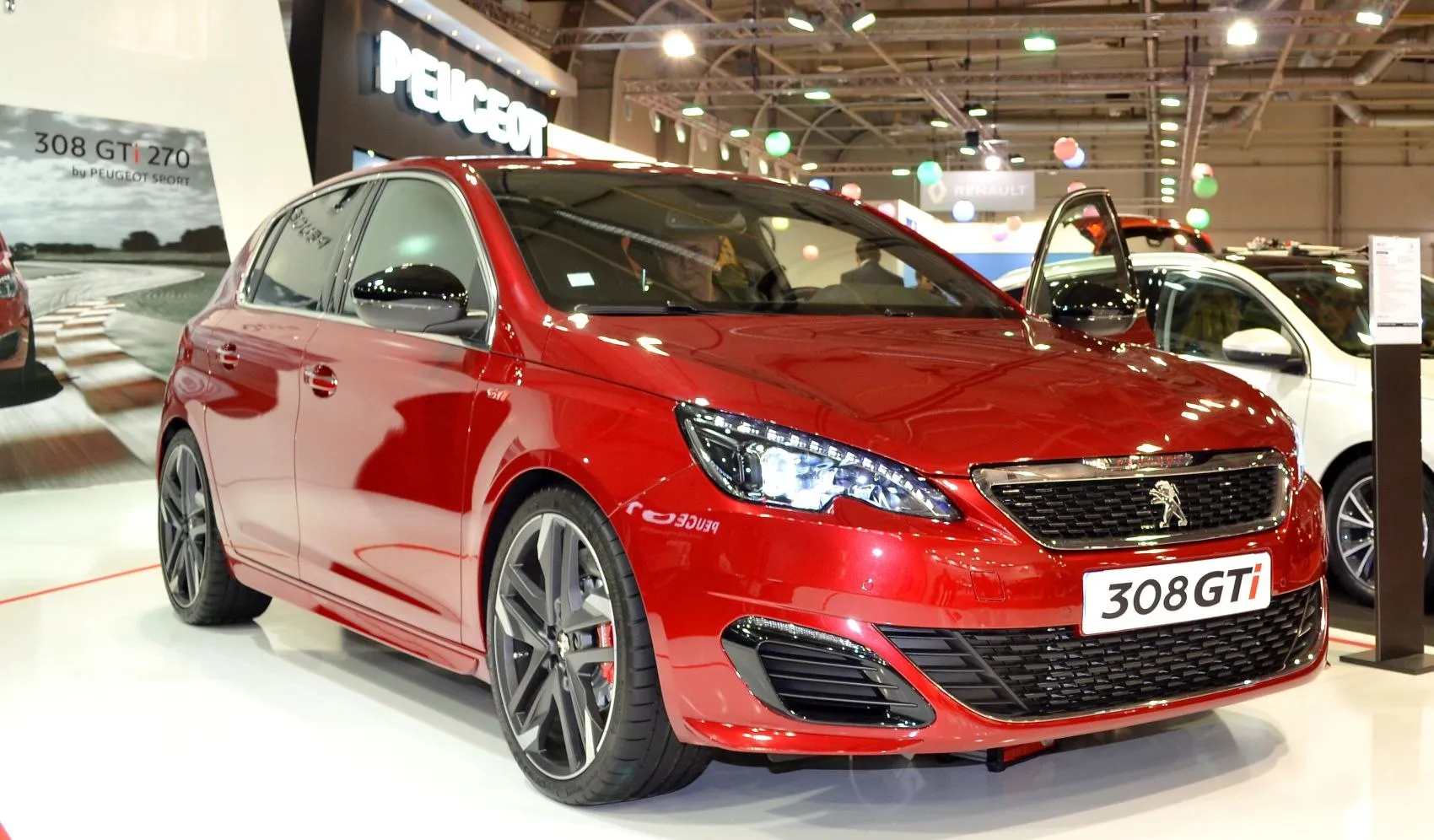
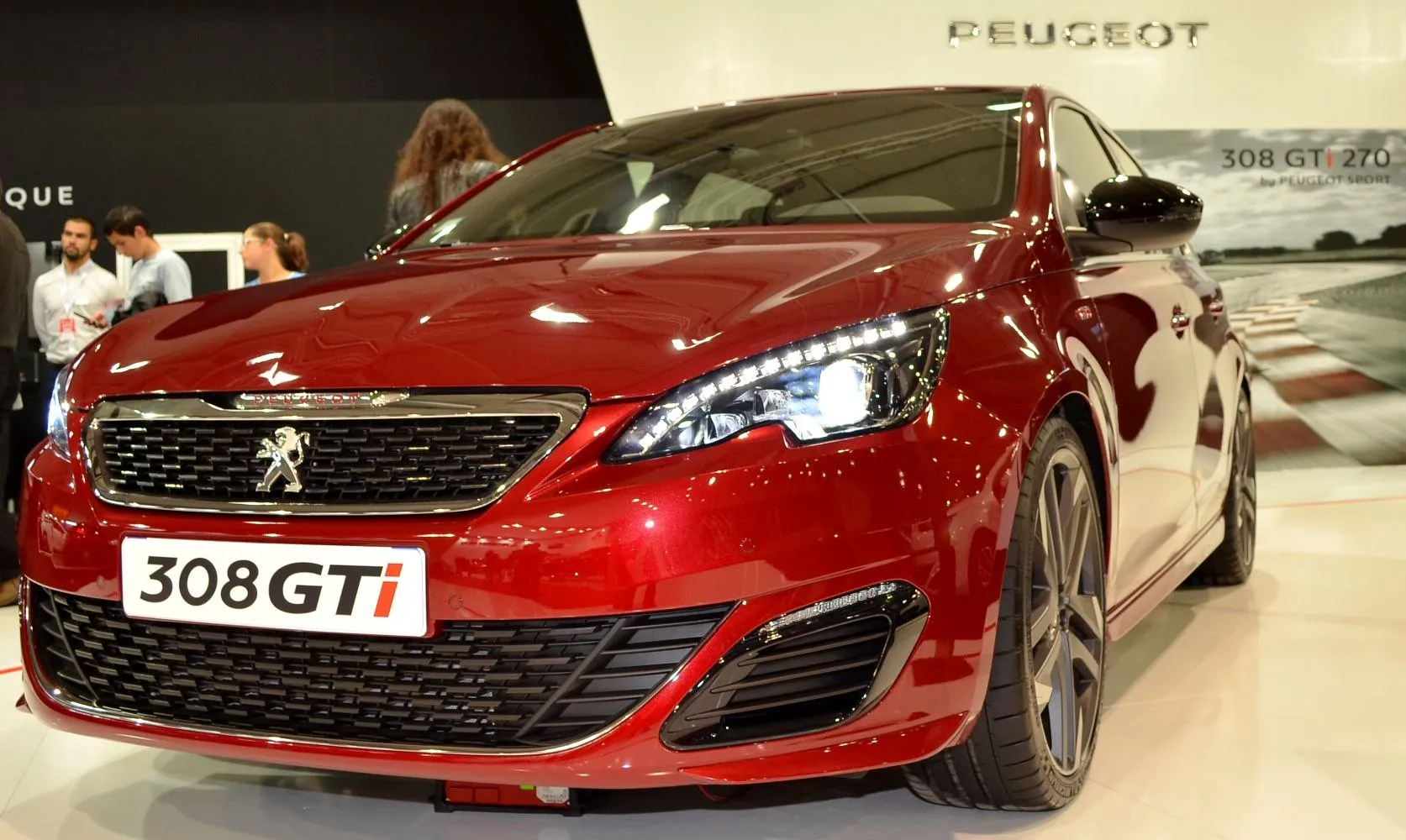
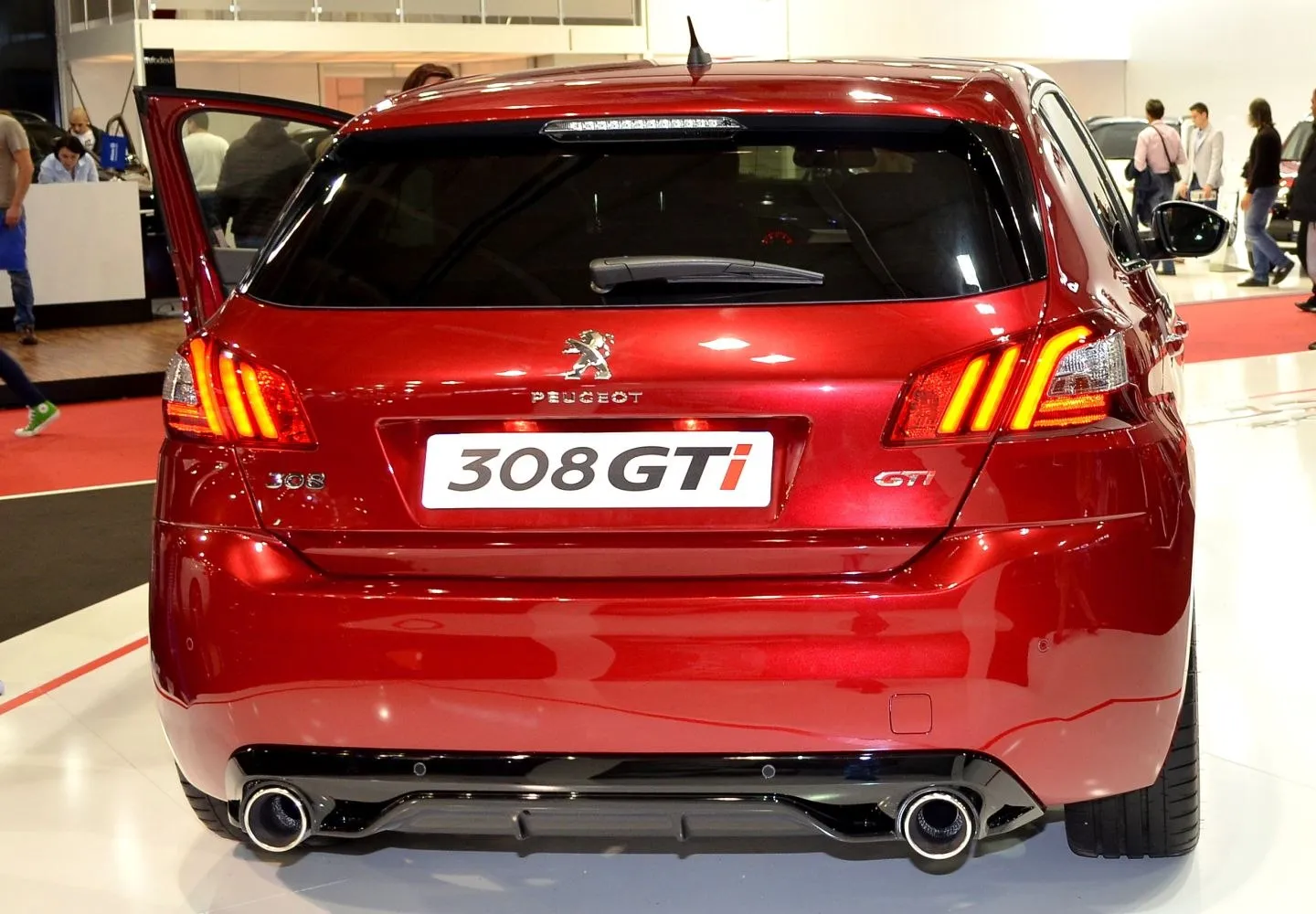
Peugeot 308 II (Phase I, 2013)

Compare all 19 engine versions of the Peugeot 308 308 II (Phase I, 2013), then open the technical data for the exact drivetrain and production year.

Vehicle history report

Buying a used Peugeot 308 II (Phase I, 2013)? Check the history of the exact car

A VIN report can help confirm the exact engine, equipment, mileage records and reported damage before you buy.

What is a VIN?
1 of 8
Peugeot 308 308 II (Phase I, 2013) View larger
Photo: © www.Auto-Data.net

Vehicle gallery

Peugeot 308 308 II (Phase I, 2013)

Photo: © www.Auto-Data.net

Choose a drivetrain

Engine versions

Select a row to update the key figures and detailed specifications below.

19 versions · 9 Gasoline · 10 Diesel fuel

Engine Fuel Power Production
1.2 VTi (82 KM) Selected Gasoline 82 KM 2013–2017
1.6 THP (125 KM) Selected Gasoline 125 KM 2013–2014
1.6 e-HDI (115 KM) Selected Diesel fuel 115 KM 2013–2015
1.6 THP (156 KM) Selected Gasoline 156 KM 2013–2017
1.6 HDI (92 KM) Selected Diesel fuel 92 KM 2013–2015
2.0 e-HDI (150 KM) Selected Diesel fuel 150 KM 2014–2017
2.0 e-HDI (150 KM) Automatic Selected Diesel fuel 150 KM 2014–2017
1.2 PureTech (110 KM) Selected Gasoline 110 KM 2014–2017
1.2 PureTech (130 KM) Selected Gasoline 130 KM 2014–2017
1.6 BlueHDi (120 KM) Selected Diesel fuel 120 KM 2014–2017
1.6 BlueHDi (120 KM) Automatic Selected Diesel fuel 120 KM 2014–2017
2.0 BlueHDi (150 KM) Selected Diesel fuel 150 KM 2014–2017
1.2 PureTech (130 KM) Automatic Selected Gasoline 130 KM 2014–2017
GT 1.6 THP (205 KM) Selected Gasoline 205 KM 2015–2017
GT 2.0 BlueHDi (180 KM) Automatic Selected Diesel fuel 180 KM 2015–2017
2.0 BlueHDi (150 KM) EAT6 Selected Diesel fuel 150 KM 2014–2017
1.6 BlueHDi (100 KM) Selected Diesel fuel 100 KM 2014–2017
GTi 1.6 THP (270 KM) Selected Gasoline 270 KM 2015–2017
GTi 1.6 THP (250 KM) Selected Gasoline 250 KM 2015–2017

Selected engine version

1.2 VTi (82 KM)

Gasoline · 2013–2017

Engine power
82 KM
Torque
118 Nm
Engine displacement
1,199 cm³
Fuel type
Gasoline
Acceleration 0-100 km/h
13.3 s
Maximum speed
172 km/h
On this page
Check vehicle history

Basic version information

Brand
Peugeot
Model
308
Version
308 II (Phase I, 2013)
Engine
1.2 VTi (82 KM)
Engine type
Combustion engine
Number of doors
5
Start of production
2013
End of production
2017
Body type
Hatchback
Number of seats
5
Fuel type
Gasoline

Performance

Maximum speed
172 km/h
Acceleration 0-100 km/h
13.3 s
Fuel consumption - Urban cycle
6.3 l/100 km
Fuel consumption - Extra-urban cycle
4.2 l/100 km
Fuel consumption - Combined cycle
5 l/100 km
Emission standard
Euro 5
CO2 emissions
114 g/km

Engine

Engine model / code
HMZEB2F
Engine position
Front, Transverse
Engine displacement
1199 cm³
Fuel injection system
Multi-point injection
Engine type
Naturally aspirated engine
Engine configuration
Inline
Number of cylinders
3
Cylinder bore
75 mm
Piston stroke
90.5 mm
Number of valves per cylinder
4
Engine oil capacity
3.3 l
Coolant capacity
6 l
Power
82 KM @ 5750 obr./min
Torque
118 Nm @ 2750 obr./min

Volume and weight

Fuel tank
53 l
Minimum trunk capacity
420 l
Maximum trunk capacity
817 l
Curb weight
1075 kg
Gross weight
1670 kg
Braked trailer load (12% slope start)
750 kg
Trailer load without brakes
570 kg
Trailer nose weight
75 kg

Vehicle dimensions

Length
4253 mm
Width
1804 mm
Width with unfolded mirrors
2043 mm
Height
1457 mm
Wheelbase
2620 mm
Front track
1559 mm
Rear track
1553 mm
Front overhang
863 mm
Rear overhang
770 mm
Turning circle
10.4 m

Drivetrain, Brakes and suspension

Drive
Front-wheel drive
Number of gears
5
Front suspension
Independent McPherson type
Rear suspension
Semi-independent suspension, Trailing arms with transverse torsion bars
Front brakes
Ventilated disc
Rear brakes
Disc
Steering system
Rack-and-pinion
Power steering
Electric power steering
Tire size
195/65 R15H; 205/55 R16V
Rim size
15; 16
ABS
yes

Selected engine version

1.6 THP (125 KM)

Gasoline · 2013–2014

Engine power
125 KM
Torque
200 Nm
Engine displacement
1,598 cm³
Fuel type
Gasoline
Acceleration 0-100 km/h
8.9 s
Maximum speed
202 km/h
On this page
Check vehicle history

Basic version information

Brand
Peugeot
Model
308
Version
308 II (Phase I, 2013)
Engine
1.6 THP (125 KM)
Engine type
Combustion engine
Number of doors
5
Start of production
2013
End of production
2014
Body type
Hatchback
Number of seats
5
Fuel type
Gasoline

Performance

Maximum speed
202 km/h
Acceleration 0-100 km/h
8.9 s
Fuel consumption - Urban cycle
7.7 l/100 km
Fuel consumption - Extra-urban cycle
4.4 l/100 km
Fuel consumption - Combined cycle
5.6 l/100 km
Emission standard
Euro 5
CO2 emissions
129 g/km

Engine

Engine model / code
5FAEP6CDT
Engine position
Front, Transverse
Engine displacement
1598 cm³
Fuel injection system
Direct injection
Engine type
Turbocharger, Intercooler
Engine configuration
Inline
Number of cylinders
4
Cylinder bore
77 mm
Piston stroke
85.8 mm
Number of valves per cylinder
4
Engine oil capacity
4.25 l
Power
125 KM @ 6000 obr./min
Torque
200 Nm @ 1400 obr./min

Volume and weight

Fuel tank
53 l
Minimum trunk capacity
420 l
Maximum trunk capacity
817 l
Curb weight
1165 kg
Gross weight
1770 kg
Braked trailer load (12% slope start)
1400 kg
Trailer load without brakes
615 kg
Trailer nose weight
75 kg

Vehicle dimensions

Length
4253 mm
Width
1804 mm
Width with unfolded mirrors
2043 mm
Height
1457 mm
Wheelbase
2620 mm
Front track
1559 mm
Rear track
1553 mm
Front overhang
863 mm
Rear overhang
770 mm
Turning circle
10.4 m

Drivetrain, Brakes and suspension

Drive
Front-wheel drive
Number of gears
6
Front suspension
Independent McPherson type
Rear suspension
Semi-independent suspension, Trailing arms with transverse torsion bars
Front brakes
Ventilated disc
Rear brakes
Disc
Steering system
Rack-and-pinion
Power steering
Electric power steering
Tire size
205/55 R16V; 225/45 R17V; 225/40 R18W
Rim size
16; 17; 18
ABS
yes

Selected engine version

1.6 e-HDI (115 KM)

Diesel fuel · 2013–2015

Engine power
115 KM
Torque
270 Nm
Engine displacement
1,560 cm³
Fuel type
Diesel fuel
Acceleration 0-100 km/h
10.2 s
Maximum speed
196 km/h
On this page
Check vehicle history

Basic version information

Brand
Peugeot
Model
308
Version
308 II (Phase I, 2013)
Engine
1.6 e-HDI (115 KM)
Engine type
Combustion engine
Number of doors
5
Start of production
2013
End of production
2015
Body type
Hatchback
Number of seats
5
Fuel type
Diesel fuel

Performance

Maximum speed
196 km/h
Acceleration 0-100 km/h
10.2 s
Fuel consumption - Urban cycle
4.2 l/100 km
Fuel consumption - Extra-urban cycle
3.3 l/100 km
Fuel consumption - Combined cycle
3.7 l/100 km
Emission standard
Euro 5
CO2 emissions
95 g/km

Engine

Engine model / code
9HCDV6C
Engine position
Front, Transverse
Engine displacement
1560 cm³
Fuel injection system
Diesel common rail
Engine type
Turbocharger, Intercooler
Engine configuration
Inline
Number of cylinders
4
Cylinder bore
75 mm
Piston stroke
88.3 mm
Number of valves per cylinder
2
Engine oil capacity
3.75 l
Coolant capacity
6 l
Power
115 KM @ 3600 obr./min
Torque
270 Nm @ 1750 obr./min

Volume and weight

Fuel tank
53 l
Minimum trunk capacity
420 l
Maximum trunk capacity
817 l
Curb weight
1160 kg
Gross weight
1780 kg
Braked trailer load (12% slope start)
1400 kg
Trailer load without brakes
615 kg
Trailer nose weight
75 kg

Vehicle dimensions

Length
4253 mm
Width
1804 mm
Width with unfolded mirrors
2043 mm
Height
1457 mm
Wheelbase
2620 mm
Front track
1559 mm
Rear track
1553 mm
Front overhang
863 mm
Rear overhang
770 mm
Turning circle
10.4 m

Drivetrain, Brakes and suspension

Drive
Front-wheel drive
Number of gears
6
Front suspension
Independent McPherson type
Rear suspension
Semi-independent suspension, Trailing arms with transverse torsion bars
Front brakes
Ventilated disc
Rear brakes
Disc
Steering system
Rack-and-pinion
Power steering
Electric power steering
Tire size
195/65 R15H; 205/55 R16V; 225/45 R17V; 25/40 R18W
Rim size
15; 16; 17; 18
ABS
yes

Selected engine version

1.6 THP (156 KM)

Gasoline · 2013–2017

Engine power
156 KM
Torque
240 Nm
Engine displacement
1,598 cm³
Fuel type
Gasoline
Acceleration 0-100 km/h
8 s
Maximum speed
215 km/h
On this page
Check vehicle history

Basic version information

Brand
Peugeot
Model
308
Version
308 II (Phase I, 2013)
Engine
1.6 THP (156 KM)
Engine type
Combustion engine
Number of doors
5
Start of production
2013
End of production
2017
Body type
Hatchback
Number of seats
5
Fuel type
Gasoline

Performance

Maximum speed
215 km/h
Acceleration 0-100 km/h
8 s
Fuel consumption - Urban cycle
7.7 l/100 km
Fuel consumption - Extra-urban cycle
4.4 l/100 km
Fuel consumption - Combined cycle
5.6 l/100 km
Emission standard
Euro 5
CO2 emissions
129 g/km

Engine

Engine model / code
5FVEP6DT, EP6CDT
Engine position
Front, Transverse
Engine displacement
1598 cm³
Fuel injection system
Direct injection
Engine type
Turbocharger, Intercooler
Engine configuration
Inline
Number of cylinders
4
Cylinder bore
77 mm
Piston stroke
85.8 mm
Number of valves per cylinder
4
Engine oil capacity
4.25 l
Coolant capacity
6.4 l
Power
156 KM @ 6000 obr./min
Torque
240 Nm @ 1400 obr./min

Volume and weight

Fuel tank
53 l
Minimum trunk capacity
420 l
Maximum trunk capacity
817 l
Curb weight
1165 kg
Gross weight
1770 kg
Braked trailer load (12% slope start)
1400 kg
Trailer load without brakes
615 kg
Trailer nose weight
75 kg

Vehicle dimensions

Length
4253 mm
Width
1804 mm
Width with unfolded mirrors
2043 mm
Height
1457 mm
Wheelbase
2620 mm
Front track
1559 mm
Rear track
1553 mm
Front overhang
863 mm
Rear overhang
770 mm
Turning circle
10.4 m

Drivetrain, Brakes and suspension

Drive
Front-wheel drive
Number of gears
6
Front suspension
Independent McPherson type
Rear suspension
Semi-independent suspension, Trailing arms with transverse torsion bars
Front brakes
Ventilated disc
Rear brakes
Disc
Steering system
Rack-and-pinion
Power steering
Electric power steering
Tire size
95/65 R15H; 205/55 R16V; 25/45 R17V; 25/40 R18W
Rim size
15; 16; 17; 18
ABS
yes

Selected engine version

1.6 HDI (92 KM)

Diesel fuel · 2013–2015

Engine power
92 KM
Torque
230 Nm
Engine displacement
1,560 cm³
Fuel type
Diesel fuel
Acceleration 0-100 km/h
11.3 s
Maximum speed
183 km/h
On this page
Check vehicle history

Basic version information

Brand
Peugeot
Model
308
Version
308 II (Phase I, 2013)
Engine
1.6 HDI (92 KM)
Engine type
Combustion engine
Number of doors
6
Start of production
2013
End of production
2015
Body type
Hatchback
Number of seats
5
Fuel type
Diesel fuel

Performance

Maximum speed
183 km/h
Acceleration 0-100 km/h
11.3 s
Fuel consumption - Urban cycle
4.4 l/100 km
Fuel consumption - Extra-urban cycle
3.4 l/100 km
Fuel consumption - Combined cycle
3.7 l/100 km
Emission standard
Euro 5
CO2 emissions
95 g/km

Engine

Engine model / code
9HPDV6DTED
Engine position
Front, Transverse
Engine displacement
1560 cm³
Fuel injection system
Diesel common rail
Engine type
Turbocharger, Intercooler
Engine configuration
Inline
Number of cylinders
4
Cylinder bore
75 mm
Piston stroke
88.3 mm
Number of valves per cylinder
2
Engine oil capacity
3.75 l
Coolant capacity
6 l
Power
92 KM @ 4000 obr./min
Torque
230 Nm @ 1750 obr./min

Volume and weight

Fuel tank
53 l
Minimum trunk capacity
420 l
Maximum trunk capacity
817 l
Curb weight
1090 kg
Gross weight
1740 kg
Braked trailer load (12% slope start)
1300 kg
Trailer load without brakes
580 kg
Trailer nose weight
75 kg

Vehicle dimensions

Length
4253 mm
Width
1804 mm
Width with unfolded mirrors
2043 mm
Height
1457 mm
Wheelbase
2620 mm
Front track
1559 mm
Rear track
1553 mm
Front overhang
863 mm
Rear overhang
770 mm
Turning circle
10.4 m

Drivetrain, Brakes and suspension

Drive
Front-wheel drive
Number of gears
5
Front suspension
Independent McPherson type
Rear suspension
Semi-independent suspension, Trailing arms with transverse torsion bars
Front brakes
Ventilated disc
Rear brakes
Disc
Steering system
Rack-and-pinion
Power steering
Electric power steering
Tire size
195/65 R15H; 205/55 R16V
Rim size
15; 16
ABS
yes

Selected engine version

2.0 e-HDI (150 KM)

Diesel fuel · 2014–2017

Engine power
150 KM
Torque
370 Nm
Engine displacement
1,997 cm³
Fuel type
Diesel fuel
Acceleration 0-100 km/h
8.6 s
Maximum speed
218 km/h
On this page
Check vehicle history

Basic version information

Brand
Peugeot
Model
308
Version
308 II (Phase I, 2013)
Engine
2.0 e-HDI (150 KM)
Engine type
Combustion engine
Number of doors
5
Start of production
2014
End of production
2017
Body type
Hatchback
Number of seats
5
Fuel type
Diesel fuel

Performance

Maximum speed
218 km/h
Acceleration 0-100 km/h
8.6 s
Fuel consumption - Urban cycle
4.4 l/100 km
Fuel consumption - Extra-urban cycle
3.5 l/100 km
Fuel consumption - Combined cycle
3.8 l/100 km
Emission standard
Euro 6
CO2 emissions
99 g/km

Engine

Engine model / code
DW10FD
Engine position
Front, Transverse
Engine displacement
1997 cm³
Fuel injection system
Diesel common rail
Engine type
Turbocharger, Intercooler
Engine configuration
Inline
Number of cylinders
4
Number of valves per cylinder
4
Engine oil capacity
5.1 l
Coolant capacity
9 l
Power
150 KM @ 3750 obr./min
Torque
370 Nm @ 2000 obr./min

Volume and weight

Fuel tank
53 l
Minimum trunk capacity
420 l
Maximum trunk capacity
817 l
Curb weight
1290 kg
Gross weight
1870 kg

Vehicle dimensions

Length
4253 mm
Width
1804 mm
Width with unfolded mirrors
2043 mm
Height
1457 mm
Wheelbase
2620 mm
Front track
1559 mm
Rear track
1553 mm
Front overhang
863 mm
Rear overhang
770 mm
Turning circle
10.4 m

Drivetrain, Brakes and suspension

Drive
Front-wheel drive
Number of gears
6
Front suspension
Independent McPherson type
Rear suspension
Semi-independent suspension, Trailing arms with transverse torsion bars
Front brakes
Ventilated disc
Rear brakes
Disc
Steering system
Rack-and-pinion
Power steering
Electric power steering
Tire size
205/55 R16V; 225/45 R17V; 225/40 R18W
Rim size
16; 17; 18
ABS
yes

Selected engine version

2.0 e-HDI (150 KM) Automatic

Diesel fuel · 2014–2017

Engine power
150 KM
Torque
370 Nm
Engine displacement
1,997 cm³
Fuel type
Diesel fuel
Acceleration 0-100 km/h
8.6 s
Maximum speed
214 km/h
On this page
Check vehicle history

Basic version information

Brand
Peugeot
Model
308
Version
308 II (Phase I, 2013)
Engine
2.0 e-HDI (150 KM) Automatic
Engine type
Combustion engine
Number of doors
5
Start of production
2014
End of production
2017
Body type
Hatchback
Number of seats
5
Fuel type
Diesel fuel

Performance

Maximum speed
214 km/h
Acceleration 0-100 km/h
8.6 s
Fuel consumption - Urban cycle
4.7 l/100 km
Fuel consumption - Extra-urban cycle
3.6 l/100 km
Fuel consumption - Combined cycle
4 l/100 km
Emission standard
Euro 6
CO2 emissions
104 g/km

Engine

Engine model / code
DW10FD
Engine position
Front, Transverse
Engine displacement
1997 cm³
Fuel injection system
Diesel common rail
Engine type
Turbocharger, Intercooler
Engine configuration
Inline
Number of cylinders
4
Number of valves per cylinder
4
Engine oil capacity
5.1 l
Coolant capacity
9 l
Power
150 KM @ 3750 obr./min
Torque
370 Nm @ 2000 obr./min

Volume and weight

Fuel tank
53 l
Minimum trunk capacity
420 l
Maximum trunk capacity
817 l
Curb weight
1310 kg
Gross weight
1900 kg

Vehicle dimensions

Length
4253 mm
Width
1804 mm
Width with unfolded mirrors
2043 mm
Height
1457 mm
Wheelbase
2620 mm
Front track
1559 mm
Rear track
1553 mm
Front overhang
863 mm
Rear overhang
770 mm
Turning circle
10.4 m

Drivetrain, Brakes and suspension

Drive
Front-wheel drive
Number of gears
6
Front suspension
Independent McPherson type
Rear suspension
Semi-independent suspension, Trailing arms with transverse torsion bars
Front brakes
Ventilated disc
Rear brakes
Disc
Steering system
Rack-and-pinion
Power steering
Electric power steering
Tire size
205/55 R16V; 25/45 R17V; 25/40 R18W
Rim size
16; 17; 18
ABS
yes

Selected engine version

1.2 PureTech (110 KM)

Gasoline · 2014–2017

Engine power
110 KM
Torque
205 Nm
Engine displacement
1,199 cm³
Fuel type
Gasoline
Acceleration 0-100 km/h
11.1 s
Maximum speed
188 km/h
On this page
Check vehicle history

Basic version information

Brand
Peugeot
Model
308
Version
308 II (Phase I, 2013)
Engine
1.2 PureTech (110 KM)
Engine type
Combustion engine
Number of doors
5
Start of production
2014
End of production
2017
Body type
Hatchback
Number of seats
5
Fuel type
Gasoline

Performance

Maximum speed
188 km/h
Acceleration 0-100 km/h
11.1 s
Fuel consumption - Urban cycle
5.8 l/100 km
Fuel consumption - Extra-urban cycle
3.9 l/100 km
Fuel consumption - Combined cycle
4.6 l/100 km
Emission standard
Euro 6
CO2 emissions
105 g/km

Engine

Engine model / code
HNZEB2DT
Engine position
Front, Transverse
Engine displacement
1199 cm³
Fuel injection system
Direct injection
Engine type
Turbocharger, Intercooler
Engine configuration
Inline
Number of cylinders
3
Number of valves per cylinder
4
Engine oil capacity
3.5 l
Coolant capacity
6 l
Power
110 KM @ 5500 obr./min
Torque
205 Nm @ 1500 obr./min

Volume and weight

Fuel tank
53 l
Minimum trunk capacity
420 l
Maximum trunk capacity
855 l
Curb weight
1080 kg
Gross weight
1720 kg
Braked trailer load (12% slope start)
1200 kg
Trailer nose weight
75 kg

Vehicle dimensions

Length
4253 mm
Width
1804 mm
Width with unfolded mirrors
2043 mm
Height
1457 mm
Wheelbase
2620 mm
Front track
1559 mm
Rear track
1553 mm
Front overhang
863 mm
Rear overhang
770 mm
Turning circle
10.4 m

Drivetrain, Brakes and suspension

Drive
Front-wheel drive
Number of gears
5
Front suspension
Independent, McPherson type with coil spring and stabilizer bar
Rear suspension
Semi-independent spring suspension
Front brakes
Ventilated disc
Rear brakes
Disc
Steering system
Rack-and-pinion
Tire size
205/55 R16 V
Rim size
16
ABS
yes

Selected engine version

1.2 PureTech (130 KM)

Gasoline · 2014–2017

Engine power
130 KM
Torque
230 Nm
Engine displacement
1,199 cm³
Fuel type
Gasoline
Acceleration 0-100 km/h
9.6 s
Maximum speed
207 km/h
On this page
Check vehicle history

Basic version information

Brand
Peugeot
Model
308
Version
308 II (Phase I, 2013)
Engine
1.2 PureTech (130 KM)
Engine type
Combustion engine
Number of doors
5
Start of production
2014
End of production
2017
Body type
Hatchback
Number of seats
5
Fuel type
Gasoline

Performance

Maximum speed
207 km/h
Acceleration 0-100 km/h
9.6 s
Fuel consumption - Urban cycle
5.8 l/100 km
Fuel consumption - Extra-urban cycle
3.9 l/100 km
Fuel consumption - Combined cycle
4.6 l/100 km
Emission standard
Euro 6
CO2 emissions
107 g/km

Engine

Engine model / code
HNYEB2DTS
Engine position
Front, Transverse
Engine displacement
1199 cm³
Fuel injection system
Direct injection
Engine type
Turbocharger, Intercooler
Engine configuration
Inline
Number of cylinders
3
Number of valves per cylinder
4
Engine oil capacity
3.5 l
Coolant capacity
6 l
Power
130 KM @ 5500 obr./min
Torque
230 Nm @ 1750 obr./min

Volume and weight

Fuel tank
53 l
Minimum trunk capacity
420 l
Maximum trunk capacity
855 l
Curb weight
1090 kg
Gross weight
1750 kg
Braked trailer load (12% slope start)
1300 kg
Trailer nose weight
75 kg

Vehicle dimensions

Length
4253 mm
Width
1804 mm
Width with unfolded mirrors
2043 mm
Height
1457 mm
Wheelbase
2620 mm
Front track
1559 mm
Rear track
1553 mm
Front overhang
863 mm
Rear overhang
770 mm
Turning circle
10.4 m

Drivetrain, Brakes and suspension

Drive
Front-wheel drive
Number of gears
6
Front suspension
Independent, McPherson type with coil spring and stabilizer bar
Rear suspension
Semi-independent spring suspension
Front brakes
Ventilated disc
Rear brakes
Disc
Steering system
Rack-and-pinion
Tire size
205/55 R16 V
Rim size
16
ABS
yes

Selected engine version

1.6 BlueHDi (120 KM)

Diesel fuel · 2014–2017

Engine power
120 KM
Torque
300 Nm
Engine displacement
1,560 cm³
Fuel type
Diesel fuel
Acceleration 0-100 km/h
9.7 s
Maximum speed
196 km/h
On this page
Check vehicle history

Basic version information

Brand
Peugeot
Model
308
Version
308 II (Phase I, 2013)
Engine
1.6 BlueHDi (120 KM)
Engine type
Combustion engine
Number of doors
5
Start of production
2014
End of production
2017
Body type
Hatchback
Number of seats
5
Fuel type
Diesel fuel

Performance

Maximum speed
196 km/h
Acceleration 0-100 km/h
9.7 s
Fuel consumption - Urban cycle
3.5 l/100 km
Fuel consumption - Extra-urban cycle
2.9 l/100 km
Fuel consumption - Combined cycle
3.1 l/100 km
Emission standard
Euro 6
CO2 emissions
82 g/km

Engine

Engine model / code
BHZDV6FC
Engine position
Front, Transverse
Engine displacement
1560 cm³
Fuel injection system
Diesel common rail
Engine type
Turbocharger, Intercooler
Engine configuration
Inline
Number of cylinders
4
Number of valves per cylinder
2
Engine oil capacity
3.75 l
Power
120 KM @ 3500 obr./min
Torque
300 Nm @ 1750 obr./min

Volume and weight

Fuel tank
53 l
Minimum trunk capacity
420 l
Maximum trunk capacity
855 l
Curb weight
1185 kg
Gross weight
1810 kg
Braked trailer load (12% slope start)
1400 kg
Trailer nose weight
75 kg

Vehicle dimensions

Length
4253 mm
Width
1804 mm
Width with unfolded mirrors
2043 mm
Height
1457 mm
Wheelbase
2620 mm
Front track
1559 mm
Rear track
1553 mm
Front overhang
863 mm
Rear overhang
770 mm
Turning circle
10.4 m

Drivetrain, Brakes and suspension

Drive
Front-wheel drive
Number of gears
6
Front suspension
Independent, McPherson type with coil spring and stabilizer bar
Rear suspension
Semi-independent spring suspension
Front brakes
Ventilated disc
Rear brakes
Disc
Steering system
Rack-and-pinion
Tire size
205/55 R16 V
Rim size
16
ABS
yes

Selected engine version

1.6 BlueHDi (120 KM) Automatic

Diesel fuel · 2014–2017

Engine power
120 KM
Torque
300 Nm
Engine displacement
1,560 cm³
Fuel type
Diesel fuel
Acceleration 0-100 km/h
9.5 s
Maximum speed
196 km/h
On this page
Check vehicle history

Basic version information

Brand
Peugeot
Model
308
Version
308 II (Phase I, 2013)
Engine
1.6 BlueHDi (120 KM) Automatic
Engine type
Combustion engine
Number of doors
5
Start of production
2014
End of production
2017
Body type
Hatchback
Number of seats
5
Fuel type
Diesel fuel

Performance

Maximum speed
196 km/h
Acceleration 0-100 km/h
9.5 s
Fuel consumption - Urban cycle
4 l/100 km
Fuel consumption - Extra-urban cycle
3.3 l/100 km
Fuel consumption - Combined cycle
3.5 l/100 km
Emission standard
Euro 6
CO2 emissions
92 g/km

Engine

Engine model / code
BHZDV6FC
Engine position
Front, Transverse
Engine displacement
1560 cm³
Fuel injection system
Diesel common rail
Engine type
Turbocharger, Intercooler
Engine configuration
Inline
Number of cylinders
4
Number of valves per cylinder
2
Engine oil capacity
3.75 l
Power
120 KM @ 3500 obr./min
Torque
300 Nm @ 1750 obr./min

Volume and weight

Fuel tank
53 l
Minimum trunk capacity
420 l
Maximum trunk capacity
855 l
Curb weight
1200 kg
Gross weight
1820 kg
Braked trailer load (12% slope start)
1300 kg
Trailer nose weight
75 kg

Vehicle dimensions

Length
4253 mm
Width
1804 mm
Width with unfolded mirrors
2043 mm
Height
1457 mm
Wheelbase
2620 mm
Front track
1559 mm
Rear track
1553 mm
Front overhang
863 mm
Rear overhang
770 mm
Turning circle
10.4 m

Drivetrain, Brakes and suspension

Drive
Front-wheel drive
Number of gears
6
Front suspension
Independent, McPherson type with coil spring and stabilizer bar
Rear suspension
Semi-independent spring suspension
Front brakes
Ventilated disc
Rear brakes
Disc
Steering system
Rack-and-pinion
Tire size
205/55 R16 V
Rim size
16
ABS
yes

Selected engine version

2.0 BlueHDi (150 KM)

Diesel fuel · 2014–2017

Engine power
150 KM
Torque
370 Nm
Engine displacement
1,997 cm³
Fuel type
Diesel fuel
Acceleration 0-100 km/h
8.6 s
Maximum speed
218 km/h
On this page
Check vehicle history

Basic version information

Brand
Peugeot
Model
308
Version
308 II (Phase I, 2013)
Engine
2.0 BlueHDi (150 KM)
Engine type
Combustion engine
Number of doors
5
Start of production
2014
End of production
2017
Body type
Hatchback
Number of seats
5
Fuel type
Diesel fuel

Performance

Maximum speed
218 km/h
Acceleration 0-100 km/h
8.6 s
Fuel consumption - Urban cycle
4.1 l/100 km
Fuel consumption - Extra-urban cycle
3.3 l/100 km
Fuel consumption - Combined cycle
3.6 l/100 km
Emission standard
Euro 6
CO2 emissions
93 g/km

Engine

Engine model / code
AHXDW10FD
Engine position
Front, Transverse
Engine displacement
1997 cm³
Fuel injection system
Diesel common rail
Engine type
Turbocharger, Intercooler
Engine configuration
Inline
Number of cylinders
4
Number of valves per cylinder
4
Engine oil capacity
4.5 l
Coolant capacity
9 l
Power
150 KM @ 3750 obr./min
Torque
370 Nm @ 2000 obr./min

Volume and weight

Fuel tank
53 l
Minimum trunk capacity
420 l
Maximum trunk capacity
855 l
Curb weight
1290 kg
Gross weight
1870 kg
Braked trailer load (12% slope start)
1600 kg
Trailer nose weight
75 kg

Vehicle dimensions

Length
4253 mm
Width
1804 mm
Width with unfolded mirrors
2043 mm
Height
1457 mm
Wheelbase
2620 mm
Front track
1559 mm
Rear track
1553 mm
Front overhang
863 mm
Rear overhang
770 mm
Turning circle
10.4 m

Drivetrain, Brakes and suspension

Drive
Front-wheel drive
Number of gears
6
Front suspension
Independent, McPherson type with coil spring and stabilizer bar
Rear suspension
Semi-independent spring suspension
Front brakes
Ventilated disc
Rear brakes
Disc
Steering system
Rack-and-pinion
Tire size
205/55 R16 V
Rim size
16
ABS
yes

Selected engine version

1.2 PureTech (130 KM) Automatic

Gasoline · 2014–2017

Engine power
130 KM
Torque
230 Nm
Engine displacement
1,199 cm³
Fuel type
Gasoline
Acceleration 0-100 km/h
9.1 s
Maximum speed
206 km/h
On this page
Check vehicle history

Basic version information

Brand
Peugeot
Model
308
Version
308 II (Phase I, 2013)
Engine
1.2 PureTech (130 KM) Automatic
Engine type
Combustion engine
Number of doors
5
Start of production
2014
End of production
2017
Body type
Hatchback
Number of seats
5
Fuel type
Gasoline

Performance

Maximum speed
206 km/h
Acceleration 0-100 km/h
9.1 s
Fuel consumption - Urban cycle
6.3 l/100 km
Fuel consumption - Extra-urban cycle
4.1 l/100 km
Fuel consumption - Combined cycle
4.9 l/100 km
Emission standard
Euro 6
CO2 emissions
114 g/km

Engine

Engine model / code
HNYEB2DTS
Engine position
Front, Transverse
Engine displacement
1199 cm³
Fuel injection system
Direct injection
Engine type
Turbocharger, Intercooler
Engine configuration
Inline
Number of cylinders
3
Number of valves per cylinder
4
Engine oil capacity
3.5 l
Coolant capacity
6 l
Power
130 KM @ 5500 obr./min
Torque
230 Nm @ 1750 obr./min

Volume and weight

Fuel tank
53 l
Minimum trunk capacity
420 l
Maximum trunk capacity
855 l
Curb weight
1150 kg
Gross weight
1770 kg
Braked trailer load (12% slope start)
1200 kg
Trailer nose weight
75 kg

Vehicle dimensions

Length
4253 mm
Width
1804 mm
Width with unfolded mirrors
2043 mm
Height
1457 mm
Wheelbase
2620 mm
Front track
1559 mm
Rear track
1553 mm
Front overhang
863 mm
Rear overhang
770 mm
Turning circle
10.4 m

Drivetrain, Brakes and suspension

Drive
Front-wheel drive
Number of gears
6
Front suspension
Independent, McPherson type with coil spring and stabilizer bar
Rear suspension
Semi-independent spring suspension
Front brakes
Ventilated disc
Rear brakes
Disc
Steering system
Rack-and-pinion
Tire size
205/55 R16 V
Rim size
16
ABS
yes

Selected engine version

GT 1.6 THP (205 KM)

Gasoline · 2015–2017

Engine power
205 KM
Torque
285 Nm
Engine displacement
1,598 cm³
Fuel type
Gasoline
Acceleration 0-100 km/h
7.5 s
Maximum speed
235 km/h
On this page
Check vehicle history

Basic version information

Brand
Peugeot
Model
308
Version
308 II (Phase I, 2013)
Engine
GT 1.6 THP (205 KM)
Engine type
Combustion engine
Number of doors
5
Start of production
2015
End of production
2017
Body type
Hatchback
Number of seats
5
Fuel type
Gasoline

Performance

Maximum speed
235 km/h
Acceleration 0-100 km/h
7.5 s
Fuel consumption - Urban cycle
7.4 l/100 km
Fuel consumption - Extra-urban cycle
4.6 l/100 km
Fuel consumption - Combined cycle
5.6 l/100 km
Emission standard
Euro 6
CO2 emissions
130 g/km

Engine

Engine model / code
5GTEP6FDTX
Engine position
Front, Transverse
Engine displacement
1598 cm³
Fuel injection system
Direct injection
Engine type
Turbocharger, Intercooler
Engine configuration
Inline
Number of cylinders
4
Number of valves per cylinder
4
Engine oil capacity
4.25 l
Power
205 KM @ 6000 obr./min
Torque
285 Nm @ 1750 obr./min

Volume and weight

Fuel tank
53 l
Minimum trunk capacity
420 l
Maximum trunk capacity
855 l
Curb weight
1200 kg
Gross weight
1790 kg
Braked trailer load (12% slope start)
1400 kg
Trailer nose weight
75 kg

Vehicle dimensions

Length
4253 mm
Width
1804 mm
Width with unfolded mirrors
2057 mm
Height
1457 mm
Wheelbase
2620 mm
Front track
1559 mm
Rear track
1553 mm
Front overhang
863 mm
Rear overhang
770 mm
Turning circle
10.4 m

Drivetrain, Brakes and suspension

Drive
Front-wheel drive
Number of gears
6
Front suspension
Independent, McPherson type with coil spring and stabilizer bar
Rear suspension
Semi-independent spring suspension
Front brakes
Ventilated disc
Rear brakes
Disc
Steering system
Rack-and-pinion
Tire size
225/40 R18 W
Rim size
18
ABS
yes

Selected engine version

GT 2.0 BlueHDi (180 KM) Automatic

Diesel fuel · 2015–2017

Engine power
180 KM
Torque
400 Nm
Engine displacement
1,997 cm³
Fuel type
Diesel fuel
Acceleration 0-100 km/h
8.4 s
Maximum speed
220 km/h
On this page
Check vehicle history

Basic version information

Brand
Peugeot
Model
308
Version
308 II (Phase I, 2013)
Engine
GT 2.0 BlueHDi (180 KM) Automatic
Engine type
Combustion engine
Number of doors
5
Start of production
2015
End of production
2017
Body type
Hatchback
Number of seats
5
Fuel type
Diesel fuel

Performance

Maximum speed
220 km/h
Acceleration 0-100 km/h
8.4 s
Fuel consumption - Urban cycle
4.7 l/100 km
Fuel consumption - Extra-urban cycle
3.5 l/100 km
Fuel consumption - Combined cycle
4 l/100 km
Emission standard
Euro 6
CO2 emissions
103 g/km

Engine

Engine model / code
DW10FC
Engine position
Front, Transverse
Engine displacement
1997 cm³
Fuel injection system
Diesel common rail
Engine type
Turbocharger, Intercooler
Engine configuration
Inline
Number of cylinders
4
Number of valves per cylinder
4
Engine oil capacity
5.1 l
Power
180 KM @ 3750 obr./min
Torque
400 Nm @ 2000 obr./min

Volume and weight

Fuel tank
53 l
Minimum trunk capacity
420 l
Maximum trunk capacity
855 l
Curb weight
1320 kg
Gross weight
1920 kg
Braked trailer load (12% slope start)
1500 kg
Trailer nose weight
75 kg

Vehicle dimensions

Length
4253 mm
Width
1804 mm
Width with unfolded mirrors
2043 mm
Height
1457 mm
Wheelbase
2620 mm
Front track
1559 mm
Rear track
1553 mm
Front overhang
863 mm
Rear overhang
770 mm
Turning circle
10.4 m

Drivetrain, Brakes and suspension

Drive
Front-wheel drive
Number of gears
6
Front suspension
Independent, McPherson type with coil spring and stabilizer bar
Rear suspension
Semi-independent spring suspension
Front brakes
Ventilated disc
Rear brakes
Disc
Steering system
Rack-and-pinion
Tire size
225/40 R18 W
Rim size
18
ABS
yes

Selected engine version

2.0 BlueHDi (150 KM) EAT6

Diesel fuel · 2014–2017

Engine power
150 KM
Torque
370 Nm
Engine displacement
1,997 cm³
Fuel type
Diesel fuel
Acceleration 0-100 km/h
8.6 s
Maximum speed
211 km/h
On this page
Check vehicle history

Basic version information

Brand
Peugeot
Model
308
Version
308 II (Phase I, 2013)
Engine
2.0 BlueHDi (150 KM) EAT6
Engine type
Combustion engine
Number of doors
5
Start of production
2014
End of production
2017
Body type
Hatchback
Number of seats
5
Fuel type
Diesel fuel

Performance

Maximum speed
211 km/h
Acceleration 0-100 km/h
8.6 s
Fuel consumption - Urban cycle
4.7 l/100 km
Fuel consumption - Extra-urban cycle
3.6 l/100 km
Fuel consumption - Combined cycle
4 l/100 km
Emission standard
Euro 6
CO2 emissions
105 g/km

Engine

Engine model / code
AHXDW10FD
Engine position
Front, Transverse
Engine displacement
1997 cm³
Fuel injection system
Diesel common rail
Engine type
Turbocharger, Intercooler
Valvetrain
DOHC
Engine configuration
Inline
Number of cylinders
4
Cylinder bore
85 mm
Piston stroke
88 mm
Number of valves per cylinder
4
Engine oil capacity
4.5 l
Coolant capacity
9 l
Power
150 KM @ 4000 obr./min
Torque
370 Nm @ 2000 obr./min

Volume and weight

Fuel tank
53 l
Minimum trunk capacity
470 l
Maximum trunk capacity
855 l
Curb weight
1310 kg
Gross weight
1900 kg
Braked trailer load (12% slope start)
1500 kg
Trailer nose weight
75 kg

Vehicle dimensions

Length
4253 mm
Width
1804 mm
Width with unfolded mirrors
2043 mm
Height
1457 mm
Wheelbase
2620 mm
Front track
1559 mm
Rear track
1553 mm
Front overhang
863 mm
Rear overhang
770 mm
Turning circle
10.4 m

Drivetrain, Brakes and suspension

Drive
Front-wheel drive
Number of gears
6
Type of automatic gearbox
EAT
Front suspension
Independent, McPherson type with coil spring and stabilizer bar
Rear suspension
Semi-independent spring suspension
Front brakes
Ventilated disc
Rear brakes
Disc
Steering system
Rack-and-pinion
Power steering
Electric power steering
Tire size
205/55 R16; 225/45 R17
Rim size
16; 17
ABS
yes

Selected engine version

1.6 BlueHDi (100 KM)

Diesel fuel · 2014–2017

Engine power
100 KM
Torque
254 Nm
Engine displacement
1,560 cm³
Fuel type
Diesel fuel
Acceleration 0-100 km/h
12.8 s
Maximum speed
184 km/h
On this page
Check vehicle history

Basic version information

Brand
Peugeot
Model
308
Version
308 II (Phase I, 2013)
Engine
1.6 BlueHDi (100 KM)
Engine type
Combustion engine
Number of doors
5
Start of production
2014
End of production
2017
Body type
Hatchback
Number of seats
5
Fuel type
Diesel fuel

Performance

Maximum speed
184 km/h
Acceleration 0-100 km/h
12.8 s
Fuel consumption - Urban cycle
4.3 l/100 km
Fuel consumption - Extra-urban cycle
3.1 l/100 km
Fuel consumption - Combined cycle
3.5 l/100 km
Emission standard
Euro 6
CO2 emissions
92 g/km

Engine

Engine model / code
BHYDV6FD
Engine position
Front, Transverse
Engine displacement
1560 cm³
Fuel injection system
Diesel common rail
Engine type
Turbocharger, Intercooler
Engine configuration
Inline
Number of cylinders
4
Engine oil capacity
3.8 l
Coolant capacity
6 l
Power
100 KM @ 3750 obr./min
Torque
254 Nm @ 1750 obr./min

Volume and weight

Fuel tank
53 l
Minimum trunk capacity
420 l
Maximum trunk capacity
855 l
Curb weight
1400 kg
Gross weight
1780 kg
Braked trailer load (12% slope start)
1300 kg
Trailer nose weight
75 kg

Vehicle dimensions

Length
4253 mm
Width
1804 mm
Width with unfolded mirrors
2043 mm
Height
1457 mm
Wheelbase
2620 mm
Front track
1559 mm
Rear track
1553 mm
Front overhang
863 mm
Rear overhang
770 mm
Turning circle
10.4 m

Drivetrain, Brakes and suspension

Drive
Front-wheel drive
Number of gears
6
Front suspension
Independent, McPherson type with coil spring and stabilizer bar
Rear suspension
Semi-independent spring suspension
Front brakes
Ventilated disc
Rear brakes
Disc
Steering system
Rack-and-pinion
Tire size
195/65 R15 90H
Rim size
15
ABS
yes

Selected engine version

GTi 1.6 THP (270 KM)

Gasoline · 2015–2017

Engine power
270 KM
Torque
330 Nm
Engine displacement
1,598 cm³
Fuel type
Gasoline
Acceleration 0-100 km/h
6 s
Maximum speed
250 km/h
On this page
Check vehicle history

Basic version information

Brand
Peugeot
Model
308
Version
308 II (Phase I, 2013)
Engine
GTi 1.6 THP (270 KM)
Engine type
Combustion engine
Number of doors
5
Start of production
2015
End of production
2017
Body type
Hatchback
Number of seats
5
Fuel type
Gasoline

Performance

Maximum speed
250 km/h
Acceleration 0-100 km/h
6 s
Fuel consumption - Urban cycle
8.1 l/100 km
Fuel consumption - Extra-urban cycle
4.9 l/100 km
Fuel consumption - Combined cycle
6 l/100 km
Emission standard
Euro 6
CO2 emissions
139 g/km

Engine

Engine model / code
EP6FDTR
Engine position
Front, Transverse
Engine displacement
1598 cm³
Fuel injection system
Direct injection
Engine type
Turbocharger, Intercooler
Engine configuration
Inline
Number of cylinders
4
Engine oil capacity
4.3 l
Power
270 KM @ 6000 obr./min
Torque
330 Nm @ 1900 obr./min

Volume and weight

Fuel tank
53 l
Minimum trunk capacity
470 l
Curb weight
1205 kg

Vehicle dimensions

Length
4253 mm
Width
1804 mm
Width with folded mirrors
1863 mm
Width with unfolded mirrors
2043 mm
Height
1446 mm
Wheelbase
2617 mm
Front track
1570 mm
Rear track
1554 mm
Front overhang
866 mm
Rear overhang
770 mm

Drivetrain, Brakes and suspension

Drive
Front-wheel drive
Number of gears
6
Front brakes
Ventilated disc
Rear brakes
Disc
Steering system
Rack-and-pinion
Tire size
235/35 R19 91Y
Rim size
19
ABS
yes

Selected engine version

GTi 1.6 THP (250 KM)

Gasoline · 2015–2017

Engine power
250 KM
Torque
330 Nm
Engine displacement
1,598 cm³
Fuel type
Gasoline
Acceleration 0-100 km/h
6.2 s
Maximum speed
250 km/h
On this page
Check vehicle history

Basic version information

Brand
Peugeot
Model
308
Version
308 II (Phase I, 2013)
Engine
GTi 1.6 THP (250 KM)
Engine type
Combustion engine
Number of doors
5
Start of production
2015
End of production
2017
Body type
Hatchback
Number of seats
5
Fuel type
Gasoline

Performance

Maximum speed
250 km/h
Acceleration 0-100 km/h
6.2 s
Fuel consumption - Urban cycle
8.1 l/100 km
Fuel consumption - Extra-urban cycle
4.9 l/100 km
Fuel consumption - Combined cycle
6 l/100 km
Emission standard
Euro 6
CO2 emissions
139 g/km

Engine

Engine model / code
5GPEP6FDTR
Engine position
Front, Transverse
Engine displacement
1598 cm³
Fuel injection system
Direct injection
Engine type
Turbocharger, Intercooler
Engine configuration
Inline
Number of cylinders
4
Engine oil capacity
4.25 l
Power
250 KM @ 6000 obr./min
Torque
330 Nm @ 1900 obr./min

Volume and weight

Fuel tank
53 l
Minimum trunk capacity
470 l
Curb weight
1205 kg

Vehicle dimensions

Length
4253 mm
Width
1804 mm
Width with folded mirrors
1863 mm
Width with unfolded mirrors
2043 mm
Height
1446 mm
Wheelbase
2617 mm
Front track
1570 mm
Rear track
1554 mm
Front overhang
866 mm
Rear overhang
770 mm

Drivetrain, Brakes and suspension

Drive
Front-wheel drive
Number of gears
6
Front brakes
Ventilated disc
Rear brakes
Disc
Steering system
Rack-and-pinion
Tire size
225/40 R18 92W; 235/35 R19 91Y
Rim size
18; 19
ABS
yes

About Peugeot 308 308 II (Phase I, 2013)

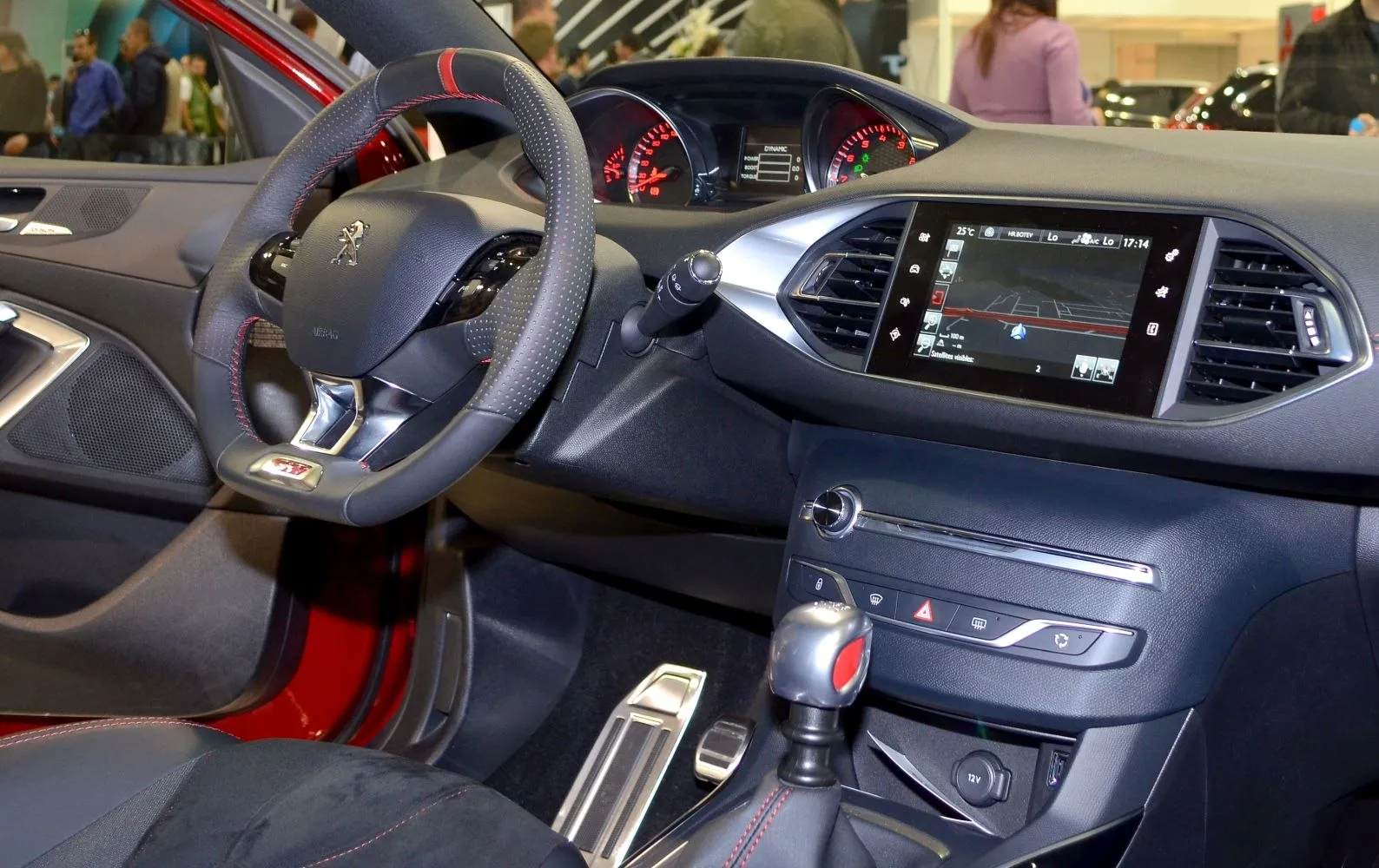
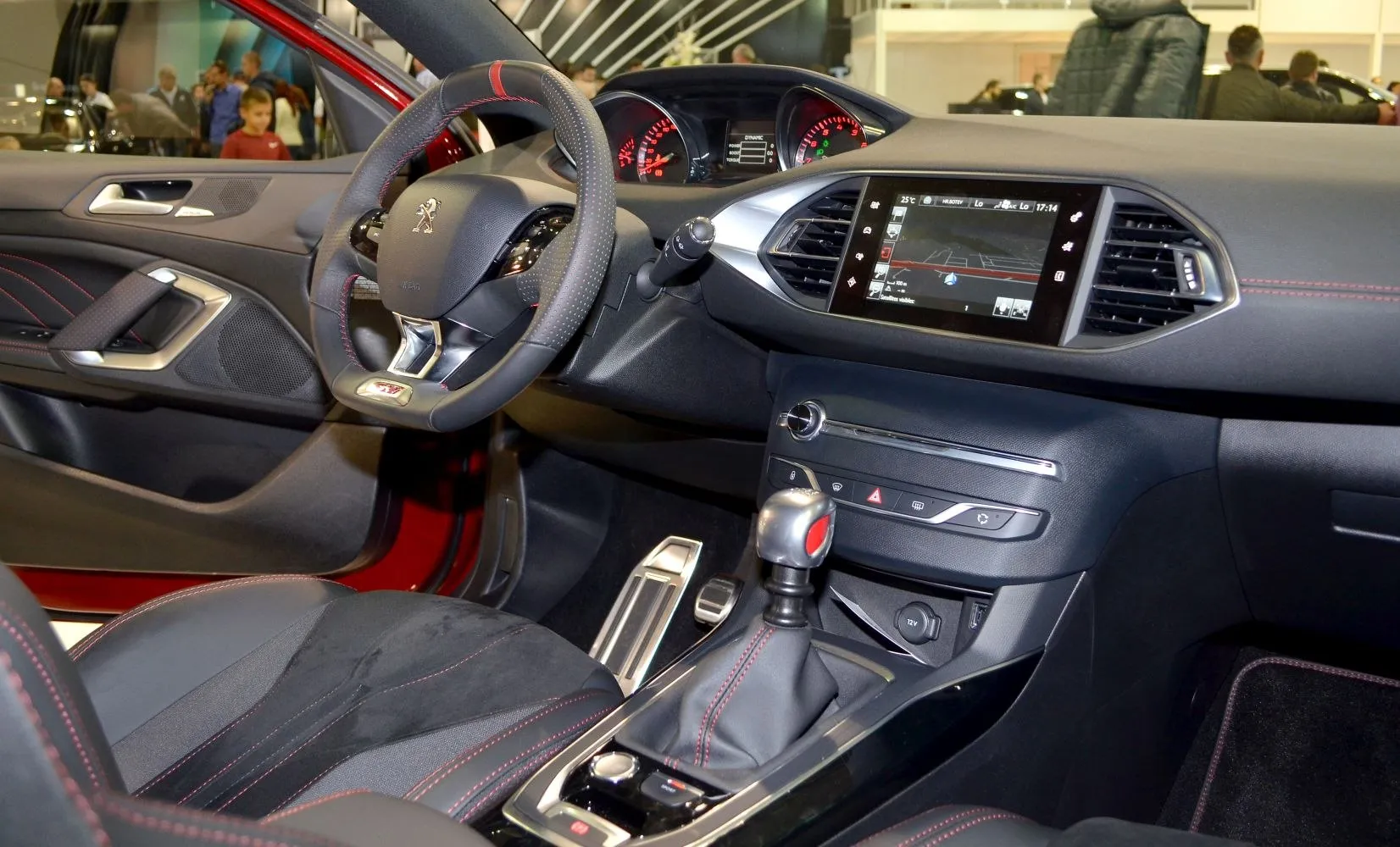
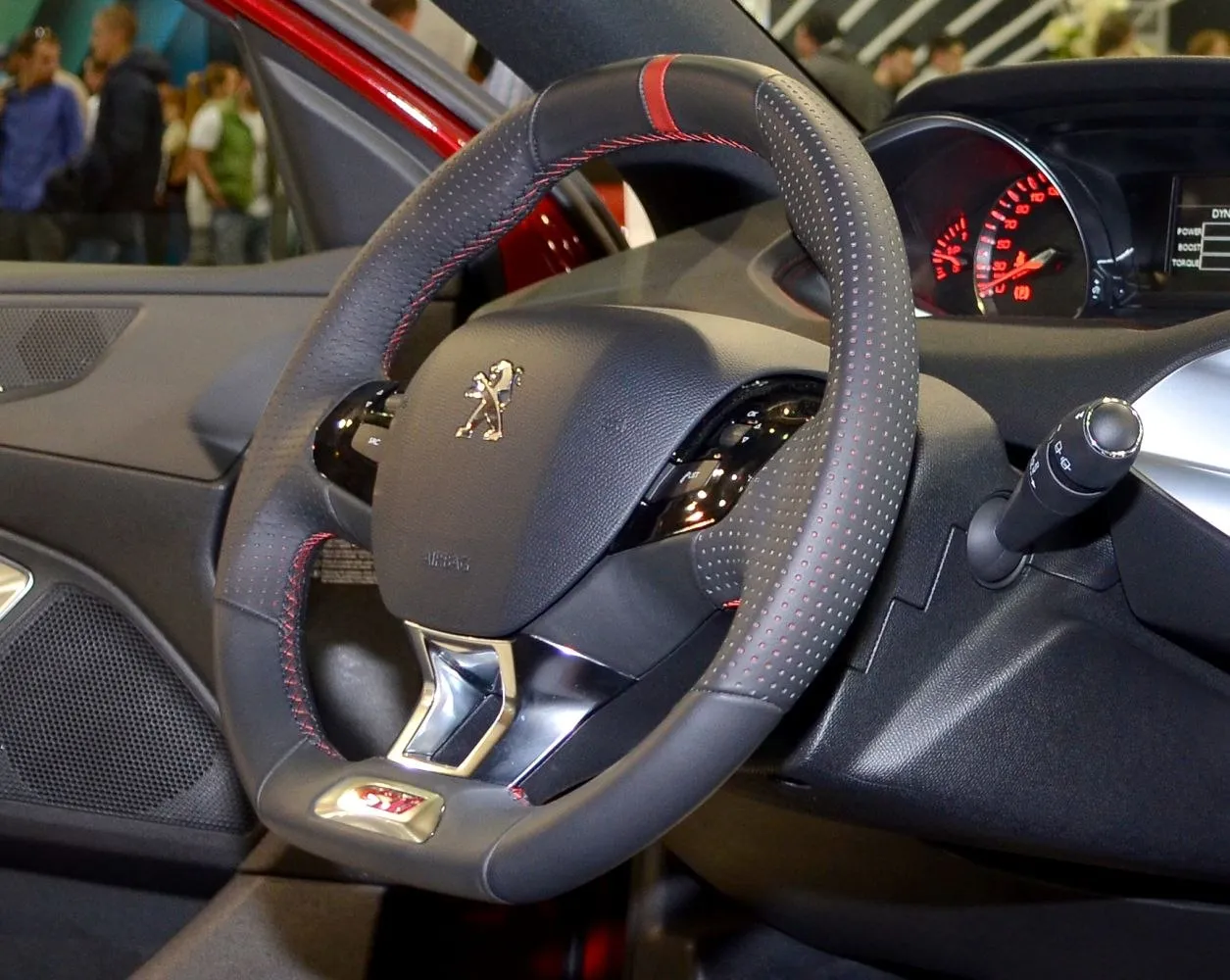
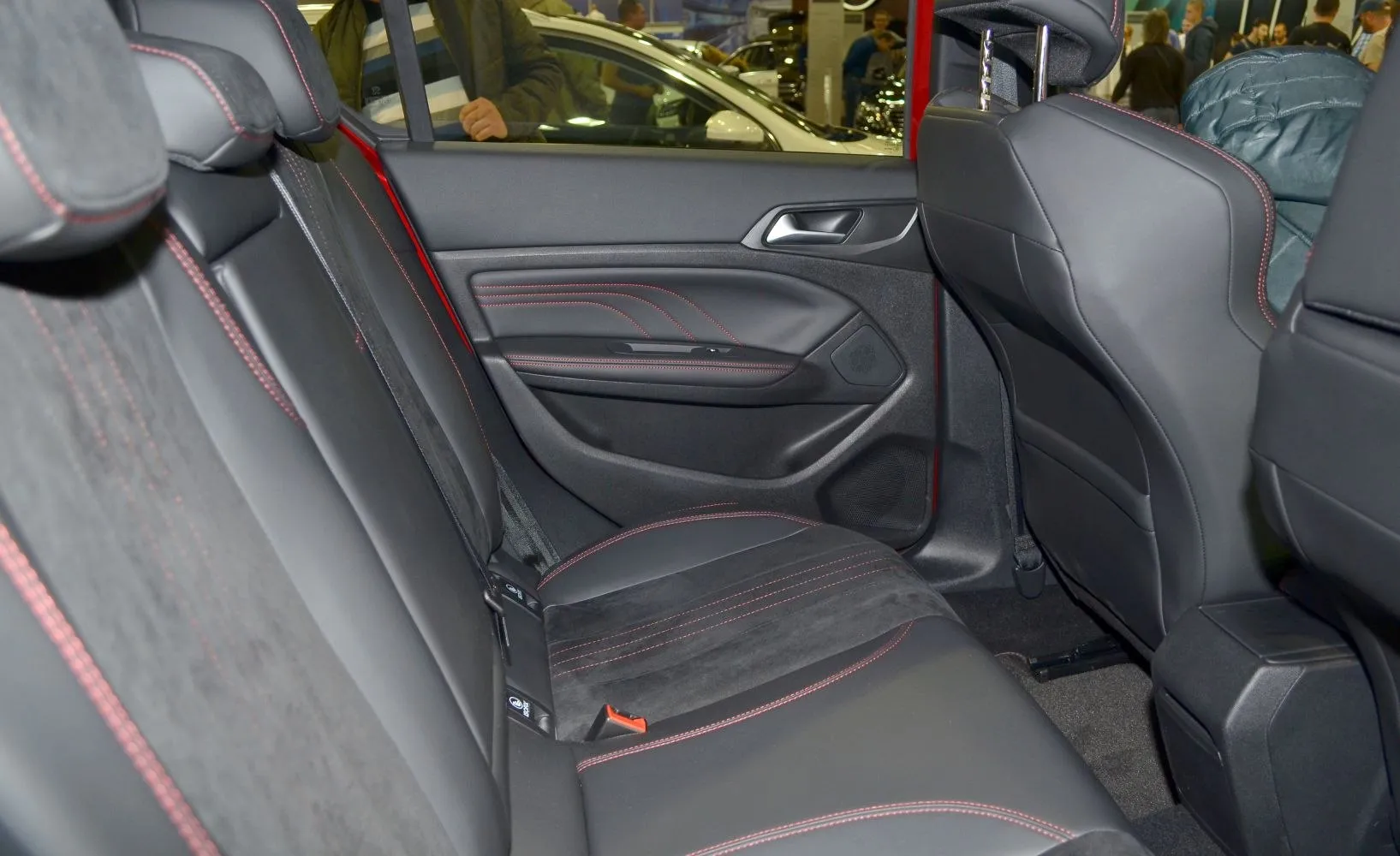
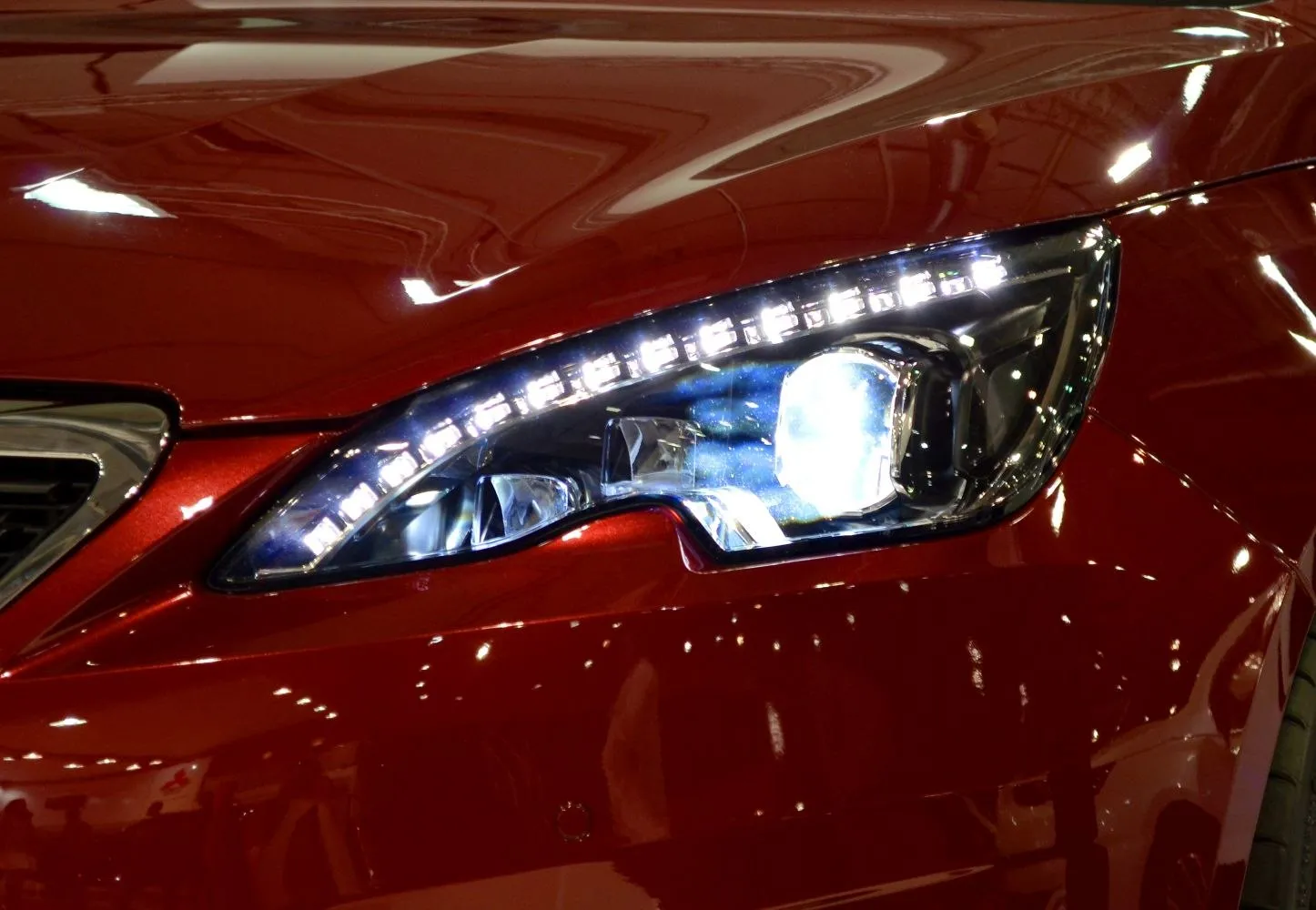
The Peugeot 308 II (Phase I) debuted in 2013 as an elegant hatchback, continuing the French manufacturer's tradition of creating stylish and functional cars. Designed for those who value aesthetics and modern design, the 308 offers seating for five passengers and a quality-focused cabin. The vehicle stands out with its dynamic body lines and contemporary interior, making it an excellent option for young professionals and families seeking a compact yet comfortable car for everyday use.

In terms of engine options, the Peugeot 308 II offers a wide range of both petrol and diesel engines. Power outputs range from 82 to an impressive 270 HP. Petrol variants, such as the 1.2 PureTech (82, 110, and 130 HP), provide excellent fuel efficiency, while the 1.6 THP engines deliver more power for spirited driving. For diesel enthusiasts, the 1.6 and 2.0 BlueHDi units are available, noted for their low fuel consumption. Depending on the variant, the Peugeot 308 II offers both manual and automatic transmissions, supported by advanced technology, and the front-wheel drive ensures appropriate dynamics.

The Peugeot 308 II strikes a satisfactory balance between ride comfort and handling characteristics. Front-wheel drive and well-tuned suspension guarantee stable handling and good traction, especially in urban conditions. The car is agile, making it easy to maneuver in a city environment, while also performing decently on longer journeys. Modern driver assistance systems, such as parking assist, a rearview camera, and adaptive cruise control, greatly enhance the comfort and safety of the journey.

Despite numerous advantages, the Peugeot 308 II is not without its flaws. Known issues may include electronic failures in multimedia systems and some mechanical faults related to the suspension system. Maintenance costs can be higher for versions with more advanced technologies, and some examples may exhibit rapid wear of interior components. Potential buyers should be mindful of these aspects when choosing the right unit.

The Peugeot 308 II stands out in the market with its modern aesthetics, advanced technology, and driving comfort. With a wide range of engines, from economical PureTech units to more dynamic THP options, the vehicle offers something for every driver. Its innovation, functionality, and attractive design make it an appealing choice among compact hatchbacks, surpassing many competitive models in terms of style and equipment.