
Skip to content

Vehicle specifications

Hyundai i30 I (facelift 2010)

Compare all 6 engine versions of the Hyundai i30 i30 I (facelift 2010), then open the technical data for the exact drivetrain and production year.

Vehicle history report

Buying a used Hyundai i30 I (facelift 2010)? Check the history of the exact car

A VIN report can help confirm the exact engine, equipment, mileage records and reported damage before you buy.

What is a VIN?
1 of 6
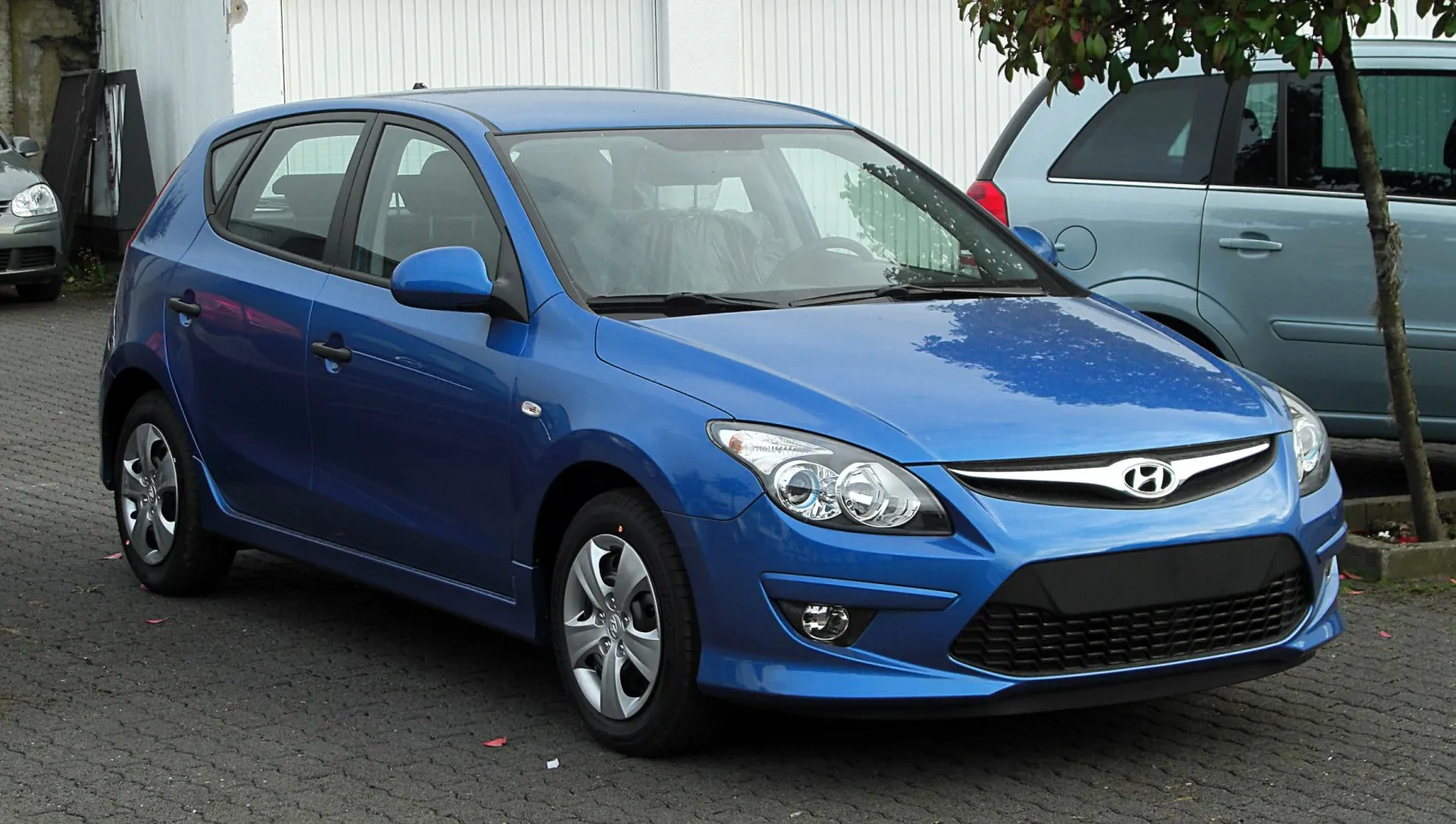
Hyundai i30 i30 I (facelift 2010) View larger
Photo: M 93, Attribution, via Wikimedia Commons

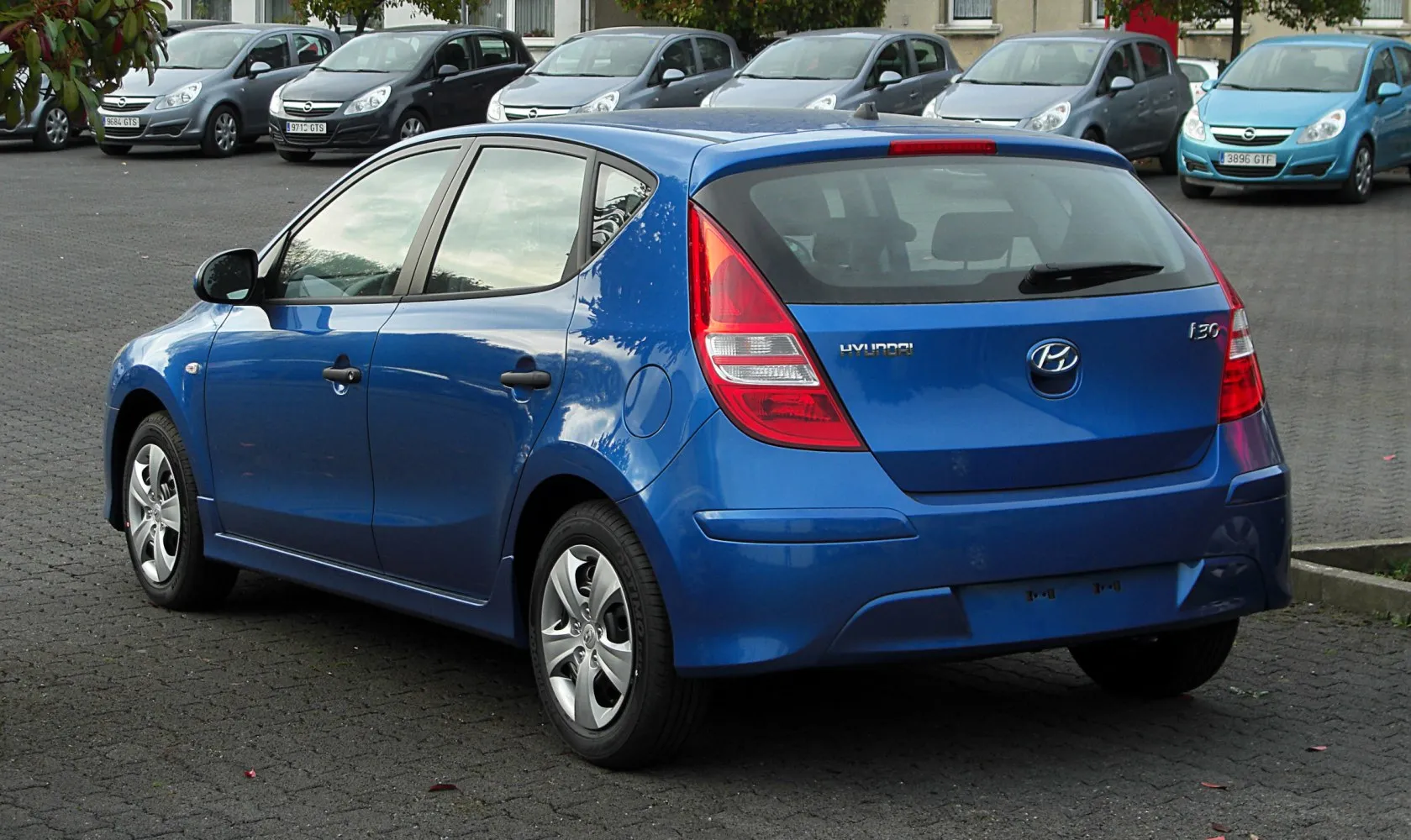
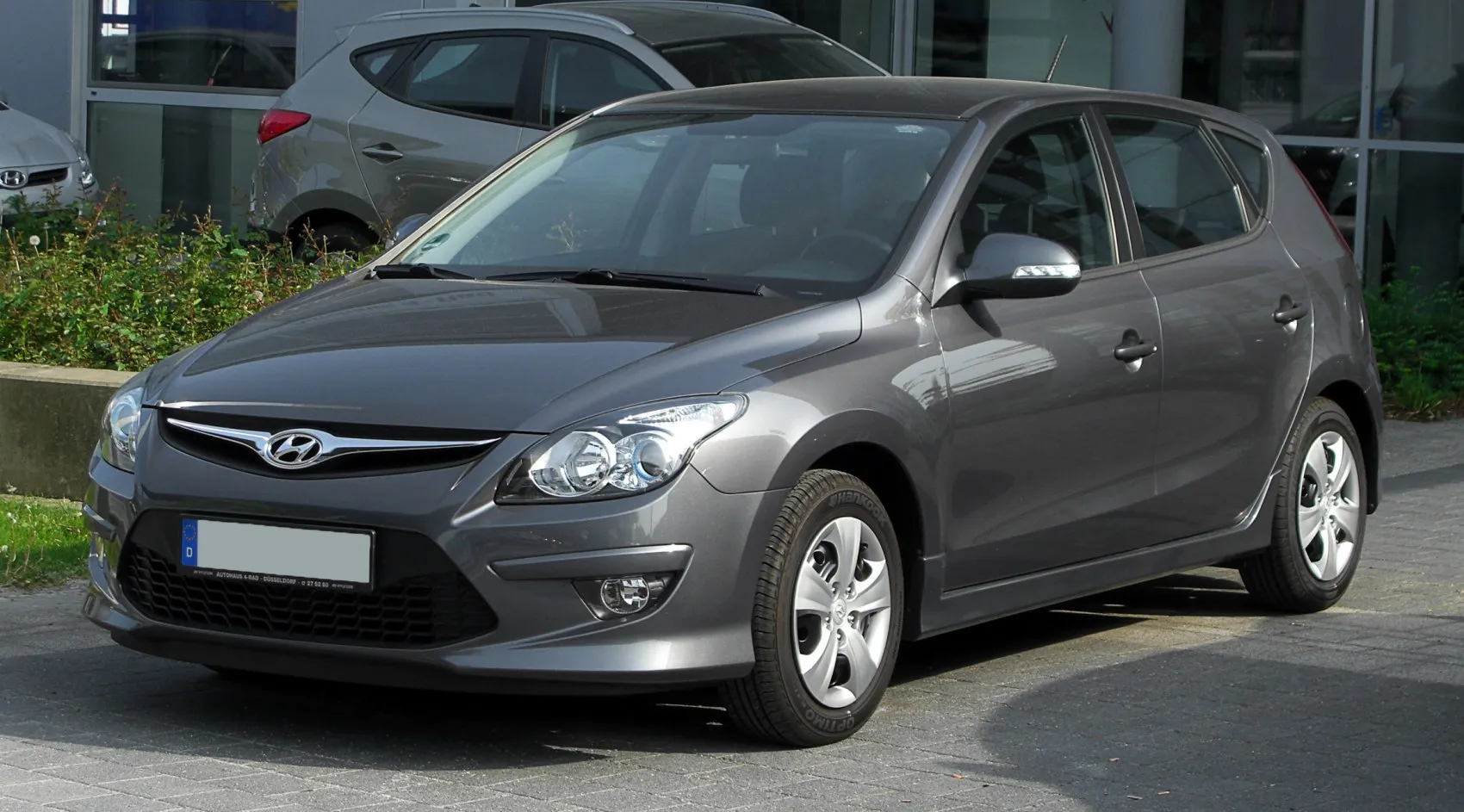
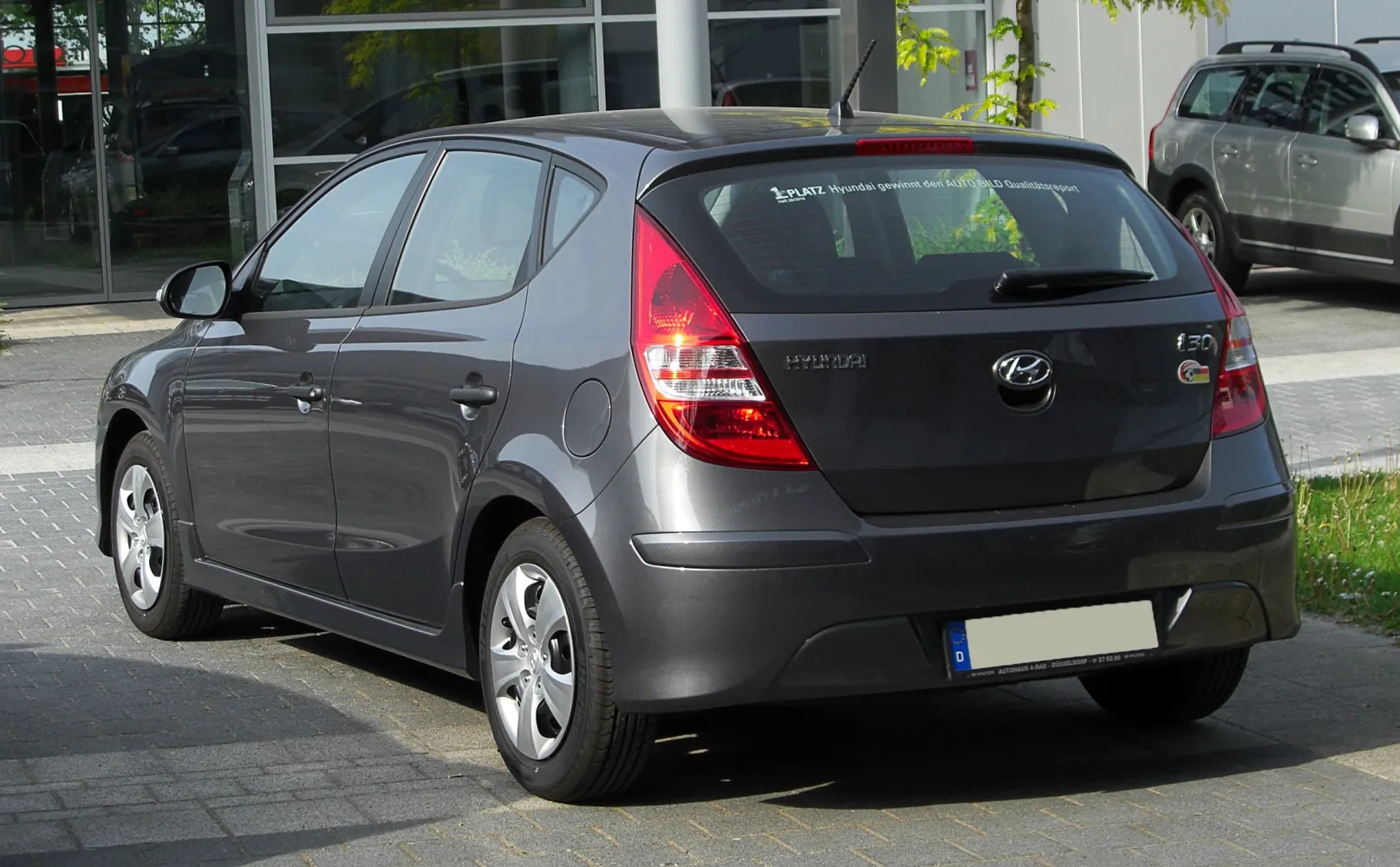
Vehicle gallery

Hyundai i30 i30 I (facelift 2010)

Photo: M 93, Attribution, via Wikimedia Commons

Choose a drivetrain

Engine versions

Select a row to update the key figures and detailed specifications below.

6 versions · 3 Diesel fuel · 3 Gasoline

Engine Fuel Power Production
1.6 CRDi (90 KM) Selected Diesel fuel 90 KM 2010–2012
1.4 (109 KM) Selected Gasoline 109 KM 2010–2012
1.6 (126 KM) Selected Gasoline 126 KM 2010–2012
1.6 (126 KM) Automatic Selected Gasoline 126 KM 2010–2012
1.6 CRDi (116 KM) Selected Diesel fuel 116 KM 2010–2012
1.6 CRDi (116 KM) Automatic Selected Diesel fuel 116 KM 2010–2012

Selected engine version

1.6 CRDi (90 KM)

Diesel fuel · 2010–2012

Engine power
90 KM
Torque
235 Nm
Engine displacement
1,582 cm³
Fuel type
Diesel fuel
Acceleration 0-100 km/h
14.9 s
Maximum speed
172 km/h
On this page
Check vehicle history

Basic version information

Brand
Hyundai
Model
i30
Version
i30 I (facelift 2010)
Engine
1.6 CRDi (90 KM)
Engine type
Combustion engine
Number of doors
5
Start of production
2010
End of production
2012
Body type
Hatchback
Number of seats
5
Fuel type
Diesel fuel

Performance

Maximum speed
172 km/h
Acceleration 0-100 km/h
14.9 s
Fuel consumption - Urban cycle
5 l/100 km
Fuel consumption - Extra-urban cycle
4.1 l/100 km
Fuel consumption - Combined cycle
4.4 l/100 km
Emission standard
Euro 5
CO2 emissions
115 g/km

Engine

Engine model / code
D4FB
Engine position
Front, Transverse
Engine displacement
1582 cm³
Fuel injection system
Diesel common rail
Engine type
Turbocharger, Intercooler
Valvetrain
DOHC
Engine configuration
Inline
Number of cylinders
4
Cylinder bore
77.2 mm
Piston stroke
84.5 mm
Compression ratio
17.3
Number of valves per cylinder
4
Engine oil capacity
5.3 l
Coolant capacity
6.8 l
Power
90 KM @ 4000 obr./min
Torque
235 Nm @ 1750-2500 obr./min

Volume and weight

Fuel tank
53 l
Aerodynamic drag coefficient (Cx)
0.33
Minimum trunk capacity
340 l
Maximum trunk capacity
1250 l
Curb weight
1291 kg
Gross weight
1820 kg
Braked trailer load (12% slope start)
1400 kg
Trailer load without brakes
550 kg

Vehicle dimensions

Length
4280 mm
Width
1775 mm
Height
1480 mm
Wheelbase
2650 mm
Front track
1546 mm
Rear track
1544 mm
Turning circle
10.2 m

Drivetrain, Brakes and suspension

Drive
Front-wheel drive
Number of gears
6
Front brakes
Ventilated disc
Rear brakes
Disc
Steering system
Rack-and-pinion
Tire size
185/65 R15 H
Rim size
15
ABS
yes

Selected engine version

1.4 (109 KM)

Gasoline · 2010–2012

Engine power
109 KM
Torque
137 Nm
Engine displacement
1,396 cm³
Fuel type
Gasoline
Acceleration 0-100 km/h
12.6 s
Maximum speed
187 km/h
On this page
Check vehicle history

Basic version information

Brand
Hyundai
Model
i30
Version
i30 I (facelift 2010)
Engine
1.4 (109 KM)
Engine type
Combustion engine
Number of doors
5
Start of production
2010
End of production
2012
Body type
Hatchback
Number of seats
5
Fuel type
Gasoline

Performance

Maximum speed
187 km/h
Acceleration 0-100 km/h
12.6 s
Fuel consumption - Urban cycle
7.5 l/100 km
Fuel consumption - Extra-urban cycle
5.3 l/100 km
Fuel consumption - Combined cycle
6.1 l/100 km
Emission standard
Euro 5
CO2 emissions
142 g/km

Engine

Engine model / code
G4FA
Engine position
Front, Transverse
Engine displacement
1396 cm³
Fuel injection system
Multi-point injection
Engine type
Naturally aspirated engine
Valvetrain
DOHC
Engine configuration
Inline
Number of cylinders
4
Cylinder bore
77 mm
Piston stroke
75 mm
Compression ratio
10.5
Number of valves per cylinder
4
Engine oil capacity
3.3 l
Power
109 KM @ 6200 obr./min
Torque
137 Nm @ 5000 obr./min

Volume and weight

Fuel tank
53 l
Aerodynamic drag coefficient (Cx)
0.33
Minimum trunk capacity
340 l
Maximum trunk capacity
1250 l
Curb weight
1193 kg
Gross weight
1720 kg
Braked trailer load (12% slope start)
1200 kg
Trailer load without brakes
550 kg

Vehicle dimensions

Length
4280 mm
Width
1775 mm
Height
1480 mm
Wheelbase
2650 mm
Front track
1546 mm
Rear track
1544 mm
Turning circle
10.2 m

Drivetrain, Brakes and suspension

Drive
Front-wheel drive
Number of gears
5
Front brakes
Ventilated disc
Rear brakes
Disc
Steering system
Rack-and-pinion
Tire size
185/65 R15 H
Rim size
15
ABS
yes

Selected engine version

1.6 (126 KM)

Gasoline · 2010–2012

Engine power
126 KM
Torque
154 Nm
Engine displacement
1,591 cm³
Fuel type
Gasoline
Acceleration 0-100 km/h
11.1 s
Maximum speed
192 km/h
On this page
Check vehicle history

Basic version information

Brand
Hyundai
Model
i30
Version
i30 I (facelift 2010)
Engine
1.6 (126 KM)
Engine type
Combustion engine
Number of doors
5
Start of production
2010
End of production
2012
Body type
Hatchback
Number of seats
5
Fuel type
Gasoline

Performance

Maximum speed
192 km/h
Acceleration 0-100 km/h
11.1 s
Fuel consumption - Urban cycle
8 l/100 km
Fuel consumption - Extra-urban cycle
5.5 l/100 km
Fuel consumption - Combined cycle
6.5 l/100 km
Emission standard
Euro 5
CO2 emissions
152 g/km

Engine

Engine model / code
G4FC
Engine position
Front, Transverse
Engine displacement
1591 cm³
Fuel injection system
Multi-point injection
Engine type
Naturally aspirated engine
Valvetrain
DOHC
Engine configuration
Inline
Number of cylinders
4
Cylinder bore
77 mm
Piston stroke
85.4 mm
Compression ratio
10.5
Number of valves per cylinder
4
Engine oil capacity
3.3 l
Coolant capacity
6 l
Power
126 KM @ 6200 obr./min
Torque
154 Nm @ 4200 obr./min

Volume and weight

Fuel tank
53 l
Aerodynamic drag coefficient (Cx)
0.33
Minimum trunk capacity
340 l
Maximum trunk capacity
1250 l
Curb weight
1193 kg
Gross weight
1720 kg
Braked trailer load (12% slope start)
1200 kg
Trailer load without brakes
550 kg

Vehicle dimensions

Length
4280 mm
Width
1775 mm
Height
1480 mm
Wheelbase
2650 mm
Front track
1546 mm
Rear track
1544 mm
Turning circle
10.2 m

Drivetrain, Brakes and suspension

Drive
Front-wheel drive
Number of gears
6
Front brakes
Ventilated disc
Rear brakes
Disc
Steering system
Rack-and-pinion
Tire size
185/65 R15 H
Rim size
15
ABS
yes

Selected engine version

1.6 (126 KM) Automatic

Gasoline · 2010–2012

Engine power
126 KM
Torque
154 Nm
Engine displacement
1,591 cm³
Fuel type
Gasoline
Acceleration 0-100 km/h
12.1 s
Maximum speed
183 km/h
On this page
Check vehicle history

Basic version information

Brand
Hyundai
Model
i30
Version
i30 I (facelift 2010)
Engine
1.6 (126 KM) Automatic
Engine type
Combustion engine
Number of doors
5
Start of production
2010
End of production
2012
Body type
Hatchback
Number of seats
5
Fuel type
Gasoline

Performance

Maximum speed
183 km/h
Acceleration 0-100 km/h
12.1 s
Fuel consumption - Urban cycle
8.8 l/100 km
Fuel consumption - Extra-urban cycle
5.9 l/100 km
Fuel consumption - Combined cycle
6.9 l/100 km
Emission standard
Euro 5
CO2 emissions
162 g/km

Engine

Engine model / code
G4FC
Engine position
Front, Transverse
Engine displacement
1591 cm³
Fuel injection system
Multi-point injection
Engine type
Naturally aspirated engine
Valvetrain
DOHC
Engine configuration
Inline
Number of cylinders
4
Cylinder bore
77 mm
Piston stroke
85.4 mm
Compression ratio
10.5
Number of valves per cylinder
4
Engine oil capacity
3.3 l
Coolant capacity
6 l
Power
126 KM @ 6200 obr./min
Torque
154 Nm @ 4200 obr./min

Volume and weight

Fuel tank
53 l
Aerodynamic drag coefficient (Cx)
0.33
Minimum trunk capacity
340 l
Maximum trunk capacity
1250 l
Curb weight
1214 kg
Gross weight
1740 kg
Braked trailer load (12% slope start)
1200 kg
Trailer load without brakes
550 kg

Vehicle dimensions

Length
4280 mm
Width
1775 mm
Height
1480 mm
Wheelbase
2650 mm
Front track
1546 mm
Rear track
1544 mm
Turning circle
10.2 m

Drivetrain, Brakes and suspension

Drive
Front-wheel drive
Number of gears
4
Front brakes
Ventilated disc
Rear brakes
Disc
Steering system
Rack-and-pinion
Tire size
185/65 R15 H
Rim size
15
ABS
yes

Selected engine version

1.6 CRDi (116 KM)

Diesel fuel · 2010–2012

Engine power
116 KM
Torque
255 Nm
Engine displacement
1,582 cm³
Fuel type
Diesel fuel
Acceleration 0-100 km/h
11.6 s
Maximum speed
188 km/h
On this page
Check vehicle history

Basic version information

Brand
Hyundai
Model
i30
Version
i30 I (facelift 2010)
Engine
1.6 CRDi (116 KM)
Engine type
Combustion engine
Number of doors
5
Start of production
2010
End of production
2012
Body type
Hatchback
Number of seats
5
Fuel type
Diesel fuel

Performance

Maximum speed
188 km/h
Acceleration 0-100 km/h
11.6 s
Fuel consumption - Urban cycle
5.3 l/100 km
Fuel consumption - Extra-urban cycle
4.1 l/100 km
Fuel consumption - Combined cycle
4.5 l/100 km
Emission standard
Euro 5
CO2 emissions
119 g/km

Engine

Engine model / code
D4FB
Engine position
Front, Transverse
Engine displacement
1582 cm³
Fuel injection system
Diesel common rail
Engine type
Turbocharger, Intercooler
Valvetrain
DOHC
Engine configuration
Inline
Number of cylinders
4
Cylinder bore
77.2 mm
Piston stroke
84.5 mm
Compression ratio
17.3
Number of valves per cylinder
4
Engine oil capacity
5.3 l
Coolant capacity
6.8 l
Power
116 KM @ 4000 obr./min
Torque
255 Nm @ 1900-2750 obr./min

Volume and weight

Fuel tank
53 l
Aerodynamic drag coefficient (Cx)
0.33
Minimum trunk capacity
340 l
Maximum trunk capacity
1250 l
Curb weight
1291 kg
Gross weight
1820 kg
Braked trailer load (12% slope start)
1400 kg
Trailer load without brakes
550 kg

Vehicle dimensions

Length
4280 mm
Width
1775 mm
Height
1480 mm
Wheelbase
2650 mm
Front track
1546 mm
Rear track
1544 mm
Turning circle
10.2 m

Drivetrain, Brakes and suspension

Drive
Front-wheel drive
Number of gears
6
Front brakes
Ventilated disc
Rear brakes
Disc
Steering system
Rack-and-pinion
Tire size
185/65 R15 H
Rim size
15
ABS
yes

Selected engine version

1.6 CRDi (116 KM) Automatic

Diesel fuel · 2010–2012

Engine power
116 KM
Torque
255 Nm
Engine displacement
1,582 cm³
Fuel type
Diesel fuel
Acceleration 0-100 km/h
12.8 s
Maximum speed
180 km/h
On this page
Check vehicle history

Basic version information

Brand
Hyundai
Model
i30
Version
i30 I (facelift 2010)
Engine
1.6 CRDi (116 KM) Automatic
Engine type
Combustion engine
Number of doors
5
Start of production
2010
End of production
2012
Body type
Hatchback
Number of seats
5
Fuel type
Diesel fuel

Performance

Maximum speed
180 km/h
Acceleration 0-100 km/h
12.8 s
Fuel consumption - Urban cycle
7 l/100 km
Fuel consumption - Extra-urban cycle
5 l/100 km
Fuel consumption - Combined cycle
5.7 l/100 km
Emission standard
Euro 5
CO2 emissions
150 g/km

Engine

Engine model / code
D4FB
Engine position
Front, Transverse
Engine displacement
1582 cm³
Fuel injection system
Diesel common rail
Engine type
Turbocharger, Intercooler
Valvetrain
DOHC
Engine configuration
Inline
Number of cylinders
4
Cylinder bore
77.2 mm
Piston stroke
84.5 mm
Compression ratio
17.3
Number of valves per cylinder
4
Engine oil capacity
5.3 l
Coolant capacity
6.8 l
Power
116 KM @ 4000 obr./min
Torque
255 Nm @ 1900-2750 obr./min

Volume and weight

Fuel tank
53 l
Aerodynamic drag coefficient (Cx)
0.33
Minimum trunk capacity
340 l
Maximum trunk capacity
1250 l
Curb weight
1298 kg
Gross weight
1840 kg
Braked trailer load (12% slope start)
1300 kg
Trailer load without brakes
550 kg

Vehicle dimensions

Length
4280 mm
Width
1775 mm
Height
1480 mm
Wheelbase
2650 mm
Front track
1546 mm
Rear track
1544 mm
Turning circle
10.2 m

Drivetrain, Brakes and suspension

Drive
Front-wheel drive
Number of gears
4
Front brakes
Ventilated disc
Rear brakes
Disc
Steering system
Rack-and-pinion
Tire size
185/65 R15 H
Rim size
15
ABS
yes

About Hyundai i30 i30 I (facelift 2010)

The Hyundai i30 I (facelift 2010) is a compact hatchback that gained popularity thanks to its versatility and attractive design. Produced from 2010 to 2012, it offers a five-door body with seating for five passengers. Its stylish appearance and functional solutions make it an ideal choice for those looking for a small car for everyday driving, suitable for both city use and longer trips. With a harmonious blend of modern style and practicality, the i30 appeals to both young drivers and families with children.

The model offers a variety of engine options, including units powered by petrol and diesel. The weakest engine, a 1.4 with 109 hp, is aimed at those who value fuel efficiency, while the strongest unit is a 1.6 with 126 hp, also available with an automatic transmission. For diesel enthusiasts, there are 1.6 CRDi engines ranging from 90 to 116 hp, also with an automatic transmission option. Manual gearboxes provide control over the dynamics, while automatic versions offer convenience and smooth driving.

The Hyundai i30 I features front-wheel drive, ensuring stability and good traction. Its suspension is designed to provide comfortable everyday driving while effectively handling road irregularities. The car is characterized by agility, making parking and maneuvering in tight urban spaces easier. Equipped with supportive systems such as ABS and ESP, it ensures safe travel both in the city and on the highway.

Like any model, the Hyundai i30 I has its drawbacks. Users report issues with electronics, including occasional air conditioning or radio failures. Some specimens may also experience minor problems with the suspension system, particularly after high mileage. While servicing costs are generally moderate, they can be higher for diesel engines due to more complicated technology and the need for regular maintenance.

The Hyundai i30 I (facelift 2010) is an attractive proposition in the compact segment, offering a balanced quality-to-price ratio. Its modern design, economical and dynamic power units, along with practical technological solutions, make it stand out against the competition. It is an ideal choice for those seeking a versatile, comfortable, and reliable car for daily use.