
Skip to content

Vehicle specifications

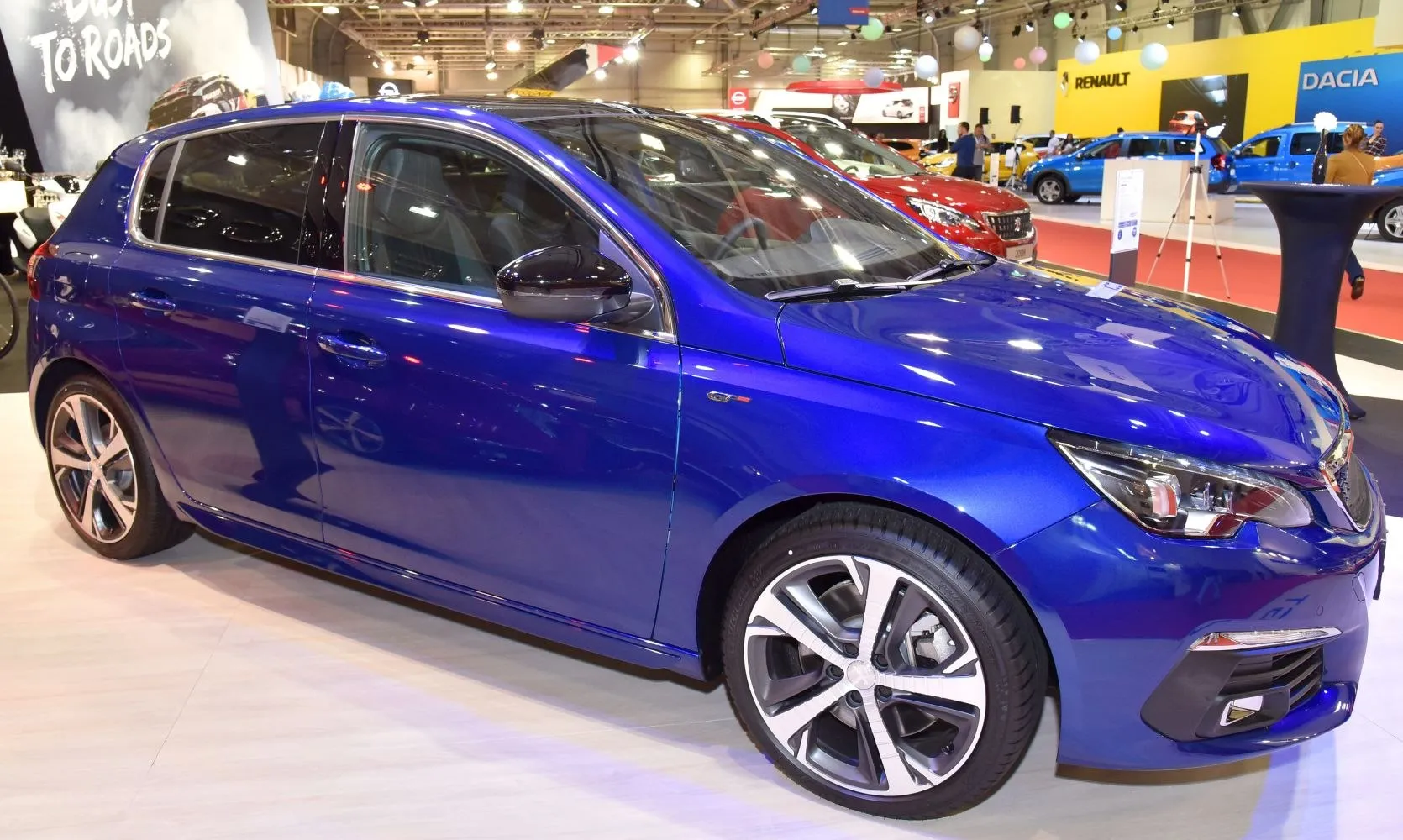
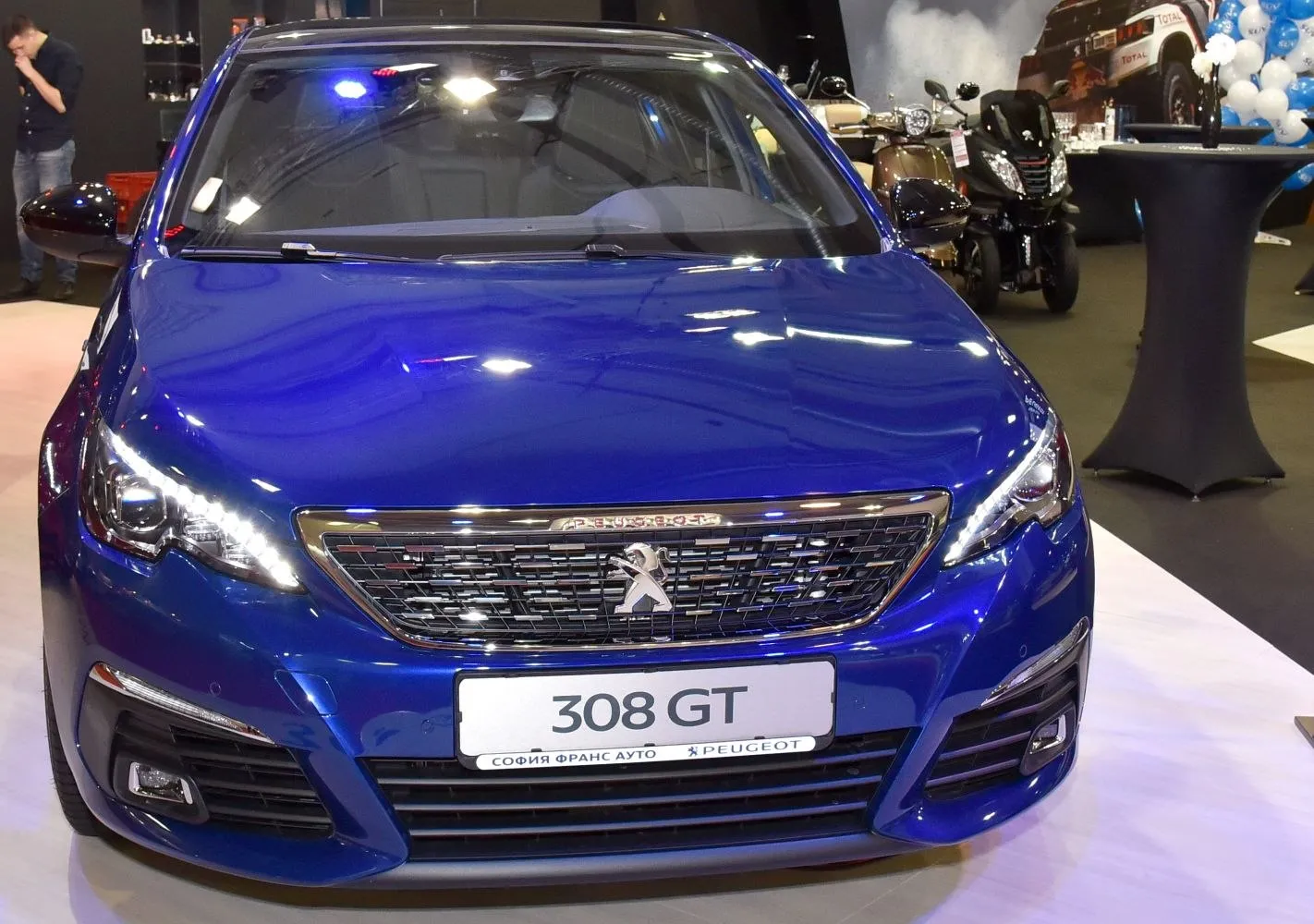
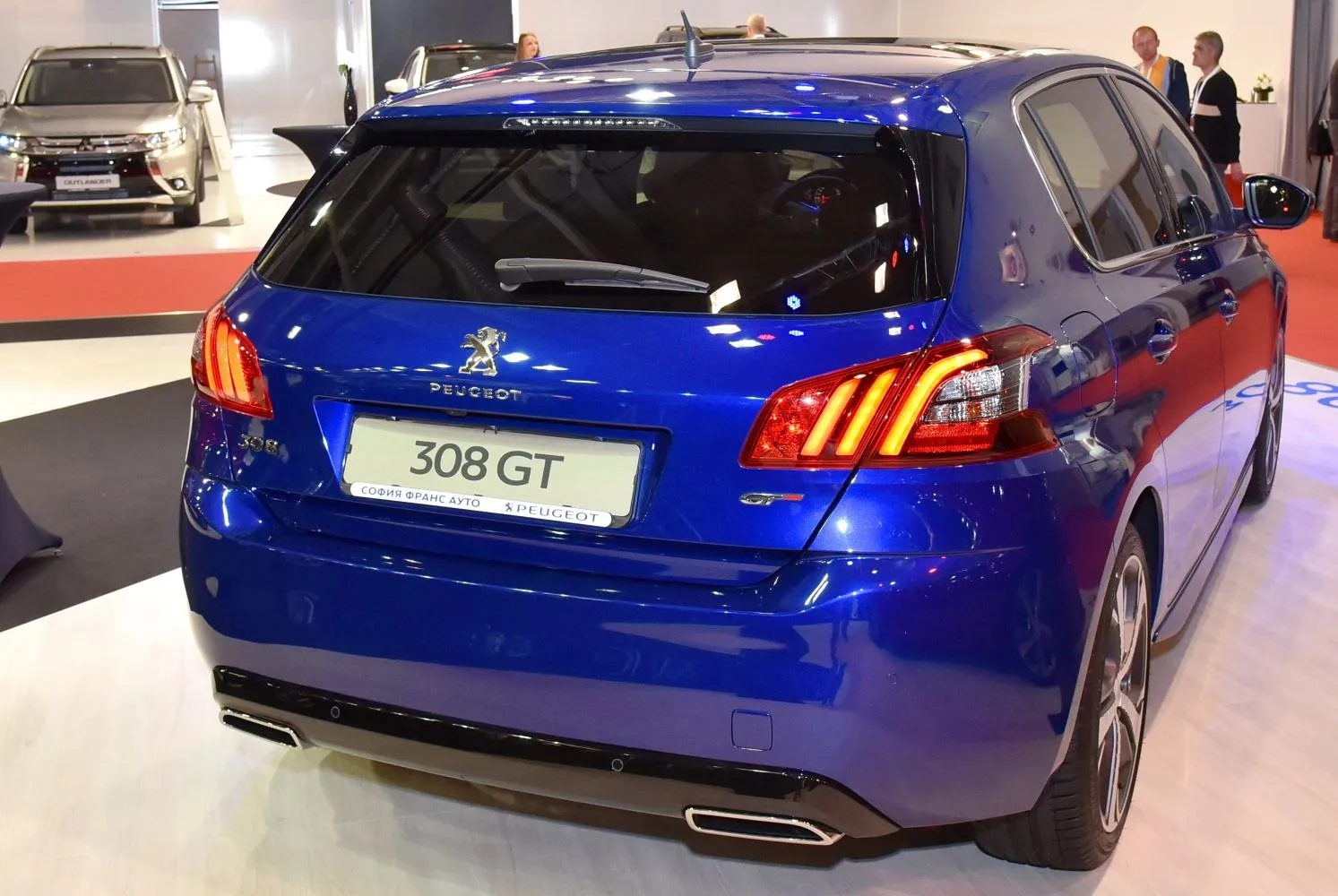
Peugeot 308 II (Phase II, 2017)

Compare all 20 engine versions of the Peugeot 308 308 II (Phase II, 2017), then open the technical data for the exact drivetrain and production year.

Vehicle history report

Buying a used Peugeot 308 II (Phase II, 2017)? Check the history of the exact car

A VIN report can help confirm the exact engine, equipment, mileage records and reported damage before you buy.

What is a VIN?
1 of 9
Peugeot 308 308 II (Phase II, 2017) View larger
Photo: © www.Auto-Data.net

Vehicle gallery

Peugeot 308 308 II (Phase II, 2017)

Photo: © www.Auto-Data.net

Choose a drivetrain

Engine versions

Select a row to update the key figures and detailed specifications below.

20 versions · 10 Gasoline · 10 Diesel fuel

Engine Fuel Power Production
1.2 PureTech (130 KM) Automatic Selected Gasoline 130 KM 2017–2018
GT 1.6 THP (205 KM) Selected Gasoline 205 KM 2017
1.2 PureTech (110 KM) Selected Gasoline 110 KM 2017–2018
1.6 BlueHDi (120 KM) Automatic Selected Diesel fuel 120 KM 2017–2018
1.2 PureTech (130 KM) Selected Gasoline 130 KM 2017–2018
1.6 BlueHDi (99 KM) Selected Diesel fuel 99 KM 2017–2018
1.6 BlueHDi (120 KM) Selected Diesel fuel 120 KM 2017–2018
2.0 BlueHDi (150 KM) Selected Diesel fuel 150 KM 2017–2018
2.0 BlueHDi (150 KM) Automatic Selected Diesel fuel 150 KM 2017–2018
GTi 1.6 THP (270 KM) Selected Gasoline 270 KM 2017–2018
GT 2.0 BlueHDi (180 KM) Automatic Selected Diesel fuel 180 KM 2017–2018
1.5 BlueHDi (102 KM) Selected Diesel fuel 102 KM 2018–2020
1.5 BlueHDi (130 KM) Selected Diesel fuel 130 KM 2018–2021
1.5 BlueHDi (130 KM) Automatic Selected Diesel fuel 130 KM 2018–2021
2.0 BlueHDi (177 KM) Automatic Selected Diesel fuel 177 KM 2018–2020
1.2 PureTech (110 KM) Selected Gasoline 110 KM 2018–2021
1.2 PureTech (130 KM) Selected Gasoline 130 KM 2018–2021
1.2 PureTech (130 KM) Automatic Selected Gasoline 130 KM 2018–2021
1.6 PureTech (225 KM) Automatic Selected Gasoline 225 KM 2018–2019
GTi 1.6 PureTech (263 KM) Selected Gasoline 263 KM 2018–2019

Selected engine version

1.2 PureTech (130 KM) Automatic

Gasoline · 2017–2018

Engine power
130 KM
Torque
230 Nm
Engine displacement
1,199 cm³
Fuel type
Gasoline
Acceleration 0-100 km/h
9.1 s
Maximum speed
200 km/h
On this page
Check vehicle history

Basic version information

Brand
Peugeot
Model
308
Version
308 II (Phase II, 2017)
Engine
1.2 PureTech (130 KM) Automatic
Engine type
Combustion engine
Number of doors
5
Start of production
2017
End of production
2018
Body type
Hatchback
Number of seats
5
Fuel type
Gasoline

Performance

Maximum speed
200 km/h
Acceleration 0-100 km/h
9.1 s
Fuel consumption - Urban cycle
5.6-5.9 l/100 km
Fuel consumption - Extra-urban cycle
4.0-4.3 l/100 km
Fuel consumption - Combined cycle
4.5-4.9 l/100 km
Emission standard
Euro 6
CO2 emissions
106-112 g/km

Engine

Engine model / code
HNWEB2DTS
Engine position
Front, Transverse
Engine displacement
1199 cm³
Fuel injection system
Direct injection
Engine type
Turbocharger, Intercooler
Engine configuration
Inline
Number of cylinders
3
Number of valves per cylinder
4
Engine oil capacity
3.5 l
Power
130 KM @ 5500 obr./min
Torque
230 Nm @ 1750 obr./min

Volume and weight

Fuel tank
52.5 l
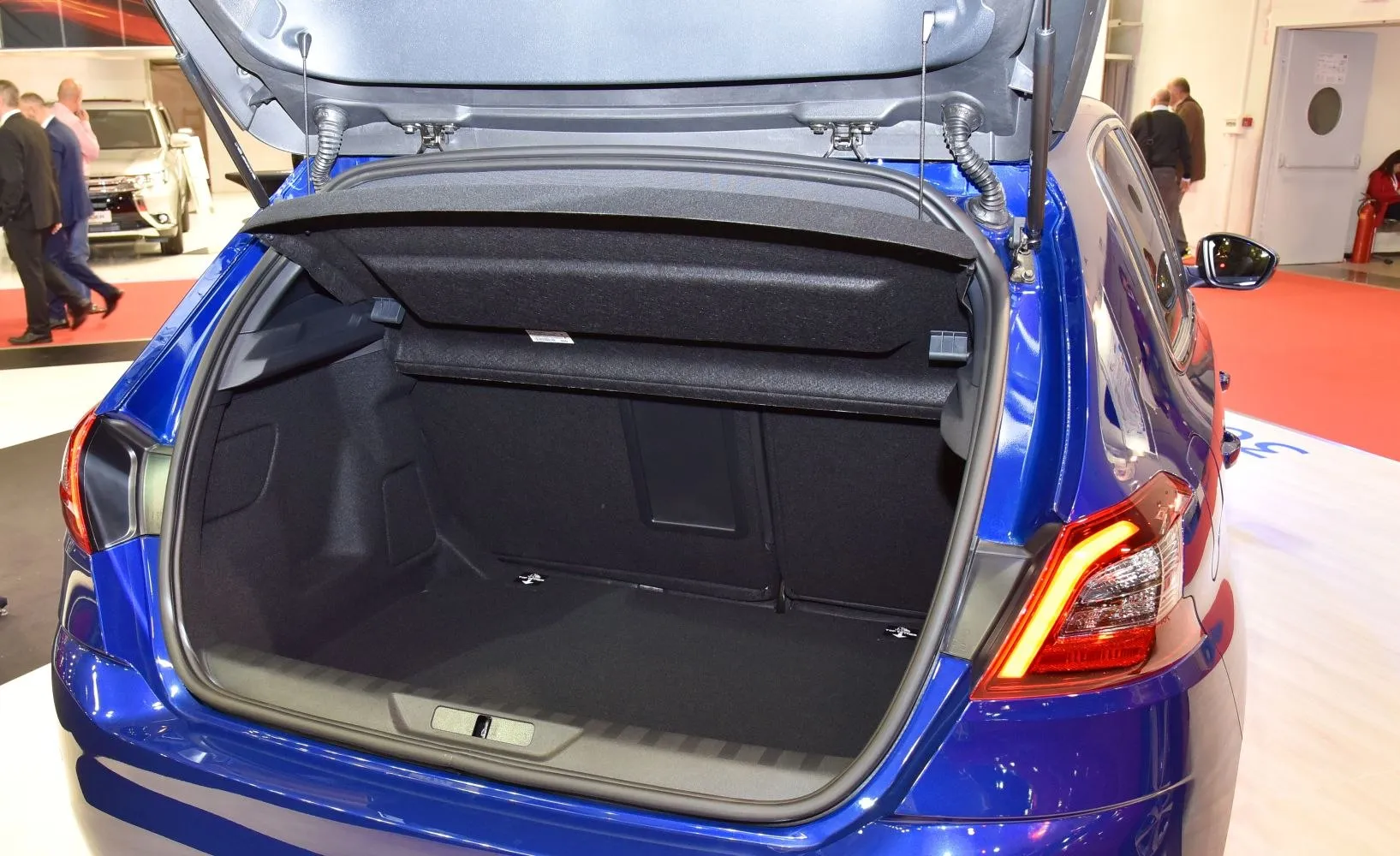
Minimum trunk capacity
420 l
Maximum trunk capacity
1228 l
Curb weight
1150-1369 kg
Gross weight
1770 kg
Roof load
80 kg
Braked trailer load (12% slope start)
1200 kg
Trailer load without brakes
610 kg
Trailer nose weight
75 kg

Vehicle dimensions

Length
4253 mm
Width
1804 mm
Width with unfolded mirrors
2043 mm
Height
1457 mm
Wheelbase
2620 mm
Front track
1559 mm
Rear track
1553 mm
Front overhang
863 mm
Rear overhang
770 mm
Turning circle
10.4 m

Drivetrain, Brakes and suspension

Drive
Front-wheel drive
Number of gears
6
Front suspension
Independent McPherson type
Rear suspension
Semi-independent spring suspension, Torsion beam
Front brakes
Ventilated disc
Rear brakes
Disc
Steering system
Rack-and-pinion
Power steering
Electric power steering
Tire size
205/55 R16 88H; 225/45 R17 88H; 225/40 R18 88H
Rim size
16; 17; 18
ABS
yes

Selected engine version

GT 1.6 THP (205 KM)

Gasoline · 2017

Engine power
205 KM
Torque
285 Nm
Engine displacement
1,598 cm³
Fuel type
Gasoline
Acceleration 0-100 km/h
7.5 s
Maximum speed
235 km/h
On this page
Check vehicle history

Basic version information

Brand
Peugeot
Model
308
Version
308 II (Phase II, 2017)
Engine
GT 1.6 THP (205 KM)
Engine type
Combustion engine
Number of doors
5
Start of production
2017
End of production
2017
Body type
Hatchback
Number of seats
5
Fuel type
Gasoline

Performance

Maximum speed
235 km/h
Acceleration 0-100 km/h
7.5 s
Fuel consumption - Urban cycle
7.4 l/100 km
Fuel consumption - Extra-urban cycle
4.6 l/100 km
Fuel consumption - Combined cycle
5.6 l/100 km
Emission standard
Euro 6
CO2 emissions
130 g/km

Engine

Engine model / code
5GTEP6FDTX
Engine position
Front, Transverse
Engine displacement
1598 cm³
Fuel injection system
Direct injection
Engine type
Turbocharger, Intercooler
Engine configuration
Inline
Number of cylinders
4
Number of valves per cylinder
4
Engine oil capacity
4.25 l
Power
205 KM @ 6000 obr./min
Torque
285 Nm @ 1750 obr./min

Volume and weight

Fuel tank
52.5 l
Minimum trunk capacity
420 l
Maximum trunk capacity
1228 l
Curb weight
1200-1406 kg
Gross weight
1790 kg
Roof load
80 kg
Braked trailer load (12% slope start)
1400 kg
Trailer load without brakes
635 kg
Trailer nose weight
75 kg

Vehicle dimensions

Length
4253 mm
Width
1804 mm
Width with unfolded mirrors
2043 mm
Height
1457 mm
Wheelbase
2620 mm
Front track
1559 mm
Rear track
1553 mm
Front overhang
863 mm
Rear overhang
770 mm
Turning circle
10.4 m

Drivetrain, Brakes and suspension

Drive
Front-wheel drive
Number of gears
6
Front suspension
Independent McPherson type
Rear suspension
Semi-independent spring suspension, Torsion beam
Front brakes
Ventilated disc
Rear brakes
Disc
Steering system
Rack-and-pinion
Power steering
Electric power steering
Tire size
225/40 R18 91V
Rim size
18
ABS
yes

Selected engine version

1.2 PureTech (110 KM)

Gasoline · 2017–2018

Engine power
110 KM
Torque
205 Nm
Engine displacement
1,199 cm³
Fuel type
Gasoline
Acceleration 0-100 km/h
11.1 s
Maximum speed
188 km/h
On this page
Check vehicle history

Basic version information

Brand
Peugeot
Model
308
Version
308 II (Phase II, 2017)
Engine
1.2 PureTech (110 KM)
Engine type
Combustion engine
Number of doors
5
Start of production
2017
End of production
2018
Body type
Hatchback
Number of seats
5
Fuel type
Gasoline

Performance

Maximum speed
188 km/h
Acceleration 0-100 km/h
11.1 s
Fuel consumption - Urban cycle
5.8 l/100 km
Fuel consumption - Extra-urban cycle
3.9-4.0 l/100 km
Fuel consumption - Combined cycle
4.6 l/100 km
Emission standard
Euro 6
CO2 emissions
105-107 g/km

Engine

Engine model / code
EB2DT
Engine position
Front, Transverse
Engine displacement
1199 cm³
Fuel injection system
Direct injection
Engine type
Turbocharger, Intercooler
Engine configuration
Inline
Number of cylinders
3
Number of valves per cylinder
4
Engine oil capacity
3.5 l
Power
110 KM @ 5500 obr./min
Torque
205 Nm @ 1500 obr./min

Volume and weight

Fuel tank
52.5 l
Minimum trunk capacity
420 l
Maximum trunk capacity
1228 l
Curb weight
1080-1313 kg
Gross weight
1720 kg
Roof load
80 kg
Braked trailer load (12% slope start)
1200 kg
Trailer load without brakes
575 kg
Trailer nose weight
75 kg

Vehicle dimensions

Length
4253 mm
Width
1804 mm
Width with unfolded mirrors
2043 mm
Height
1457 mm
Wheelbase
2620 mm
Front track
1559 mm
Rear track
1553 mm
Front overhang
863 mm
Rear overhang
770 mm
Turning circle
10.4 m

Drivetrain, Brakes and suspension

Drive
Front-wheel drive
Number of gears
5
Front suspension
Independent McPherson type
Rear suspension
Semi-independent spring suspension, Torsion beam
Front brakes
Ventilated disc
Rear brakes
Disc
Steering system
Rack-and-pinion
Power steering
Electric power steering
Tire size
195/65 R15 88H; 205/55 R16 88H; 225/45 R17 88H
Rim size
15; 16; 17
ABS
yes

Selected engine version

1.6 BlueHDi (120 KM) Automatic

Diesel fuel · 2017–2018

Engine power
120 KM
Torque
300 Nm
Engine displacement
1,560 cm³
Fuel type
Diesel fuel
Acceleration 0-100 km/h
9.5 s
Maximum speed
190 km/h
On this page
Check vehicle history

Basic version information

Brand
Peugeot
Model
308
Version
308 II (Phase II, 2017)
Engine
1.6 BlueHDi (120 KM) Automatic
Engine type
Combustion engine
Number of doors
5
Start of production
2017
End of production
2018
Body type
Hatchback
Number of seats
5
Fuel type
Diesel fuel

Performance

Maximum speed
190 km/h
Acceleration 0-100 km/h
9.5 s
Fuel consumption - Urban cycle
4.1-4.5 l/100 km
Fuel consumption - Extra-urban cycle
3.4-3.6 l/100 km
Fuel consumption - Combined cycle
3.6-3.9 l/100 km
Emission standard
Euro 6
CO2 emissions
95-101 g/km

Engine

Engine model / code
BHZDV6FC
Engine position
Front, Transverse
Engine displacement
1560 cm³
Fuel injection system
Diesel common rail
Engine type
Turbocharger, Intercooler
Engine configuration
Inline
Number of cylinders
4
Number of valves per cylinder
4
Engine oil capacity
3.75 l
Power
120 KM @ 3500 obr./min
Torque
300 Nm @ 1750 obr./min

Volume and weight

Fuel tank
52.5 l
Minimum trunk capacity
420 l
Maximum trunk capacity
1228 l
Curb weight
1200-1431 kg
Gross weight
1820 kg
Roof load
80 kg
Braked trailer load (12% slope start)
1300 kg
Trailer load without brakes
635 kg
Trailer nose weight
75 kg

Vehicle dimensions

Length
4253 mm
Width
1804 mm
Width with unfolded mirrors
2043 mm
Height
1457 mm
Wheelbase
2620 mm
Front track
1559 mm
Rear track
1553 mm
Front overhang
863 mm
Rear overhang
770 mm
Turning circle
10.4 m

Drivetrain, Brakes and suspension

Drive
Front-wheel drive
Number of gears
6
Front suspension
Independent McPherson type
Rear suspension
Semi-independent spring suspension, Torsion beam
Front brakes
Ventilated disc
Rear brakes
Disc
Steering system
Rack-and-pinion
Power steering
Electric power steering
Tire size
205/55 R16 88H; 225/45 R17 88H; 225/40 R18 88H
Rim size
16; 17; 18
ABS
yes

Selected engine version

1.2 PureTech (130 KM)

Gasoline · 2017–2018

Engine power
130 KM
Torque
230 Nm
Engine displacement
1,199 cm³
Fuel type
Gasoline
Acceleration 0-100 km/h
9.6 s
Maximum speed
201 km/h
On this page
Check vehicle history

Basic version information

Brand
Peugeot
Model
308
Version
308 II (Phase II, 2017)
Engine
1.2 PureTech (130 KM)
Engine type
Combustion engine
Number of doors
5
Start of production
2017
End of production
2018
Body type
Hatchback
Number of seats
5
Fuel type
Gasoline

Performance

Maximum speed
201 km/h
Acceleration 0-100 km/h
9.6 s
Fuel consumption - Urban cycle
5.7-5.8 l/100 km
Fuel consumption - Extra-urban cycle
3.8-4.0 l/100 km
Fuel consumption - Combined cycle
4.5-4.6 l/100 km
Emission standard
Euro 6
CO2 emissions
104-107 g/km

Engine

Engine model / code
HNWEB2DTS
Engine position
Front, Transverse
Engine displacement
1199 cm³
Fuel injection system
Direct injection
Engine type
Turbocharger, Intercooler
Engine configuration
Inline
Number of cylinders
3
Number of valves per cylinder
4
Engine oil capacity
3.5 l
Power
130 KM @ 5500 obr./min
Torque
230 Nm @ 1750 obr./min

Volume and weight

Fuel tank
52.5 l
Minimum trunk capacity
420 l
Maximum trunk capacity
1228 l
Curb weight
1090-1323 kg
Gross weight
1750 kg
Roof load
80 kg
Braked trailer load (12% slope start)
1300 kg
Trailer load without brakes
580 kg
Trailer nose weight
75 kg

Vehicle dimensions

Length
4253 mm
Width
1804 mm
Width with unfolded mirrors
2043 mm
Height
1457 mm
Wheelbase
2620 mm
Front track
1559 mm
Rear track
1553 mm
Front overhang
863 mm
Rear overhang
770 mm
Turning circle
10.4 m

Drivetrain, Brakes and suspension

Drive
Front-wheel drive
Number of gears
6
Front suspension
Independent McPherson type
Rear suspension
Semi-independent spring suspension, Torsion beam
Front brakes
Ventilated disc
Rear brakes
Disc
Steering system
Rack-and-pinion
Power steering
Electric power steering
Tire size
205/55 R16 88H; 225/45 R17 88H; 225/40 R18 88H
Rim size
16; 17; 18
ABS
yes

Selected engine version

1.6 BlueHDi (99 KM)

Diesel fuel · 2017–2018

Engine power
99 KM
Torque
254 Nm
Engine displacement
1,560 cm³
Fuel type
Diesel fuel
Acceleration 0-100 km/h
11.3 s
Maximum speed
186 km/h
On this page
Check vehicle history

Basic version information

Brand
Peugeot
Model
308
Version
308 II (Phase II, 2017)
Engine
1.6 BlueHDi (99 KM)
Engine type
Combustion engine
Number of doors
5
Start of production
2017
End of production
2018
Body type
Hatchback
Number of seats
5
Fuel type
Diesel fuel

Performance

Maximum speed
186 km/h
Acceleration 0-100 km/h
11.3 s
Fuel consumption - Urban cycle
4.3 l/100 km
Fuel consumption - Extra-urban cycle
3.2 l/100 km
Fuel consumption - Combined cycle
3.6 l/100 km
Emission standard
Euro 6
CO2 emissions
95 g/km

Engine

Engine model / code
DV6FD
Engine position
Front, Transverse
Engine displacement
1560 cm³
Fuel injection system
Diesel common rail
Engine type
Turbocharger, Intercooler
Engine configuration
Inline
Number of cylinders
4
Number of valves per cylinder
4
Engine oil capacity
3.75 l
Coolant capacity
6 l
Power
99 KM @ 3750 obr./min
Torque
254 Nm @ 1750 obr./min

Volume and weight

Fuel tank
52.5 l
Minimum trunk capacity
420 l
Maximum trunk capacity
1228 l
Curb weight
1160-1392 kg
Gross weight
1780 kg
Roof load
80 kg
Braked trailer load (12% slope start)
1300 kg
Trailer load without brakes
615 kg
Trailer nose weight
75 kg

Vehicle dimensions

Length
4253 mm
Width
1804 mm
Width with unfolded mirrors
2043 mm
Height
1457 mm
Wheelbase
2620 mm
Front track
1559 mm
Rear track
1553 mm
Front overhang
863 mm
Rear overhang
770 mm
Turning circle
10.4 m

Drivetrain, Brakes and suspension

Drive
Front-wheel drive
Number of gears
5
Front suspension
Independent McPherson type
Rear suspension
Semi-independent spring suspension, Torsion beam
Front brakes
Ventilated disc
Rear brakes
Disc
Steering system
Rack-and-pinion
Power steering
Electric power steering
Tire size
195/65 R15 88H; 205/55 R16 88H
Rim size
15; 16
ABS
yes

Selected engine version

1.6 BlueHDi (120 KM)

Diesel fuel · 2017–2018

Engine power
120 KM
Torque
300 Nm
Engine displacement
1,560 cm³
Fuel type
Diesel fuel
Acceleration 0-100 km/h
9.6 s
Maximum speed
189 km/h
On this page
Check vehicle history

Basic version information

Brand
Peugeot
Model
308
Version
308 II (Phase II, 2017)
Engine
1.6 BlueHDi (120 KM)
Engine type
Combustion engine
Number of doors
5
Start of production
2017
End of production
2018
Body type
Hatchback
Number of seats
5
Fuel type
Diesel fuel

Performance

Maximum speed
189 km/h
Acceleration 0-100 km/h
9.6 s
Fuel consumption - Urban cycle
3.5-4.4 l/100 km
Fuel consumption - Extra-urban cycle
2.9-3.4 l/100 km
Fuel consumption - Combined cycle
3.1-3.8 l/100 km
Emission standard
Euro 6
CO2 emissions
82-98 g/km

Engine

Engine model / code
BHZDV6FC
Engine position
Front, Transverse
Engine displacement
1560 cm³
Fuel injection system
Diesel common rail
Engine type
Turbocharger, Intercooler
Engine configuration
Inline
Number of cylinders
4
Number of valves per cylinder
4
Engine oil capacity
3.75 l
Power
120 KM @ 3500 obr./min
Torque
300 Nm @ 1750 obr./min

Volume and weight

Fuel tank
52.5 l
Minimum trunk capacity
420 l
Maximum trunk capacity
1228 l
Curb weight
1180-1421 kg
Gross weight
1810 kg
Roof load
80 kg
Braked trailer load (12% slope start)
1400 kg
Trailer load without brakes
615 kg
Trailer nose weight
75 kg

Vehicle dimensions

Length
4253 mm
Width
1804 mm
Width with unfolded mirrors
2043 mm
Height
1457 mm
Wheelbase
2620 mm
Front track
1559 mm
Rear track
1553 mm
Front overhang
863 mm
Rear overhang
770 mm
Turning circle
10.4 m

Drivetrain, Brakes and suspension

Drive
Front-wheel drive
Number of gears
6
Front suspension
Independent McPherson type
Rear suspension
Semi-independent spring suspension, Torsion beam
Front brakes
Ventilated disc
Rear brakes
Disc
Steering system
Rack-and-pinion
Power steering
Electric power steering
Tire size
205/55 R16 88H; 225/45 R17 88H; 225/40 R18 88H
Rim size
16; 17; 18
ABS
yes

Selected engine version

2.0 BlueHDi (150 KM)

Diesel fuel · 2017–2018

Engine power
150 KM
Torque
370 Nm
Engine displacement
1,997 cm³
Fuel type
Diesel fuel
Acceleration 0-100 km/h
8.9 s
Maximum speed
213 km/h
On this page
Check vehicle history

Basic version information

Brand
Peugeot
Model
308
Version
308 II (Phase II, 2017)
Engine
2.0 BlueHDi (150 KM)
Engine type
Combustion engine
Number of doors
5
Start of production
2017
End of production
2018
Body type
Hatchback
Number of seats
5
Fuel type
Diesel fuel

Performance

Maximum speed
213 km/h
Acceleration 0-100 km/h
8.9 s
Fuel consumption - Urban cycle
4.6 l/100 km
Fuel consumption - Extra-urban cycle
3.5 l/100 km
Fuel consumption - Combined cycle
3.9 l/100 km
Emission standard
Euro 6
CO2 emissions
102 g/km

Engine

Engine model / code
AHRDW10FD
Engine position
Front, Transverse
Engine displacement
1997 cm³
Fuel injection system
Diesel common rail
Engine type
Turbocharger, Intercooler
Engine configuration
Inline
Number of cylinders
4
Number of valves per cylinder
4
Engine oil capacity
6 l
Coolant capacity
9 l
Power
150 KM @ 4000 obr./min
Torque
370 Nm @ 2000 obr./min

Volume and weight

Fuel tank
52.5 l
Minimum trunk capacity
420 l
Maximum trunk capacity
1228 l
Curb weight
1290-1474 kg
Gross weight
1870 kg
Roof load
80 kg
Braked trailer load (12% slope start)
1600 kg
Trailer load without brakes
680 kg
Trailer nose weight
75 kg

Vehicle dimensions

Length
4253 mm
Width
1804 mm
Width with unfolded mirrors
2043 mm
Height
1457 mm
Wheelbase
2620 mm
Front track
1559 mm
Rear track
1553 mm
Front overhang
863 mm
Rear overhang
770 mm
Turning circle
10.4 m

Drivetrain, Brakes and suspension

Drive
Front-wheel drive
Number of gears
6
Front suspension
Independent McPherson type
Rear suspension
Semi-independent spring suspension, Torsion beam
Front brakes
Ventilated disc
Rear brakes
Disc
Steering system
Rack-and-pinion
Power steering
Electric power steering
Tire size
225/45 R17 88V; 225/40 R18 88V
Rim size
17; 18
ABS
yes

Selected engine version

2.0 BlueHDi (150 KM) Automatic

Diesel fuel · 2017–2018

Engine power
150 KM
Torque
370 Nm
Engine displacement
1,997 cm³
Fuel type
Diesel fuel
Acceleration 0-100 km/h
8.6 s
Maximum speed
211 km/h
On this page
Check vehicle history

Basic version information

Brand
Peugeot
Model
308
Version
308 II (Phase II, 2017)
Engine
2.0 BlueHDi (150 KM) Automatic
Engine type
Combustion engine
Number of doors
5
Start of production
2017
End of production
2018
Body type
Hatchback
Number of seats
5
Fuel type
Diesel fuel

Performance

Maximum speed
211 km/h
Acceleration 0-100 km/h
8.6 s
Fuel consumption - Urban cycle
4.8 l/100 km
Fuel consumption - Extra-urban cycle
3.7 l/100 km
Fuel consumption - Combined cycle
4.1 l/100 km
Emission standard
Euro 6
CO2 emissions
108 g/km

Engine

Engine model / code
AHRDW10FD
Engine position
Front, Transverse
Engine displacement
1997 cm³
Fuel injection system
Diesel common rail
Engine type
Turbocharger, Intercooler
Engine configuration
Inline
Number of cylinders
4
Number of valves per cylinder
4
Engine oil capacity
6 l
Coolant capacity
9 l
Power
150 KM @ 4000 obr./min
Torque
370 Nm @ 2000 obr./min

Volume and weight

Fuel tank
52.5 l
Minimum trunk capacity
420 l
Maximum trunk capacity
1228 l
Curb weight
1310-1507 kg
Gross weight
1900 kg
Roof load
80 kg
Braked trailer load (12% slope start)
1500 kg
Trailer load without brakes
690 kg
Trailer nose weight
75 kg

Vehicle dimensions

Length
4253 mm
Width
1804 mm
Width with unfolded mirrors
2043 mm
Height
1457 mm
Wheelbase
2620 mm
Front track
1559 mm
Rear track
1553 mm
Front overhang
863 mm
Rear overhang
770 mm
Turning circle
10.4 m

Drivetrain, Brakes and suspension

Drive
Front-wheel drive
Number of gears
6
Front suspension
Independent McPherson type
Rear suspension
Semi-independent spring suspension, Torsion beam
Front brakes
Ventilated disc
Rear brakes
Disc
Steering system
Rack-and-pinion
Power steering
Electric power steering
Tire size
225/45 R17 88V; 225/40 R18 88V
Rim size
17; 18
ABS
yes

Selected engine version

GTi 1.6 THP (270 KM)

Gasoline · 2017–2018

Engine power
270 KM
Torque
330 Nm
Engine displacement
1,598 cm³
Fuel type
Gasoline
Acceleration 0-100 km/h
6 s
Maximum speed
250 km/h
On this page
Check vehicle history

Basic version information

Brand
Peugeot
Model
308
Version
308 II (Phase II, 2017)
Engine
GTi 1.6 THP (270 KM)
Engine type
Combustion engine
Number of doors
5
Start of production
2017
End of production
2018
Body type
Hatchback
Number of seats
5
Fuel type
Gasoline

Performance

Maximum speed
250 km/h
Acceleration 0-100 km/h
6 s
Fuel consumption - Urban cycle
8.1 l/100 km
Fuel consumption - Extra-urban cycle
4.9 l/100 km
Fuel consumption - Combined cycle
6 l/100 km
Emission standard
Euro 6
CO2 emissions
139 g/km

Engine

Engine model / code
EP6FDTR
Engine position
Front, Transverse
Engine displacement
1598 cm³
Fuel injection system
Direct injection
Engine type
Turbocharger, Intercooler
Engine configuration
Inline
Number of cylinders
4
Number of valves per cylinder
4
Engine oil capacity
4.25 l
Power
270 KM @ 6000 obr./min
Torque
330 Nm @ 1900 obr./min

Volume and weight

Fuel tank
53 l
Minimum trunk capacity
420 l
Maximum trunk capacity
1228 l
Curb weight
1205 kg
Gross weight
1790 kg

Vehicle dimensions

Length
4253 mm
Width
1804 mm
Width with unfolded mirrors
2043 mm
Height
1446 mm
Wheelbase
2617 mm
Front track
1570 mm
Rear track
1554 mm
Ground clearance
110 mm
Front overhang
866 mm
Rear overhang
770 mm
Turning circle
10.4 m

Drivetrain, Brakes and suspension

Drive
Front-wheel drive
Number of gears
6
Front suspension
Independent McPherson type
Rear suspension
Semi-independent spring suspension, Torsion beam
Front brakes
Ventilated disc
Rear brakes
Disc
Steering system
Rack-and-pinion
Power steering
Electric power steering
Tire size
235/35 R19 W 91Y
Rim size
19
ABS
yes

Selected engine version

GT 2.0 BlueHDi (180 KM) Automatic

Diesel fuel · 2017–2018

Engine power
180 KM
Torque
400 Nm
Engine displacement
1,997 cm³
Fuel type
Diesel fuel
Acceleration 0-100 km/h
8.2 s
Maximum speed
225 km/h
On this page
Check vehicle history

Basic version information

Brand
Peugeot
Model
308
Version
308 II (Phase II, 2017)
Engine
GT 2.0 BlueHDi (180 KM) Automatic
Engine type
Combustion engine
Number of doors
5
Start of production
2017
End of production
2018
Body type
Hatchback
Number of seats
5
Fuel type
Diesel fuel

Performance

Maximum speed
225 km/h
Acceleration 0-100 km/h
8.2 s
Fuel consumption - Urban cycle
5.2 l/100 km
Fuel consumption - Extra-urban cycle
4 l/100 km
Fuel consumption - Combined cycle
4.4 l/100 km
Emission standard
Euro 6
CO2 emissions
116 g/km

Engine

Engine model / code
AHWDW10FC
Engine position
Front, Transverse
Engine displacement
1997 cm³
Fuel injection system
Diesel common rail
Engine type
Turbocharger, Intercooler
Engine configuration
Inline
Number of cylinders
4
Number of valves per cylinder
4
Engine oil capacity
5 l
Power
180 KM @ 3750 obr./min
Torque
400 Nm @ 2000 obr./min

Volume and weight

Fuel tank
45 l
Minimum trunk capacity
420 l
Maximum trunk capacity
1228 l
Curb weight
1320 kg
Gross weight
1930 kg
Braked trailer load (12% slope start)
1600 kg

Vehicle dimensions

Length
4253 mm
Width
1804 mm
Width with unfolded mirrors
2043 mm
Height
1447 mm
Wheelbase
2620 mm
Front track
1559 mm
Rear track
1553 mm
Front overhang
863 mm
Rear overhang
770 mm
Turning circle
10.4 m

Drivetrain, Brakes and suspension

Drive
Front-wheel drive
Number of gears
8
Front suspension
Independent McPherson type
Rear suspension
Semi-independent spring suspension, Torsion beam
Front brakes
Ventilated disc
Rear brakes
Disc
Steering system
Rack-and-pinion
Power steering
Electric power steering
Tire size
225/40 R18 W
Rim size
18
ABS
yes

Selected engine version

1.5 BlueHDi (102 KM)

Diesel fuel · 2018–2020

Engine power
102 KM
Torque
250 Nm
Engine displacement
1,499 cm³
Fuel type
Diesel fuel
Acceleration 0-100 km/h
11.5 s
Maximum speed
186 km/h
On this page
Check vehicle history

Basic version information

Brand
Peugeot
Model
308
Version
308 II (Phase II, 2017)
Engine
1.5 BlueHDi (102 KM)
Engine type
Combustion engine
Number of doors
5
Start of production
2018
End of production
2020
Body type
Hatchback
Number of seats
5
Fuel type
Diesel fuel

Performance

Maximum speed
186 km/h
Acceleration 0-100 km/h
11.5 s
Fuel consumption - Urban cycle
4.4 l/100 km
Fuel consumption - Extra-urban cycle
3.4 l/100 km
Fuel consumption - Combined cycle
3.7 l/100 km
Emission standard
Euro 6d-Temp
CO2 emissions
99 g/km

Engine

Engine model / code
YHYDV5RD
Engine position
Front, Longitudinal
Engine displacement
1499 cm³
Fuel injection system
Diesel common rail
Engine type
Turbocharger, Intercooler
Engine configuration
Inline
Number of cylinders
4
Engine oil capacity
4 l
Power
102 KM @ 3500 obr./min
Torque
250 Nm @ 1750 obr./min

Volume and weight

AdBlue tank
17 l
Minimum trunk capacity
420 l
Maximum trunk capacity
1228 l
Curb weight
1205 kg
Gross weight
1785 kg
Roof load
80 kg
Braked trailer load (12% slope start)
1300 kg
Trailer load without brakes
600 kg
Trailer nose weight
75 kg

Vehicle dimensions

Length
4253 mm
Width
1804 mm
Width with unfolded mirrors
2043 mm
Height
1457 mm
Wheelbase
2620 mm
Front track
1559 mm
Rear track
1553 mm
Front overhang
863 mm
Rear overhang
770 mm
Turning circle
10.4 m

Drivetrain, Brakes and suspension

Drive
Front-wheel drive
Number of gears
6
Front suspension
Independent McPherson type
Rear suspension
Semi-independent spring suspension, Steer
Front brakes
Disc
Rear brakes
Disc
Steering system
Rack-and-pinion
Power steering
Electric power steering
Tire size
195/65 R15; 205/55 R16
Rim size
15; 16
ABS
yes

Selected engine version

1.5 BlueHDi (130 KM)

Diesel fuel · 2018–2021

Engine power
130 KM
Torque
300 Nm
Engine displacement
1,499 cm³
Fuel type
Diesel fuel
Acceleration 0-100 km/h
9.8 s
Maximum speed
204 km/h
On this page
Check vehicle history

Basic version information

Brand
Peugeot
Model
308
Version
308 II (Phase II, 2017)
Engine
1.5 BlueHDi (130 KM)
Engine type
Combustion engine
Number of doors
5
Start of production
2018
End of production
2021
Body type
Hatchback
Number of seats
5
Fuel type
Diesel fuel

Performance

Maximum speed
204 km/h
Acceleration 0-100 km/h
9.8 s
Fuel consumption - Urban cycle
4.1-4.2 l/100 km
Fuel consumption - Extra-urban cycle
3.3-3.4 l/100 km
Fuel consumption - Combined cycle
3.6-3.7 l/100 km
Emission standard
Euro 6d-Temp
CO2 emissions
94-97 g/km

Engine

Engine model / code
YHZDV5RC
Engine position
Front, Transverse
Engine displacement
1499 cm³
Fuel injection system
Diesel common rail
Engine type
Turbocharger, Intercooler
Engine configuration
Inline
Number of cylinders
4
Engine oil capacity
4 l
Power
130 KM @ 3750 obr./min
Torque
300 Nm @ 1750 obr./min

Volume and weight

Fuel tank
53 l
AdBlue tank
17 l
Minimum trunk capacity
420 l
Maximum trunk capacity
1228 l
Curb weight
1180 kg
Gross weight
1810 kg
Braked trailer load (12% slope start)
1500 kg
Trailer load without brakes
615 kg
Trailer nose weight
75 kg

Vehicle dimensions

Length
4253 mm
Width
1804 mm
Width with unfolded mirrors
2043 mm
Height
1457 mm
Wheelbase
2620 mm
Front track
1559 mm
Rear track
1553 mm
Front overhang
863 mm
Rear overhang
770 mm
Turning circle
10.4 m

Drivetrain, Brakes and suspension

Drive
Front-wheel drive
Number of gears
6
Front suspension
Independent McPherson type
Rear suspension
Semi-independent spring suspension, Steer
Front brakes
Disc
Rear brakes
Disc
Steering system
Rack-and-pinion
Power steering
Electric power steering
Tire size
205/55 R16; 225/45 R17; 225/40 R18
Rim size
16; 17; 18
ABS
yes

Selected engine version

1.5 BlueHDi (130 KM) Automatic

Diesel fuel · 2018–2021

Engine power
130 KM
Torque
300 Nm
Engine displacement
1,499 cm³
Fuel type
Diesel fuel
Acceleration 0-100 km/h
9.4 s
Maximum speed
206 km/h
On this page
Check vehicle history

Basic version information

Brand
Peugeot
Model
308
Version
308 II (Phase II, 2017)
Engine
1.5 BlueHDi (130 KM) Automatic
Engine type
Combustion engine
Number of doors
5
Start of production
2018
End of production
2021
Body type
Hatchback
Number of seats
5
Fuel type
Diesel fuel

Performance

Maximum speed
206 km/h
Acceleration 0-100 km/h
9.4 s
Fuel consumption - Urban cycle
4.2 l/100 km
Fuel consumption - Extra-urban cycle
3.5 l/100 km
Fuel consumption - Combined cycle
3.8 l/100 km
Emission standard
Euro 6d-Temp
CO2 emissions
98 g/km

Engine

Engine model / code
YHZDV5RC
Engine position
Front, Transverse
Engine displacement
1499 cm³
Fuel injection system
Diesel common rail
Engine type
Turbocharger, Intercooler
Engine configuration
Inline
Number of cylinders
4
Engine oil capacity
4 l
Power
130 KM @ 3750 obr./min
Torque
300 Nm @ 1750 obr./min

Volume and weight

Fuel tank
53 l
AdBlue tank
17 l
Minimum trunk capacity
420 l
Maximum trunk capacity
1228 l
Curb weight
1204 kg
Gross weight
1840 kg
Braked trailer load (12% slope start)
1400 kg
Trailer load without brakes
635 kg
Trailer nose weight
75 kg

Vehicle dimensions

Length
4253 mm
Width
1804 mm
Width with unfolded mirrors
2043 mm
Height
1457 mm
Wheelbase
2620 mm
Front track
1559 mm
Rear track
1553 mm
Front overhang
863 mm
Rear overhang
770 mm
Turning circle
10.4 m

Drivetrain, Brakes and suspension

Drive
Front-wheel drive
Number of gears
8
Front suspension
Independent McPherson type
Rear suspension
Semi-independent spring suspension, Steer
Front brakes
Disc
Rear brakes
Disc
Steering system
Rack-and-pinion
Power steering
Electric power steering
Tire size
225/45 R17; 225/40 R18
Rim size
17; 18
ABS
no

Selected engine version

2.0 BlueHDi (177 KM) Automatic

Diesel fuel · 2018–2020

Engine power
177 KM
Torque
400 Nm
Engine displacement
1,997 cm³
Fuel type
Diesel fuel
Acceleration 0-100 km/h
8.2 s
Maximum speed
225 km/h
On this page
Check vehicle history

Basic version information

Brand
Peugeot
Model
308
Version
308 II (Phase II, 2017)
Engine
2.0 BlueHDi (177 KM) Automatic
Engine type
Combustion engine
Number of doors
5
Start of production
2018
End of production
2020
Body type
Hatchback
Number of seats
5
Fuel type
Diesel fuel

Performance

Maximum speed
225 km/h
Acceleration 0-100 km/h
8.2 s
Fuel consumption - Urban cycle
5.2 l/100 km
Fuel consumption - Extra-urban cycle
3.9 l/100 km
Fuel consumption - Combined cycle
4.4 l/100 km
Emission standard
Euro 6d-Temp
CO2 emissions
116 g/km

Engine

Engine model / code
EHZDW10FC
Engine position
Front, Transverse
Engine displacement
1997 cm³
Fuel injection system
Diesel common rail
Engine type
Turbocharger, Intercooler
Engine configuration
Inline
Number of cylinders
4
Number of valves per cylinder
4
Engine oil capacity
6 l
Power
177 KM @ 3750 obr./min
Torque
400 Nm @ 2000 obr./min

Volume and weight

Fuel tank
53 l
AdBlue tank
17 l
Minimum trunk capacity
470 l
Maximum trunk capacity
1228 l
Curb weight
kg
Gross weight
1930 kg
Roof load
80 kg
Braked trailer load (12% slope start)
1600 kg
Trailer load without brakes
695 kg
Trailer nose weight
75 kg

Vehicle dimensions

Length
4253 mm
Width
1804 mm
Width with unfolded mirrors
2043 mm
Height
1457 mm
Wheelbase
2620 mm
Front track
1559 mm
Rear track
1553 mm
Front overhang
863 mm
Rear overhang
770 mm
Turning circle
10.4 m

Drivetrain, Brakes and suspension

Drive
Front-wheel drive
Number of gears
8
Front suspension
Independent McPherson type
Rear suspension
Semi-independent spring suspension, Steer
Front brakes
Disc
Rear brakes
Disc
Steering system
Rack-and-pinion
Power steering
Electric power steering
Tire size
225/40 R18 91V
Rim size
18
ABS
yes

Selected engine version

1.2 PureTech (110 KM)

Gasoline · 2018–2021

Engine power
110 KM
Torque
205 Nm
Engine displacement
1,199 cm³
Fuel type
Gasoline
Acceleration 0-100 km/h
10.1 s
Maximum speed
188 km/h
On this page
Check vehicle history

Basic version information

Brand
Peugeot
Model
308
Version
308 II (Phase II, 2017)
Engine
1.2 PureTech (110 KM)
Engine type
Combustion engine
Number of doors
5
Start of production
2018
End of production
2021
Body type
Hatchback
Number of seats
5
Fuel type
Gasoline

Performance

Maximum speed
188 km/h
Acceleration 0-100 km/h
10.1 s
Fuel consumption - Urban cycle
5.2 l/100 km
Fuel consumption - Extra-urban cycle
3.4 l/100 km
Fuel consumption - Combined cycle
4 l/100 km
Emission standard
Euro 6d-Temp
CO2 emissions
95 g/km

Engine

Engine model / code
EB2ADT
Engine position
Front, Transverse
Engine displacement
1199 cm³
Fuel injection system
Direct injection
Engine type
Turbocharger, Intercooler
Engine configuration
Inline
Number of cylinders
3
Number of valves per cylinder
4
Engine oil capacity
3.5 l
Power
110 KM @ 5500 obr./min
Torque
205 Nm @ 1500 obr./min

Volume and weight

Fuel tank
53 l
Minimum trunk capacity
420 l
Maximum trunk capacity
1228 l
Curb weight
kg
Gross weight
1730 kg
Roof load
80 kg
Braked trailer load (12% slope start)
1315 kg
Trailer load without brakes
575 kg
Trailer nose weight
75 kg

Vehicle dimensions

Length
4253 mm
Width
1804 mm
Width with unfolded mirrors
2043 mm
Height
1457 mm
Wheelbase
2620 mm
Front track
1559 mm
Rear track
1553 mm
Front overhang
863 mm
Rear overhang
770 mm
Turning circle
10.4 m

Drivetrain, Brakes and suspension

Drive
Front-wheel drive
Number of gears
6
Front suspension
Independent McPherson type
Rear suspension
Semi-independent spring suspension, Steer
Front brakes
Disc
Rear brakes
Disc
Steering system
Rack-and-pinion
Power steering
Electric power steering
Tire size
195/65 R15; 205/55 R16; 225/45 R17
Rim size
15; 16; 17
ABS
yes

Selected engine version

1.2 PureTech (130 KM)

Gasoline · 2018–2021

Engine power
130 KM
Torque
230 Nm
Engine displacement
1,199 cm³
Fuel type
Gasoline
Acceleration 0-100 km/h
9.1 s
Maximum speed
200 km/h
On this page
Check vehicle history

Basic version information

Brand
Peugeot
Model
308
Version
308 II (Phase II, 2017)
Engine
1.2 PureTech (130 KM)
Engine type
Combustion engine
Number of doors
5
Start of production
2018
End of production
2021
Body type
Hatchback
Number of seats
5
Fuel type
Gasoline

Performance

Maximum speed
200 km/h
Acceleration 0-100 km/h
9.1 s
Fuel consumption - Urban cycle
6.1-6.2 l/100 km
Fuel consumption - Extra-urban cycle
4.2-4.3 l/100 km
Fuel consumption - Combined cycle
4.9-5.0 l/100 km
Emission standard
Euro 6d-Temp
CO2 emissions
111-113 g/km

Engine

Engine model / code
HNSEB2ADTS
Engine position
Front, Transverse
Engine displacement
1199 cm³
Fuel injection system
Direct injection
Engine type
Turbocharger, Intercooler
Engine configuration
Inline
Number of cylinders
3
Number of valves per cylinder
4
Engine oil capacity
3.5 l
Power
130 KM @ 5500 obr./min
Torque
230 Nm @ 1750 obr./min

Volume and weight

Fuel tank
53 l
Minimum trunk capacity
420 l
Maximum trunk capacity
1228 l
Curb weight
kg
Gross weight
1750 kg
Roof load
80 kg
Braked trailer load (12% slope start)
1300 kg
Trailer load without brakes
570 kg
Trailer nose weight
75 kg

Vehicle dimensions

Length
4253 mm
Width
1804 mm
Width with unfolded mirrors
2043 mm
Height
1457 mm
Wheelbase
2620 mm
Front track
1559 mm
Rear track
1553 mm
Front overhang
863 mm
Rear overhang
770 mm
Turning circle
10.4 m

Drivetrain, Brakes and suspension

Drive
Front-wheel drive
Number of gears
6
Front suspension
Independent McPherson type
Rear suspension
Semi-independent spring suspension, Steer
Front brakes
Disc
Rear brakes
Disc
Steering system
Rack-and-pinion
Power steering
Electric power steering
Tire size
205/55 R16; 225/45 R17; 225/40 R18
Rim size
16; 17; 18
ABS
yes

Selected engine version

1.2 PureTech (130 KM) Automatic

Gasoline · 2018–2021

Engine power
130 KM
Torque
230 Nm
Engine displacement
1,199 cm³
Fuel type
Gasoline
Acceleration 0-100 km/h
9.8 s
Maximum speed
205 km/h
On this page
Check vehicle history

Basic version information

Brand
Peugeot
Model
308
Version
308 II (Phase II, 2017)
Engine
1.2 PureTech (130 KM) Automatic
Engine type
Combustion engine
Number of doors
5
Start of production
2018
End of production
2021
Body type
Hatchback
Number of seats
5
Fuel type
Gasoline

Performance

Maximum speed
205 km/h
Acceleration 0-100 km/h
9.8 s
Fuel consumption - Urban cycle
6.2-6.3 l/100 km
Fuel consumption - Extra-urban cycle
4.6-4.9 l/100 km
Fuel consumption - Combined cycle
5.2-5.4 l/100 km
Emission standard
Euro 6d-Temp
CO2 emissions
120-124 g/km

Engine

Engine model / code
HNSEB2ADTS
Engine position
Front, Transverse
Engine displacement
1199 cm³
Fuel injection system
Direct injection
Engine type
Turbocharger, Intercooler
Engine configuration
Inline
Number of cylinders
3
Number of valves per cylinder
4
Engine oil capacity
3.5 l
Power
130 KM @ 5500 obr./min
Torque
230 Nm @ 1750 obr./min

Volume and weight

Fuel tank
53 l
Minimum trunk capacity
420 l
Maximum trunk capacity
1228 l
Curb weight
kg
Gross weight
1775 kg
Roof load
80 kg
Braked trailer load (12% slope start)
1300 kg
Trailer load without brakes
610 kg
Trailer nose weight
75 kg

Vehicle dimensions

Length
4253 mm
Width
1804 mm
Width with unfolded mirrors
2043 mm
Height
1457 mm
Wheelbase
2620 mm
Front track
1559 mm
Rear track
1553 mm
Front overhang
863 mm
Rear overhang
770 mm
Turning circle
10.4 m

Drivetrain, Brakes and suspension

Drive
Front-wheel drive
Number of gears
8
Front suspension
Independent McPherson type
Rear suspension
Semi-independent spring suspension, Steer
Front brakes
Disc
Rear brakes
Disc
Steering system
Rack-and-pinion
Power steering
Electric power steering
Tire size
205/55 R16; 225/45 R17; 225/40 R18
Rim size
16; 17; 18
ABS
yes

Selected engine version

1.6 PureTech (225 KM) Automatic

Gasoline · 2018–2019

Engine power
225 KM
Torque
300 Nm
Engine displacement
1,598 cm³
Fuel type
Gasoline
Acceleration 0-100 km/h
7.4 s
Maximum speed
235 km/h
On this page
Check vehicle history

Basic version information

Brand
Peugeot
Model
308
Version
308 II (Phase II, 2017)
Engine
1.6 PureTech (225 KM) Automatic
Engine type
Combustion engine
Number of doors
5
Start of production
2018
End of production
2019
Body type
Hatchback
Number of seats
5
Fuel type
Gasoline

Performance

Maximum speed
235 km/h
Acceleration 0-100 km/h
7.4 s
Fuel consumption - Urban cycle
7.3 l/100 km
Fuel consumption - Extra-urban cycle
4.8 l/100 km
Fuel consumption - Combined cycle
5.7 l/100 km
Emission standard
Euro 6d-Temp
CO2 emissions
132 g/km

Engine

Engine model / code
5GGEP6FADTX
Engine position
Front, Transverse
Engine displacement
1598 cm³
Fuel injection system
Direct injection
Engine type
Turbocharger, Intercooler
Engine configuration
Inline
Number of cylinders
4
Engine oil capacity
4.25 l
Power
225 KM @ 5500 obr./min
Torque
300 Nm @ 1900 obr./min

Volume and weight

Fuel tank
53 l
Minimum trunk capacity
420 l
Maximum trunk capacity
1228 l
Curb weight
kg
Gross weight
1815 kg
Roof load
80 kg
Braked trailer load (12% slope start)
1400 kg
Trailer load without brakes
635 kg
Trailer nose weight
75 kg

Vehicle dimensions

Length
4253 mm
Width
1804 mm
Width with unfolded mirrors
2043 mm
Height
1457 mm
Wheelbase
2620 mm
Front track
1559 mm
Rear track
1553 mm
Front overhang
863 mm
Rear overhang
770 mm
Turning circle
10.4 m

Drivetrain, Brakes and suspension

Drive
Front-wheel drive
Number of gears
8
Front suspension
Independent McPherson type
Rear suspension
Semi-independent spring suspension, Steer
Front brakes
Disc
Rear brakes
Disc
Steering system
Rack-and-pinion
Power steering
Electric power steering
Tire size
225/40 R18
Rim size
18
ABS
yes

Selected engine version

GTi 1.6 PureTech (263 KM)

Gasoline · 2018–2019

Engine power
263 KM
Torque
340 Nm
Engine displacement
1,598 cm³
Fuel type
Gasoline
Acceleration 0-100 km/h
6 s
Maximum speed
250 km/h
On this page
Check vehicle history

Basic version information

Brand
Peugeot
Model
308
Version
308 II (Phase II, 2017)
Engine
GTi 1.6 PureTech (263 KM)
Engine type
Combustion engine
Number of doors
5
Start of production
2018
End of production
2019
Body type
Hatchback
Number of seats
5
Fuel type
Gasoline

Performance

Maximum speed
250 km/h
Acceleration 0-100 km/h
6 s
Fuel consumption - Urban cycle
8.5 l/100 km
Fuel consumption - Extra-urban cycle
5.3 l/100 km
Fuel consumption - Combined cycle
6.5 l/100 km
Emission standard
Euro 6d-Temp
CO2 emissions
148 g/km

Engine

Engine model / code
EGXEP6FADTX
Engine position
Front, Transverse
Engine displacement
1598 cm³
Fuel injection system
Direct injection
Engine type
Turbocharger, Intercooler
Engine configuration
Inline
Number of cylinders
4
Engine oil capacity
4.25 l
Power
263 KM @ 6000 obr./min
Torque
340 Nm @ 2100 obr./min

Volume and weight

Minimum trunk capacity
470 l
Maximum trunk capacity
855 l
Curb weight
1390-1419 kg
Gross weight
1790 kg
Roof load
80 kg

Vehicle dimensions

Length
4253 mm
Width
1804 mm
Height
1446 mm
Wheelbase
2617 mm

Drivetrain, Brakes and suspension

Drive
Front-wheel drive
Number of gears
6
Front brakes
Disc
Rear brakes
Disc
Tire size
235/35 R19
Rim size
19
ABS
no

About Peugeot 308 308 II (Phase II, 2017)

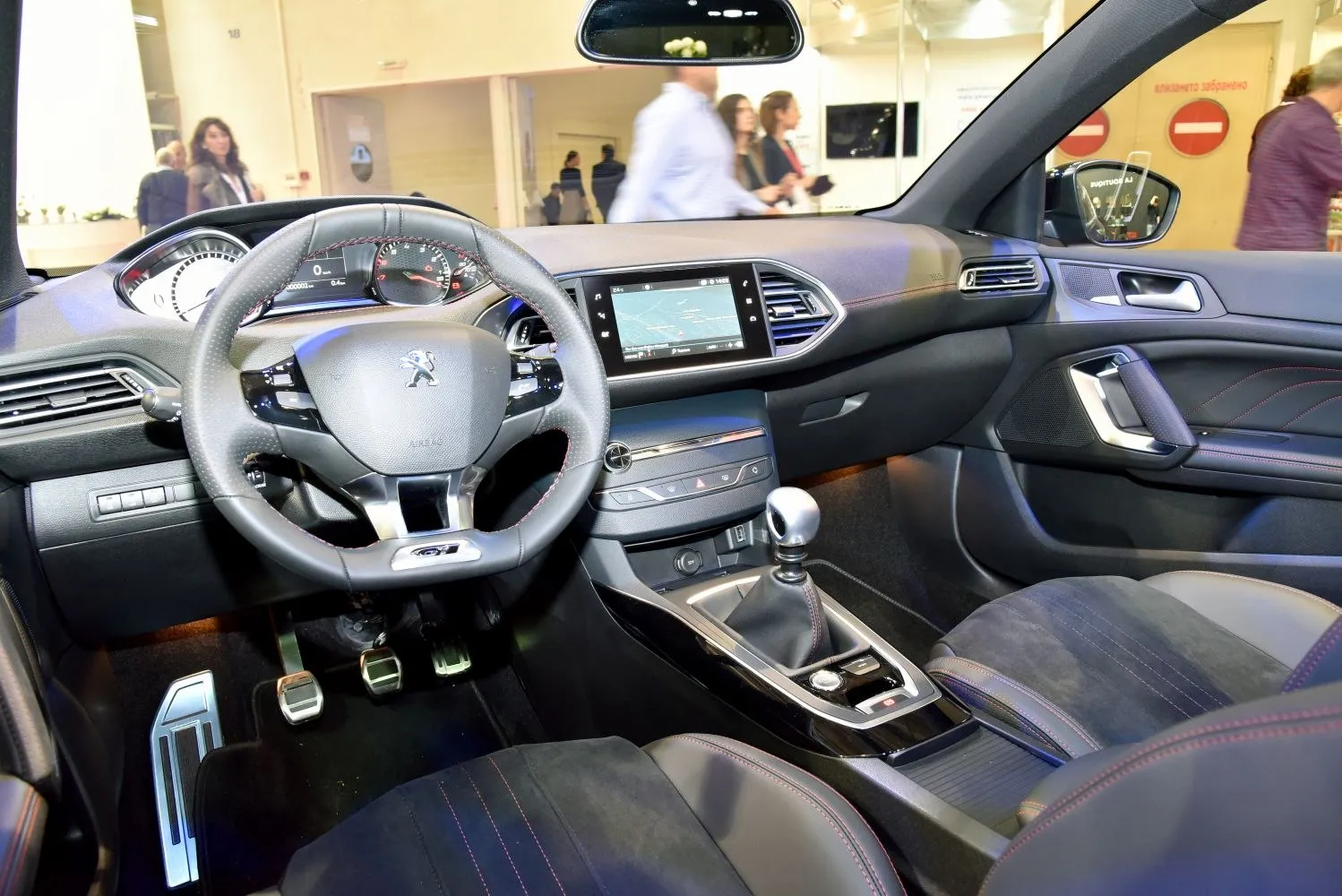
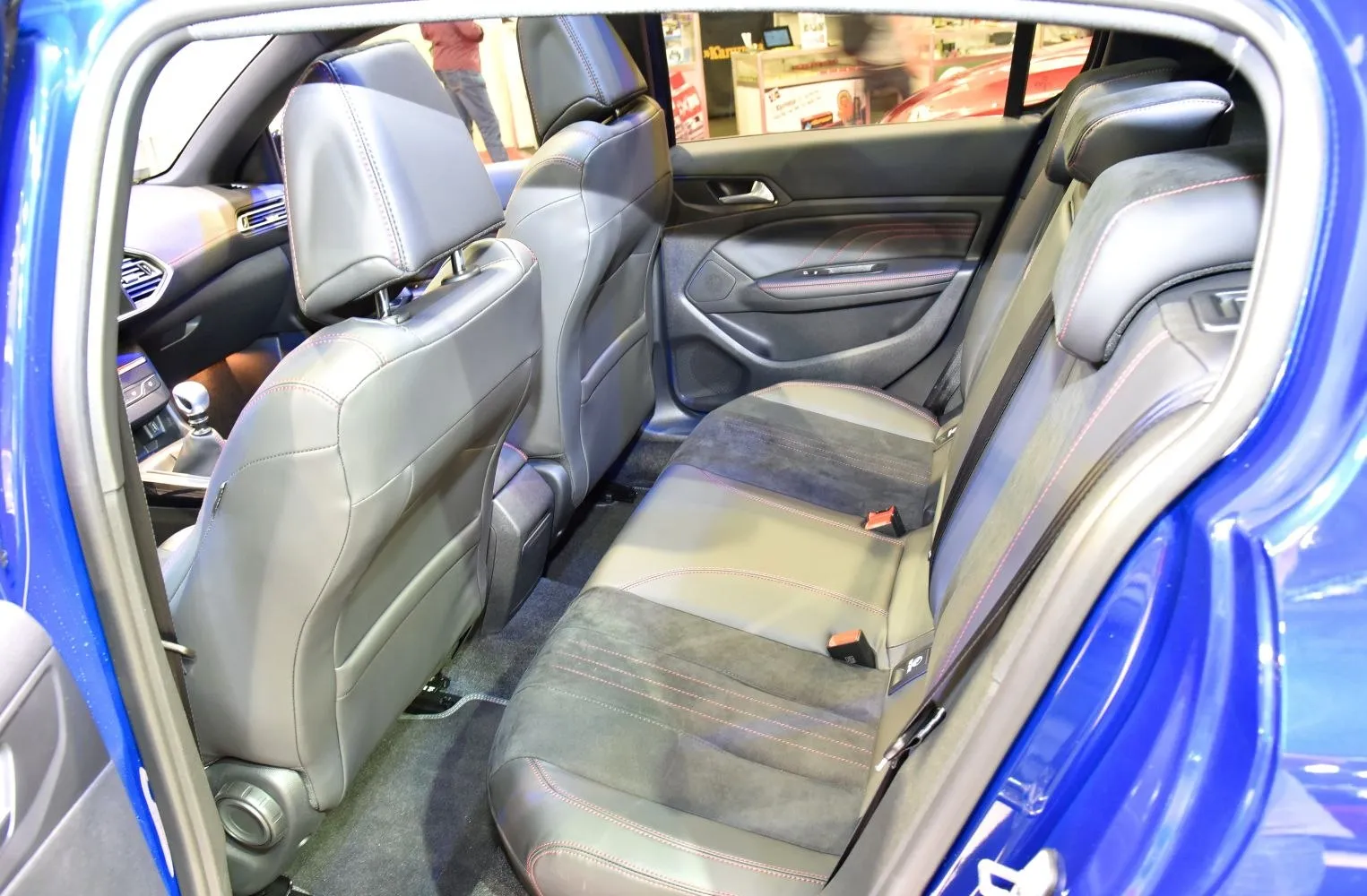
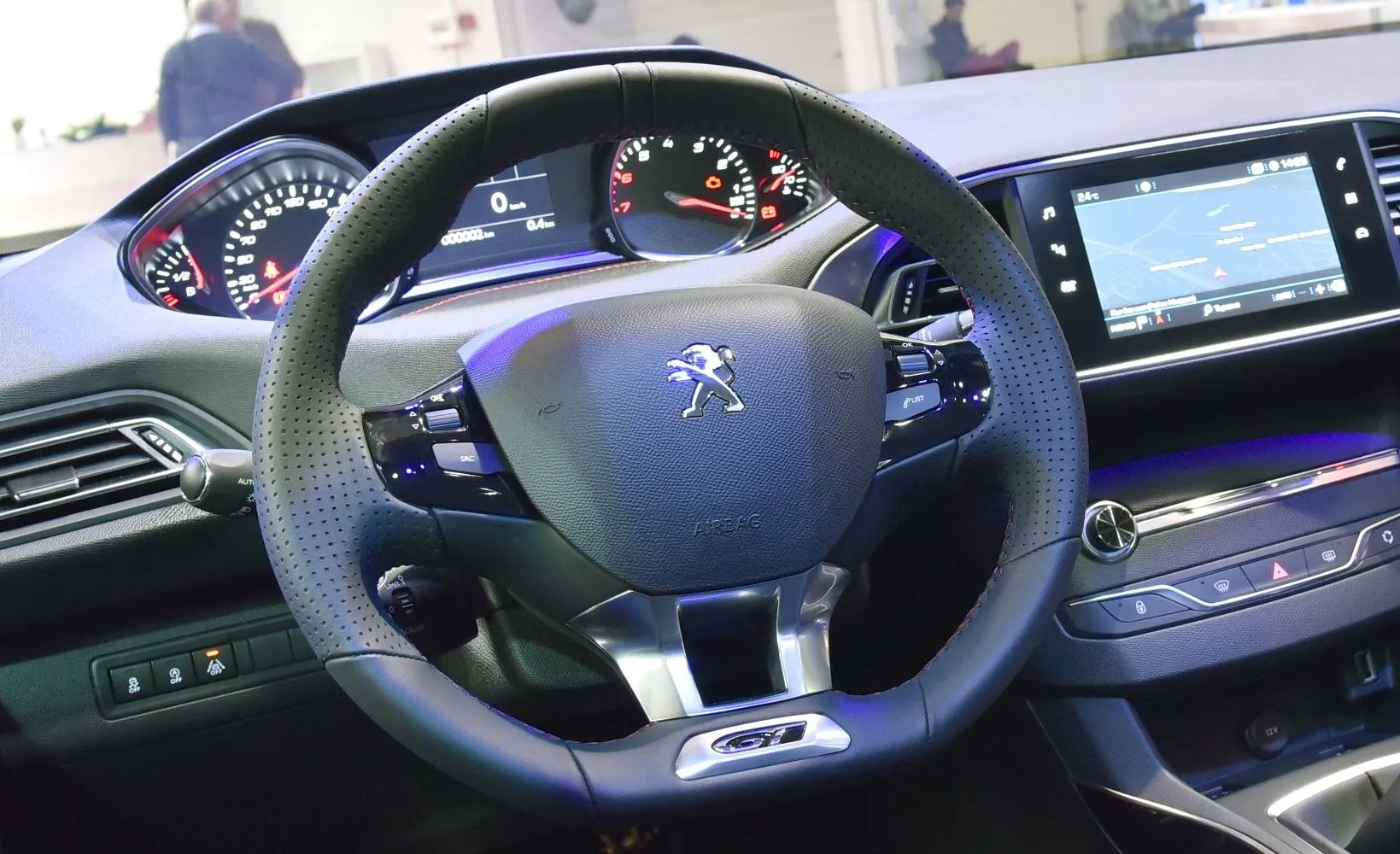
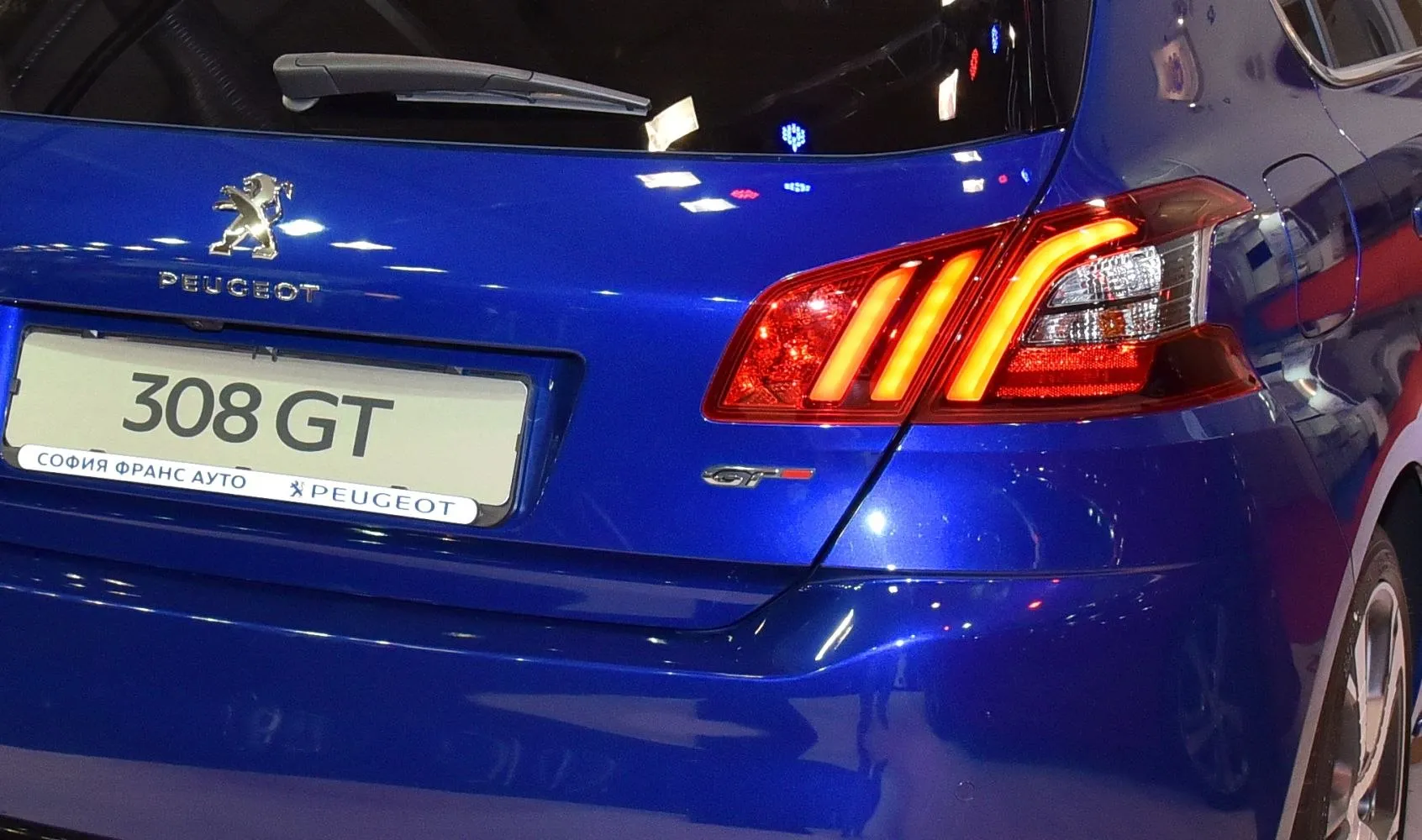
The Peugeot 308 II (Phase II), produced from 2017 to 2021, is a compact hatchback with a sleek and modern design. Designed for drivers who value style and functionality, it offers comfortable space for five passengers, making it an excellent choice for both families and young individuals leading an active lifestyle. Its dynamic silhouette and technologically advanced interior attract those seeking a vehicle that combines practicality with modernity.

The range of engines for the Peugeot 308 II includes both petrol and diesel options, with power outputs ranging from 99 to 270 HP. Economical variants are available, such as the 1.5 BlueHDi (130 HP) or the 1.2 PureTech (130 HP), which provide low fuel consumption and environmental friendliness. On the other hand, versions like the GTi 1.6 THP (270 HP) offer sporty performance and dynamic driving. The car can be integrated with either a manual or automatic transmission, allowing customization to meet the individual needs of the driver.

The Peugeot 308 II features front-wheel drive, which ensures stability and predictability in handling, particularly in urban conditions. The vehicle stands out for its good maneuverability and ease of handling, making it easier to navigate congested areas. The driving comfort is supported by numerous modern technologies such as adaptive cruise control, road sign recognition systems, automatic braking, and parking assistance, which enhance safety and travel convenience.

Although the Peugeot 308 II has many advantages, potential buyers should be aware of a few potential issues. There are known cases of electronic failures, particularly concerning the infotainment system and some driver assistance features. There may also be problems with quickly wearing suspension components, especially on more worn-out surfaces. The maintenance costs for some advanced technologies can be higher, so it's worth considering this when making a purchase.

The Peugeot 308 II is an attractive choice for those seeking a car that combines modern aesthetics with practicality and advanced technologies. Its unique design, wide range of engine options, and driving comfort distinguish it in the compact hatchback segment. For many users, it can be an excellent compromise between performance and economy, while also offering style and functionality for everyday use.