
Skip to content

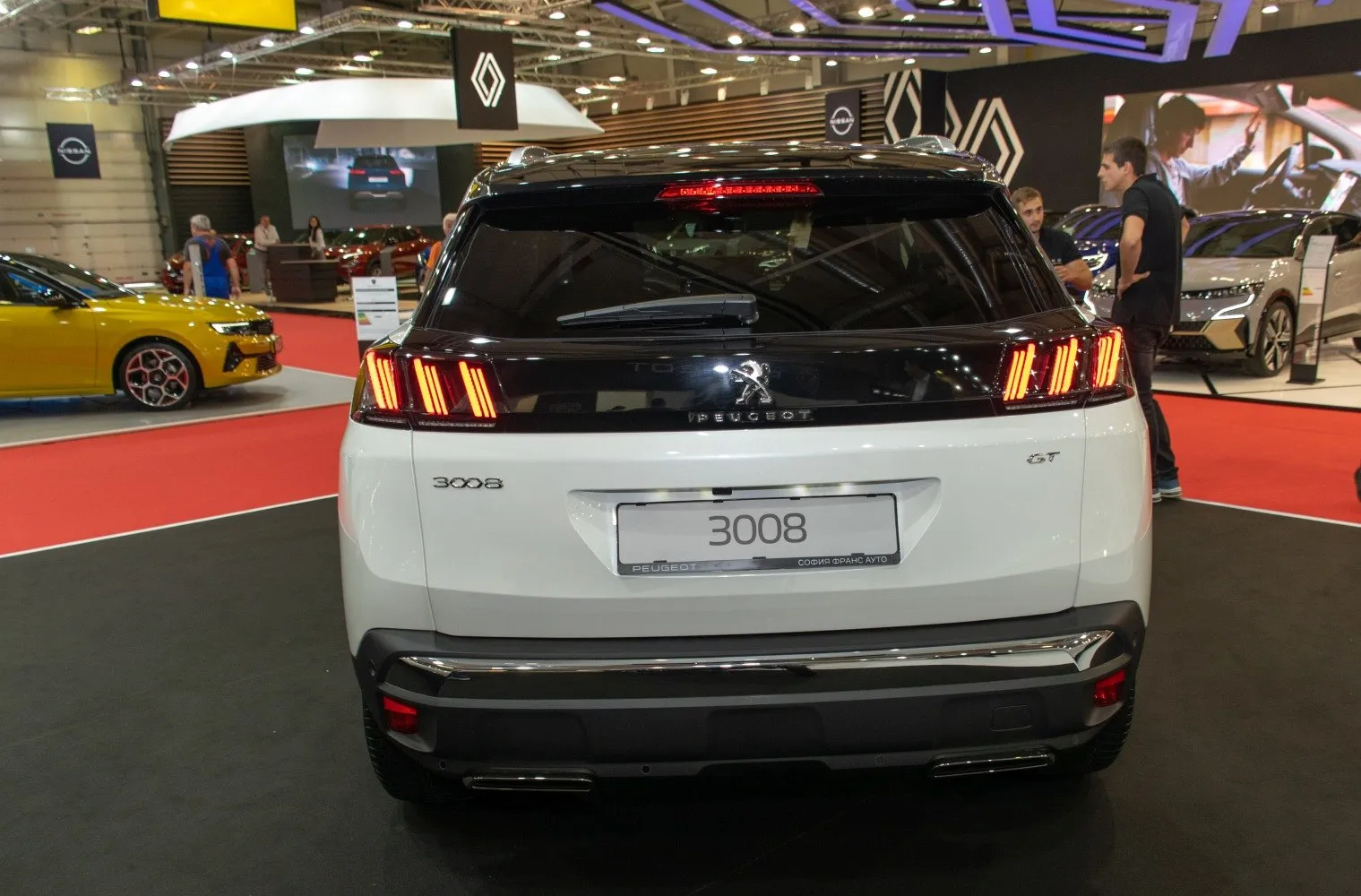
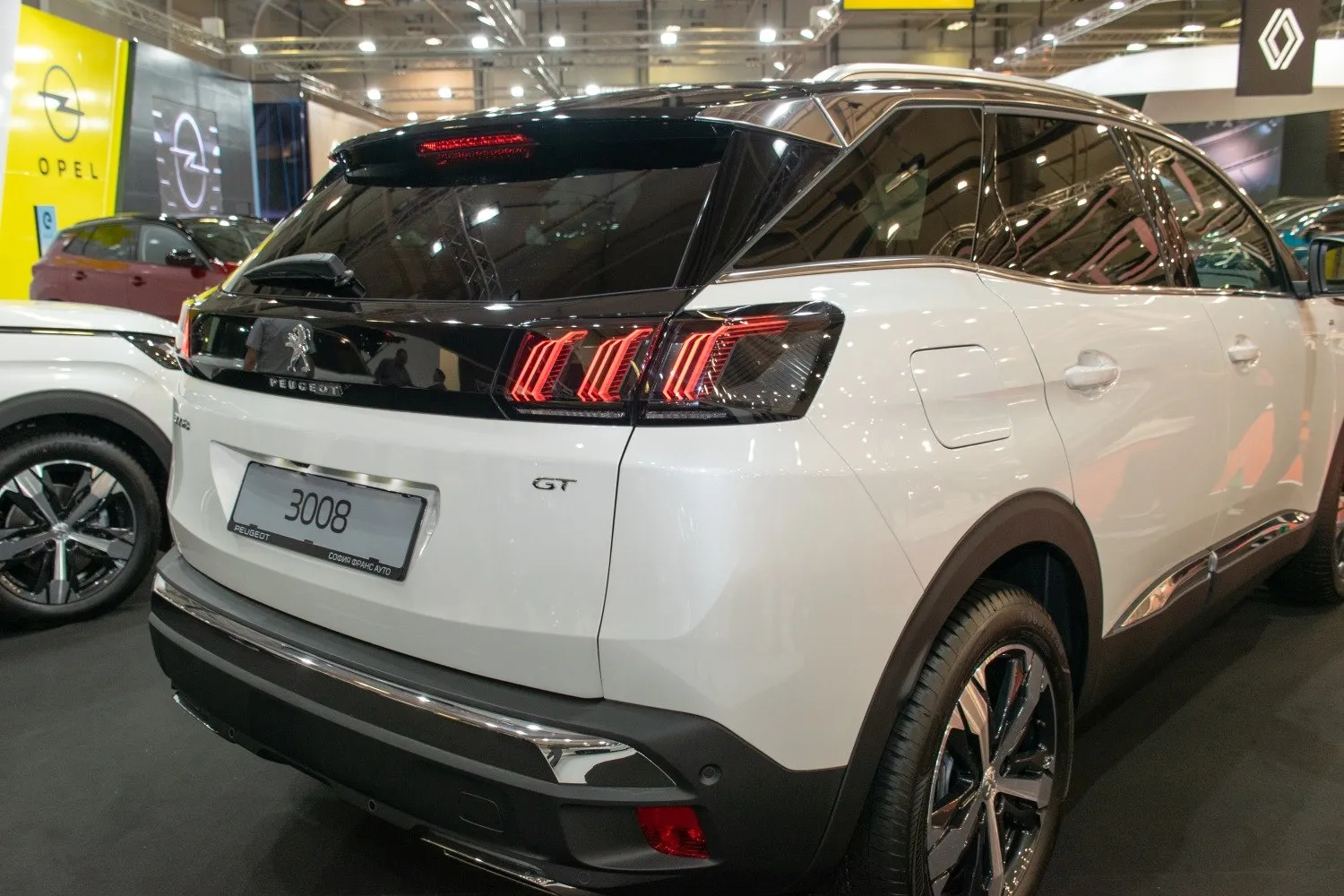
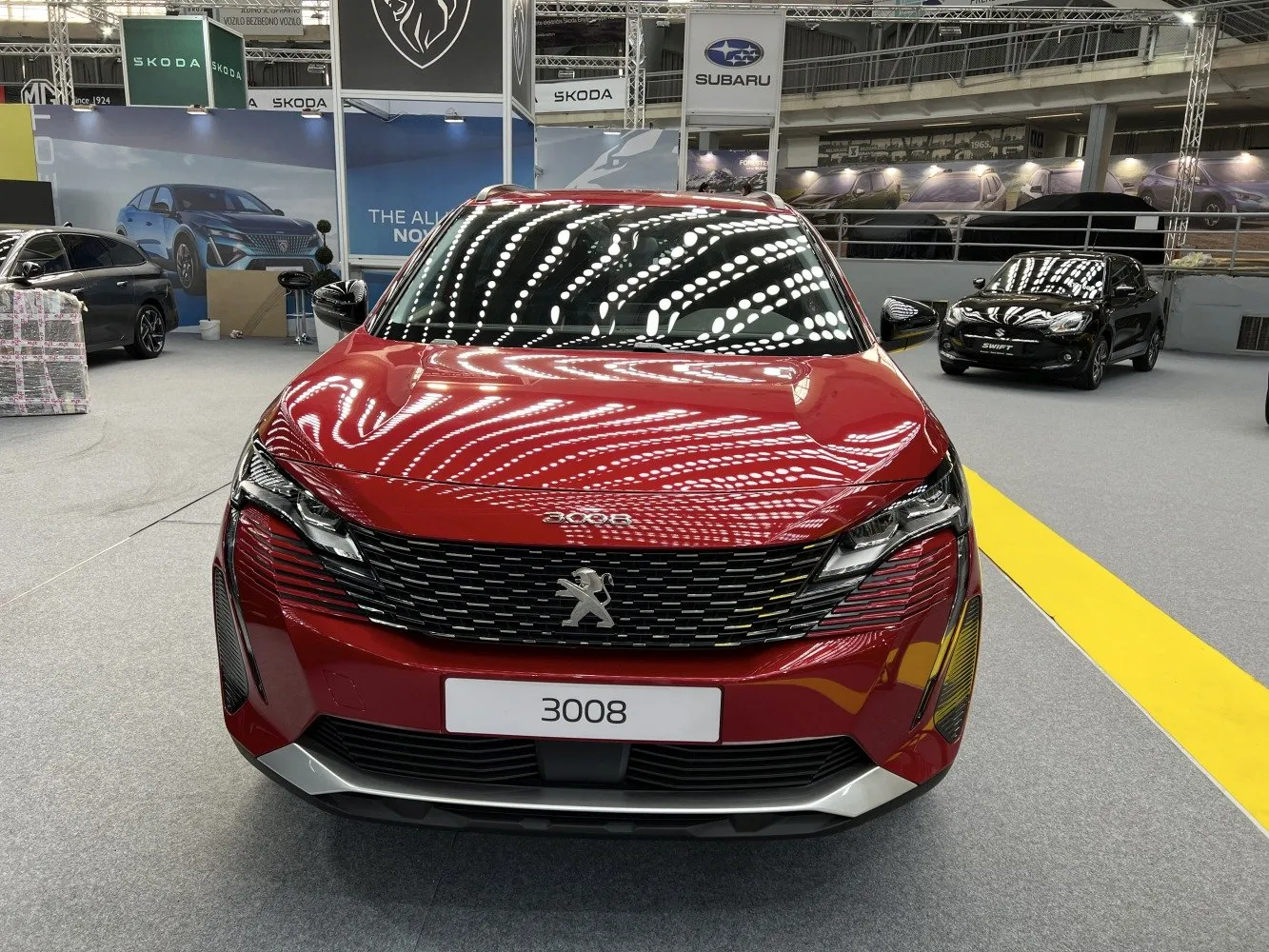
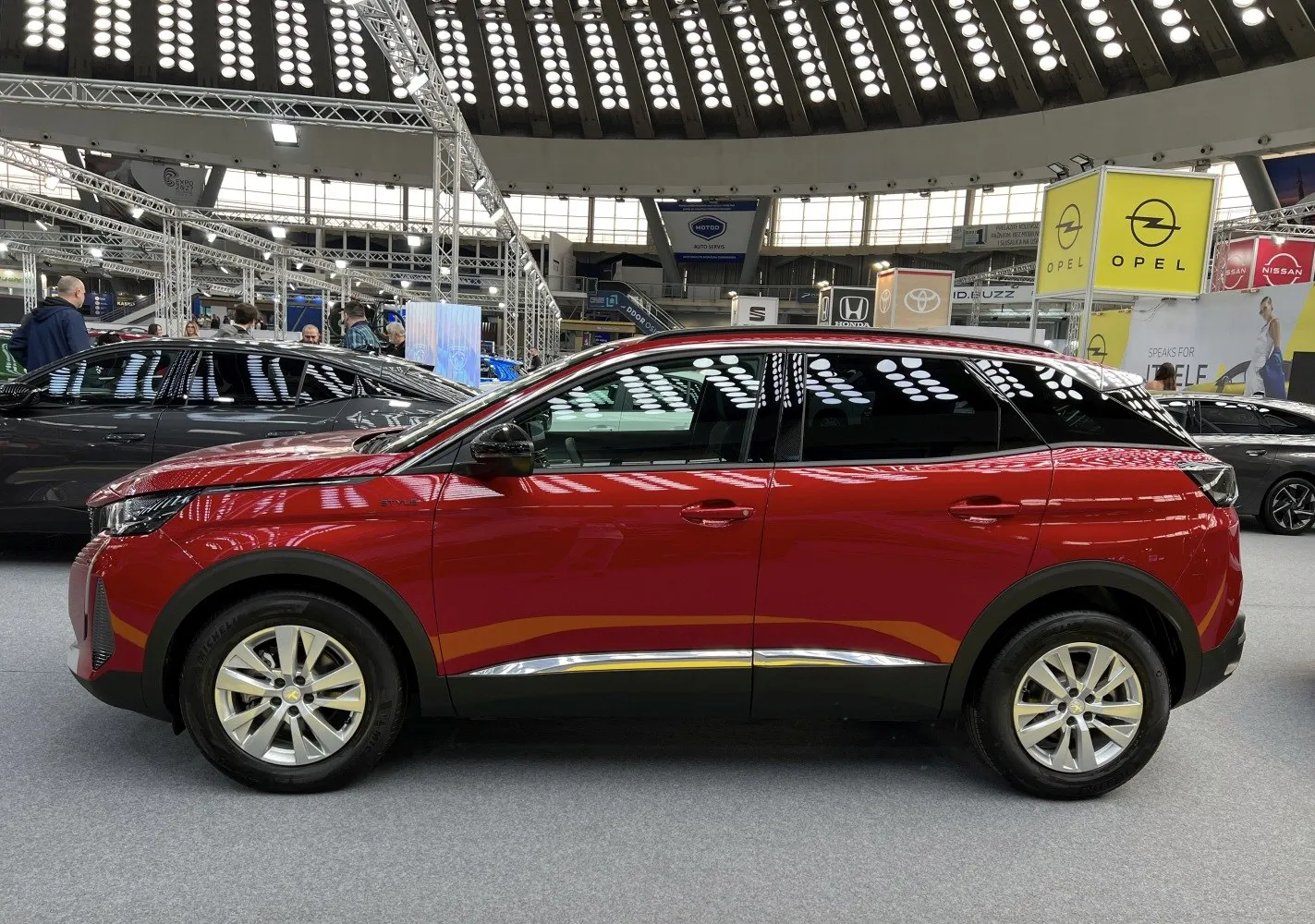
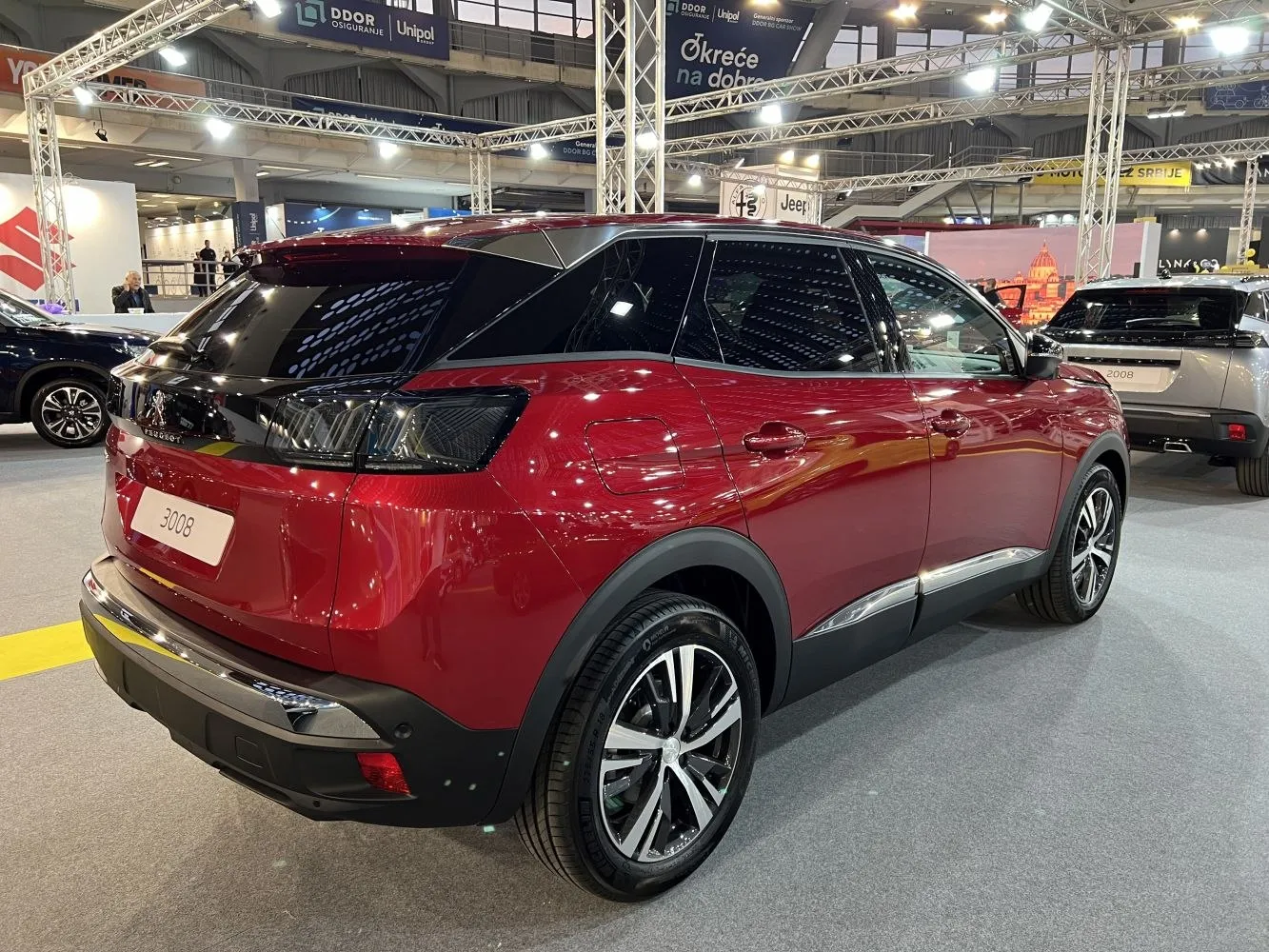
Vehicle specifications

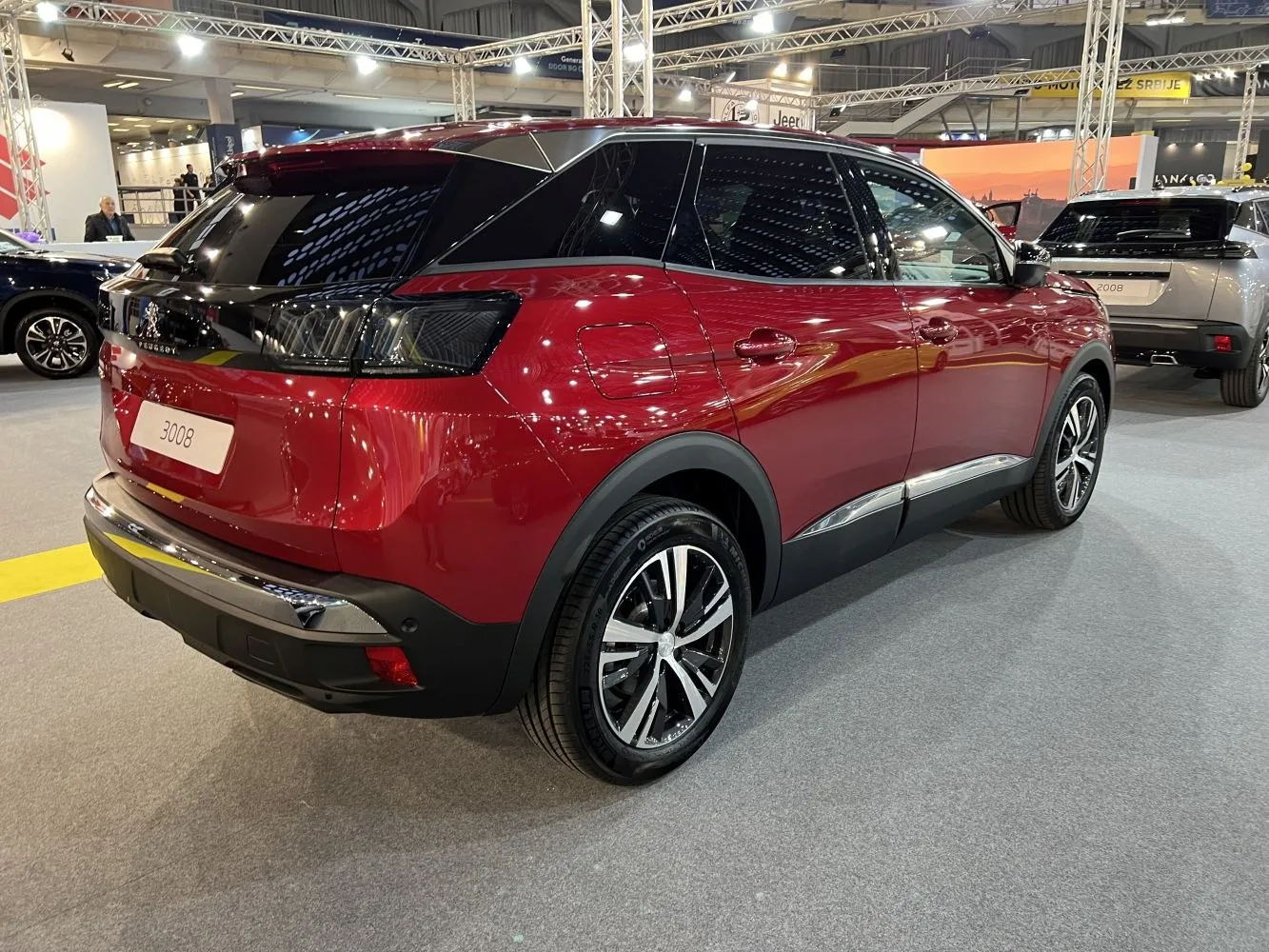
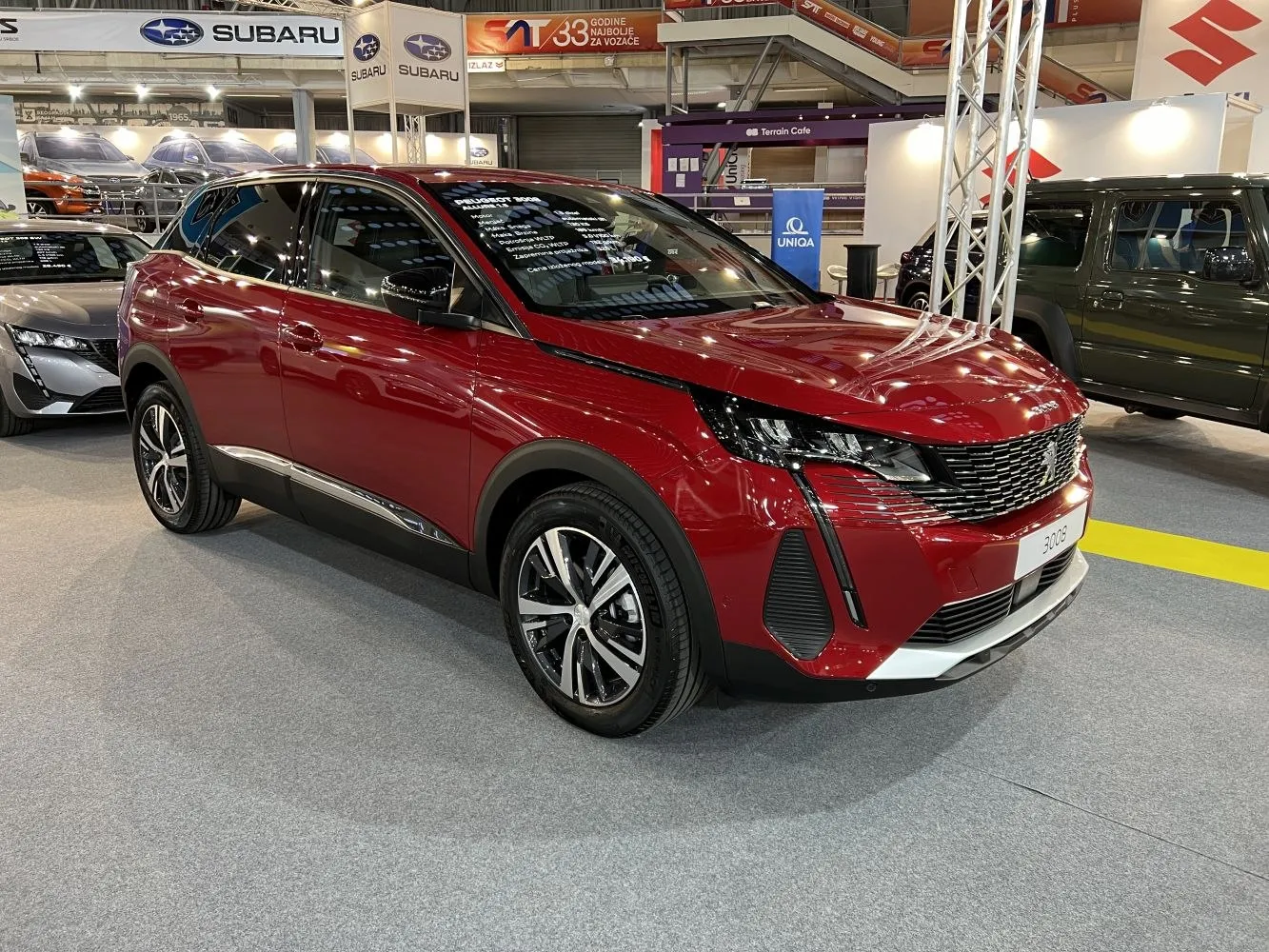
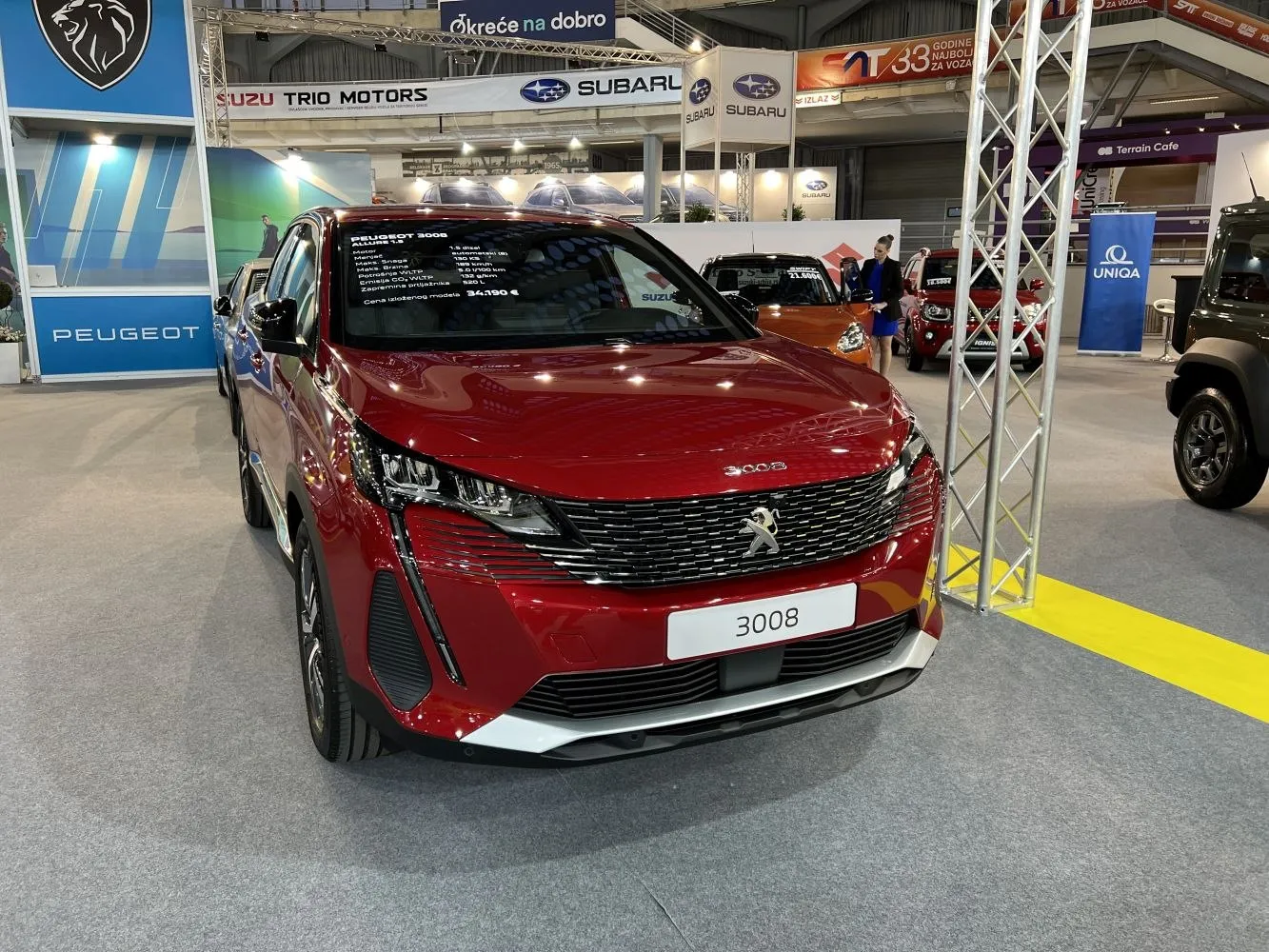
Peugeot 3008 II (Phase II, 2020)

Compare all 9 engine versions of the Peugeot 3008 3008 II (Phase II, 2020), then open the technical data for the exact drivetrain and production year.

Vehicle history report

Buying a used Peugeot 3008 II (Phase II, 2020)? Check the history of the exact car

A VIN report can help confirm the exact engine, equipment, mileage records and reported damage before you buy.

What is a VIN?
1 of 18
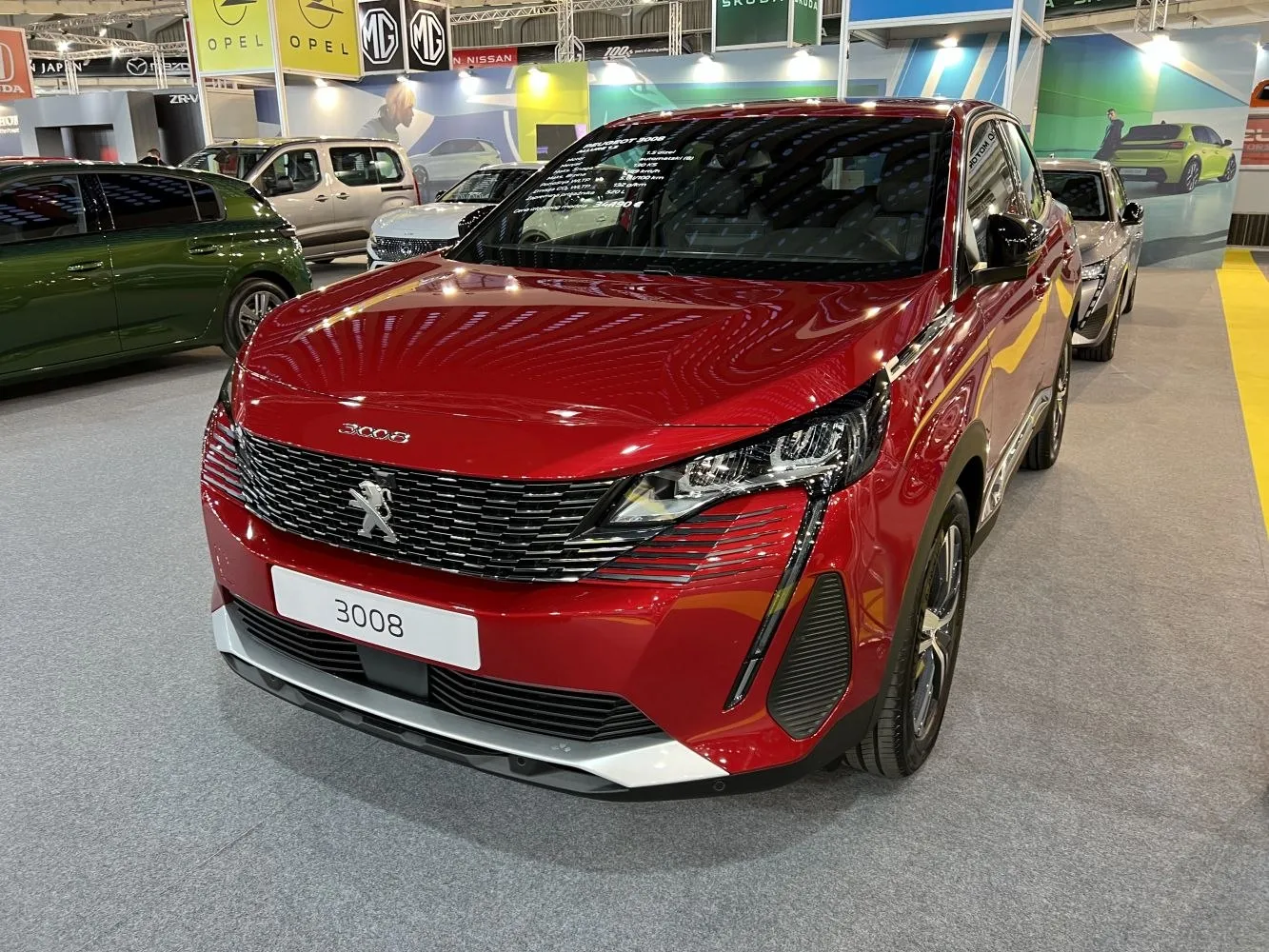
Peugeot 3008 3008 II (Phase II, 2020) View larger
Photo: © www.Auto-Data.net

Vehicle gallery

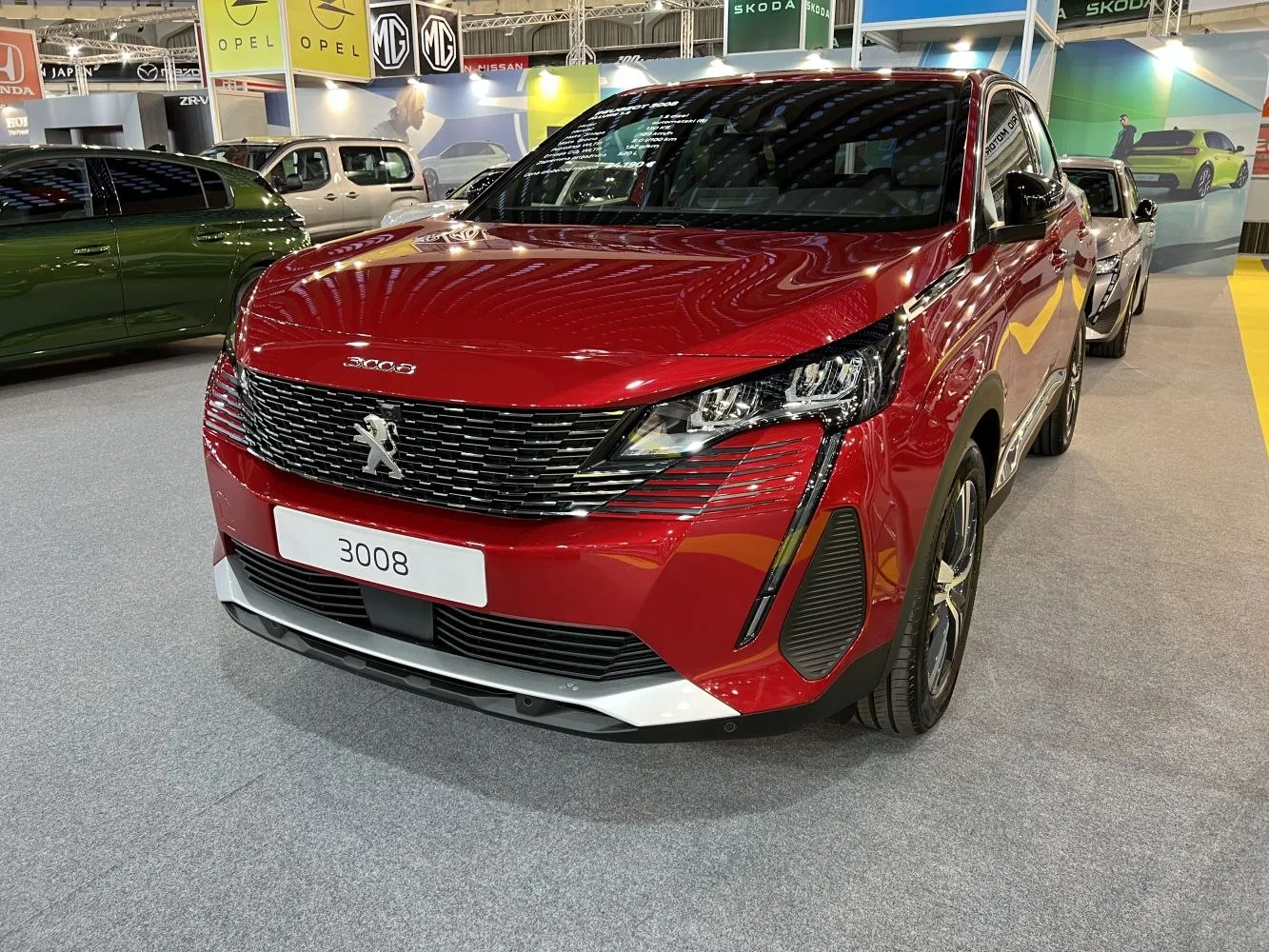
Peugeot 3008 3008 II (Phase II, 2020)

Photo: © www.Auto-Data.net

Choose a drivetrain

Engine versions

Select a row to update the key figures and detailed specifications below.

9 versions · 4 Gasoline · 2 Diesel fuel · 3 Gasoline / Electricity

Engine Fuel Power Production
1.2 PureTech (131 KM) Selected Gasoline 131 KM 2020–2023
1.2 PureTech (131 KM) Automatic Selected Gasoline 131 KM 2020–2023
1.6 PureTech (181 KM) Automatic Selected Gasoline 181 KM 2020–2021
1.5 BlueHDi (131 KM) Selected Diesel fuel 131 KM 2020–2023
1.5 BlueHDi (131 KM) Automatic Selected Diesel fuel 131 KM 2020–2023
1.6 (225 KM) Plug-in Hybrid e-EAT8 Selected Gasoline / Electricity 181 KM 2020–2023
1.6 (300 KM) Plug-in Hybrid4 e-EAT8 Selected Gasoline / Electricity 200 KM 2020–2023
1.6 (180 KM) Plug-in Hybrid e-EAT8 Selected Gasoline / Electricity 150 KM 2023
1.2 (136 KM) Hybrid e-DCS6 Selected Gasoline 136 KM 2023

Selected engine version

1.2 PureTech (131 KM)

Gasoline · 2020–2023

Engine power
131 KM
Torque
230 Nm
Engine displacement
1,199 cm³
Fuel type
Gasoline
Acceleration 0-100 km/h
9.5 s
Maximum speed
188 km/h
On this page
Check vehicle history

Basic version information

Brand
Peugeot
Model
3008
Version
3008 II (Phase II, 2020)
Engine
1.2 PureTech (131 KM)
Engine type
Combustion engine
Number of doors
5
Start of production
2020
End of production
2023
Body type
SUV
Number of seats
5
Fuel type
Gasoline

Performance

Maximum speed
188 km/h
Acceleration 0-100 km/h
9.5 s
Fuel consumption measurement standard
WLTP
Fuel consumption - Urban cycle
6.9-7.9 l/100 km
Fuel consumption measurement standard
WLTP
Fuel consumption - Extra-urban cycle
5.7-7.1 l/100 km
Fuel consumption measurement standard
WLTP
Fuel consumption - Combined cycle
5.9-7.2 l/100 km
Emission standard
Euro 6d-ISC-FCM
CO2 measurement standard
WLTP
CO2 emissions
133-163 g/km

Engine

Engine model / code
HNYEB2DTS
Engine position
Front, Transverse
Engine displacement
1199 cm³
Fuel injection system
Direct injection
Engine type
Turbocharger, Intercooler
Engine configuration
Inline
Number of cylinders
3
Number of valves per cylinder
4
Engine oil capacity
3.5 l
Power
131 KM @ 5500 obr./min
Torque
230 Nm @ 1750 obr./min

Volume and weight

Fuel tank
53 l
Wading depth
700 mm
Minimum trunk capacity
520 l
Maximum trunk capacity
1482 l
Curb weight
1320 kg
Gross weight
1910 kg
Braked trailer load (12% slope start)
1400 kg
Trailer nose weight
70 kg

Vehicle dimensions

Length
4447 mm
Width
1841 mm
Width with folded mirrors
1906 mm
Width with unfolded mirrors
2098 mm
Height
1624 mm
Wheelbase
2675 mm
Front track
1579-1601 mm
Rear track
1587-1610 mm
Ground clearance
219 mm
Approach angle
20 °
Departure angle
29 °
Front overhang
923 mm
Rear overhang
849 mm
Turning circle
10.7 m

Drivetrain, Brakes and suspension

Drive
Front-wheel drive
Number of gears
6
Front suspension
Independent, McPherson type with coil spring and stabilizer bar
Rear suspension
Semi-independent spring suspension
Front brakes
Ventilated disc
Rear brakes
Disc
Steering system
Rack-and-pinion
Power steering
Electric power steering
Tire size
215/65 R17 103V; 225/55 R18 102V; 205/55 R19 97V
Rim size
17; 18; 19
ABS
yes

Selected engine version

1.2 PureTech (131 KM) Automatic

Gasoline · 2020–2023

Engine power
131 KM
Torque
230 Nm
Engine displacement
1,199 cm³
Fuel type
Gasoline
Acceleration 0-100 km/h
9.7 s
Maximum speed
188 km/h
On this page
Check vehicle history

Basic version information

Brand
Peugeot
Model
3008
Version
3008 II (Phase II, 2020)
Engine
1.2 PureTech (131 KM) Automatic
Engine type
Combustion engine
Number of doors
5
Start of production
2020
End of production
2023
Body type
SUV
Number of seats
5
Fuel type
Gasoline

Performance

Maximum speed
188 km/h
Acceleration 0-100 km/h
9.7 s
Fuel consumption measurement standard
WLTP
Fuel consumption - Urban cycle
7.9-8.4 l/100 km
Fuel consumption measurement standard
WLTP
Fuel consumption - Extra-urban cycle
5.9-7.2 l/100 km
Fuel consumption measurement standard
WLTP
Fuel consumption - Combined cycle
6.1-7.3 l/100 km
Emission standard
Euro 6d-ISC-FCM
CO2 measurement standard
WLTP
CO2 emissions
139-165 g/km

Engine

Engine model / code
HNYEB2DTS
Engine position
Front, Transverse
Engine displacement
1199 cm³
Fuel injection system
Direct injection
Engine type
Turbocharger, Intercooler
Engine configuration
Inline
Number of cylinders
3
Number of valves per cylinder
4
Engine oil capacity
3.5 l
Power
131 KM @ 5500 obr./min
Torque
230 Nm @ 1750 obr./min

Volume and weight

Fuel tank
53 l
Wading depth
700 mm
Minimum trunk capacity
520 l
Maximum trunk capacity
1482 l
Curb weight
1320 kg
Gross weight
1940 kg
Braked trailer load (12% slope start)
1400 kg
Trailer nose weight
70 kg

Vehicle dimensions

Length
4447 mm
Width
1841 mm
Width with folded mirrors
1906 mm
Width with unfolded mirrors
2098 mm
Height
1624 mm
Wheelbase
2675 mm
Front track
1579-1601 mm
Rear track
1587-1610 mm
Ground clearance
219 mm
Approach angle
20 °
Departure angle
29 °
Front overhang
923 mm
Rear overhang
849 mm
Turning circle
10.7 m

Drivetrain, Brakes and suspension

Drive
Front-wheel drive
Number of gears
8
Front suspension
Independent, McPherson type with coil spring and stabilizer bar
Rear suspension
Semi-independent spring suspension
Front brakes
Ventilated disc
Rear brakes
Disc
Steering system
Rack-and-pinion
Power steering
Electric power steering
Tire size
215/65 R17 103V; 225/55 R18 102V; 205/55 R19 97V
Rim size
17; 18; 19
ABS
yes

Selected engine version

1.6 PureTech (181 KM) Automatic

Gasoline · 2020–2021

Engine power
181 KM
Torque
250 Nm
Engine displacement
1,598 cm³
Fuel type
Gasoline
Acceleration 0-100 km/h
8 s
Maximum speed
222 km/h
On this page
Check vehicle history

Basic version information

Brand
Peugeot
Model
3008
Version
3008 II (Phase II, 2020)
Engine
1.6 PureTech (181 KM) Automatic
Engine type
Combustion engine
Number of doors
5
Start of production
2020
End of production
2021
Body type
SUV
Number of seats
5
Fuel type
Gasoline

Performance

Maximum speed
222 km/h
Acceleration 0-100 km/h
8 s
Fuel consumption measurement standard
WLTP
Fuel consumption - Urban cycle
8.4-9.9 l/100 km
Fuel consumption measurement standard
WLTP
Fuel consumption - Extra-urban cycle
6.2-7.5 l/100 km
Fuel consumption measurement standard
WLTP
Fuel consumption - Combined cycle
6.5-7.8 l/100 km
Emission standard
Euro 6d-ISC-FCM
CO2 measurement standard
WLTP
CO2 emissions
148-177 g/km

Engine

Engine model / code
5GFEP6FADTXD
Engine position
Front, Transverse
Engine displacement
1598 cm³
Fuel injection system
Direct injection
Engine type
Turbocharger, Intercooler
Engine configuration
Inline
Number of cylinders
4
Number of valves per cylinder
4
Engine oil capacity
4.25 l
Power
181 KM @ 5500 obr./min
Torque
250 Nm @ 1750 obr./min

Volume and weight

Fuel tank
53 l
Wading depth
700 mm
Minimum trunk capacity
520 l
Maximum trunk capacity
1482 l
Curb weight
1429 kg
Gross weight
1970 kg
Braked trailer load (12% slope start)
1500 kg
Trailer nose weight
70 kg

Vehicle dimensions

Length
4447 mm
Width
1841 mm
Width with folded mirrors
1906 mm
Width with unfolded mirrors
2098 mm
Height
1624 mm
Wheelbase
2675 mm
Front track
1579-1601 mm
Rear track
1587-1610 mm
Ground clearance
219 mm
Approach angle
20 °
Departure angle
29 °
Front overhang
923 mm
Rear overhang
849 mm
Turning circle
10.7 m

Drivetrain, Brakes and suspension

Drive
Front-wheel drive
Number of gears
8
Front suspension
Independent, McPherson type with coil spring and stabilizer bar
Rear suspension
Semi-independent spring suspension
Front brakes
Ventilated disc
Rear brakes
Disc
Steering system
Rack-and-pinion
Power steering
Electric power steering
Tire size
215/65 R17 103V; 225/55 R18 102V; 205/55 R19 97V
Rim size
17; 18; 19
ABS
yes

Selected engine version

1.5 BlueHDi (131 KM)

Diesel fuel · 2020–2023

Engine power
131 KM
Torque
300 Nm
Engine displacement
1,499 cm³
Fuel type
Diesel fuel
Acceleration 0-100 km/h
10.8 s
Maximum speed
192 km/h
On this page
Check vehicle history

Basic version information

Brand
Peugeot
Model
3008
Version
3008 II (Phase II, 2020)
Engine
1.5 BlueHDi (131 KM)
Engine type
Combustion engine
Number of doors
5
Start of production
2020
End of production
2023
Body type
SUV
Number of seats
5
Fuel type
Diesel fuel

Performance

Maximum speed
192 km/h
Acceleration 0-100 km/h
10.8 s
Fuel consumption measurement standard
WLTP
Fuel consumption - Urban cycle
4.9-5.8 l/100 km
Fuel consumption measurement standard
WLTP
Fuel consumption - Extra-urban cycle
4.6-5.6 l/100 km
Fuel consumption measurement standard
WLTP
Fuel consumption - Combined cycle
4.6-5.6 l/100 km
Emission standard
Euro 6d-ISC-FCM
CO2 measurement standard
WLTP
CO2 emissions
122-148 g/km

Engine

Engine model / code
YHZDV5RC
Engine position
Front, Transverse
Engine displacement
1499 cm³
Fuel injection system
Diesel common rail
Engine type
Turbocharger, Intercooler
Engine configuration
Inline
Number of cylinders
4
Number of valves per cylinder
4
Engine oil capacity
4 l
Power
131 KM @ 3750 obr./min
Torque
300 Nm @ 1750 obr./min

Volume and weight

Fuel tank
53 l
AdBlue tank
17 l
Wading depth
700 mm
Minimum trunk capacity
520 l
Maximum trunk capacity
1482 l
Curb weight
1429 kg
Gross weight
1980 kg
Braked trailer load (12% slope start)
1500 kg
Trailer nose weight
70 kg

Vehicle dimensions

Length
4447 mm
Width
1841 mm
Width with folded mirrors
1906 mm
Width with unfolded mirrors
2098 mm
Height
1624 mm
Wheelbase
2675 mm
Front track
1579-1601 mm
Rear track
1587-1610 mm
Ground clearance
219 mm
Approach angle
20 °
Departure angle
29 °
Front overhang
923 mm
Rear overhang
849 mm
Turning circle
10.7 m

Drivetrain, Brakes and suspension

Drive
Front-wheel drive
Number of gears
6
Front suspension
Independent, McPherson type with coil spring and stabilizer bar
Rear suspension
Semi-independent spring suspension
Front brakes
Ventilated disc
Rear brakes
Disc
Steering system
Rack-and-pinion
Power steering
Electric power steering
Tire size
215/65 R17 103V; 225/55 R18 102V; 205/55 R19 97V
Rim size
17; 18; 19
ABS
yes

Selected engine version

1.5 BlueHDi (131 KM) Automatic

Diesel fuel · 2020–2023

Engine power
131 KM
Torque
300 Nm
Engine displacement
1,499 cm³
Fuel type
Diesel fuel
Acceleration 0-100 km/h
11.5 s
Maximum speed
188 km/h
On this page
Check vehicle history

Basic version information

Brand
Peugeot
Model
3008
Version
3008 II (Phase II, 2020)
Engine
1.5 BlueHDi (131 KM) Automatic
Engine type
Combustion engine
Number of doors
5
Start of production
2020
End of production
2023
Body type
SUV
Number of seats
5
Fuel type
Diesel fuel

Performance

Maximum speed
188 km/h
Acceleration 0-100 km/h
11.5 s
Fuel consumption measurement standard
WLTP
Fuel consumption - Urban cycle
5.5-6.7 l/100 km
Fuel consumption measurement standard
WLTP
Fuel consumption - Extra-urban cycle
4.8-5.9 l/100 km
Fuel consumption measurement standard
WLTP
Fuel consumption - Combined cycle
4.9-6 l/100 km
Emission standard
Euro 6d-ISC-FCM
CO2 measurement standard
WLTP
CO2 emissions
128-157 g/km

Engine

Engine model / code
YHZDV5RC
Engine position
Front, Transverse
Engine displacement
1499 cm³
Fuel injection system
Diesel common rail
Engine type
Turbocharger, Intercooler
Engine configuration
Inline
Number of cylinders
4
Number of valves per cylinder
4
Engine oil capacity
4 l
Power
131 KM @ 3750 obr./min
Torque
300 Nm @ 1750 obr./min

Volume and weight

Fuel tank
53 l
AdBlue tank
17 l
Wading depth
700 mm
Minimum trunk capacity
520 l
Maximum trunk capacity
1482 l
Curb weight
1429 kg
Gross weight
2000 kg
Braked trailer load (12% slope start)
1300 kg
Trailer nose weight
70 kg

Vehicle dimensions

Length
4447 mm
Width
1841 mm
Width with folded mirrors
1906 mm
Width with unfolded mirrors
2098 mm
Height
1624 mm
Wheelbase
2675 mm
Front track
1579-1601 mm
Rear track
1587-1610 mm
Ground clearance
219 mm
Approach angle
20 °
Departure angle
29 °
Front overhang
923 mm
Rear overhang
849 mm
Turning circle
10.7 m

Drivetrain, Brakes and suspension

Drive
Front-wheel drive
Number of gears
8
Front suspension
Independent, McPherson type with coil spring and stabilizer bar
Rear suspension
Semi-independent spring suspension
Front brakes
Ventilated disc
Rear brakes
Disc
Steering system
Rack-and-pinion
Power steering
Electric power steering
Tire size
215/65 R17 103V; 225/55 R18 102V; 205/55 R19 97V
Rim size
17; 18; 19
ABS
yes

Selected engine version

1.6 (225 KM) Plug-in Hybrid e-EAT8

Gasoline / Electricity · 2020–2023

Engine power
181 KM
Torque
300 Nm
Engine displacement
1,598 cm³
Fuel type
Gasoline / Electricity
Acceleration 0-100 km/h
8.7 s
Maximum speed
225 km/h
On this page
Check vehicle history

Basic version information

Brand
Peugeot
Model
3008
Version
3008 II (Phase II, 2020)
Engine
1.6 (225 KM) Plug-in Hybrid e-EAT8
Engine type
PHEV (Plug-in Hybrid Electric Vehicle)
Number of doors
5
Start of production
2020
End of production
2023
Body type
SUV
Number of seats
5
Fuel type
Gasoline / Electricity

Performance

Maximum speed
225 km/h
Acceleration 0-100 km/h
8.7 s
Battery gross capacity
13.2 kWh
Net battery capacity
10.4 kWh
Electric range measurement standard
WLTP
All-electric range
59-62 km
Fuel consumption measurement standard
WLTP
Fuel consumption - Combined cycle
1.4-1.5 l/100 km
Energy consumption measurement standard
WLTP
Average energy consumption
15.5-16.1 kWh/100 km
Emission standard
Euro 6d
CO2 measurement standard
WLTP
CO2 emissions
31-34 g/km

Engine

Max electric motor power
110 KM @ 2500 obr./min
Electric motor torque
320 Nm @ 500-2500 obr./min
Electric motor position
Między silnikiem spalinowym a skrzynią biegów
System power
225 KM
System torque
360 Nm
Engine model / code
EP6FADTXHPD
Engine position
Front, Transverse
Engine displacement
1598 cm³
Fuel injection system
Direct injection
Engine type
Turbocharger, Intercooler
Valvetrain
DOHC
Engine configuration
Inline
Number of cylinders
4
Cylinder bore
77 mm
Piston stroke
85.8 mm
Compression ratio
10.2
Number of valves per cylinder
4
Engine oil capacity
4.25 l
Power
181 KM @ 6000 obr./min
Torque
300 Nm @ 3000 obr./min

Volume and weight

Fuel tank
43 l
Wading depth
700 mm
Minimum trunk capacity
395 l
Maximum trunk capacity
1357 l
Curb weight
1763 kg
Gross weight
2270 kg
Roof load
80 kg
Braked trailer load (12% slope start)
1250 kg
Trailer load without brakes
750 kg
Trailer nose weight
70 kg

Vehicle dimensions

Length
4447 mm
Width
1841 mm
Width with folded mirrors
1906 mm
Width with unfolded mirrors
2098 mm
Height
1624 mm
Wheelbase
2675 mm
Front track
1579-1601 mm
Rear track
1587-1610 mm
Ground clearance
219 mm
Approach angle
20 °
Departure angle
29 °
Front overhang
923 mm
Rear overhang
849 mm
Turning circle
10.7 m

Drivetrain, Brakes and suspension

Drive
Front-wheel drive
Number of gears
8
Type of automatic gearbox
e-EAT
Front suspension
Independent McPherson type
Rear suspension
Semi-independent spring suspension
Front brakes
Ventilated disc
Rear brakes
Disc
Steering system
Rack-and-pinion
Power steering
Electric power steering
Tire size
225/55 R18; 205/55 R19
Rim size
18; 19
ABS
yes

Selected engine version

1.6 (300 KM) Plug-in Hybrid4 e-EAT8

Gasoline / Electricity · 2020–2023

Engine power
200 KM
Torque
300 Nm
Engine displacement
1,598 cm³
Fuel type
Gasoline / Electricity
Acceleration 0-100 km/h
5.9 s
Maximum speed
240 km/h
On this page
Check vehicle history

Basic version information

Brand
Peugeot
Model
3008
Version
3008 II (Phase II, 2020)
Engine
1.6 (300 KM) Plug-in Hybrid4 e-EAT8
Engine type
PHEV (Plug-in Hybrid Electric Vehicle)
Number of doors
5
Start of production
2020
End of production
2023
Body type
SUV
Number of seats
5
Fuel type
Gasoline / Electricity

Performance

Maximum speed
240 km/h
Acceleration 0-100 km/h
5.9 s
Battery gross capacity
13.2 kWh
Net battery capacity
10.4 kWh
Electric range measurement standard
WLTP
All-electric range
61-63 km
Fuel consumption measurement standard
WLTP
Fuel consumption - Combined cycle
1.3-1.4 l/100 km
Energy consumption measurement standard
WLTP
Average energy consumption
15.3-15.9 kWh/100 km
Emission standard
Euro 6d
CO2 measurement standard
WLTP
CO2 emissions
30-32 g/km

Engine

Max electric motor power
110 KM @ 2500 obr./min
2nd electric motor max power
113 KM @ 14000 obr./min
Electric motor torque
320 Nm @ 500-2500 obr./min
2nd electric motor torque
166 Nm @ 0-4760 obr./min
Electric motor position
Między silnikiem spalinowym a skrzynią biegów
2nd electric motor position
Rear axle, Transverse
System power
300 KM
System torque
520 Nm
Engine model / code
5GBEP6FADTXHPA
Engine position
Front, Transverse
Engine displacement
1598 cm³
Fuel injection system
Direct injection
Engine type
Turbocharger, Intercooler
Valvetrain
DOHC
Engine configuration
Inline
Number of cylinders
4
Cylinder bore
77 mm
Piston stroke
85.8 mm
Compression ratio
10.2
Number of valves per cylinder
4
Engine oil capacity
4.25 l
Power
200 KM @ 6000 obr./min
Torque
300 Nm @ 3000 obr./min

Volume and weight

Fuel tank
43 l
Wading depth
700 mm
Minimum trunk capacity
395 l
Maximum trunk capacity
1357 l
Curb weight
1833 kg
Gross weight
2350 kg
Roof load
80 kg
Braked trailer load (12% slope start)
1250 kg
Trailer load without brakes
750 kg
Trailer nose weight
70 kg

Vehicle dimensions

Length
4447 mm
Width
1841 mm
Width with folded mirrors
1906 mm
Width with unfolded mirrors
2098 mm
Height
1624 mm
Wheelbase
2675 mm
Front track
1579-1601 mm
Rear track
1587-1610 mm
Ground clearance
219 mm
Approach angle
20 °
Departure angle
29 °
Front overhang
923 mm
Rear overhang
849 mm
Turning circle
10.7 m

Drivetrain, Brakes and suspension

Drive
All-wheel drive (4x4)
Number of gears
8
Type of automatic gearbox
e-EAT
Front suspension
Independent McPherson type
Rear suspension
Semi-independent spring suspension
Front brakes
Ventilated disc
Rear brakes
Disc
Steering system
Rack-and-pinion
Power steering
Electric power steering
Tire size
225/55 R18; 205/55 R19
Rim size
18; 19
ABS
yes

Selected engine version

1.6 (180 KM) Plug-in Hybrid e-EAT8

Gasoline / Electricity · 2023

Engine power
150 KM
Torque
300 Nm
Engine displacement
1,598 cm³
Fuel type
Gasoline / Electricity
Acceleration 0-100 km/h
8.8 s
Maximum speed
215 km/h
On this page
Check vehicle history

Basic version information

Brand
Peugeot
Model
3008
Version
3008 II (Phase II, 2020)
Engine
1.6 (180 KM) Plug-in Hybrid e-EAT8
Engine type
PHEV (Plug-in Hybrid Electric Vehicle)
Number of doors
5
Start of production
2023
End of production
2023
Body type
SUV
Number of seats
5
Fuel type
Gasoline / Electricity

Performance

Maximum speed
215 km/h
Acceleration 0-100 km/h
8.8 s
Battery gross capacity
12.4 kWh
Net battery capacity
11.3 kWh
Electric range measurement standard
WLTP
All-electric range
59 km
Fuel consumption measurement standard
WLTP
Fuel consumption - Combined cycle
1.5-1.6 l/100 km
Energy consumption measurement standard
WLTP
Average energy consumption
16 kWh/100 km
Emission standard
Euro 6d
CO2 measurement standard
WLTP
CO2 emissions
33-35 g/km

Engine

Max electric motor power
110 KM @ 2500 obr./min
Electric motor torque
320 Nm @ 500-2500 obr./min
Electric motor position
Między silnikiem spalinowym a skrzynią biegów
System power
180 KM
System torque
360 Nm
Engine model / code
PureTech
Engine position
Front, Transverse
Engine displacement
1598 cm³
Fuel injection system
Direct injection
Engine type
Turbocharger, Intercooler
Engine configuration
Inline
Number of cylinders
4
Number of valves per cylinder
4
Power
150 KM @ 6000 obr./min
Torque
300 Nm @ 3000 obr./min

Volume and weight

Fuel tank
43 l
Minimum trunk capacity
210-591 l
Maximum trunk capacity
1670 l
Curb weight
1763 kg
Gross weight
2290 kg
Braked trailer load (12% slope start)
1250 kg

Vehicle dimensions

Length
4447 mm
Width
1841 mm
Width with folded mirrors
1906 mm
Width with unfolded mirrors
2098 mm
Height
1624 mm
Wheelbase
2675 mm
Front track
1579-1601 mm
Rear track
1587-1610 mm
Ground clearance
219 mm
Approach angle
20 °
Departure angle
29 °
Front overhang
923 mm
Rear overhang
849 mm

Drivetrain, Brakes and suspension

Drive
Front-wheel drive
Number of gears
8
Type of automatic gearbox
e-EAT
Front suspension
Independent McPherson type
Rear suspension
Semi-independent spring suspension
Front brakes
Ventilated disc
Rear brakes
Disc
Steering system
Rack-and-pinion
Power steering
Electric power steering
Tire size
225/55 R18 102V; 225/50 R19 100V
Rim size
18; 19
ABS
yes

Selected engine version

1.2 (136 KM) Hybrid e-DCS6

Gasoline · 2023

Engine power
136 KM
Torque
230 Nm
Engine displacement
1,199 cm³
Fuel type
Gasoline
Acceleration 0-100 km/h
10 s
Maximum speed
200 km/h
On this page
Check vehicle history

Basic version information

Brand
Peugeot
Model
3008
Version
3008 II (Phase II, 2020)
Engine
1.2 (136 KM) Hybrid e-DCS6
Engine type
MHEV (Mild Hybrid Electric Vehicle)
Number of doors
5
Start of production
2023
End of production
2023
Body type
SUV
Number of seats
5
Fuel type
Gasoline

Performance

Maximum speed
200 km/h
Acceleration 0-100 km/h
10 s
Battery gross capacity
0.89 kWh
Net battery capacity
0.43 kWh
Fuel consumption measurement standard
WLTP
Fuel consumption - Combined cycle
5.6-5.7 l/100 km
Emission standard
Euro 6d
CO2 measurement standard
WLTP
CO2 emissions
126-129 g/km

Engine

Max electric motor power
21 KM
Electric motor torque
55 Nm
Electric motor position
Integrated with the transmission
Engine model / code
PureTech/HN09
Engine position
Front, Transverse
Engine displacement
1199 cm³
Fuel injection system
Direct injection
Engine type
Turbocharger, Intercooler
Engine configuration
Inline
Number of cylinders
3
Number of valves per cylinder
4
Engine oil capacity
3.5 l
Power
136 KM @ 5500 obr./min
Torque
230 Nm @ 1750 obr./min

Volume and weight

Fuel tank
53 l
Minimum trunk capacity
210-591 l
Maximum trunk capacity
1670 l
Curb weight
1478 kg
Gross weight
2050 kg
Braked trailer load (12% slope start)
1250 kg

Vehicle dimensions

Length
4447 mm
Width
1841 mm
Width with folded mirrors
1906 mm
Width with unfolded mirrors
2098 mm
Height
1624 mm
Wheelbase
2675 mm
Front track
1579-1601 mm
Rear track
1587-1610 mm
Ground clearance
219 mm
Approach angle
20 °
Departure angle
29 °
Front overhang
923 mm
Rear overhang
849 mm

Drivetrain, Brakes and suspension

Drive
Front-wheel drive
Number of gears
6
Type of automatic gearbox
e-DCS
Front suspension
Independent McPherson type
Rear suspension
Semi-independent spring suspension
Front brakes
Ventilated disc
Rear brakes
Disc
Steering system
Rack-and-pinion
Power steering
Electric power steering
Tire size
215/65 R17 103V; 225/55 R18 102V; 205/55 R19 97V
Rim size
17; 18; 19
ABS
yes

About Peugeot 3008 3008 II (Phase II, 2020)

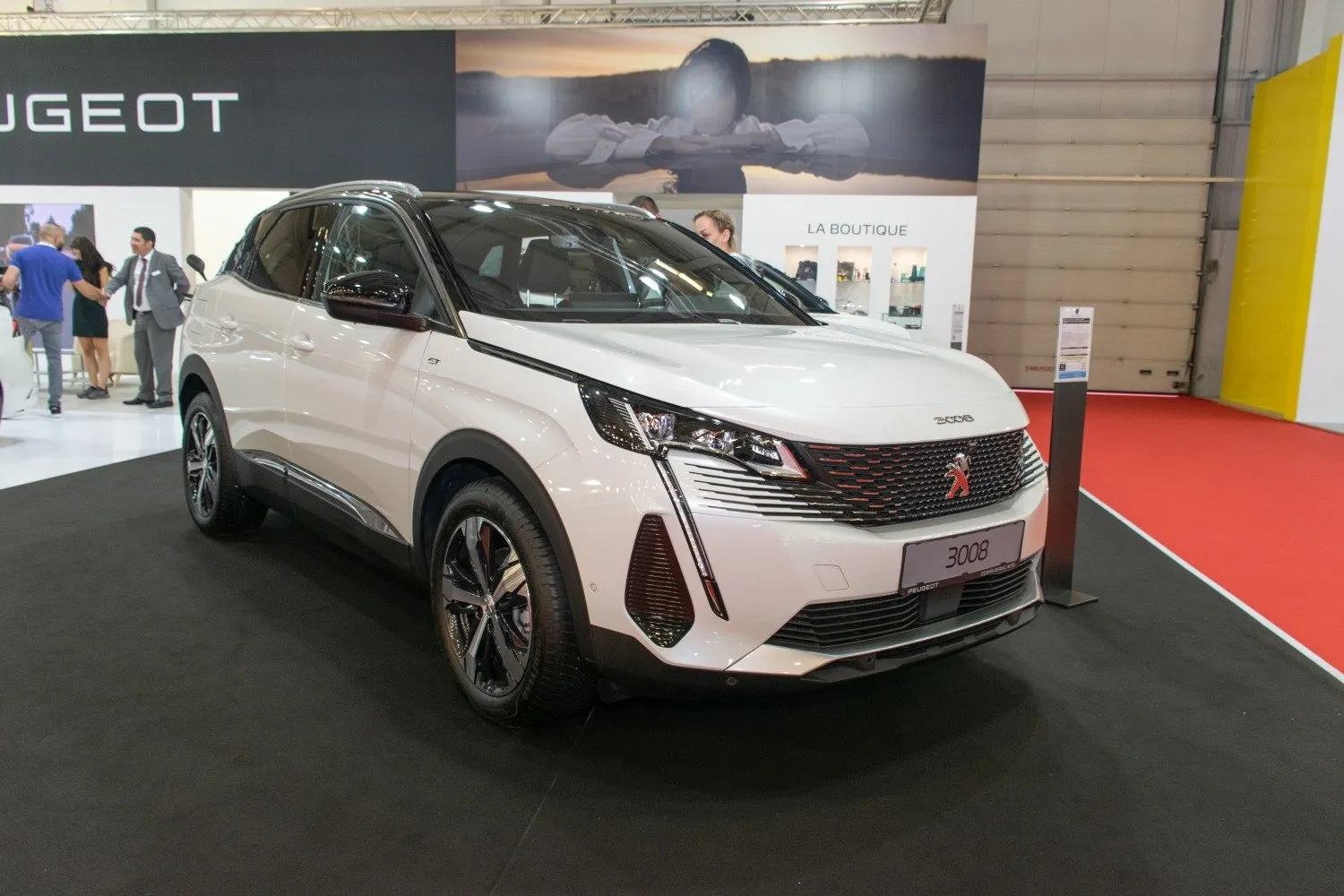
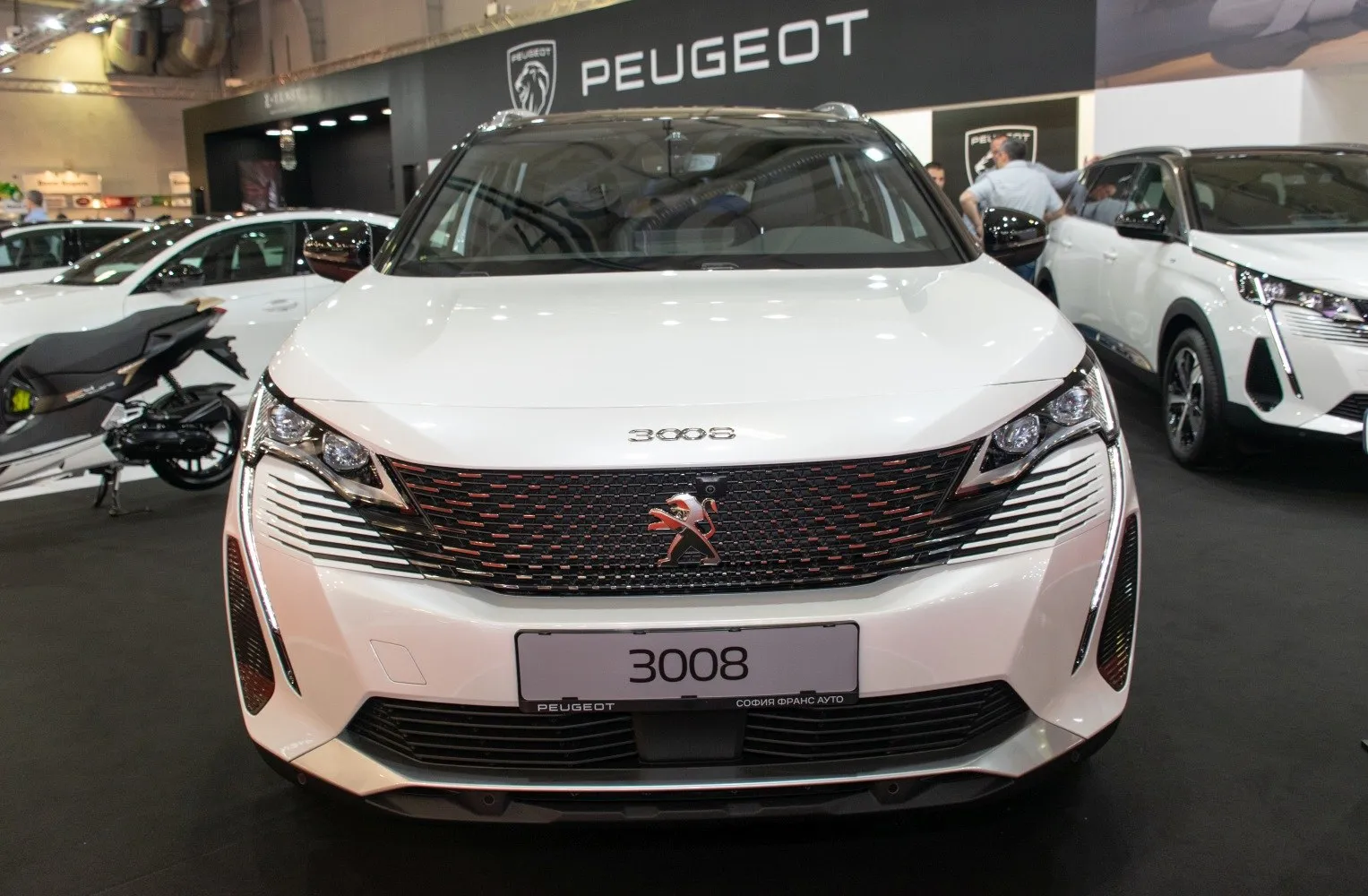
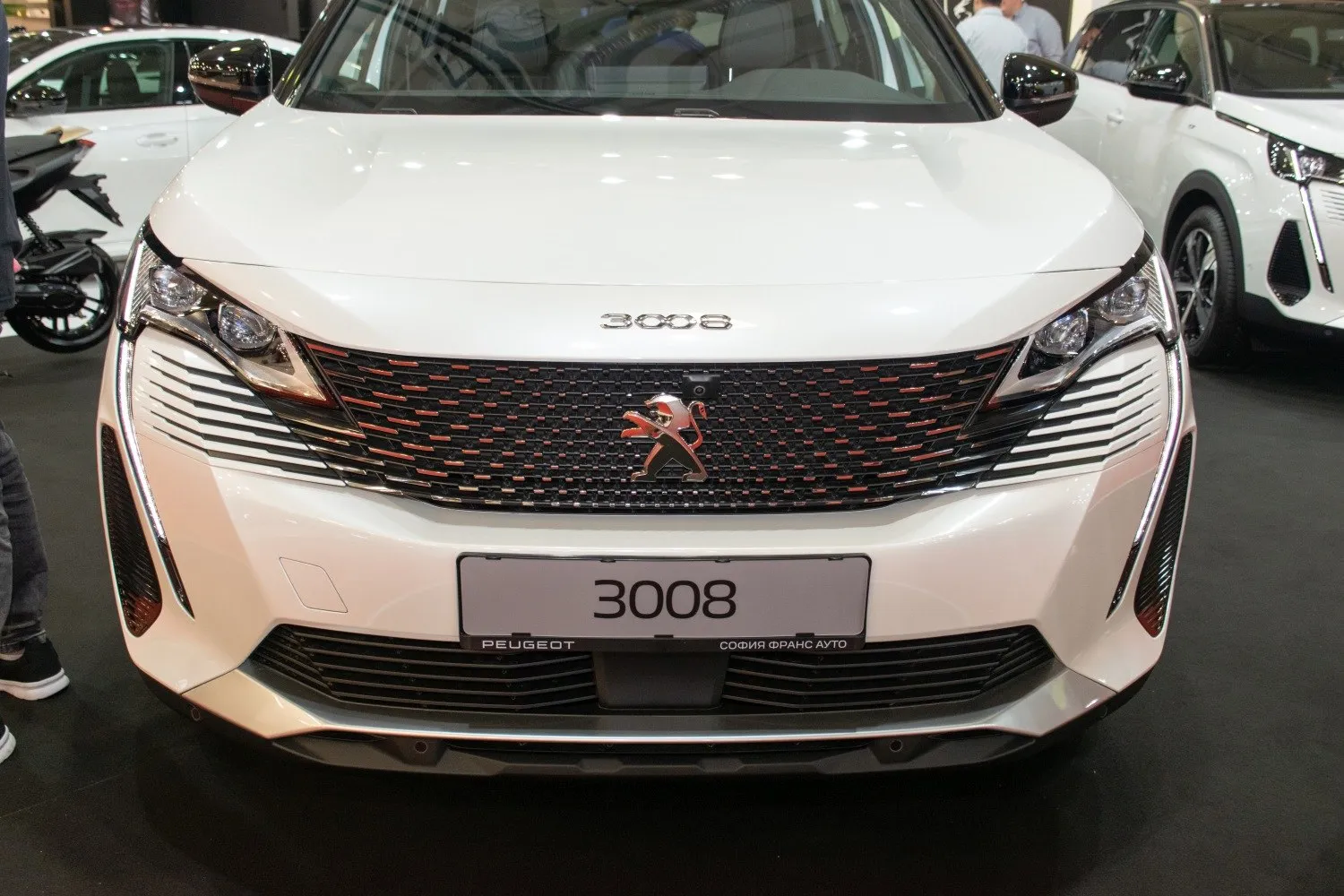
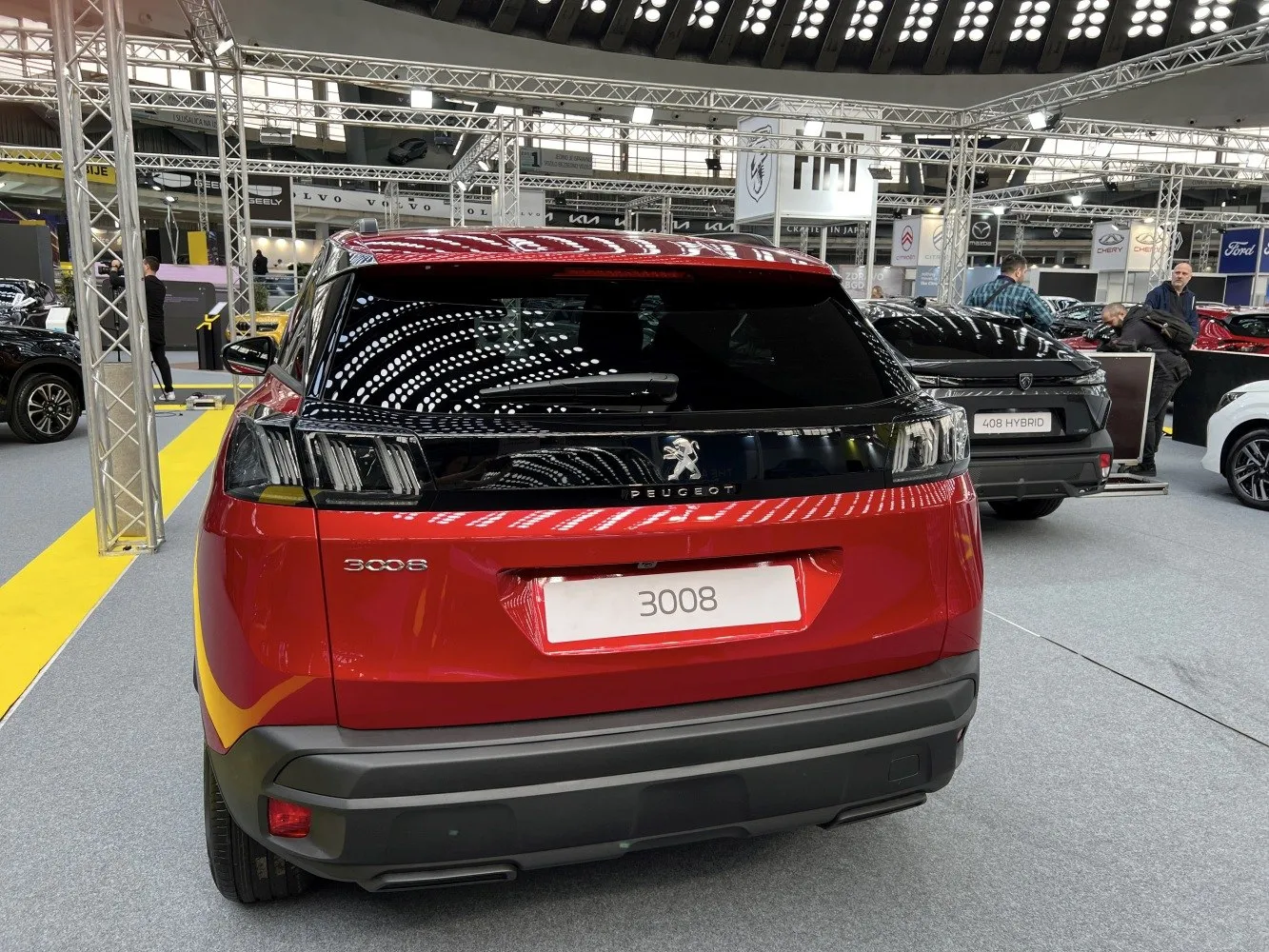
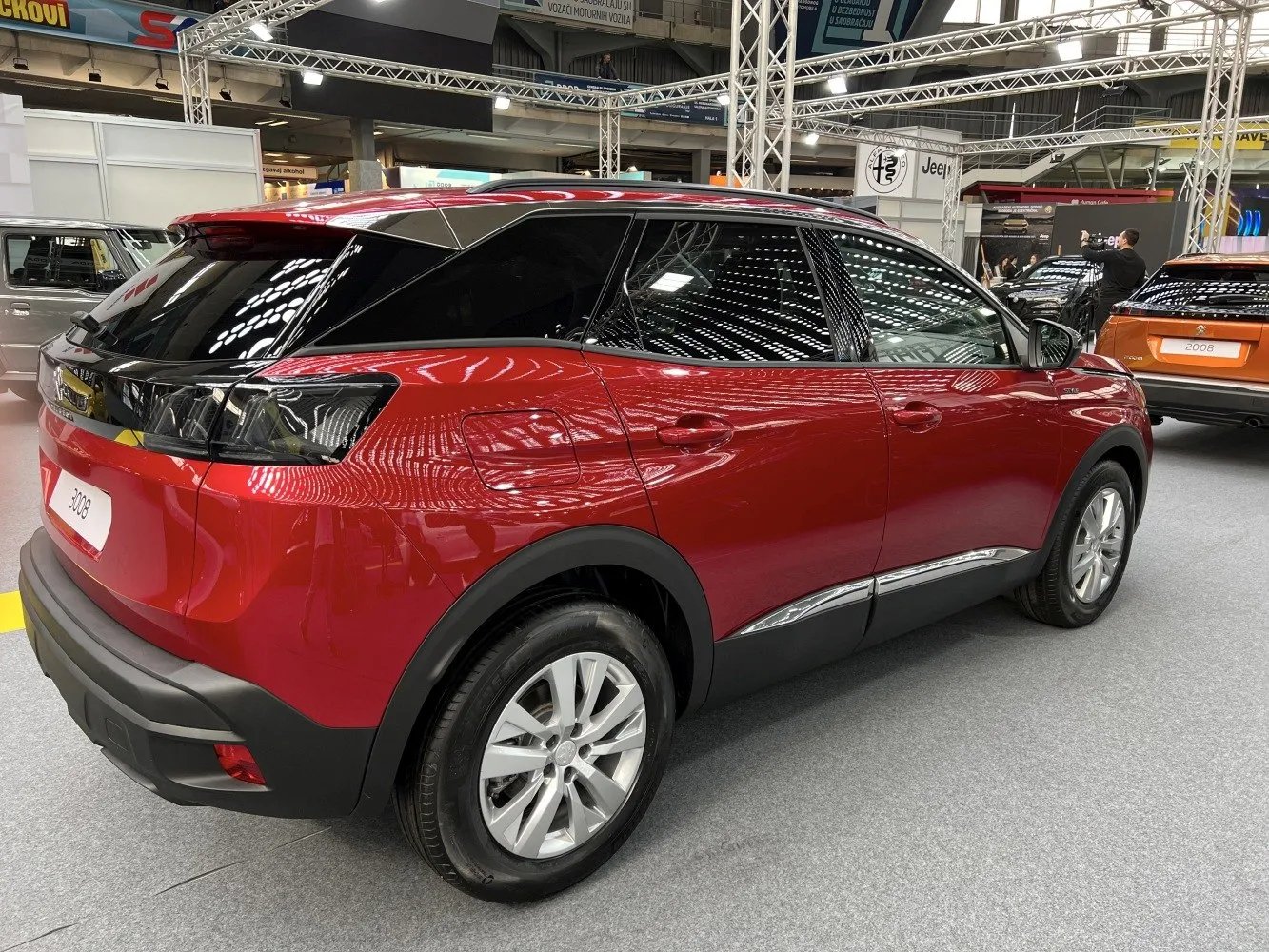
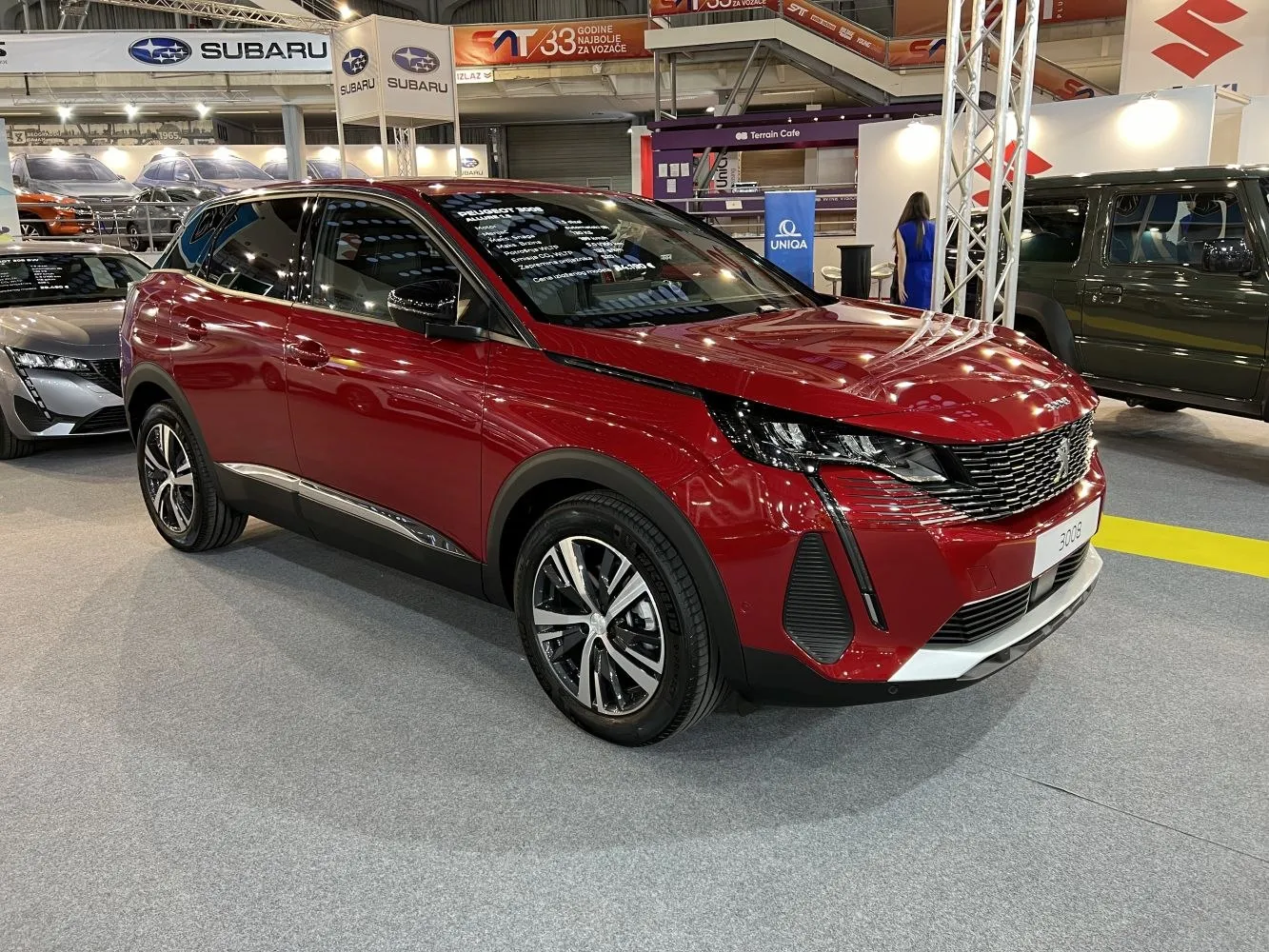
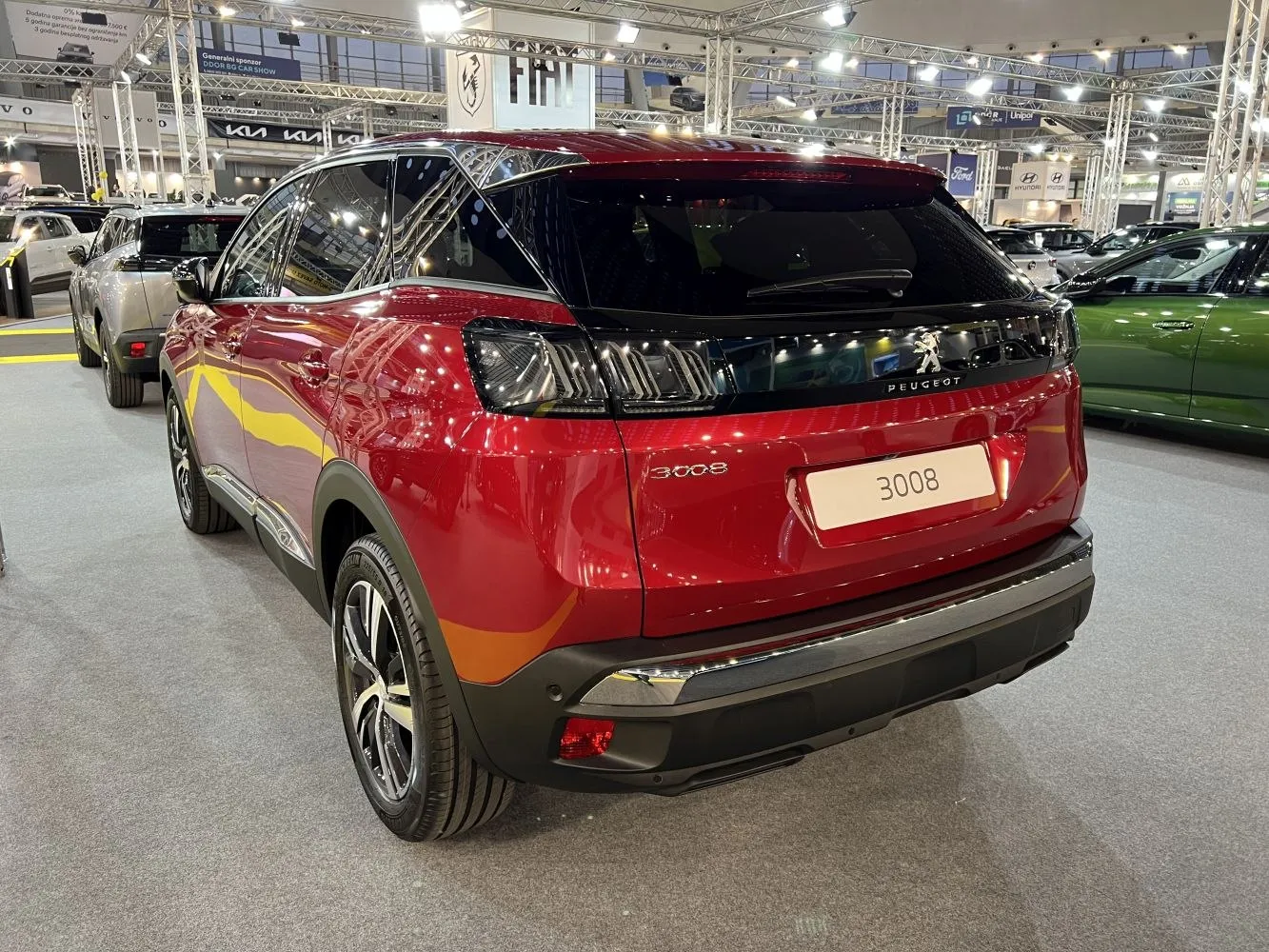
The Peugeot 3008 II (Phase II, 2020) is an elegant SUV that has gained popularity due to its unique combination of style and functionality. Produced since 2020, it is a five-door vehicle accommodating five passengers, ideal for families and individuals looking for a reliable car with a spacious interior. The bold design featuring a distinctive grille and modern LED lights gives it a unique character, while the high-quality interior finish and numerous amenities ensure top-level comfort.

The 3008 II offers a wide range of powertrains, including petrol, diesel, and hybrid options. Engine power ranges from 131 to 300 HP, allowing for customization to meet various driver needs. Options include the economical 1.2 PureTech and the powerful 1.6 Hybrid4 with 300 HP, which combines the advantages of hybrid drive with dynamic performance. Most configurations are available with the e-EAT8 automatic transmission, which ensures smooth and comfortable driving, enhancing the overall fuel efficiency of the vehicle.

Offering front-wheel drive or optional all-wheel drive, the Peugeot 3008 II provides excellent traction and stability on various surfaces. Its agility makes it an excellent choice for city driving, while the comfort of the suspension ensures long journeys are a pleasure. A high level of comfort is supported by advanced driver-assistance technologies such as adaptive cruise control, lane-keeping assist, and the latest generation of the i-Cockpit infotainment system, which together enhance safety and driving enjoyment.

Despite its numerous advantages, potential buyers should be aware of a few concerns. The Peugeot 3008 II may experience electronic issues, particularly regarding connectivity and multimedia management. Additionally, higher servicing costs for hybrid versions may pose a challenge for some owners. Furthermore, while the overall build quality is high, some users may notice quicker wear of certain interior elements with intensive use.

The Peugeot 3008 II (Phase II, 2020) stands out in the market due to its modern design, advanced technologies, and diverse powertrain options. It is an excellent choice for those seeking a stylish and versatile SUV with a comfortable interior and dynamic performance. When considering the purchase of this model, it is worth appreciating its adaptability in both urban conditions and on longer trips, making it an attractive competitor in its segment.