
Vehicle specifications
Hyundai i20 II Active
Compare all 4 engine versions of the Hyundai i20 i20 II Active, then open the technical data for the exact drivetrain and production year.
Vehicle history report
Buying a used Hyundai i20 II Active? Check the history of the exact car
A VIN report can help confirm the exact engine, equipment, mileage records and reported damage before you buy.
Vehicle photos
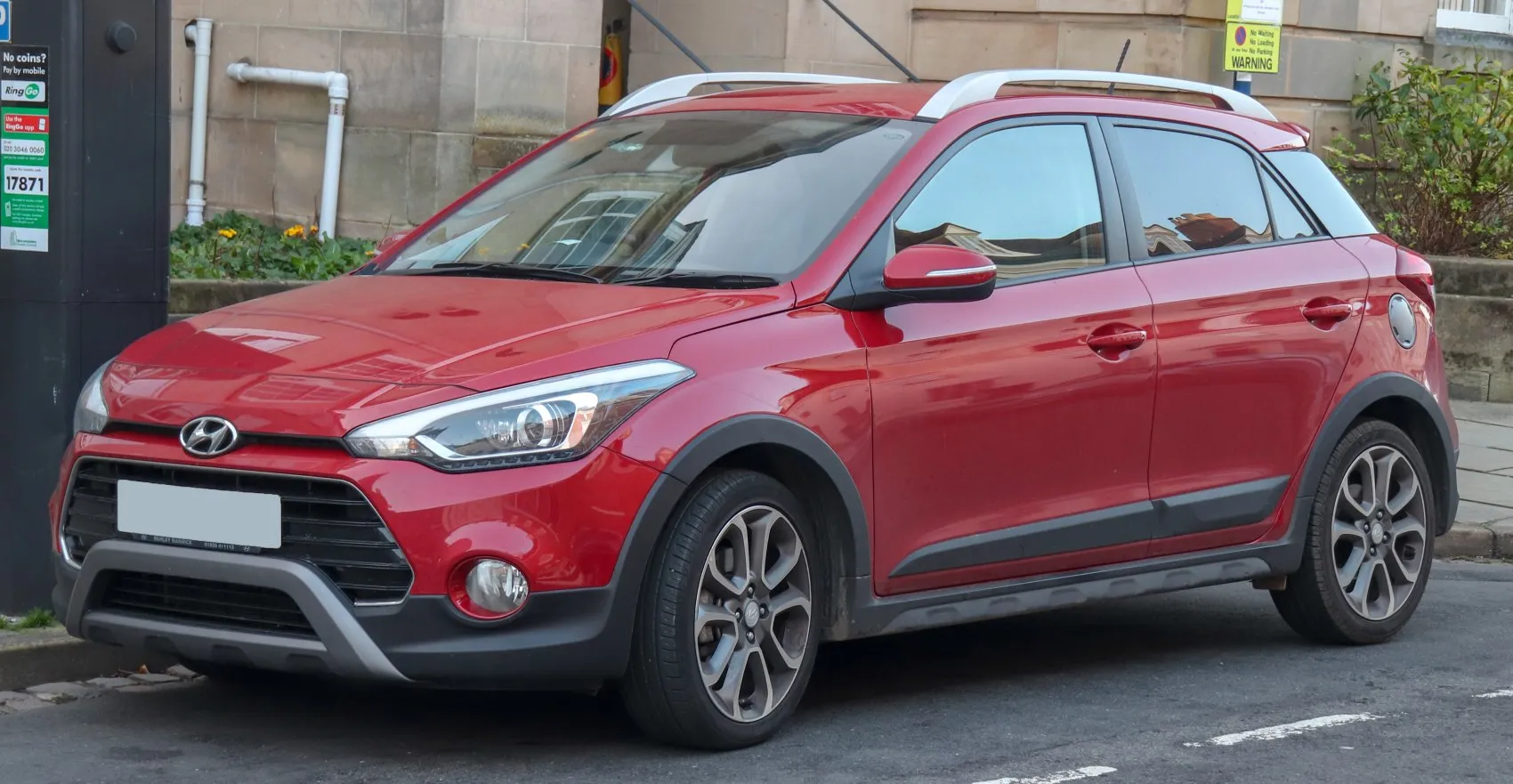
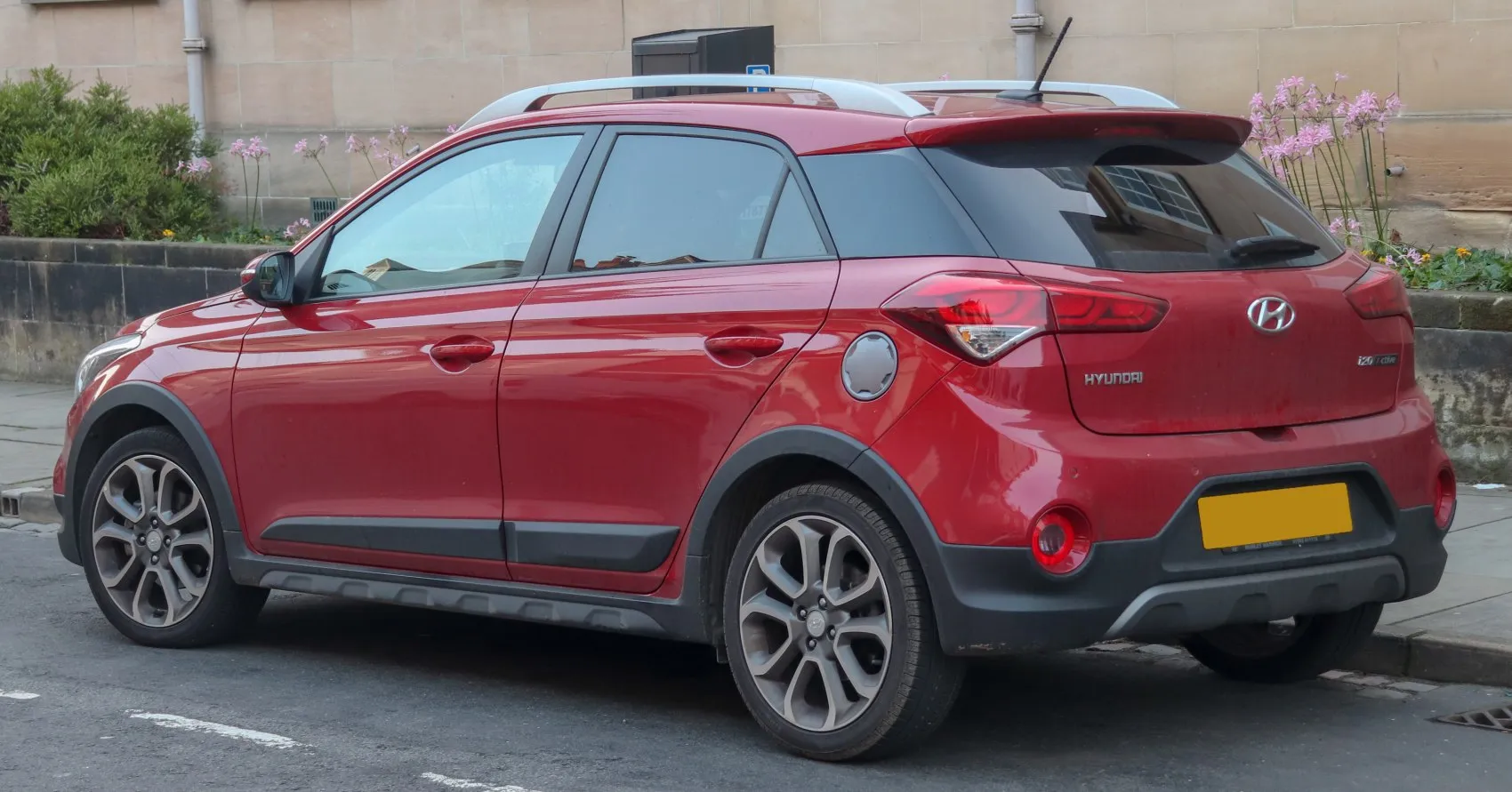
1 of 4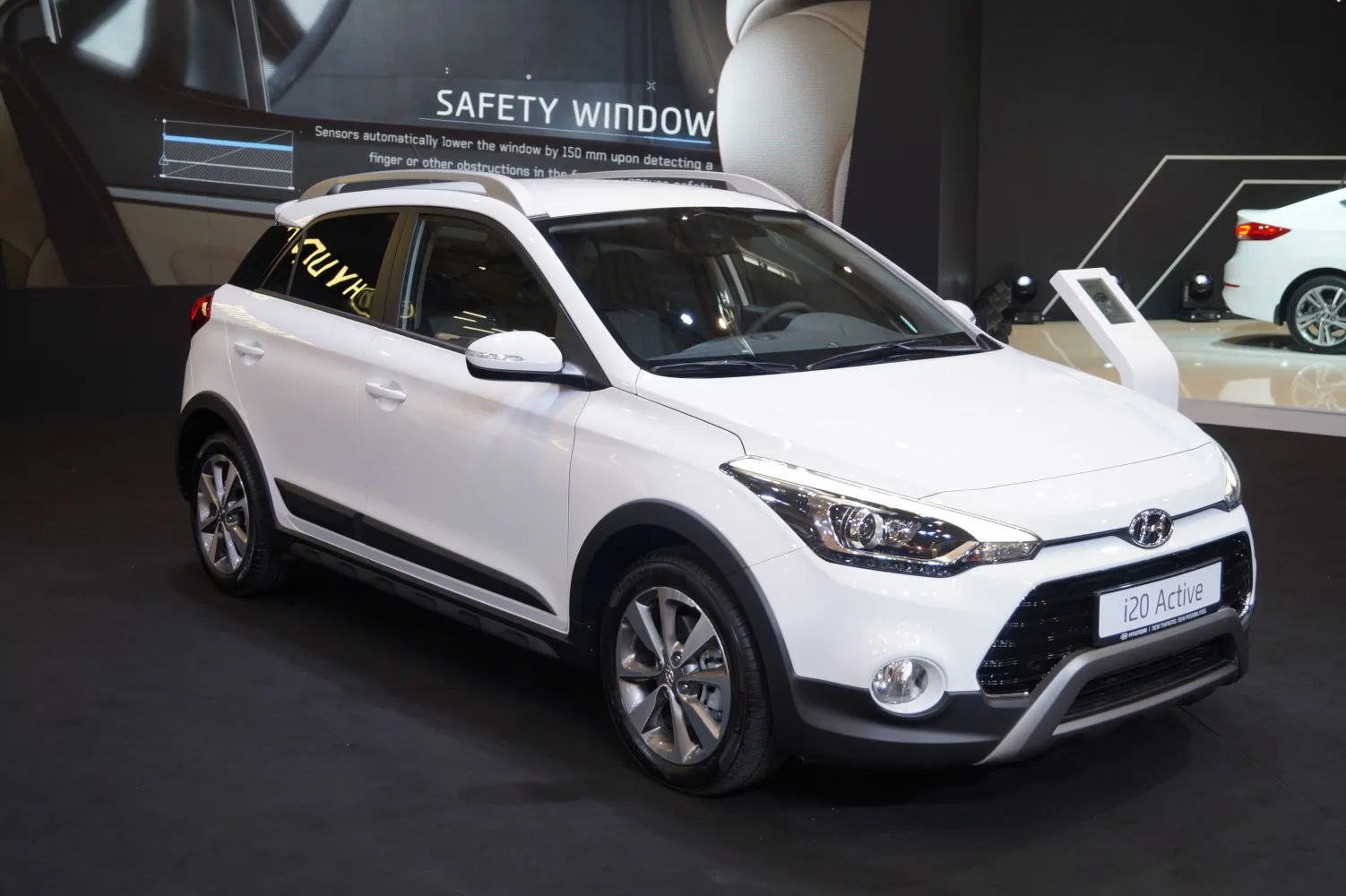 View larger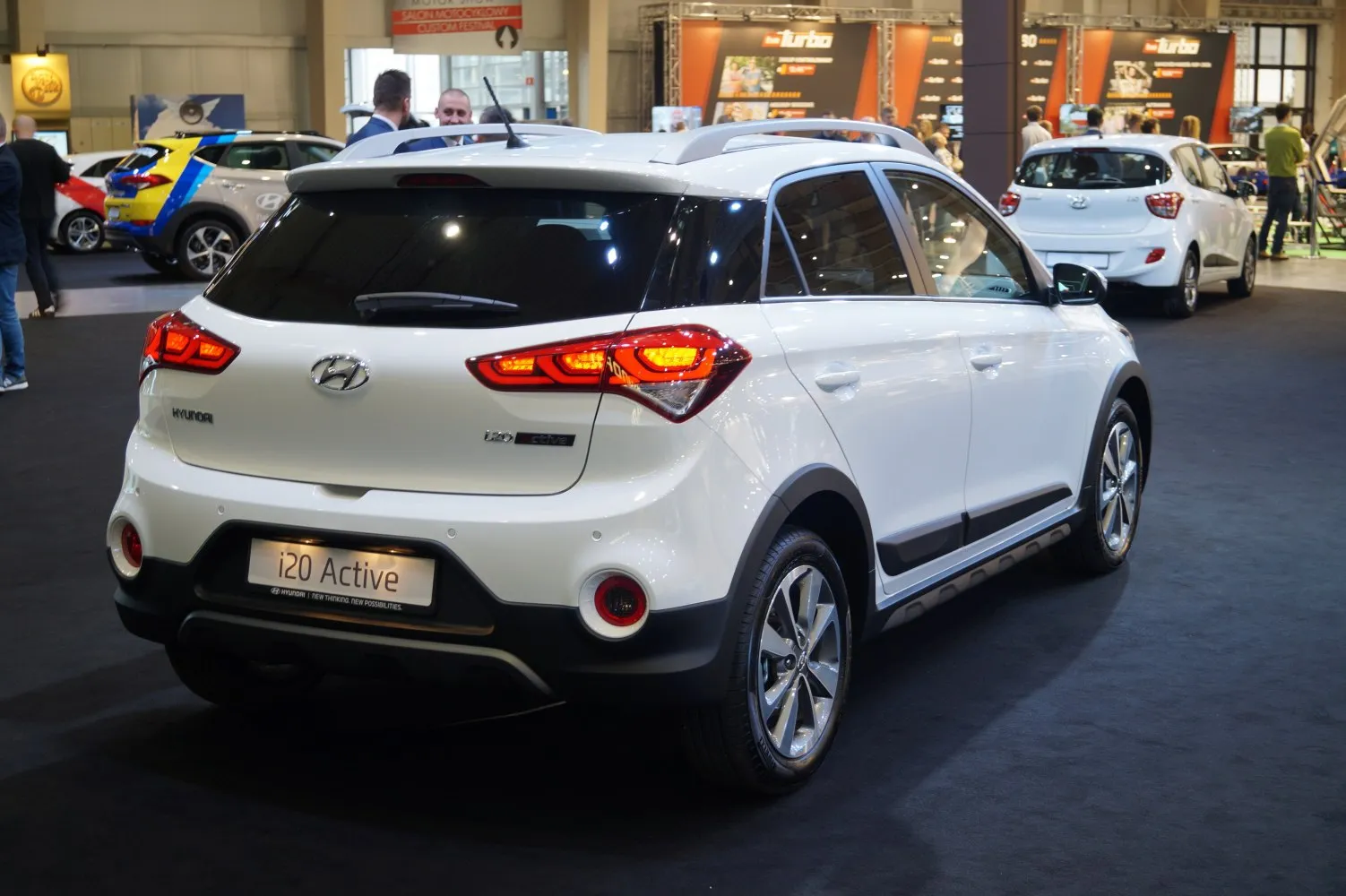
Choose a drivetrain
Engine versions
Select a row to update the key figures and detailed specifications below.
4 versions · 3 Gasoline · 1 Diesel fuel
| Engine | Fuel | Power | Production |
|---|---|---|---|
| 1.0 T-GDI (100 KM) Selected | Gasoline | 100 KM | 2016–2018 |
| 1.4 CRDi (90 KM) Selected | Diesel fuel | 90 KM | 2016–2018 |
| 1.0 T-GDI (120 KM) Selected | Gasoline | 120 KM | 2016–2018 |
| 1.4 (100 KM) Selected | Gasoline | 100 KM | 2016–2018 |
No matching engine version
Try a model number, power figure or clear the fuel filter.
Selected engine version
1.0 T-GDI (100 KM)
Gasoline · 2016–2018
- Engine power
- 100 KM
- Torque
- 172 Nm
- Engine displacement
- 998 cm³
- Fuel type
- Gasoline
- Acceleration 0-100 km/h
- 10.9 s
- Maximum speed
- 176 km/h
On this page
Check vehicle history
Basic version information
Hyundai i20 i20 II Active- Brand
- Hyundai
- Model
- i20
- Version
- i20 II Active
- Engine
- 1.0 T-GDI (100 KM)
- Engine type
- Combustion engine
- Number of doors
- 5
- Start of production
- 2016
- End of production
- 2018
- Body type
- Crossover
- Number of seats
- 5
- Fuel type
- Gasoline
Performance
- Maximum speed
- 176 km/h
- Acceleration 0-100 km/h
- 10.9 s
- Fuel consumption - Combined cycle
- 4.6-4.8 l/100 km
- Emission standard
- Euro 6
- CO2 emissions
- 106-111 g/km
Engine
- Engine model / code
- KappaII/G3LC
- Engine position
- Front, Transverse
- Engine displacement
- 998 cm³
- Fuel injection system
- Direct injection
- Engine type
- Turbocharger, Intercooler
- Valvetrain
- DOHC
- Engine configuration
- Inline
- Number of cylinders
- 3
- Cylinder bore
- 71 mm
- Piston stroke
- 84 mm
- Compression ratio
- 10
- Number of valves per cylinder
- 4
- Engine oil capacity
- 3.6 l
- Coolant capacity
- 6.4 l
- Power
- 100 KM @ 4500 obr./min
- Torque
- 172 Nm @ 1500 obr./min
Volume and weight
- Fuel tank
- 50 l
- Minimum trunk capacity
- 326 l
- Maximum trunk capacity
- 1042 l
- Curb weight
- 1085 kg
- Gross weight
- 1610 kg
- Roof load
- 70 kg
Vehicle dimensions
- Length
- 4065 mm
- Width
- 1760 mm
- Height
- 1529 mm
- Wheelbase
- 2570 mm
- Front track
- 1511-1517 mm
- Rear track
- 1513-1519 mm
- Ground clearance
- 160 mm
- Front overhang
- 843 mm
- Rear overhang
- 652 mm
- Turning circle
- 10.2 m
Drivetrain, Brakes and suspension
- Drive
- Front-wheel drive
- Number of gears
- 5
- Front suspension
- Independent McPherson type
- Rear suspension
- Semi-independent spring suspension
- Front brakes
- Ventilated disc
- Rear brakes
- Disc
- Steering system
- Rack-and-pinion
- Power steering
- Electric power steering
- Tire size
- 185/65 R15; 195/55 R16; 205/45 R17
- Rim size
- 6.0J x 15; 6.0J x 16; 6.5J x 17
- ABS
- yes
Selected engine version
1.4 CRDi (90 KM)
Diesel fuel · 2016–2018
- Engine power
- 90 KM
- Torque
- 240 Nm
- Engine displacement
- 1,396 cm³
- Fuel type
- Diesel fuel
- Acceleration 0-100 km/h
- 12.3 s
- Maximum speed
- 170 km/h
On this page
Check vehicle history
Basic version information
Hyundai i20 i20 II Active- Brand
- Hyundai
- Model
- i20
- Version
- i20 II Active
- Engine
- 1.4 CRDi (90 KM)
- Engine type
- Combustion engine
- Number of doors
- 5
- Start of production
- 2016
- End of production
- 2018
- Body type
- Crossover
- Number of seats
- 5
- Fuel type
- Diesel fuel
Performance
- Maximum speed
- 170 km/h
- Acceleration 0-100 km/h
- 12.3 s
- Fuel consumption - Combined cycle
- 4.2-4.3 l/100 km
- Emission standard
- Euro 6
- CO2 emissions
- 110-115 g/km
Engine
- Engine model / code
- D4FC
- Engine position
- Front, Transverse
- Engine displacement
- 1396 cm³
- Fuel injection system
- Diesel common rail
- Engine type
- Turbocharger, Intercooler
- Engine configuration
- Inline
- Number of cylinders
- 4
- Cylinder bore
- 75 mm
- Piston stroke
- 79 mm
- Compression ratio
- 16
- Number of valves per cylinder
- 4
- Engine oil capacity
- 5.3 l
- Coolant capacity
- 6.4 l
- Power
- 90 KM @ 4000 obr./min
- Torque
- 240 Nm @ 1500-2500 obr./min
Volume and weight
- Fuel tank
- 50 l
- Minimum trunk capacity
- 326 l
- Maximum trunk capacity
- 1042 l
- Curb weight
- 1175 kg
- Gross weight
- 1700 kg
- Roof load
- 70 kg
Vehicle dimensions
- Length
- 4065 mm
- Width
- 1760 mm
- Height
- 1529 mm
- Wheelbase
- 2570 mm
- Front track
- 1511-1517 mm
- Rear track
- 1513-1519 mm
- Ground clearance
- 160 mm
- Front overhang
- 843 mm
- Rear overhang
- 652 mm
- Turning circle
- 10.2 m
Drivetrain, Brakes and suspension
- Drive
- Front-wheel drive
- Number of gears
- 6
- Front suspension
- Independent McPherson type
- Rear suspension
- Semi-independent spring suspension
- Front brakes
- Ventilated disc
- Rear brakes
- Disc
- Steering system
- Rack-and-pinion
- Power steering
- Electric power steering
- Tire size
- 185/65 R15; 195/55 R16; 205/45 R17
- Rim size
- 6.0J x 15; 6.0J x 16; 6.5J x 17
- ABS
- yes
Selected engine version
1.0 T-GDI (120 KM)
Gasoline · 2016–2018
- Engine power
- 120 KM
- Torque
- 172 Nm
- Engine displacement
- 998 cm³
- Fuel type
- Gasoline
- Acceleration 0-100 km/h
- 10.3 s
- Maximum speed
- 183 km/h
On this page
Check vehicle history
Basic version information
Hyundai i20 i20 II Active- Brand
- Hyundai
- Model
- i20
- Version
- i20 II Active
- Engine
- 1.0 T-GDI (120 KM)
- Engine type
- Combustion engine
- Number of doors
- 5
- Start of production
- 2016
- End of production
- 2018
- Body type
- Crossover
- Number of seats
- 5
- Fuel type
- Gasoline
Performance
- Maximum speed
- 183 km/h
- Acceleration 0-100 km/h
- 10.3 s
- Fuel consumption - Combined cycle
- 5.0-5.2 l/100 km
- Emission standard
- Euro 6
- CO2 emissions
- 116-121 g/km
Engine
- Engine model / code
- KappaII/G3LC
- Engine position
- Front, Transverse
- Engine displacement
- 998 cm³
- Fuel injection system
- Direct injection
- Engine type
- Turbocharger, Intercooler
- Valvetrain
- DOHC
- Engine configuration
- Inline
- Number of cylinders
- 3
- Cylinder bore
- 71 mm
- Piston stroke
- 84 mm
- Compression ratio
- 10
- Number of valves per cylinder
- 4
- Engine oil capacity
- 3.6 l
- Coolant capacity
- 6.4 l
- Power
- 120 KM @ 6000 obr./min
- Torque
- 172 Nm @ 1500 obr./min
Volume and weight
- Fuel tank
- 50 l
- Minimum trunk capacity
- 326 l
- Maximum trunk capacity
- 1042 l
- Curb weight
- 1090 kg
- Gross weight
- 1650 kg
- Roof load
- 70 kg
Vehicle dimensions
- Length
- 4065 mm
- Width
- 1760 mm
- Height
- 1529 mm
- Wheelbase
- 2570 mm
- Front track
- 1511-1517 mm
- Rear track
- 1513-1519 mm
- Ground clearance
- 160 mm
- Front overhang
- 843 mm
- Rear overhang
- 652 mm
- Turning circle
- 10.2 m
Drivetrain, Brakes and suspension
- Drive
- Front-wheel drive
- Number of gears
- 6
- Front suspension
- Independent McPherson type
- Rear suspension
- Semi-independent spring suspension
- Front brakes
- Ventilated disc
- Rear brakes
- Disc
- Steering system
- Rack-and-pinion
- Power steering
- Electric power steering
- Tire size
- 185/65 R15; 195/55 R16; 205/45 R17
- Rim size
- 6.0J x 15; 6.0J x 16; 6.5J x 17
- ABS
- yes
Selected engine version
1.4 (100 KM)
Gasoline · 2016–2018
- Engine power
- 100 KM
- Torque
- 134 Nm
- Engine displacement
- 1,368 cm³
- Fuel type
- Gasoline
- Acceleration 0-100 km/h
- 11.9 s
- Maximum speed
- 178 km/h
On this page
Check vehicle history
Basic version information
Hyundai i20 i20 II Active- Brand
- Hyundai
- Model
- i20
- Version
- i20 II Active
- Engine
- 1.4 (100 KM)
- Engine type
- Combustion engine
- Number of doors
- 5
- Start of production
- 2016
- End of production
- 2018
- Body type
- Crossover
- Number of seats
- 5
- Fuel type
- Gasoline
Performance
- Maximum speed
- 178 km/h
- Acceleration 0-100 km/h
- 11.9 s
- Fuel consumption - Combined cycle
- 5.6-5.8 l/100 km
- Emission standard
- Euro 6
- CO2 emissions
- 129-135 g/km
Engine
- Engine model / code
- Kappa/G4LC
- Engine position
- Front, Transverse
- Engine displacement
- 1368 cm³
- Fuel injection system
- Multi-point injection
- Engine type
- Naturally aspirated engine
- Valvetrain
- DOHC
- Engine configuration
- Inline
- Number of cylinders
- 4
- Cylinder bore
- 72 mm
- Piston stroke
- 84 mm
- Compression ratio
- 10.5
- Number of valves per cylinder
- 4
- Engine oil capacity
- 3.5 l
- Coolant capacity
- 4.3 l
- Power
- 100 KM @ 6000 obr./min
- Torque
- 134 Nm @ 3500 obr./min
Volume and weight
- Fuel tank
- 50 l
- Minimum trunk capacity
- 326 l
- Maximum trunk capacity
- 1042 l
- Curb weight
- 1050 kg
- Gross weight
- 1620 kg
- Roof load
- 70 kg
Vehicle dimensions
- Length
- 4065 mm
- Width
- 1760 mm
- Height
- 1529 mm
- Wheelbase
- 2570 mm
- Front track
- 1511-1517 mm
- Rear track
- 1513-1519 mm
- Ground clearance
- 160 mm
- Front overhang
- 843 mm
- Rear overhang
- 652 mm
- Turning circle
- 10.2 m
Drivetrain, Brakes and suspension
- Drive
- Front-wheel drive
- Number of gears
- 6
- Front suspension
- Independent McPherson type
- Rear suspension
- Semi-independent spring suspension
- Front brakes
- Ventilated disc
- Rear brakes
- Disc
- Steering system
- Rack-and-pinion
- Power steering
- Electric power steering
- Tire size
- 185/65 R15; 195/55 R16; 205/45 R17
- Rim size
- 6.0J x 15; 6.0J x 16; 6.5J x 17
- ABS
- yes