

Skip to content

Vehicle specifications

Hyundai i30 II

Compare all 12 engine versions of the Hyundai i30 i30 II, then open the technical data for the exact drivetrain and production year.

Vehicle history report

Buying a used Hyundai i30 II? Check the history of the exact car

A VIN report can help confirm the exact engine, equipment, mileage records and reported damage before you buy.

What is a VIN?
1 of 13
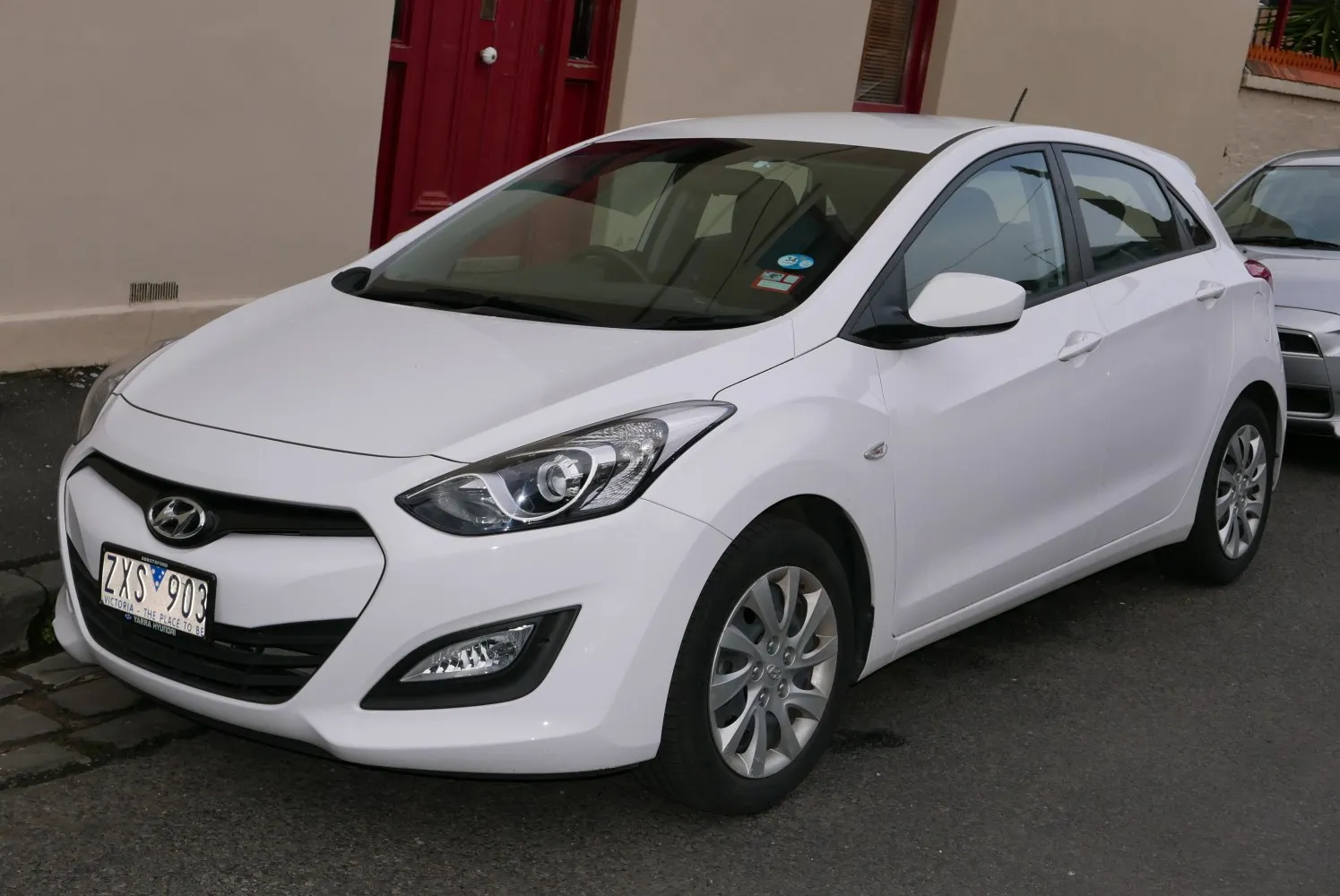
Hyundai i30 i30 II View larger
Photo: OSX, Public domain, via Wikimedia Commons

Vehicle gallery

Hyundai i30 i30 II

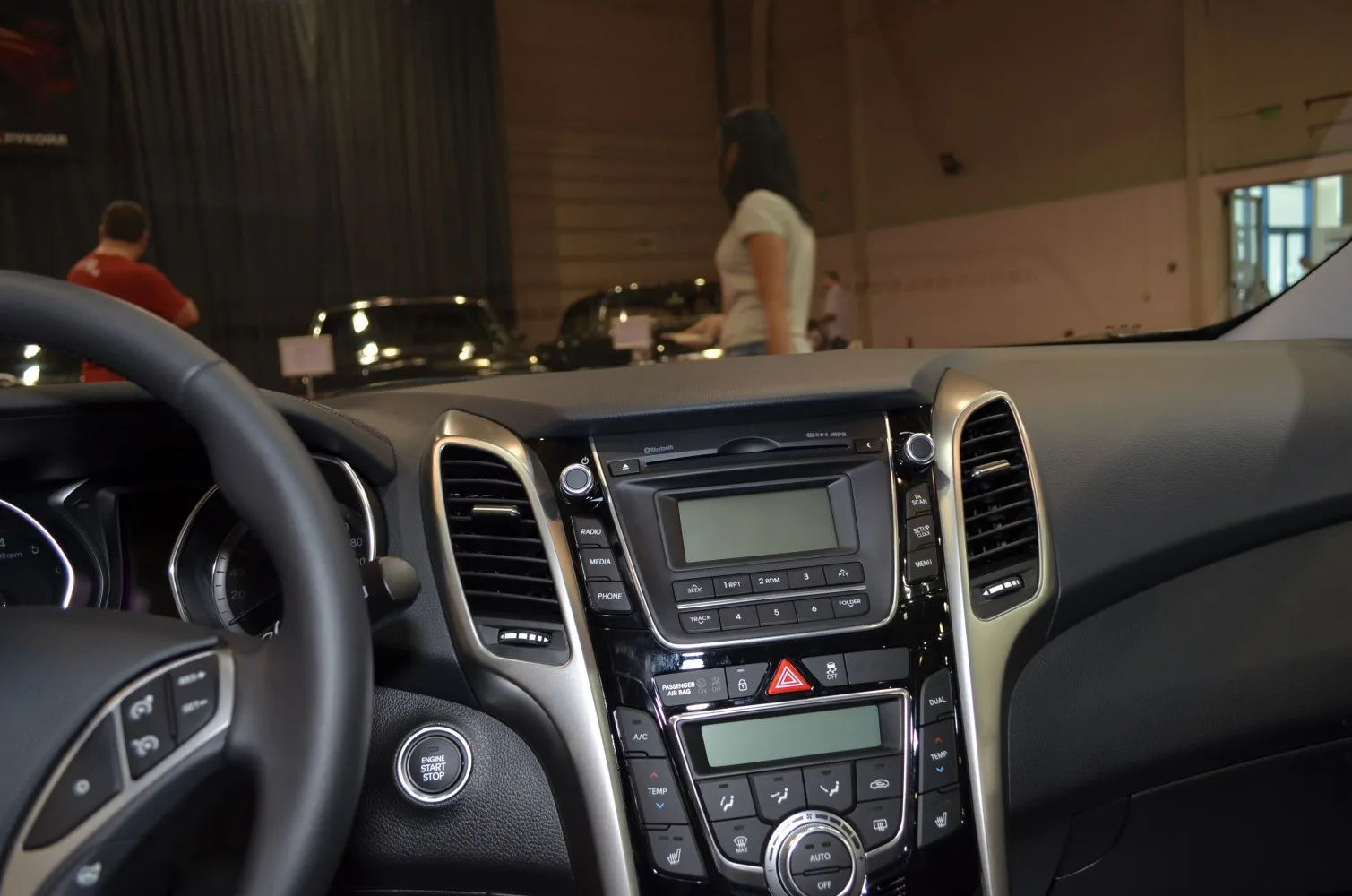
Photo: OSX, Public domain, via Wikimedia Commons

Choose a drivetrain

Engine versions

Select a row to update the key figures and detailed specifications below.

12 versions · 7 Gasoline · 5 Diesel fuel

Engine Fuel Power Production
1.4 (100 KM) Selected Gasoline 100 KM 2012–2015
1.6 MPI (120 KM) Selected Gasoline 120 KM 2012–2015
1.6 MPI (120 KM) Automatic Selected Gasoline 120 KM 2012–2015
1.6 GDI (135 KM) Selected Gasoline 135 KM 2012–2015
1.6 GDI (135 KM) Automatic Selected Gasoline 135 KM 2012–2015
1.4 CRDi (90 KM) Selected Diesel fuel 90 KM 2012–2015
1.6 CRDi (110 KM) Selected Diesel fuel 110 KM 2012–2015
1.6 CRDi (110 KM) Automatic Selected Diesel fuel 110 KM 2012–2015
1.6 CRDi (128 KM) Selected Diesel fuel 128 KM 2012–2015
1.6 CRDi (128 KM) Automatic Selected Diesel fuel 128 KM 2012–2015
1.8 (150 KM) Selected Gasoline 150 KM 2011–2015
1.8 (150 KM) Automatic Selected Gasoline 150 KM 2011–2015

Selected engine version

1.4 (100 KM)

Gasoline · 2012–2015

Engine power
100 KM
Torque
137 Nm
Engine displacement
1,396 cm³
Fuel type
Gasoline
Acceleration 0-100 km/h
13.2 s
Maximum speed
182 km/h
On this page
Check vehicle history

Basic version information

Brand
Hyundai
Model
i30
Version
i30 II
Engine
1.4 (100 KM)
Engine type
Combustion engine
Number of doors
5
Start of production
2012
End of production
2015
Body type
Hatchback
Number of seats
5
Fuel type
Gasoline

Performance

Maximum speed
182 km/h
Acceleration 0-100 km/h
13.2 s
Fuel consumption - Urban cycle
7.9 l/100 km
Fuel consumption - Extra-urban cycle
4.9 l/100 km
Fuel consumption - Combined cycle
6 l/100 km
Emission standard
Euro 5

Engine

Engine model / code
G4FA
Engine position
Front, Transverse
Engine displacement
1396 cm³
Fuel injection system
Multi-point injection
Engine type
Naturally aspirated engine
Valvetrain
D-CVVT
Engine configuration
Inline
Number of cylinders
4
Cylinder bore
77 mm
Piston stroke
74.99 mm
Compression ratio
10.5
Number of valves per cylinder
4
Engine oil capacity
3.3 l
Coolant capacity
5.8 l
Power
100 KM @ 5500 obr./min
Torque
137 Nm @ 4200 obr./min

Volume and weight

Fuel tank
53 l
Minimum trunk capacity
378 l
Maximum trunk capacity
1316 l
Curb weight
1185 kg
Gross weight
1820 kg

Vehicle dimensions

Length
4300 mm
Width
1780 mm
Height
1470 mm
Wheelbase
2650 mm
Front track
1563 mm
Rear track
1571 mm
Turning circle
10.6 m

Drivetrain, Brakes and suspension

Drive
Front-wheel drive
Number of gears
6
Front suspension
Independent McPherson type
Rear suspension
Independent coil spring suspension
Front brakes
Ventilated disc
Rear brakes
Disc
Steering system
Rack-and-pinion
Power steering
Electric power steering
Tire size
195/65 R15; 205/55 R16; 225/45 R17
Rim size
6.0J x 15; 6.5J x 16; 7.0J x 17
ABS
yes

Selected engine version

1.6 MPI (120 KM)

Gasoline · 2012–2015

Engine power
120 KM
Torque
156 Nm
Engine displacement
1,591 cm³
Fuel type
Gasoline
Acceleration 0-100 km/h
10.9 s
Maximum speed
192 km/h
On this page
Check vehicle history

Basic version information

Brand
Hyundai
Model
i30
Version
i30 II
Engine
1.6 MPI (120 KM)
Engine type
Combustion engine
Number of doors
5
Start of production
2012
End of production
2015
Body type
Hatchback
Number of seats
5
Fuel type
Gasoline

Performance

Maximum speed
192 km/h
Acceleration 0-100 km/h
10.9 s
Fuel consumption - Urban cycle
8.5 l/100 km
Fuel consumption - Extra-urban cycle
5 l/100 km
Fuel consumption - Combined cycle
6.4 l/100 km
Emission standard
Euro 5

Engine

Engine model / code
GammaII/G4FG
Engine position
Front, Transverse
Engine displacement
1591 cm³
Fuel injection system
Multi-point injection
Engine type
Naturally aspirated engine
Valvetrain
D-CVVT
Engine configuration
Inline
Number of cylinders
4
Cylinder bore
77 mm
Piston stroke
85.44 mm
Compression ratio
10.5
Number of valves per cylinder
4
Engine oil capacity
3.6 l
Coolant capacity
5.8 l
Power
120 KM @ 6300 obr./min
Torque
156 Nm @ 4850 obr./min

Volume and weight

Fuel tank
53 l
Minimum trunk capacity
378 l
Maximum trunk capacity
1316 l
Curb weight
1187 kg
Gross weight
1820 kg

Vehicle dimensions

Length
4300 mm
Width
1780 mm
Height
1470 mm
Wheelbase
2650 mm
Front track
1563 mm
Rear track
1571 mm
Turning circle
10.6 m

Drivetrain, Brakes and suspension

Drive
Front-wheel drive
Number of gears
6
Front suspension
Independent McPherson type
Rear suspension
Independent coil spring suspension
Front brakes
Ventilated disc
Rear brakes
Disc
Steering system
Rack-and-pinion
Power steering
Electric power steering
Tire size
195/65 R15; 205/55 R16; 225/45 R17
Rim size
6.0J x 15; 6.5J x 16; 7.0J x 17
ABS
yes

Selected engine version

1.6 MPI (120 KM) Automatic

Gasoline · 2012–2015

Engine power
120 KM
Torque
156 Nm
Engine displacement
1,591 cm³
Fuel type
Gasoline
Acceleration 0-100 km/h
11.9 s
Maximum speed
192 km/h
On this page
Check vehicle history

Basic version information

Brand
Hyundai
Model
i30
Version
i30 II
Engine
1.6 MPI (120 KM) Automatic
Engine type
Combustion engine
Number of doors
5
Start of production
2012
End of production
2015
Body type
Hatchback
Number of seats
5
Fuel type
Gasoline

Performance

Maximum speed
192 km/h
Acceleration 0-100 km/h
11.9 s
Fuel consumption - Urban cycle
9.5 l/100 km
Fuel consumption - Extra-urban cycle
5.2 l/100 km
Fuel consumption - Combined cycle
6.8 l/100 km
Emission standard
Euro 5

Engine

Engine model / code
GammaII/G4FG
Engine position
Front, Transverse
Engine displacement
1591 cm³
Fuel injection system
Multi-point injection
Engine type
Naturally aspirated engine
Valvetrain
D-CVVT
Engine configuration
Inline
Number of cylinders
4
Cylinder bore
77 mm
Piston stroke
85.44 mm
Compression ratio
10.5
Number of valves per cylinder
4
Engine oil capacity
3.6 l
Coolant capacity
5.7 l
Power
120 KM @ 6300 obr./min
Torque
156 Nm @ 4850 obr./min

Volume and weight

Fuel tank
53 l
Minimum trunk capacity
378 l
Maximum trunk capacity
1316 l
Curb weight
1220 kg
Gross weight
1850 kg

Vehicle dimensions

Length
4300 mm
Width
1780 mm
Height
1470 mm
Wheelbase
2650 mm
Front track
1563 mm
Rear track
1571 mm
Turning circle
10.6 m

Drivetrain, Brakes and suspension

Drive
Front-wheel drive
Number of gears
6
Front suspension
Independent McPherson type
Rear suspension
Independent coil spring suspension
Front brakes
Ventilated disc
Rear brakes
Disc
Steering system
Rack-and-pinion
Power steering
Electric power steering
Tire size
195/65 R15; 205/55 R16; 225/45 R17
Rim size
6.0J x 15; 6.5J x 16; 7.0J x 17
ABS
yes

Selected engine version

1.6 GDI (135 KM)

Gasoline · 2012–2015

Engine power
135 KM
Torque
157 Nm
Engine displacement
1,591 cm³
Fuel type
Gasoline
Acceleration 0-100 km/h
9.9 s
Maximum speed
195 km/h
On this page
Check vehicle history

Basic version information

Brand
Hyundai
Model
i30
Version
i30 II
Engine
1.6 GDI (135 KM)
Engine type
Combustion engine
Number of doors
5
Start of production
2012
End of production
2015
Body type
Hatchback
Number of seats
5
Fuel type
Gasoline

Performance

Maximum speed
195 km/h
Acceleration 0-100 km/h
9.9 s
Fuel consumption - Urban cycle
7.7 l/100 km
Fuel consumption - Extra-urban cycle
4.6 l/100 km
Fuel consumption - Combined cycle
5.7 l/100 km
Emission standard
Euro 5

Engine

Engine model / code
G4FD
Engine position
Front, Transverse
Engine displacement
1591 cm³
Fuel injection system
Direct injection
Engine type
Naturally aspirated engine
Valvetrain
D-CVVT
Engine configuration
Inline
Number of cylinders
4
Cylinder bore
77 mm
Piston stroke
85.44 mm
Compression ratio
10.5
Number of valves per cylinder
4
Engine oil capacity
3.6 l
Coolant capacity
5.8 l
Power
135 KM @ 6300 obr./min
Torque
157 Nm @ 4850 obr./min

Volume and weight

Fuel tank
53 l
Minimum trunk capacity
378 l
Maximum trunk capacity
1316 l
Curb weight
1193 kg
Gross weight
1820 kg

Vehicle dimensions

Length
4300 mm
Width
1780 mm
Height
1470 mm
Wheelbase
2650 mm
Front track
1563 mm
Rear track
1571 mm
Turning circle
10.6 m

Drivetrain, Brakes and suspension

Drive
Front-wheel drive
Number of gears
6
Front suspension
Independent McPherson type
Rear suspension
Independent coil spring suspension
Front brakes
Ventilated disc
Rear brakes
Disc
Steering system
Rack-and-pinion
Power steering
Electric power steering
Tire size
195/65 R15; 205/55 R16; 225/45 R17
Rim size
6.0J x 15; 6.5J x 16; 7.0J x 17
ABS
yes

Selected engine version

1.6 GDI (135 KM) Automatic

Gasoline · 2012–2015

Engine power
135 KM
Torque
157 Nm
Engine displacement
1,591 cm³
Fuel type
Gasoline
Acceleration 0-100 km/h
11 s
Maximum speed
192 km/h
On this page
Check vehicle history

Basic version information

Brand
Hyundai
Model
i30
Version
i30 II
Engine
1.6 GDI (135 KM) Automatic
Engine type
Combustion engine
Number of doors
5
Start of production
2012
End of production
2015
Body type
Hatchback
Number of seats
5
Fuel type
Gasoline

Performance

Maximum speed
192 km/h
Acceleration 0-100 km/h
11 s
Fuel consumption - Urban cycle
9.1 l/100 km
Fuel consumption - Extra-urban cycle
5.3 l/100 km
Fuel consumption - Combined cycle
6.7 l/100 km

Engine

Engine model / code
G4FD
Engine position
Front, Transverse
Engine displacement
1591 cm³
Fuel injection system
Direct injection
Engine type
Naturally aspirated engine
Valvetrain
D-CVVT
Engine configuration
Inline
Number of cylinders
4
Cylinder bore
77 mm
Piston stroke
85.44 mm
Compression ratio
10.5
Number of valves per cylinder
4
Engine oil capacity
3.6 l
Coolant capacity
5.7 l
Power
135 KM @ 6300 obr./min
Torque
157 Nm @ 4850 obr./min

Volume and weight

Fuel tank
53 l
Minimum trunk capacity
378 l
Maximum trunk capacity
1316 l
Curb weight
1225 kg
Gross weight
1850 kg

Vehicle dimensions

Length
4300 mm
Width
1780 mm
Height
1470 mm
Wheelbase
2650 mm
Front track
1563 mm
Rear track
1571 mm
Turning circle
10.6 m

Drivetrain, Brakes and suspension

Drive
Front-wheel drive
Number of gears
6
Front suspension
Independent McPherson type
Rear suspension
Independent coil spring suspension
Front brakes
Ventilated disc
Rear brakes
Disc
Steering system
Rack-and-pinion
Power steering
Electric power steering
Tire size
195/65 R15; 205/55 R16; 225/45 R17
Rim size
6.0J x 15; 6.5J x 16; 7.0J x 17
ABS
yes

Selected engine version

1.4 CRDi (90 KM)

Diesel fuel · 2012–2015

Engine power
90 KM
Torque
220 Nm
Engine displacement
1,396 cm³
Fuel type
Diesel fuel
Acceleration 0-100 km/h
13.5 s
Maximum speed
170 km/h
On this page
Check vehicle history

Basic version information

Brand
Hyundai
Model
i30
Version
i30 II
Engine
1.4 CRDi (90 KM)
Engine type
Combustion engine
Number of doors
5
Start of production
2012
End of production
2015
Body type
Hatchback
Number of seats
5
Fuel type
Diesel fuel

Performance

Maximum speed
170 km/h
Acceleration 0-100 km/h
13.5 s
Fuel consumption - Urban cycle
5.3 l/100 km
Fuel consumption - Extra-urban cycle
3.5 l/100 km
Fuel consumption - Combined cycle
4.1 l/100 km
Emission standard
Euro 5

Engine

Engine model / code
D4FC
Engine position
Front, Transverse
Engine displacement
1396 cm³
Fuel injection system
Diesel common rail
Engine type
Turbocharger, Intercooler
Valvetrain
DOHC
Engine configuration
Inline
Number of cylinders
4
Cylinder bore
75 mm
Piston stroke
79 mm
Compression ratio
17
Number of valves per cylinder
4
Engine oil capacity
5.3 l
Coolant capacity
6.9 l
Power
90 KM @ 4000 obr./min
Torque
220 Nm @ 1500-2750 obr./min

Volume and weight

Fuel tank
53 l
Minimum trunk capacity
378 l
Maximum trunk capacity
1316 l
Curb weight
1280 kg
Gross weight
1910 kg

Vehicle dimensions

Length
4300 mm
Width
1780 mm
Height
1470 mm
Wheelbase
2650 mm
Front track
1563 mm
Rear track
1571 mm
Turning circle
10.6 m

Drivetrain, Brakes and suspension

Drive
Front-wheel drive
Number of gears
6
Front suspension
Independent McPherson type
Rear suspension
Independent coil spring suspension
Front brakes
Ventilated disc
Rear brakes
Disc
Steering system
Rack-and-pinion
Power steering
Electric power steering
Tire size
195/65 R15; 205/55 R16; 225/45 R17
Rim size
6.0J x 15; 6.5J x 16; 7.0J x 17
ABS
yes

Selected engine version

1.6 CRDi (110 KM)

Diesel fuel · 2012–2015

Engine power
110 KM
Torque
260 Nm
Engine displacement
1,582 cm³
Fuel type
Diesel fuel
Acceleration 0-100 km/h
11.5 s
Maximum speed
185 km/h
On this page
Check vehicle history

Basic version information

Brand
Hyundai
Model
i30
Version
i30 II
Engine
1.6 CRDi (110 KM)
Engine type
Combustion engine
Number of doors
5
Start of production
2012
End of production
2015
Body type
Hatchback
Number of seats
5
Fuel type
Diesel fuel

Performance

Maximum speed
185 km/h
Acceleration 0-100 km/h
11.5 s
Fuel consumption - Urban cycle
4.9 l/100 km
Fuel consumption - Extra-urban cycle
3.7 l/100 km
Fuel consumption - Combined cycle
4.1 l/100 km
Emission standard
Euro 5

Engine

Engine model / code
D4FB
Engine position
Front, Transverse
Engine displacement
1582 cm³
Fuel injection system
Diesel common rail
Engine type
Turbocharger, Intercooler
Valvetrain
DOHC
Engine configuration
Inline
Number of cylinders
4
Cylinder bore
77.2 mm
Piston stroke
84.5 mm
Compression ratio
17.3
Number of valves per cylinder
4
Engine oil capacity
5.3 l
Coolant capacity
6.9 l
Power
110 KM @ 4000 obr./min
Torque
260 Nm @ 1900-2750 obr./min

Volume and weight

Fuel tank
53 l
Minimum trunk capacity
378 l
Maximum trunk capacity
1316 l
Curb weight
1290 kg
Gross weight
1920 kg

Vehicle dimensions

Length
4300 mm
Width
1780 mm
Height
1470 mm
Wheelbase
2650 mm
Front track
1563 mm
Rear track
1571 mm
Turning circle
10.6 m

Drivetrain, Brakes and suspension

Drive
Front-wheel drive
Number of gears
6
Front suspension
Independent McPherson type
Rear suspension
Independent coil spring suspension
Front brakes
Ventilated disc
Rear brakes
Disc
Steering system
Rack-and-pinion
Power steering
Electric power steering
Tire size
195/65 R15; 205/55 R16; 225/45 R17
Rim size
6.0J x 15; 6.5J x 16; 7.0J x 17
ABS
yes

Selected engine version

1.6 CRDi (110 KM) Automatic

Diesel fuel · 2012–2015

Engine power
110 KM
Torque
260 Nm
Engine displacement
1,582 cm³
Fuel type
Diesel fuel
Acceleration 0-100 km/h
12.3 s
Maximum speed
180 km/h
On this page
Check vehicle history

Basic version information

Brand
Hyundai
Model
i30
Version
i30 II
Engine
1.6 CRDi (110 KM) Automatic
Engine type
Combustion engine
Number of doors
5
Start of production
2012
End of production
2015
Body type
Hatchback
Number of seats
5
Fuel type
Diesel fuel

Performance

Maximum speed
180 km/h
Acceleration 0-100 km/h
12.3 s
Fuel consumption - Urban cycle
7.2 l/100 km
Fuel consumption - Extra-urban cycle
4.5 l/100 km
Fuel consumption - Combined cycle
5.5 l/100 km
Emission standard
Euro 5

Engine

Engine model / code
D4FB
Engine position
Front, Transverse
Engine displacement
1582 cm³
Fuel injection system
Diesel common rail
Engine type
Turbocharger, Intercooler
Valvetrain
DOHC
Engine configuration
Inline
Number of cylinders
4
Cylinder bore
77.2 mm
Piston stroke
84.5 mm
Compression ratio
17.3
Number of valves per cylinder
4
Engine oil capacity
5.3 l
Coolant capacity
6.7 l
Power
110 KM @ 4000 obr./min
Torque
260 Nm @ 1900-2750 obr./min

Volume and weight

Fuel tank
53 l
Minimum trunk capacity
378 l
Maximum trunk capacity
1316 l
Curb weight
1310 kg
Gross weight
1940 kg

Vehicle dimensions

Length
4300 mm
Width
1780 mm
Height
1470 mm
Wheelbase
2650 mm
Front track
1563 mm
Rear track
1571 mm
Turning circle
10.6 m

Drivetrain, Brakes and suspension

Drive
Front-wheel drive
Number of gears
6
Front suspension
Independent McPherson type
Rear suspension
Independent coil spring suspension
Front brakes
Ventilated disc
Rear brakes
Disc
Steering system
Rack-and-pinion
Power steering
Electric power steering
Tire size
195/65 R15; 205/55 R16; 225/45 R17
Rim size
6.0J x 15; 6.5J x 16; 7.0J x 17
ABS
yes

Selected engine version

1.6 CRDi (128 KM)

Diesel fuel · 2012–2015

Engine power
128 KM
Torque
260 Nm
Engine displacement
1,582 cm³
Fuel type
Diesel fuel
Acceleration 0-100 km/h
10.9 s
Maximum speed
197 km/h
On this page
Check vehicle history

Basic version information

Brand
Hyundai
Model
i30
Version
i30 II
Engine
1.6 CRDi (128 KM)
Engine type
Combustion engine
Number of doors
5
Start of production
2012
End of production
2015
Body type
Hatchback
Number of seats
5
Fuel type
Diesel fuel

Performance

Maximum speed
197 km/h
Acceleration 0-100 km/h
10.9 s
Fuel consumption - Urban cycle
4.9 l/100 km
Fuel consumption - Extra-urban cycle
3.7 l/100 km
Fuel consumption - Combined cycle
4.1 l/100 km
Emission standard
Euro 5

Engine

Engine model / code
D4FB
Engine position
Front, Transverse
Engine displacement
1582 cm³
Fuel injection system
Diesel common rail
Engine type
Turbocharger, Intercooler
Valvetrain
DOHC
Engine configuration
Inline
Number of cylinders
4
Cylinder bore
77.2 mm
Piston stroke
84.5 mm
Compression ratio
17.3
Number of valves per cylinder
4
Engine oil capacity
5.3 l
Coolant capacity
6.9 l
Power
128 KM @ 4000 obr./min
Torque
260 Nm @ 1900-2750 obr./min

Volume and weight

Fuel tank
53 l
Minimum trunk capacity
378 l
Maximum trunk capacity
1316 l
Curb weight
1290 kg
Gross weight
1920 kg

Vehicle dimensions

Length
4300 mm
Width
1780 mm
Height
1470 mm
Wheelbase
2650 mm
Front track
1563 mm
Rear track
1571 mm
Turning circle
10.6 m

Drivetrain, Brakes and suspension

Drive
Front-wheel drive
Number of gears
6
Front suspension
Independent McPherson type
Rear suspension
Independent coil spring suspension
Front brakes
Ventilated disc
Rear brakes
Disc
Steering system
Rack-and-pinion
Power steering
Electric power steering
Tire size
195/65 R15; 205/55 R16; 225/45 R17
Rim size
6.0J x 15; 6.5J x 16; 7.0J x 17
ABS
yes

Selected engine version

1.6 CRDi (128 KM) Automatic

Diesel fuel · 2012–2015

Engine power
128 KM
Torque
260 Nm
Engine displacement
1,582 cm³
Fuel type
Diesel fuel
Acceleration 0-100 km/h
11.7 s
Maximum speed
190 km/h
On this page
Check vehicle history

Basic version information

Brand
Hyundai
Model
i30
Version
i30 II
Engine
1.6 CRDi (128 KM) Automatic
Engine type
Combustion engine
Number of doors
5
Start of production
2012
End of production
2015
Body type
Hatchback
Number of seats
5
Fuel type
Diesel fuel

Performance

Maximum speed
190 km/h
Acceleration 0-100 km/h
11.7 s
Fuel consumption - Urban cycle
4.9 l/100 km
Fuel consumption - Extra-urban cycle
3.7 l/100 km
Fuel consumption - Combined cycle
4.1 l/100 km
Emission standard
Euro 5

Engine

Engine model / code
D4FB
Engine position
Front, Transverse
Engine displacement
1582 cm³
Fuel injection system
Diesel common rail
Engine type
Turbocharger, Intercooler
Valvetrain
DOHC
Engine configuration
Inline
Number of cylinders
4
Cylinder bore
77.2 mm
Piston stroke
84.5 mm
Compression ratio
17.3
Number of valves per cylinder
4
Engine oil capacity
5.3 l
Coolant capacity
6.7 l
Power
128 KM @ 4000 obr./min
Torque
260 Nm @ 1900-2750 obr./min

Volume and weight

Fuel tank
53 l
Minimum trunk capacity
378 l
Maximum trunk capacity
1316 l
Curb weight
1310 kg
Gross weight
1940 kg

Vehicle dimensions

Length
4300 mm
Width
1780 mm
Height
1470 mm
Wheelbase
2650 mm
Front track
1563 mm
Rear track
1571 mm
Turning circle
10.6 m

Drivetrain, Brakes and suspension

Drive
Front-wheel drive
Number of gears
6
Front suspension
Independent McPherson type
Rear suspension
Independent coil spring suspension
Front brakes
Ventilated disc
Rear brakes
Disc
Steering system
Rack-and-pinion
Power steering
Electric power steering
Tire size
195/65 R15; 205/55 R16; 225/45 R17
Rim size
6.0J x 15; 6.5J x 16; 7.0J x 17
ABS
yes

Selected engine version

1.8 (150 KM)

Gasoline · 2011–2015

Engine power
150 KM
Torque
178 Nm
Engine displacement
1,797 cm³
Fuel type
Gasoline
On this page
Check vehicle history

Basic version information

Brand
Hyundai
Model
i30
Version
i30 II
Engine
1.8 (150 KM)
Engine type
Combustion engine
Number of doors
5
Start of production
2011
End of production
2015
Body type
Hatchback
Number of seats
5
Fuel type
Gasoline

Performance

Fuel consumption - Urban cycle
8.9 l/100 km
Fuel consumption - Extra-urban cycle
5.1 l/100 km
Fuel consumption - Combined cycle
6.5 l/100 km
CO2 emissions
156 g/km

Engine

Engine model / code
Nu/G4NB
Engine position
Front, Transverse
Engine displacement
1797 cm³
Fuel injection system
Multi-point injection
Engine type
Naturally aspirated engine
Valvetrain
DOHCD-CVVT
Engine configuration
Inline
Number of cylinders
4
Cylinder bore
81 mm
Piston stroke
87.2 mm
Compression ratio
10.3
Number of valves per cylinder
4
Engine oil capacity
4 l
Coolant capacity
5.9 l
Power
150 KM @ 6500 obr./min
Torque
178 Nm @ 4700 obr./min

Volume and weight

Fuel tank
53 l
Minimum trunk capacity
378 l
Maximum trunk capacity
1316 l
Curb weight
1225-1329 kg
Gross weight
1840 kg

Vehicle dimensions

Length
4300 mm
Width
1780 mm
Height
1470 mm
Wheelbase
2650 mm
Front track
1549-1555 mm
Rear track
1562-1568 mm
Ground clearance
140 mm
Turning circle
10.6 m

Drivetrain, Brakes and suspension

Drive
Front-wheel drive
Number of gears
6
Front suspension
Independent McPherson type
Rear suspension
Steer
Front brakes
Ventilated disc
Front brake disc/drum diameter
280 mm
Rear brakes
Disc
Rear brake disc/drum diameter
262 mm
Steering system
Rack-and-pinion
Tire size
205/55 R16; 225/45 R17
Rim size
6.5J x 16; 7.0J x 17
ABS
yes

Selected engine version

1.8 (150 KM) Automatic

Gasoline · 2011–2015

Engine power
150 KM
Torque
178 Nm
Engine displacement
1,797 cm³
Fuel type
Gasoline
On this page
Check vehicle history

Basic version information

Brand
Hyundai
Model
i30
Version
i30 II
Engine
1.8 (150 KM) Automatic
Engine type
Combustion engine
Number of doors
5
Start of production
2011
End of production
2015
Body type
Hatchback
Number of seats
5
Fuel type
Gasoline

Performance

Fuel consumption - Urban cycle
9.7 l/100 km
Fuel consumption - Extra-urban cycle
5.2 l/100 km
Fuel consumption - Combined cycle
6.9 l/100 km
CO2 emissions
164 g/km

Engine

Engine model / code
Nu/G4NB
Engine position
Front, Transverse
Engine displacement
1797 cm³
Fuel injection system
Multi-point injection
Engine type
Naturally aspirated engine
Valvetrain
DOHCD-CVVT
Engine configuration
Inline
Number of cylinders
4
Cylinder bore
81 mm
Piston stroke
87.2 mm
Compression ratio
10.3
Number of valves per cylinder
4
Engine oil capacity
4 l
Coolant capacity
5.8 l
Power
150 KM @ 6500 obr./min
Torque
178 Nm @ 4700 obr./min

Volume and weight

Fuel tank
53 l
Minimum trunk capacity
378 l
Maximum trunk capacity
1316 l
Curb weight
1240-1344 kg
Gross weight
1840 kg

Vehicle dimensions

Length
4300 mm
Width
1780 mm
Height
1470 mm
Wheelbase
2650 mm
Front track
1549-1555 mm
Rear track
1562-1568 mm
Ground clearance
140 mm
Turning circle
10.6 m

Drivetrain, Brakes and suspension

Drive
Front-wheel drive
Number of gears
6
Front suspension
Independent McPherson type
Rear suspension
Steer
Front brakes
Ventilated disc
Front brake disc/drum diameter
280 mm
Rear brakes
Disc
Rear brake disc/drum diameter
262 mm
Steering system
Rack-and-pinion
Tire size
205/55 R16; 225/45 R17
Rim size
6.5J x 16; 7.0J x 17
ABS
yes

About Hyundai i30 i30 II

The Hyundai i30 II, produced between 2011 and 2015, is a five-door hatchback offering seating for five passengers. This model was designed for those who need a practical and stylish car for everyday use. Its elegant design and functionality make it an ideal choice for both younger drivers and families who value comfort and reliability. With modern body lines and a spacious interior, the i30 II combines an attractive appearance with practical solutions.

The car offers a variety of powertrains, including both petrol and diesel options, with power outputs ranging from 90 to 150 hp. Among the available versions are engines such as the 1.6 CRDi (110 hp) and the more dynamic 1.8 (150 hp). Customers can choose between manual and automatic transmissions, allowing for even better tailoring of the vehicle to individual preferences. The Hyundai i30 II strikes a good balance between fuel economy and performance, making it a versatile choice for a wide range of users.

Front-wheel drive and stable handling are features that allow the Hyundai i30 II to perform well in both urban conditions and on longer journeys. The car provides comfortable and smooth driving experiences, and due to its maneuverability, it makes parking and navigating busy city streets easier. Versions equipped with modern assistive systems, such as advanced safety and multimedia systems, further enhance travel comfort.

Although the Hyundai i30 II is valued for its reliability, buyers should be aware of certain potential issues. Some models may experience electronic malfunctions, particularly regarding infotainment systems. There are also notes concerning the durability of certain mechanical components, which can lead to higher service costs. Despite these concerns, the i30 II remains a popular choice due to its overall reliability and user comfort.

The Hyundai i30 II stands out with its modern design, variety of powertrains, and comfortable interior, making it an attractive option in the hatchback segment. Its versatility and reliability attract a wide range of users seeking a practical and stylish vehicle. By combining functionality and modern technologies, the i30 II remains a competitive choice in the used car market.