
Skip to content

Vehicle specifications

Ford Kuga II

Compare all 8 engine versions of the Ford Kuga Kuga II, then open the technical data for the exact drivetrain and production year.

Vehicle history report

Buying a used Ford Kuga II? Check the history of the exact car

A VIN report can help confirm the exact engine, equipment, mileage records and reported damage before you buy.

What is a VIN?
1 of 21
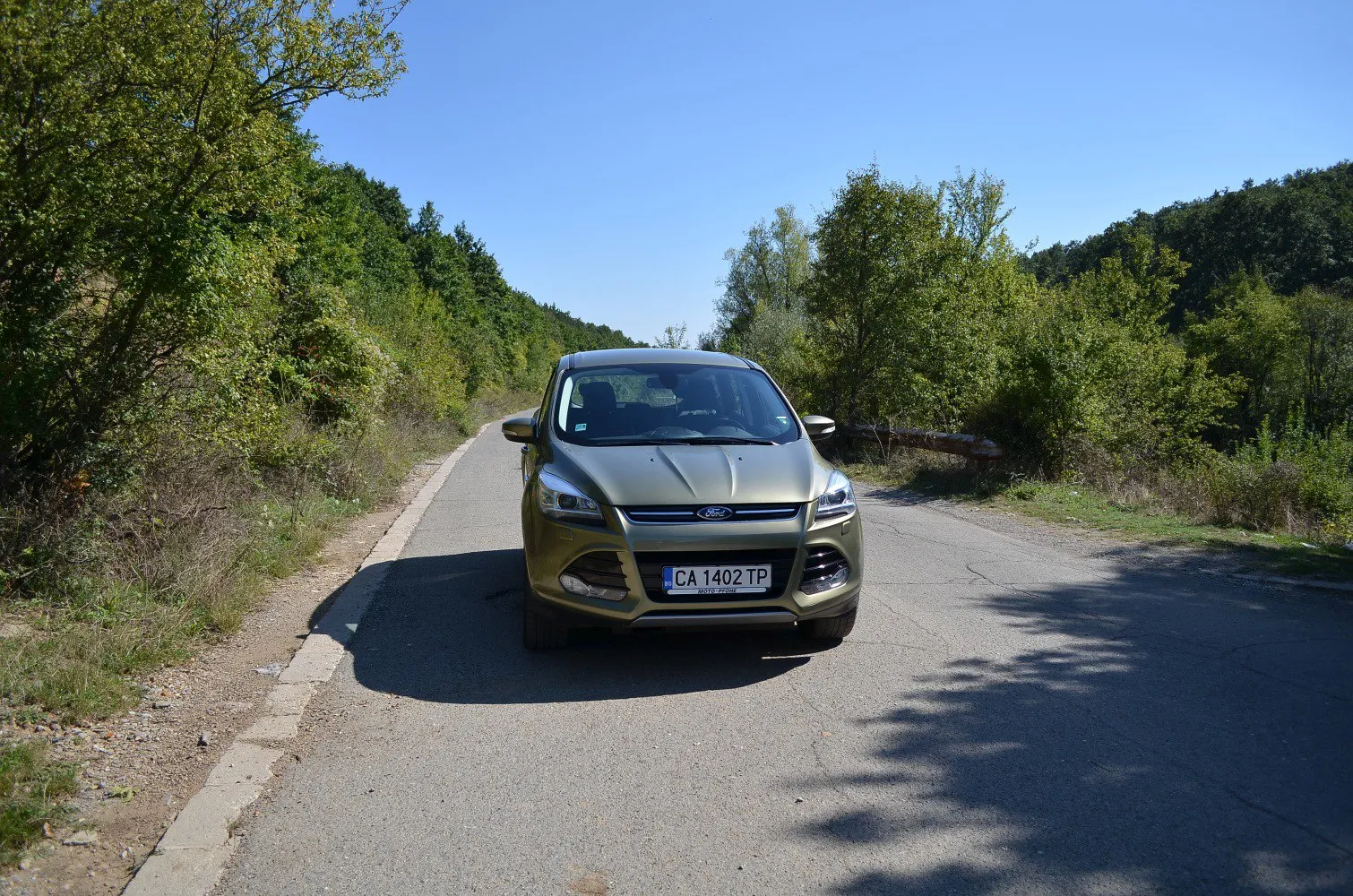
Ford Kuga Kuga II View larger
Photo: © www.Auto-Data.net

Vehicle gallery

Ford Kuga Kuga II

Photo: © www.Auto-Data.net

Choose a drivetrain

Engine versions

Select a row to update the key figures and detailed specifications below.

8 versions · 3 Gasoline · 5 Diesel fuel

Engine Fuel Power Production
1.6 EcoBoost (182 KM) 4x4 Automatic Selected Gasoline 182 KM 2012–2014
1.6 EcoBoost (150 KM) Selected Gasoline 150 KM 2012–2014
1.6 EcoBoost (150 KM) 4x4 Automatic Selected Gasoline 150 KM 2012–2014
2.0 TDCi (140 KM) Selected Diesel fuel 140 KM 2012–2014
2.0 TDCi (163 KM) 4x4 Selected Diesel fuel 163 KM 2012–2014
2.0 TDCi (140 KM) 4x4 Selected Diesel fuel 140 KM 2012–2014
2.0 TDCi (140 KM) 4x4 Automatic Selected Diesel fuel 140 KM 2012–2014
2.0 TDCi (163 KM) 4x4 Automatic Selected Diesel fuel 163 KM 2012–2014

Selected engine version

1.6 EcoBoost (182 KM) 4x4 Automatic

Gasoline · 2012–2014

Engine power
182 KM
Fuel type
Gasoline
Acceleration 0-100 km/h
9.7 s
Maximum speed
200 km/h
On this page
Check vehicle history

Basic version information

Brand
Ford
Model
Kuga
Version
Kuga II
Engine
1.6 EcoBoost (182 KM) 4x4 Automatic
Engine type
Combustion engine
Number of doors
5
Start of production
2012
End of production
2014
Body type
SUV
Number of seats
5
Fuel type
Gasoline

Performance

Maximum speed
200 km/h
Acceleration 0-100 km/h
9.7 s
Fuel consumption - Urban cycle
10.2 l/100 km
Fuel consumption - Extra-urban cycle
6.3 l/100 km
Fuel consumption - Combined cycle
7.7 l/100 km
Emission standard
Euro 5

Engine

Engine model / code
JTMA
Engine position
Front, Transverse
Fuel injection system
Multi-point injection
Engine type
Naturally aspirated engine
Engine configuration
Inline
Engine oil capacity
3.8 l
Coolant capacity
6.3 l
Power
182 KM

Volume and weight

Curb weight
1682 kg
Gross weight
2250 kg

Vehicle dimensions

Length
4443 mm
Width
1842 mm
Height
1710 mm
Wheelbase
2690 mm

Drivetrain, Brakes and suspension

Drive
All-wheel drive (4x4)
Number of gears
6
Steering system
Rack-and-pinion
ABS
yes

Selected engine version

1.6 EcoBoost (150 KM)

Gasoline · 2012–2014

Engine power
150 KM
Torque
240 Nm
Engine displacement
1,596 cm³
Fuel type
Gasoline
Acceleration 0-100 km/h
9.7 s
Maximum speed
195 km/h
On this page
Check vehicle history

Basic version information

Brand
Ford
Model
Kuga
Version
Kuga II
Engine
1.6 EcoBoost (150 KM)
Engine type
Combustion engine
Number of doors
5
Start of production
2012
End of production
2014
Body type
SUV
Number of seats
5
Fuel type
Gasoline

Performance

Maximum speed
195 km/h
Acceleration 0-100 km/h
9.7 s
Fuel consumption - Urban cycle
8.3 l/100 km
Fuel consumption - Extra-urban cycle
5.6 l/100 km
Fuel consumption - Combined cycle
6.6 l/100 km
Emission standard
Euro 5
CO2 emissions
154 g/km

Engine

Engine model / code
JQMA, JQMB
Engine position
Front, Transverse
Engine displacement
1596 cm³
Fuel injection system
Direct injection
Engine type
Turbocharger, Intercooler
Valvetrain
DOHC
Engine configuration
Inline
Number of cylinders
4
Cylinder bore
79 mm
Piston stroke
81.4 mm
Compression ratio
10.1
Number of valves per cylinder
4
Engine oil capacity
3.8 l
Coolant capacity
6.3 l
Power
150 KM @ 5700 obr./min
Torque
240 Nm @ 1600-4000 obr./min

Volume and weight

Fuel tank
60 l
Minimum trunk capacity
425 l
Maximum trunk capacity
1568 l
Curb weight
1580 kg
Gross weight
2100 kg

Vehicle dimensions

Length
4524 mm
Width
1838 mm
Height
1702 mm
Wheelbase
2690 mm
Front track
1563 mm
Rear track
1565 mm

Drivetrain, Brakes and suspension

Drive
Front-wheel drive
Number of gears
6
Steering system
Rack-and-pinion
Tire size
235/55 R17; 235/50 R18; 235/45 R19
Rim size
7.0J x 17; 7.5J x 17; 7.5J x 18; 8.0J x 19
ABS
yes

Selected engine version

1.6 EcoBoost (150 KM) 4x4 Automatic

Gasoline · 2012–2014

Engine power
150 KM
Torque
240 Nm
Engine displacement
1,596 cm³
Fuel type
Gasoline
Acceleration 0-100 km/h
9.7 s
Maximum speed
200 km/h
On this page
Check vehicle history

Basic version information

Brand
Ford
Model
Kuga
Version
Kuga II
Engine
1.6 EcoBoost (150 KM) 4x4 Automatic
Engine type
Combustion engine
Number of doors
5
Start of production
2012
End of production
2014
Body type
SUV
Number of seats
5
Fuel type
Gasoline

Performance

Maximum speed
200 km/h
Acceleration 0-100 km/h
9.7 s
Fuel consumption - Urban cycle
10.2 l/100 km
Fuel consumption - Extra-urban cycle
6.3 l/100 km
Fuel consumption - Combined cycle
7.7 l/100 km
Emission standard
Euro 5
CO2 emissions
179 g/km

Engine

Engine model / code
JQMA, JQMB
Engine position
Front, Transverse
Engine displacement
1596 cm³
Fuel injection system
Direct injection
Engine type
Turbocharger, Intercooler
Valvetrain
DOHC
Engine configuration
Inline
Number of cylinders
4
Cylinder bore
79 mm
Piston stroke
81.4 mm
Compression ratio
10.1
Number of valves per cylinder
4
Engine oil capacity
3.8 l
Coolant capacity
6.3 l
Power
150 KM @ 5700 obr./min
Torque
240 Nm @ 1600-4000 obr./min

Volume and weight

Fuel tank
60 l
Minimum trunk capacity
425 l
Maximum trunk capacity
1568 l
Curb weight
1682 kg
Gross weight
2250 kg

Vehicle dimensions

Length
4524 mm
Width
1838 mm
Height
1701 mm
Wheelbase
2690 mm
Front track
1563 mm
Rear track
1565 mm

Drivetrain, Brakes and suspension

Drive
All-wheel drive (4x4)
Number of gears
6
Steering system
Rack-and-pinion
Tire size
235/55 R17; 235/50 R18; 235/45 R19
Rim size
7.0J x 17; 7.5J x 17; 7.5J x 18; 8.0J x 19
ABS
yes

Selected engine version

2.0 TDCi (140 KM)

Diesel fuel · 2012–2014

Engine power
140 KM
Torque
320 Nm
Engine displacement
1,997 cm³
Fuel type
Diesel fuel
Acceleration 0-100 km/h
10.6 s
Maximum speed
190 km/h
On this page
Check vehicle history

Basic version information

Brand
Ford
Model
Kuga
Version
Kuga II
Engine
2.0 TDCi (140 KM)
Engine type
Combustion engine
Number of doors
5
Start of production
2012
End of production
2014
Body type
SUV
Number of seats
5
Fuel type
Diesel fuel

Performance

Maximum speed
190 km/h
Acceleration 0-100 km/h
10.6 s
Fuel consumption - Urban cycle
6.3 l/100 km
Fuel consumption - Extra-urban cycle
4.7 l/100 km
Fuel consumption - Combined cycle
5.3 l/100 km
Emission standard
Euro 5
CO2 emissions
139 g/km

Engine

Engine model / code
UFMA
Engine position
Front, Transverse
Engine displacement
1997 cm³
Fuel injection system
Diesel common rail
Engine type
Turbocharger, Intercooler
Valvetrain
DOHC
Engine configuration
Inline
Number of cylinders
4
Cylinder bore
85 mm
Piston stroke
88 mm
Compression ratio
16
Number of valves per cylinder
4
Engine oil capacity
5.7 l
Coolant capacity
8.5 l
Power
140 KM @ 3750 obr./min
Torque
320 Nm @ 1750-2750 obr./min

Volume and weight

Fuel tank
60 l
Minimum trunk capacity
425 l
Maximum trunk capacity
1568 l
Curb weight
1605 kg
Gross weight
2250 kg

Vehicle dimensions

Length
4524 mm
Width
1838 mm
Height
1702 mm
Wheelbase
2690 mm
Front track
1563 mm
Rear track
1565 mm

Drivetrain, Brakes and suspension

Drive
Front-wheel drive
Number of gears
6
Steering system
Rack-and-pinion
Tire size
235/55 R17; 235/50 R18; 235/45 R19
Rim size
7.0J x 17; 7.5J x 17; 7.5J x 18; 8.0J x 19
ABS
yes

Selected engine version

2.0 TDCi (163 KM) 4x4

Diesel fuel · 2012–2014

Engine power
163 KM
Torque
340 Nm
Engine displacement
1,997 cm³
Fuel type
Diesel fuel
Acceleration 0-100 km/h
9.9 s
Maximum speed
198 km/h
On this page
Check vehicle history

Basic version information

Brand
Ford
Model
Kuga
Version
Kuga II
Engine
2.0 TDCi (163 KM) 4x4
Engine type
Combustion engine
Number of doors
5
Start of production
2012
End of production
2014
Body type
SUV
Number of seats
5
Fuel type
Diesel fuel

Performance

Maximum speed
198 km/h
Acceleration 0-100 km/h
9.9 s
Fuel consumption - Urban cycle
7.2 l/100 km
Fuel consumption - Extra-urban cycle
5.1 l/100 km
Fuel consumption - Combined cycle
5.9 l/100 km
Emission standard
Euro 5
CO2 emissions
154 g/km

Engine

Engine model / code
TXDA, TXMA
Engine position
Front, Transverse
Engine displacement
1997 cm³
Fuel injection system
Diesel common rail
Engine type
Turbocharger, Intercooler
Valvetrain
DOHC
Engine configuration
Inline
Number of cylinders
4
Cylinder bore
85 mm
Piston stroke
88 mm
Compression ratio
16
Number of valves per cylinder
4
Engine oil capacity
5.7 l
Coolant capacity
8.5 l
Power
163 KM @ 3750 obr./min
Torque
340 Nm @ 2000-3250 obr./min

Volume and weight

Fuel tank
60 l
Minimum trunk capacity
425 l
Maximum trunk capacity
1568 l
Curb weight
1692 kg
Gross weight
2250 kg

Vehicle dimensions

Length
4524 mm
Width
1838 mm
Height
1701 mm
Wheelbase
2690 mm
Front track
1563 mm
Rear track
1565 mm

Drivetrain, Brakes and suspension

Drive
All-wheel drive (4x4)
Number of gears
6
Steering system
Rack-and-pinion
Tire size
235/55 R17; 235/50 R18; 235/45 R19
Rim size
7.0J x 17; 7.5J x 17; 7.5J x 18; 8.0J x 19
ABS
yes

Selected engine version

2.0 TDCi (140 KM) 4x4

Diesel fuel · 2012–2014

Engine power
140 KM
Torque
320 Nm
Engine displacement
1,997 cm³
Fuel type
Diesel fuel
Acceleration 0-100 km/h
10.7 s
Maximum speed
188 km/h
On this page
Check vehicle history

Basic version information

Brand
Ford
Model
Kuga
Version
Kuga II
Engine
2.0 TDCi (140 KM) 4x4
Engine type
Combustion engine
Number of doors
5
Start of production
2012
End of production
2014
Body type
SUV
Number of seats
5
Fuel type
Diesel fuel

Performance

Maximum speed
188 km/h
Acceleration 0-100 km/h
10.7 s
Fuel consumption - Urban cycle
7.2 l/100 km
Fuel consumption - Extra-urban cycle
5.1 l/100 km
Fuel consumption - Combined cycle
5.9 l/100 km
Emission standard
Euro 5
CO2 emissions
154 g/km

Engine

Engine model / code
UFMA
Engine position
Front, Transverse
Engine displacement
1997 cm³
Fuel injection system
Diesel common rail
Engine type
Turbocharger, Intercooler
Valvetrain
DOHC
Engine configuration
Inline
Number of cylinders
4
Cylinder bore
85 mm
Piston stroke
88 mm
Compression ratio
16
Number of valves per cylinder
4
Engine oil capacity
5.7 l
Coolant capacity
8.5 l
Power
140 KM @ 3750 obr./min
Torque
320 Nm @ 1750-2750 obr./min

Volume and weight

Fuel tank
60 l
Minimum trunk capacity
425 l
Maximum trunk capacity
1568 l
Curb weight
1692 kg
Gross weight
2250 kg

Vehicle dimensions

Length
4524 mm
Width
1838 mm
Height
1701 mm
Wheelbase
2690 mm
Front track
1563 mm
Rear track
1565 mm

Drivetrain, Brakes and suspension

Drive
All-wheel drive (4x4)
Number of gears
6
Steering system
Rack-and-pinion
Tire size
235/55 R17; 235/50 R18; 235/45 R19
Rim size
7.0J x 17; 7.5J x 17; 7.5J x 18; 8.0J x 19
ABS
yes

Selected engine version

2.0 TDCi (140 KM) 4x4 Automatic

Diesel fuel · 2012–2014

Engine power
140 KM
Torque
320 Nm
Engine displacement
1,997 cm³
Fuel type
Diesel fuel
Acceleration 0-100 km/h
11.2 s
Maximum speed
187 km/h
On this page
Check vehicle history

Basic version information

Brand
Ford
Model
Kuga
Version
Kuga II
Engine
2.0 TDCi (140 KM) 4x4 Automatic
Engine type
Combustion engine
Number of doors
5
Start of production
2012
End of production
2014
Body type
SUV
Number of seats
5
Fuel type
Diesel fuel

Performance

Maximum speed
187 km/h
Acceleration 0-100 km/h
11.2 s
Fuel consumption - Urban cycle
7.4 l/100 km
Fuel consumption - Extra-urban cycle
5.5 l/100 km
Fuel consumption - Combined cycle
6.2 l/100 km
Emission standard
Euro 5
CO2 emissions
162 g/km

Engine

Engine model / code
UFMA
Engine position
Front, Transverse
Engine displacement
1997 cm³
Fuel injection system
Diesel common rail
Engine type
Turbocharger, Intercooler
Valvetrain
DOHC
Engine configuration
Inline
Number of cylinders
4
Cylinder bore
85 mm
Piston stroke
88 mm
Compression ratio
16
Number of valves per cylinder
4
Engine oil capacity
5.7 l
Coolant capacity
8.5 l
Power
140 KM @ 3750 obr./min
Torque
320 Nm @ 1750-2750 obr./min

Volume and weight

Fuel tank
60 l
Minimum trunk capacity
425 l
Maximum trunk capacity
1568 l
Curb weight
1707 kg
Gross weight
2250 kg

Vehicle dimensions

Length
4524 mm
Width
1838 mm
Height
1701 mm
Wheelbase
2690 mm
Front track
1563 mm
Rear track
1565 mm

Drivetrain, Brakes and suspension

Drive
All-wheel drive (4x4)
Number of gears
6
Steering system
Rack-and-pinion
Tire size
235/55 R17; 235/50 R18; 235/45 R19
Rim size
7.0J x 17; 7.5J x 17; 7.5J x 18; 8.0J x 19
ABS
yes

Selected engine version

2.0 TDCi (163 KM) 4x4 Automatic

Diesel fuel · 2012–2014

Engine power
163 KM
Torque
340 Nm
Engine displacement
1,997 cm³
Fuel type
Diesel fuel
Acceleration 0-100 km/h
10.4 s
Maximum speed
196 km/h
On this page
Check vehicle history

Basic version information

Brand
Ford
Model
Kuga
Version
Kuga II
Engine
2.0 TDCi (163 KM) 4x4 Automatic
Engine type
Combustion engine
Number of doors
5
Start of production
2012
End of production
2014
Body type
SUV
Number of seats
5
Fuel type
Diesel fuel

Performance

Maximum speed
196 km/h
Acceleration 0-100 km/h
10.4 s
Fuel consumption - Urban cycle
7.4 l/100 km
Fuel consumption - Extra-urban cycle
5.5 l/100 km
Fuel consumption - Combined cycle
6.2 l/100 km
Emission standard
Euro 5
CO2 emissions
162 g/km

Engine

Engine model / code
TXDA, TXMA
Engine position
Front, Transverse
Engine displacement
1997 cm³
Fuel injection system
Diesel common rail
Engine type
Turbocharger, Intercooler
Valvetrain
DOHC
Engine configuration
Inline
Number of cylinders
4
Cylinder bore
85 mm
Piston stroke
88 mm
Compression ratio
16
Number of valves per cylinder
4
Engine oil capacity
5.7 l
Coolant capacity
8.5 l
Power
163 KM @ 3750 obr./min
Torque
340 Nm @ 2000-3250 obr./min

Volume and weight

Fuel tank
60 l
Minimum trunk capacity
425 l
Maximum trunk capacity
1568 l
Curb weight
1707 kg
Gross weight
2250 kg

Vehicle dimensions

Length
4524 mm
Width
1838 mm
Height
1701 mm
Wheelbase
2690 mm
Front track
1563 mm
Rear track
1565 mm

Drivetrain, Brakes and suspension

Drive
All-wheel drive (4x4)
Number of gears
6
Steering system
Rack-and-pinion
Tire size
235/55 R17; 235/50 R18; 235/45 R19
Rim size
7.0J x 17; 7.5J x 17; 7.5J x 18; 8.0J x 19
ABS
yes

About Ford Kuga Kuga II

The Ford Kuga II, produced from 2012 to 2014, is a popular SUV that combines stylish design with versatility. As a five-door vehicle offering space for five passengers, it appeals to a wide audience ranging from families to individuals seeking a practical vehicle for daily commutes. Its dynamic body lines and modern interior make it an ideal choice for those who value elegance and functionality.

Under the hood of the Ford Kuga II, one can find a variety of powertrain options that cater to both driving enthusiasts and fuel-efficient drivers. Available are EcoBoost petrol engines with power ranging from 150 to 182 hp, as well as 2.0 TDCi diesel units offering 140 or 163 hp. Both manual and automatic transmission versions are tailored to different driving styles, with either front-wheel drive or a 4x4 system, further underscoring its versatility.

The Ford Kuga II offers front-wheel drive or all-wheel drive (4x4), ensuring stability and confidence in various road conditions. Its design allows for comfortable travel both in the city, thanks to good maneuverability, and on longer journeys, where its spaciousness and comfort are appreciated. The car is equipped with numerous driver-assistance technologies, such as traction control systems and a multimedia navigation system, enhancing driving comfort and safety.

However, the Ford Kuga II is not without potential issues that should be considered. Electrical components, particularly multimedia systems, may be a source of malfunctions. Maintenance costs may be higher for versions with 4x4 drive and automatic transmission due to more complex technology. Material wear in drivetrain and suspension systems in some units may require earlier service intervention.

The Ford Kuga II stands out in the SUV market due to its combination of modern style, advanced technology, and versatility. With a variety of engine options and drive customization possibilities, it presents an attractive proposition for many drivers looking for a practical and elegant vehicle. Its unique features, such as interior comfort and solid driving characteristics, make it an exceptional choice in its segment.