









Introduction and History
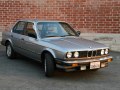
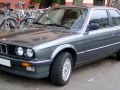
The BMW 3-Series made its debut in 1975 and has consistently remained a leader in the compact executive car segment. Known for its impeccable balance of performance, luxury, and driving dynamics, the 3-Series has established a strong reputation among automotive aficionados and casual drivers alike.
Technical specifications
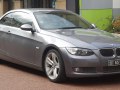
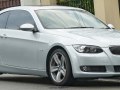
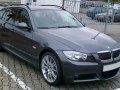
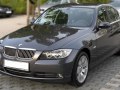
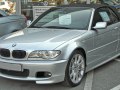
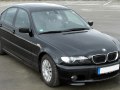
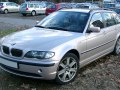
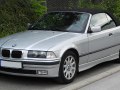
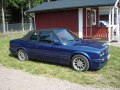
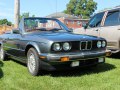
This model boasts a mix of rear-wheel drive and all-wheel drive (4x4) versions, enhancing its performance and versatility across various driving conditions. Spanning over several decades of production, from its inception in 1975, the 3-Series offers a wide array of body types including sedan, convertible, hatchback, wagon, coupe, and grand tourer.
List of key generations
The BMW 3-Series has evolved through numerous generations, each bringing its unique flair and advancements:
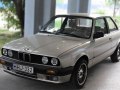
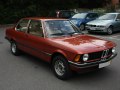
- E21 (1975) – The original, introducing BMW's compact luxury sports sedan concept
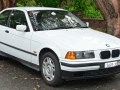
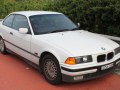
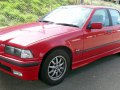
- E36 (1990s) – Gaining popularity with improved aerodynamics and updated technology
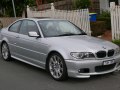
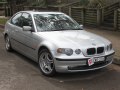
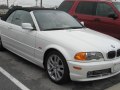
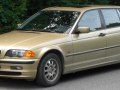
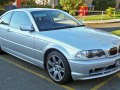
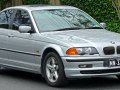
- E46 (1998-2006) – Well-regarded for its balance of luxury and performance, also notable for its performance-oriented M3 variant
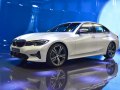
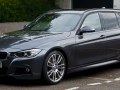
- F30 (2012-2019) – Incorporating modern tech and a refined design that set new benchmarks in the segment
- G20 (2019-Present) – The latest iteration with cutting-edge technology and a refined design.
Fuel options
The BMW 3-Series has consistently provided a variety of fuel options across its timeline, including gasoline, diesel, and more recently, hybrid (gasoline/electric) configurations, catering to a broad spectrum of consumer preferences and market needs.
Summary and Conclusions
The BMW 3-Series continues to captivate with its integration of advanced technology, robust performance, and luxurious comfort. With its diverse body styles and fuel options, the 3-Series remains a compelling choice for those seeking a harmonious blend of driving excitement and day-to-day practicality.