
Skip to content

Vehicle specifications

Peugeot 308 SW II (Phase I, 2013)

Compare all 13 engine versions of the Peugeot 308 308 SW II (Phase I, 2013), then open the technical data for the exact drivetrain and production year.

Vehicle history report

Buying a used Peugeot 308 SW II (Phase I, 2013)? Check the history of the exact car

A VIN report can help confirm the exact engine, equipment, mileage records and reported damage before you buy.

What is a VIN?
1 of 7
Peugeot 308 308 SW II (Phase I, 2013) View larger
Photo: © www.Auto-Data.net

Vehicle gallery

Peugeot 308 308 SW II (Phase I, 2013)

Photo: © www.Auto-Data.net

Choose a drivetrain

Engine versions

Select a row to update the key figures and detailed specifications below.

13 versions · 5 Gasoline · 8 Diesel fuel

Engine Fuel Power Production
1.2 PureTech (110 KM) Selected Gasoline 110 KM 2014–2017
1.2 PureTech (130 KM) Selected Gasoline 130 KM 2014–2017
1.6 BlueHDi (120 KM) Automatic Selected Diesel fuel 120 KM 2014–2017
2.0 BlueHDi (150 KM) Selected Diesel fuel 150 KM 2014–2017
1.2 PureTech (130 KM) Automatic Selected Gasoline 130 KM 2014–2017
1.6 BlueHDi (120 KM) Selected Diesel fuel 120 KM 2014–2017
1.6 HDi (92 KM) Selected Diesel fuel 92 KM 2013–2015
2.0 BlueHDi (150 KM) Automatic Selected Diesel fuel 150 KM 2014–2017
GT 1.6 THP (205 KM) Selected Gasoline 205 KM 2015–2017
GT 2.0 BlueHDi (180 KM) Automatic Selected Diesel fuel 180 KM 2015–2017
1.6 THP (155 KM) Selected Gasoline 155 KM 2013–2015
1.6 BlueHDi (100 KM) Selected Diesel fuel 100 KM 2014–2017
1.6 e-HDi (115 KM) Selected Diesel fuel 115 KM 2013–2015

Selected engine version

1.2 PureTech (110 KM)

Gasoline · 2014–2017

Engine power
110 KM
Torque
205 Nm
Engine displacement
1,199 cm³
Fuel type
Gasoline
Acceleration 0-100 km/h
11.6 s
Maximum speed
188 km/h
On this page
Check vehicle history

Basic version information

Brand
Peugeot
Model
308
Version
308 SW II (Phase I, 2013)
Engine
1.2 PureTech (110 KM)
Engine type
Combustion engine
Number of doors
5
Start of production
2014
End of production
2017
Body type
Station wagon
Number of seats
5
Fuel type
Gasoline

Performance

Maximum speed
188 km/h
Acceleration 0-100 km/h
11.6 s
Fuel consumption - Urban cycle
6.1 l/100 km
Fuel consumption - Extra-urban cycle
4 l/100 km
Fuel consumption - Combined cycle
4.7 l/100 km
Emission standard
Euro 6
CO2 emissions
109 g/km

Engine

Engine model / code
HNZEB2DT
Engine position
Front, Transverse
Engine displacement
1199 cm³
Fuel injection system
Direct injection
Engine type
Turbocharger, Intercooler
Engine configuration
Inline
Number of cylinders
3
Number of valves per cylinder
4
Engine oil capacity
3.5 l
Coolant capacity
6 l
Power
110 KM @ 5500 obr./min
Torque
205 Nm @ 1500 obr./min

Volume and weight

Fuel tank
53 l
Minimum trunk capacity
610 l
Maximum trunk capacity
1660 l
Curb weight
1190 kg
Gross weight
1825 kg

Vehicle dimensions

Length
4585 mm
Width
1863 mm
Height
1461/1472 mm
Wheelbase
2730 mm
Front track
1551/1563 mm
Rear track
1546/1557 mm
Ground clearance
109 mm
Turning circle
11.2 m

Drivetrain, Brakes and suspension

Drive
Front-wheel drive
Number of gears
6
Front suspension
Independent, McPherson type with coil spring and stabilizer bar
Rear suspension
Semi-independent spring suspension
Front brakes
Ventilated disc
Rear brakes
Disc
Steering system
Rack-and-pinion
ABS
yes

Selected engine version

1.2 PureTech (130 KM)

Gasoline · 2014–2017

Engine power
130 KM
Torque
230 Nm
Engine displacement
1,199 cm³
Fuel type
Gasoline
Acceleration 0-100 km/h
10.6 s
Maximum speed
199 km/h
On this page
Check vehicle history

Basic version information

Brand
Peugeot
Model
308
Version
308 SW II (Phase I, 2013)
Engine
1.2 PureTech (130 KM)
Engine type
Combustion engine
Number of doors
5
Start of production
2014
End of production
2017
Body type
Station wagon
Number of seats
5
Fuel type
Gasoline

Performance

Maximum speed
199 km/h
Acceleration 0-100 km/h
10.6 s
Fuel consumption - Urban cycle
6.2 l/100 km
Fuel consumption - Extra-urban cycle
4.3 l/100 km
Fuel consumption - Combined cycle
5 l/100 km
Emission standard
Euro 6
CO2 emissions
115 g/km

Engine

Engine model / code
HNYEB2DTS
Engine position
Front, Transverse
Engine displacement
1199 cm³
Fuel injection system
Direct injection
Engine type
Turbocharger, Intercooler
Engine configuration
Inline
Number of cylinders
3
Number of valves per cylinder
4
Engine oil capacity
3.5 l
Coolant capacity
6 l
Power
130 KM @ 5500 obr./min
Torque
230 Nm @ 1750 obr./min

Volume and weight

Fuel tank
53 l
Minimum trunk capacity
610 l
Maximum trunk capacity
1660 l
Curb weight
1190 kg
Gross weight
1840 kg

Vehicle dimensions

Length
4585 mm
Width
1863 mm
Height
1461/1472 mm
Wheelbase
2730 mm
Front track
1551/1563 mm
Rear track
1546/1557 mm
Ground clearance
109 mm
Turning circle
11.2 m

Drivetrain, Brakes and suspension

Drive
Front-wheel drive
Number of gears
6
Front suspension
Independent, McPherson type with coil spring and stabilizer bar
Rear suspension
Semi-independent spring suspension
Front brakes
Ventilated disc
Rear brakes
Disc
Steering system
Rack-and-pinion
Tire size
225/45 R17 V
Rim size
17
ABS
yes

Selected engine version

1.6 BlueHDi (120 KM) Automatic

Diesel fuel · 2014–2017

Engine power
120 KM
Torque
300 Nm
Engine displacement
1,560 cm³
Fuel type
Diesel fuel
Acceleration 0-100 km/h
9.9 s
Maximum speed
194 km/h
On this page
Check vehicle history

Basic version information

Brand
Peugeot
Model
308
Version
308 SW II (Phase I, 2013)
Engine
1.6 BlueHDi (120 KM) Automatic
Engine type
Combustion engine
Number of doors
5
Start of production
2014
End of production
2017
Body type
Station wagon
Number of seats
5
Fuel type
Diesel fuel

Performance

Maximum speed
194 km/h
Acceleration 0-100 km/h
9.9 s
Fuel consumption - Urban cycle
4.1 l/100 km
Fuel consumption - Extra-urban cycle
3.4 l/100 km
Fuel consumption - Combined cycle
3.7 l/100 km
Emission standard
Euro 6
CO2 emissions
96 g/km

Engine

Engine model / code
BHZDV6FC
Engine position
Front, Transverse
Engine displacement
1560 cm³
Fuel injection system
Diesel common rail
Engine type
Turbocharger, Intercooler
Engine configuration
Inline
Number of cylinders
4
Number of valves per cylinder
2
Engine oil capacity
3.75 l
Power
120 KM @ 3500 obr./min
Torque
300 Nm @ 1750 obr./min

Volume and weight

Fuel tank
53 l
Minimum trunk capacity
610 l
Maximum trunk capacity
1660 l
Curb weight
1310 kg
Gross weight
1910 kg

Vehicle dimensions

Length
4585 mm
Width
1863 mm
Height
1461/1472 mm
Wheelbase
2730 mm
Front track
1551/1563 mm
Rear track
1546/1557 mm
Ground clearance
109 mm
Turning circle
11.2 m

Drivetrain, Brakes and suspension

Drive
Front-wheel drive
Number of gears
6
Front suspension
Independent, McPherson type with coil spring and stabilizer bar
Rear suspension
Semi-independent spring suspension
Front brakes
Ventilated disc
Rear brakes
Disc
Steering system
Rack-and-pinion
Tire size
195/65 R15 H
Rim size
15
ABS
yes

Selected engine version

2.0 BlueHDi (150 KM)

Diesel fuel · 2014–2017

Engine power
150 KM
Torque
370 Nm
Engine displacement
1,997 cm³
Fuel type
Diesel fuel
Acceleration 0-100 km/h
8.9 s
Maximum speed
215 km/h
On this page
Check vehicle history

Basic version information

Brand
Peugeot
Model
308
Version
308 SW II (Phase I, 2013)
Engine
2.0 BlueHDi (150 KM)
Engine type
Combustion engine
Number of doors
5
Start of production
2014
End of production
2017
Body type
Station wagon
Number of seats
5
Fuel type
Diesel fuel

Performance

Maximum speed
215 km/h
Acceleration 0-100 km/h
8.9 s
Fuel consumption - Urban cycle
4.1 l/100 km
Fuel consumption - Extra-urban cycle
3.3 l/100 km
Fuel consumption - Combined cycle
3.6 l/100 km
Emission standard
Euro 6
CO2 emissions
93 g/km

Engine

Engine model / code
AHXDW10FD
Engine position
Front, Transverse
Engine displacement
1997 cm³
Fuel injection system
Diesel common rail
Engine type
Turbocharger, Intercooler
Engine configuration
Inline
Number of cylinders
4
Number of valves per cylinder
4
Engine oil capacity
4.5 l
Coolant capacity
9 l
Power
150 KM @ 3750 obr./min
Torque
370 Nm @ 2000 obr./min

Volume and weight

Fuel tank
53 l
Minimum trunk capacity
610 l
Maximum trunk capacity
1660 l
Curb weight
1315 kg
Gross weight
1970 kg

Vehicle dimensions

Length
4585 mm
Width
1863 mm
Height
1461/1472 mm
Wheelbase
2730 mm
Front track
1551/1563 mm
Rear track
1546/1557 mm
Ground clearance
109 mm
Turning circle
11.2 m

Drivetrain, Brakes and suspension

Drive
Front-wheel drive
Number of gears
6
Front suspension
Independent, McPherson type with coil spring and stabilizer bar
Rear suspension
Semi-independent spring suspension
Front brakes
Ventilated disc
Rear brakes
Disc
Steering system
Rack-and-pinion
Tire size
205/55 R16 V
Rim size
16
ABS
yes

Selected engine version

1.2 PureTech (130 KM) Automatic

Gasoline · 2014–2017

Engine power
130 KM
Torque
230 Nm
Engine displacement
1,199 cm³
Fuel type
Gasoline
Acceleration 0-100 km/h
10.1 s
Maximum speed
198 km/h
On this page
Check vehicle history

Basic version information

Brand
Peugeot
Model
308
Version
308 SW II (Phase I, 2013)
Engine
1.2 PureTech (130 KM) Automatic
Engine type
Combustion engine
Number of doors
5
Start of production
2014
End of production
2017
Body type
Station wagon
Number of seats
5
Fuel type
Gasoline

Performance

Maximum speed
198 km/h
Acceleration 0-100 km/h
10.1 s
Fuel consumption - Urban cycle
6.5 l/100 km
Fuel consumption - Extra-urban cycle
4.4 l/100 km
Fuel consumption - Combined cycle
5.2 l/100 km
Emission standard
Euro 6
CO2 emissions
119 g/km

Engine

Engine model / code
HNYEB2DTS
Engine position
Front, Transverse
Engine displacement
1199 cm³
Fuel injection system
Direct injection
Engine type
Turbocharger, Intercooler
Engine configuration
Inline
Number of cylinders
3
Number of valves per cylinder
4
Engine oil capacity
3.5 l
Coolant capacity
6 l
Power
130 KM @ 5500 obr./min
Torque
230 Nm @ 1750 obr./min

Volume and weight

Fuel tank
53 l
Minimum trunk capacity
610 l
Maximum trunk capacity
1660 l
Curb weight
1150 kg
Gross weight
1855 kg

Vehicle dimensions

Length
4585 mm
Width
1863 mm
Height
1461/1472 mm
Wheelbase
2730 mm
Front track
1551/1563 mm
Rear track
1546/1557 mm
Ground clearance
109 mm
Turning circle
11.2 m

Drivetrain, Brakes and suspension

Drive
Front-wheel drive
Number of gears
6
Front suspension
Independent, McPherson type with coil spring and stabilizer bar
Rear suspension
Semi-independent spring suspension
Front brakes
Ventilated disc
Rear brakes
Disc
Steering system
Rack-and-pinion
Tire size
225/45 R17 V
Rim size
17
ABS
yes

Selected engine version

1.6 BlueHDi (120 KM)

Diesel fuel · 2014–2017

Engine power
120 KM
Torque
300 Nm
Engine displacement
1,560 cm³
Fuel type
Diesel fuel
Acceleration 0-100 km/h
10.1 s
Maximum speed
194 km/h
On this page
Check vehicle history

Basic version information

Brand
Peugeot
Model
308
Version
308 SW II (Phase I, 2013)
Engine
1.6 BlueHDi (120 KM)
Engine type
Combustion engine
Number of doors
5
Start of production
2014
End of production
2017
Body type
Station wagon
Number of seats
5
Fuel type
Diesel fuel

Performance

Maximum speed
194 km/h
Acceleration 0-100 km/h
10.1 s
Fuel consumption - Urban cycle
3.6 l/100 km
Fuel consumption - Extra-urban cycle
3 l/100 km
Fuel consumption - Combined cycle
3.2 l/100 km
Emission standard
Euro 6
CO2 emissions
85 g/km

Engine

Engine model / code
BHZDV6FC
Engine position
Front, Transverse
Engine displacement
1560 cm³
Fuel injection system
Diesel common rail
Engine type
Turbocharger, Intercooler
Engine configuration
Inline
Number of cylinders
4
Number of valves per cylinder
2
Engine oil capacity
3.75 l
Power
120 KM @ 3500 obr./min
Torque
300 Nm @ 1750 obr./min

Volume and weight

Fuel tank
53 l
Minimum trunk capacity
610 l
Maximum trunk capacity
1660 l
Curb weight
1300 kg
Gross weight
1870 kg

Vehicle dimensions

Length
4585 mm
Width
1863 mm
Height
1461/1472 mm
Wheelbase
2730 mm
Front track
1551/1563 mm
Rear track
1546/1557 mm
Ground clearance
109 mm
Turning circle
11.2 m

Drivetrain, Brakes and suspension

Drive
Front-wheel drive
Number of gears
6
Front suspension
Independent, McPherson type with coil spring and stabilizer bar
Rear suspension
Semi-independent spring suspension
Front brakes
Ventilated disc
Rear brakes
Disc
Steering system
Rack-and-pinion
Tire size
195/65 R15 H
Rim size
15
ABS
yes

Selected engine version

1.6 HDi (92 KM)

Diesel fuel · 2013–2015

Engine power
92 KM
Torque
230 Nm
Engine displacement
1,560 cm³
Fuel type
Diesel fuel
Acceleration 0-100 km/h
11.9 s
Maximum speed
181 km/h
On this page
Check vehicle history

Basic version information

Brand
Peugeot
Model
308
Version
308 SW II (Phase I, 2013)
Engine
1.6 HDi (92 KM)
Engine type
Combustion engine
Number of doors
5
Start of production
2013
End of production
2015
Body type
Station wagon
Number of seats
5
Fuel type
Diesel fuel

Performance

Maximum speed
181 km/h
Acceleration 0-100 km/h
11.9 s
Fuel consumption - Urban cycle
4.5 l/100 km
Fuel consumption - Extra-urban cycle
3.5 l/100 km
Fuel consumption - Combined cycle
3.8 l/100 km
Emission standard
Euro 5
CO2 emissions
99 g/km

Engine

Engine model / code
9HPDV6DTED
Engine position
Front, Transverse
Engine displacement
1560 cm³
Fuel injection system
Diesel common rail
Engine type
Turbocharger, Intercooler
Engine configuration
Inline
Number of cylinders
4
Number of valves per cylinder
2
Engine oil capacity
3.75 l
Coolant capacity
6 l
Power
92 KM @ 4000 obr./min
Torque
230 Nm @ 1750 obr./min

Volume and weight

Fuel tank
53 l
Minimum trunk capacity
610 l
Maximum trunk capacity
1660 l
Curb weight
1180 kg
Gross weight
1850 kg

Vehicle dimensions

Length
4585 mm
Width
1863 mm
Height
1461/1472 mm
Wheelbase
2730 mm
Front track
1551/1563 mm
Rear track
1546/1557 mm
Ground clearance
109 mm
Turning circle
11.2 m

Drivetrain, Brakes and suspension

Drive
Front-wheel drive
Number of gears
5
Front suspension
Independent, McPherson type with coil spring and stabilizer bar
Rear suspension
Semi-independent spring suspension
Front brakes
Ventilated disc
Rear brakes
Disc
Steering system
Rack-and-pinion
ABS
yes

Selected engine version

2.0 BlueHDi (150 KM) Automatic

Diesel fuel · 2014–2017

Engine power
150 KM
Torque
370 Nm
Engine displacement
1,997 cm³
Fuel type
Diesel fuel
Acceleration 0-100 km/h
8.9 s
Maximum speed
212 km/h
On this page
Check vehicle history

Basic version information

Brand
Peugeot
Model
308
Version
308 SW II (Phase I, 2013)
Engine
2.0 BlueHDi (150 KM) Automatic
Engine type
Combustion engine
Number of doors
5
Start of production
2014
End of production
2017
Body type
Station wagon
Number of seats
5
Fuel type
Diesel fuel

Performance

Maximum speed
212 km/h
Acceleration 0-100 km/h
8.9 s
Fuel consumption - Urban cycle
4.8 l/100 km
Fuel consumption - Extra-urban cycle
3.8 l/100 km
Fuel consumption - Combined cycle
4.1 l/100 km
Emission standard
Euro 6
CO2 emissions
108 g/km

Engine

Engine model / code
AHXDW10FD
Engine position
Front, Transverse
Engine displacement
1997 cm³
Fuel injection system
Diesel common rail
Engine type
Turbocharger, Intercooler
Engine configuration
Inline
Number of cylinders
4
Number of valves per cylinder
4
Engine oil capacity
4.5 l
Coolant capacity
9 l
Power
150 KM @ 3750 obr./min
Torque
370 Nm @ 2000 obr./min

Volume and weight

Fuel tank
53 l
Minimum trunk capacity
610 l
Maximum trunk capacity
1660 l
Curb weight
1420 kg
Gross weight
2000 kg

Vehicle dimensions

Length
4585 mm
Width
1863 mm
Height
1461/1472 mm
Wheelbase
2730 mm
Front track
1551/1563 mm
Rear track
1546/1557 mm
Ground clearance
109 mm
Turning circle
11.2 m

Drivetrain, Brakes and suspension

Drive
Front-wheel drive
Number of gears
6
Front suspension
Independent, McPherson type with coil spring and stabilizer bar
Rear suspension
Semi-independent spring suspension
Front brakes
Ventilated disc
Rear brakes
Disc
Steering system
Rack-and-pinion
Tire size
205/55 R16 V
Rim size
16
ABS
yes

Selected engine version

GT 1.6 THP (205 KM)

Gasoline · 2015–2017

Engine power
205 KM
Torque
285 Nm
Engine displacement
1,598 cm³
Fuel type
Gasoline
Acceleration 0-100 km/h
7.6 s
Maximum speed
235 km/h
On this page
Check vehicle history

Basic version information

Brand
Peugeot
Model
308
Version
308 SW II (Phase I, 2013)
Engine
GT 1.6 THP (205 KM)
Engine type
Combustion engine
Number of doors
5
Start of production
2015
End of production
2017
Body type
Station wagon
Number of seats
5
Fuel type
Gasoline

Performance

Maximum speed
235 km/h
Acceleration 0-100 km/h
7.6 s
Fuel consumption - Urban cycle
4.8 l/100 km
Fuel consumption - Extra-urban cycle
3.7 l/100 km
Fuel consumption - Combined cycle
4.1 l/100 km
Emission standard
Euro 6
CO2 emissions
134 g/km

Engine

Engine model / code
5GTEP6FDTX
Engine position
Front, Transverse
Engine displacement
1598 cm³
Fuel injection system
Direct injection
Engine type
Turbocharger, Intercooler
Engine configuration
Inline
Number of cylinders
4
Number of valves per cylinder
4
Engine oil capacity
4.25 l
Power
205 KM @ 6000 obr./min
Torque
285 Nm @ 1750 obr./min

Volume and weight

Fuel tank
53 l
Minimum trunk capacity
610 l
Maximum trunk capacity
1660 l
Curb weight
1315 kg
Gross weight
1880 kg

Vehicle dimensions

Length
4585 mm
Width
1863 mm
Height
1461/1472 mm
Wheelbase
2730 mm
Front track
1551/1563 mm
Rear track
1546/1557 mm
Ground clearance
109 mm
Turning circle
11.2 m

Drivetrain, Brakes and suspension

Drive
Front-wheel drive
Number of gears
6
Front suspension
Independent, McPherson type with coil spring and stabilizer bar
Rear suspension
Semi-independent spring suspension
Front brakes
Ventilated disc
Rear brakes
Disc
Steering system
Rack-and-pinion
Tire size
225/40 R18 W
Rim size
18
ABS
yes

Selected engine version

GT 2.0 BlueHDi (180 KM) Automatic

Diesel fuel · 2015–2017

Engine power
180 KM
Torque
400 Nm
Engine displacement
1,997 cm³
Fuel type
Diesel fuel
Acceleration 0-100 km/h
8.6 s
Maximum speed
218 km/h
On this page
Check vehicle history

Basic version information

Brand
Peugeot
Model
308
Version
308 SW II (Phase I, 2013)
Engine
GT 2.0 BlueHDi (180 KM) Automatic
Engine type
Combustion engine
Number of doors
5
Start of production
2015
End of production
2017
Body type
Station wagon
Number of seats
5
Fuel type
Diesel fuel

Performance

Maximum speed
218 km/h
Acceleration 0-100 km/h
8.6 s
Fuel consumption - Urban cycle
4.8 l/100 km
Fuel consumption - Extra-urban cycle
3.7 l/100 km
Fuel consumption - Combined cycle
4.1 l/100 km
Emission standard
Euro 6
CO2 emissions
107 g/km

Engine

Engine model / code
DW10FC
Engine position
Front, Transverse
Engine displacement
1997 cm³
Fuel injection system
Diesel common rail
Engine type
Turbocharger, Intercooler
Engine configuration
Inline
Number of cylinders
4
Number of valves per cylinder
4
Engine oil capacity
5.1 l
Power
180 KM @ 3750 obr./min
Torque
400 Nm @ 2000 obr./min

Volume and weight

Fuel tank
53 l
Minimum trunk capacity
610 l
Maximum trunk capacity
1660 l
Curb weight
1425 kg
Gross weight
2020 kg

Vehicle dimensions

Length
4585 mm
Width
1863 mm
Height
1461/1472 mm
Wheelbase
2730 mm
Front track
1551/1563 mm
Rear track
1546/1557 mm
Ground clearance
109 mm
Turning circle
11.2 m

Drivetrain, Brakes and suspension

Drive
Front-wheel drive
Number of gears
6
Front suspension
Independent, McPherson type with coil spring and stabilizer bar
Rear suspension
Semi-independent spring suspension
Front brakes
Ventilated disc
Rear brakes
Disc
Steering system
Rack-and-pinion
Tire size
225/40 R18 W
Rim size
18
ABS
yes

Selected engine version

1.6 THP (155 KM)

Gasoline · 2013–2015

Engine power
155 KM
Torque
240 Nm
Engine displacement
1,598 cm³
Fuel type
Gasoline
Acceleration 0-100 km/h
12.2 s
Maximum speed
208 km/h
On this page
Check vehicle history

Basic version information

Brand
Peugeot
Model
308
Version
308 SW II (Phase I, 2013)
Engine
1.6 THP (155 KM)
Engine type
Combustion engine
Number of doors
5
Start of production
2013
End of production
2015
Body type
Station wagon
Number of seats
5
Fuel type
Gasoline

Performance

Maximum speed
208 km/h
Acceleration 0-100 km/h
12.2 s
Fuel consumption - Urban cycle
7.9 l/100 km
Fuel consumption - Extra-urban cycle
4.6 l/100 km
Fuel consumption - Combined cycle
5.8 l/100 km
Emission standard
Euro 6
CO2 emissions
134 g/km

Engine

Engine model / code
5FVEP6DT, EP6CDT
Engine position
Front, Transverse
Engine displacement
1598 cm³
Fuel injection system
Direct injection
Engine type
Turbocharger, Intercooler
Engine configuration
Inline
Number of cylinders
3
Number of valves per cylinder
4
Engine oil capacity
4.25 l
Coolant capacity
6.4 l
Power
155 KM @ 6000 obr./min
Torque
240 Nm @ 1400 obr./min

Volume and weight

Fuel tank
53 l
Minimum trunk capacity
610 l
Maximum trunk capacity
1660 l
Curb weight
1435 kg
Gross weight
1860 kg

Vehicle dimensions

Length
4585 mm
Width
1863 mm
Height
1461/1472 mm
Wheelbase
2730 mm
Front track
1551/1563 mm
Rear track
1546/1557 mm
Ground clearance
109 mm
Turning circle
11.2 m

Drivetrain, Brakes and suspension

Drive
Front-wheel drive
Number of gears
6
Front suspension
Independent, McPherson type with coil spring and stabilizer bar
Rear suspension
Semi-independent spring suspension
Front brakes
Ventilated disc
Rear brakes
Disc
Steering system
Rack-and-pinion
Tire size
225/45 R17
Rim size
17
ABS
yes

Selected engine version

1.6 BlueHDi (100 KM)

Diesel fuel · 2014–2017

Engine power
100 KM
Torque
254 Nm
Engine displacement
1,560 cm³
Fuel type
Diesel fuel
Acceleration 0-100 km/h
13.5 s
Maximum speed
187 km/h
On this page
Check vehicle history

Basic version information

Brand
Peugeot
Model
308
Version
308 SW II (Phase I, 2013)
Engine
1.6 BlueHDi (100 KM)
Engine type
Combustion engine
Number of doors
5
Start of production
2014
End of production
2017
Body type
Station wagon
Number of seats
5
Fuel type
Diesel fuel

Performance

Maximum speed
187 km/h
Acceleration 0-100 km/h
13.5 s
Fuel consumption - Urban cycle
4.3 l/100 km
Fuel consumption - Extra-urban cycle
3.1 l/100 km
Fuel consumption - Combined cycle
3.5 l/100 km
Emission standard
Euro 6
CO2 emissions
92 g/km

Engine

Engine model / code
BHYDV6FD
Engine position
Front, Transverse
Engine displacement
1560 cm³
Fuel injection system
Diesel common rail
Engine type
Turbocharger, Intercooler
Engine configuration
Inline
Engine oil capacity
3.8 l
Coolant capacity
6 l
Power
100 KM @ 3750 obr./min
Torque
254 Nm @ 1750 obr./min

Volume and weight

Fuel tank
53 l
Minimum trunk capacity
610 l
Maximum trunk capacity
1660 l
Curb weight
1460 kg
Gross weight
1880 kg

Vehicle dimensions

Length
4585 mm
Width
1863 mm
Height
1461/1472 mm
Wheelbase
2730 mm
Front track
1551/1563 mm
Rear track
1546/1557 mm
Ground clearance
109 mm
Turning circle
11.2 m

Drivetrain, Brakes and suspension

Drive
Front-wheel drive
Number of gears
5
Front suspension
Independent, McPherson type with coil spring and stabilizer bar
Rear suspension
Semi-independent spring suspension
Front brakes
Ventilated disc
Rear brakes
Disc
Steering system
Rack-and-pinion
Tire size
195/65 R15 90H
Rim size
15
ABS
yes

Selected engine version

1.6 e-HDi (115 KM)

Diesel fuel · 2013–2015

Engine power
115 KM
Torque
270 Nm
Engine displacement
1,560 cm³
Fuel type
Diesel fuel
Acceleration 0-100 km/h
12.5 s
Maximum speed
194 km/h
On this page
Check vehicle history

Basic version information

Brand
Peugeot
Model
308
Version
308 SW II (Phase I, 2013)
Engine
1.6 e-HDi (115 KM)
Engine type
Combustion engine
Number of doors
5
Start of production
2013
End of production
2015
Body type
Station wagon
Number of seats
5
Fuel type
Diesel fuel

Performance

Maximum speed
194 km/h
Acceleration 0-100 km/h
12.5 s
Fuel consumption - Urban cycle
4.2 l/100 km
Fuel consumption - Extra-urban cycle
3.3 l/100 km
Fuel consumption - Combined cycle
3.7 l/100 km
Emission standard
Euro 6
CO2 emissions
95 g/km

Engine

Engine model / code
9HCDV6C
Engine position
Front, Transverse
Engine displacement
1560 cm³
Fuel injection system
Diesel common rail
Engine type
Turbocharger, Intercooler
Engine configuration
Inline
Engine oil capacity
3.75 l
Power
115 KM @ 3600 obr./min
Torque
270 Nm @ 1750 obr./min

Volume and weight

Fuel tank
53 l
Minimum trunk capacity
610 l
Maximum trunk capacity
1660 l
Curb weight
1455 kg
Gross weight
1870 kg

Vehicle dimensions

Length
4585 mm
Width
1863 mm
Height
1461/1472 mm
Wheelbase
2730 mm
Front track
1551/1563 mm
Rear track
1546/1557 mm
Ground clearance
109 mm
Turning circle
11.2 m

Drivetrain, Brakes and suspension

Drive
Front-wheel drive
Number of gears
6
Front suspension
Independent, McPherson type with coil spring and stabilizer bar
Rear suspension
Semi-independent spring suspension
Front brakes
Ventilated disc
Rear brakes
Disc
Steering system
Rack-and-pinion
Tire size
205/55 R16
Rim size
16
ABS
yes

About Peugeot 308 308 SW II (Phase I, 2013)

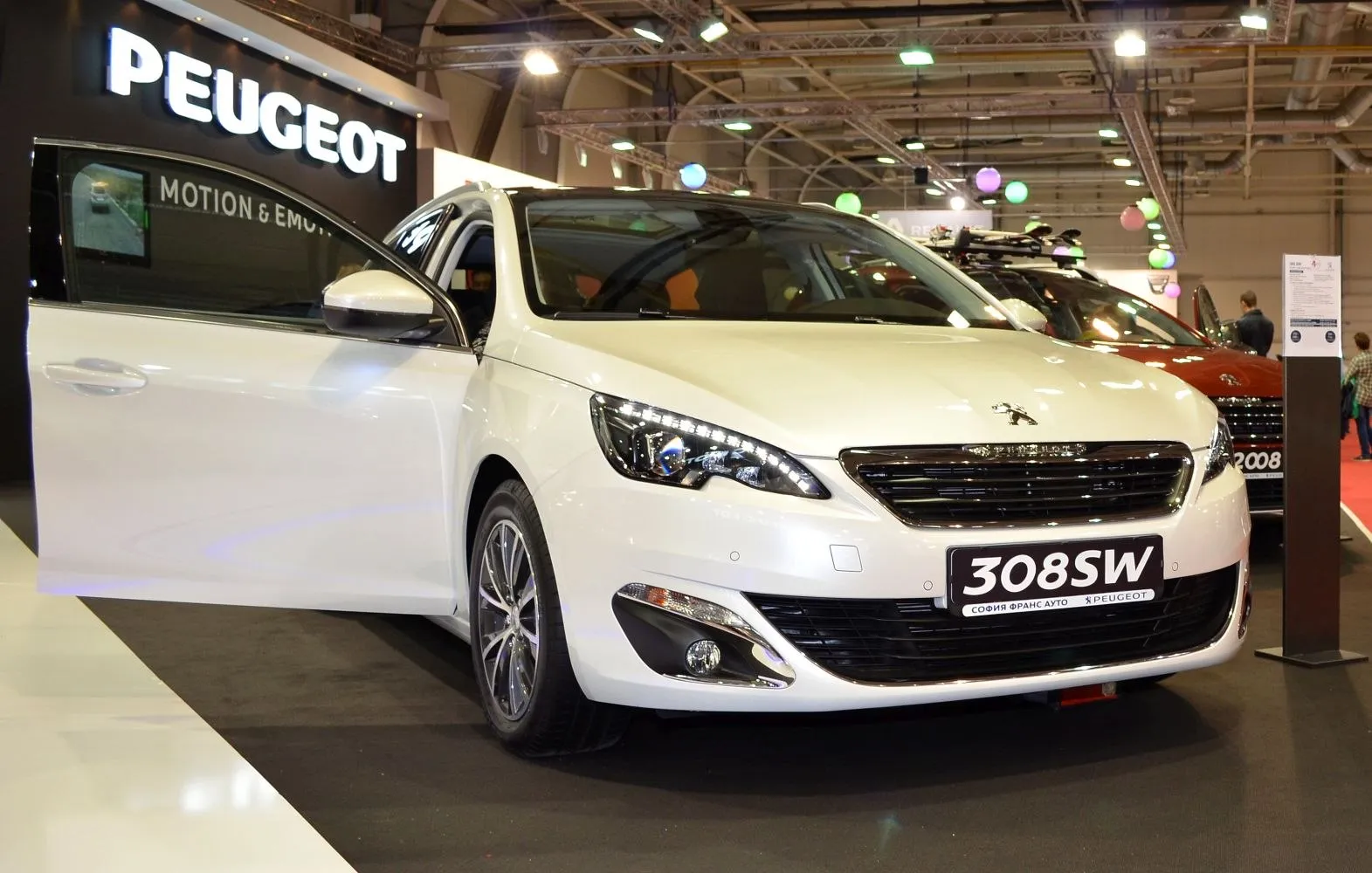
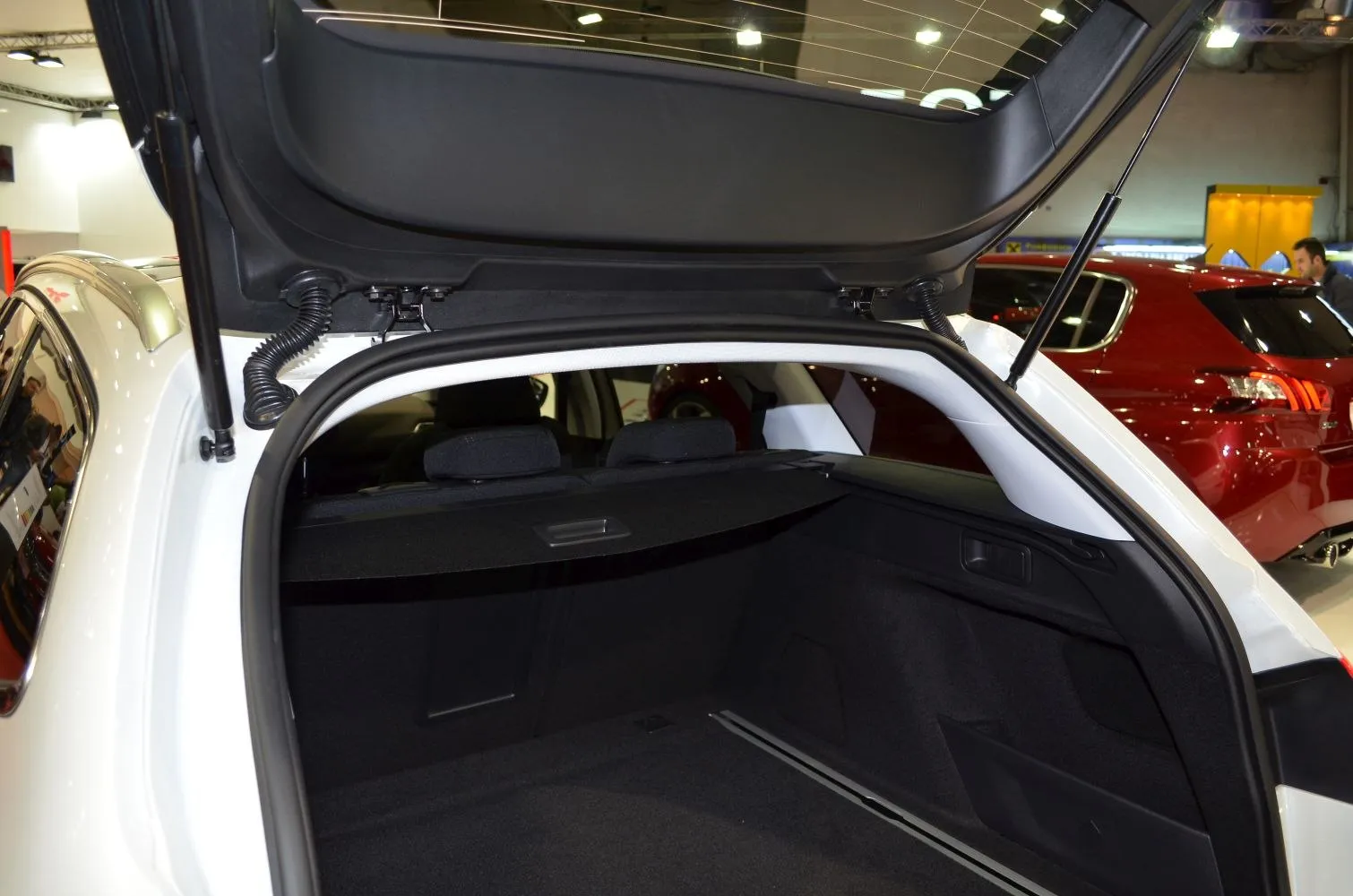
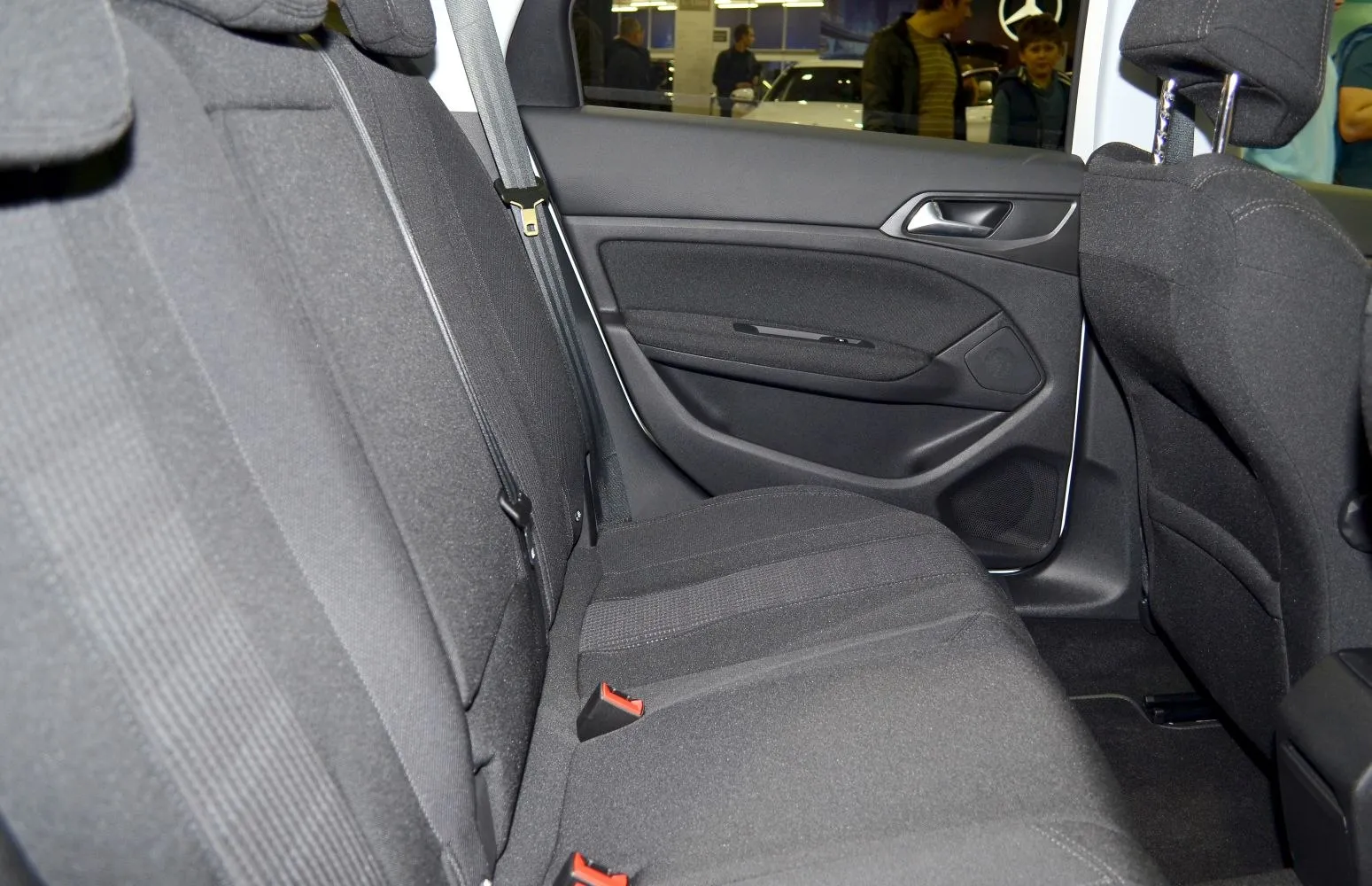
The Peugeot 308 SW II (Phase I) is an attractive station wagon produced between 2013 and 2017. It is aimed at those who value modern design and functionality, offering a spacious interior with five seating positions and a roomy trunk. This car combines elegant style with practicality, making it an ideal choice for families and individuals in need of more space without sacrificing aesthetic qualities.

Among the available powertrains, there are both petrol and diesel engines, with power outputs ranging from 92 to 205 HP. Versions such as the 1.2 PureTech (130 HP) and the GT 2.0 BlueHDi (180 HP) with automatic transmissions provide a good balance of fuel efficiency and dynamic performance. The automatic and manual transmission options allow drivers to choose according to their driving preferences, and the variety of engines enables the vehicle to be tailored to the individual needs of the user.

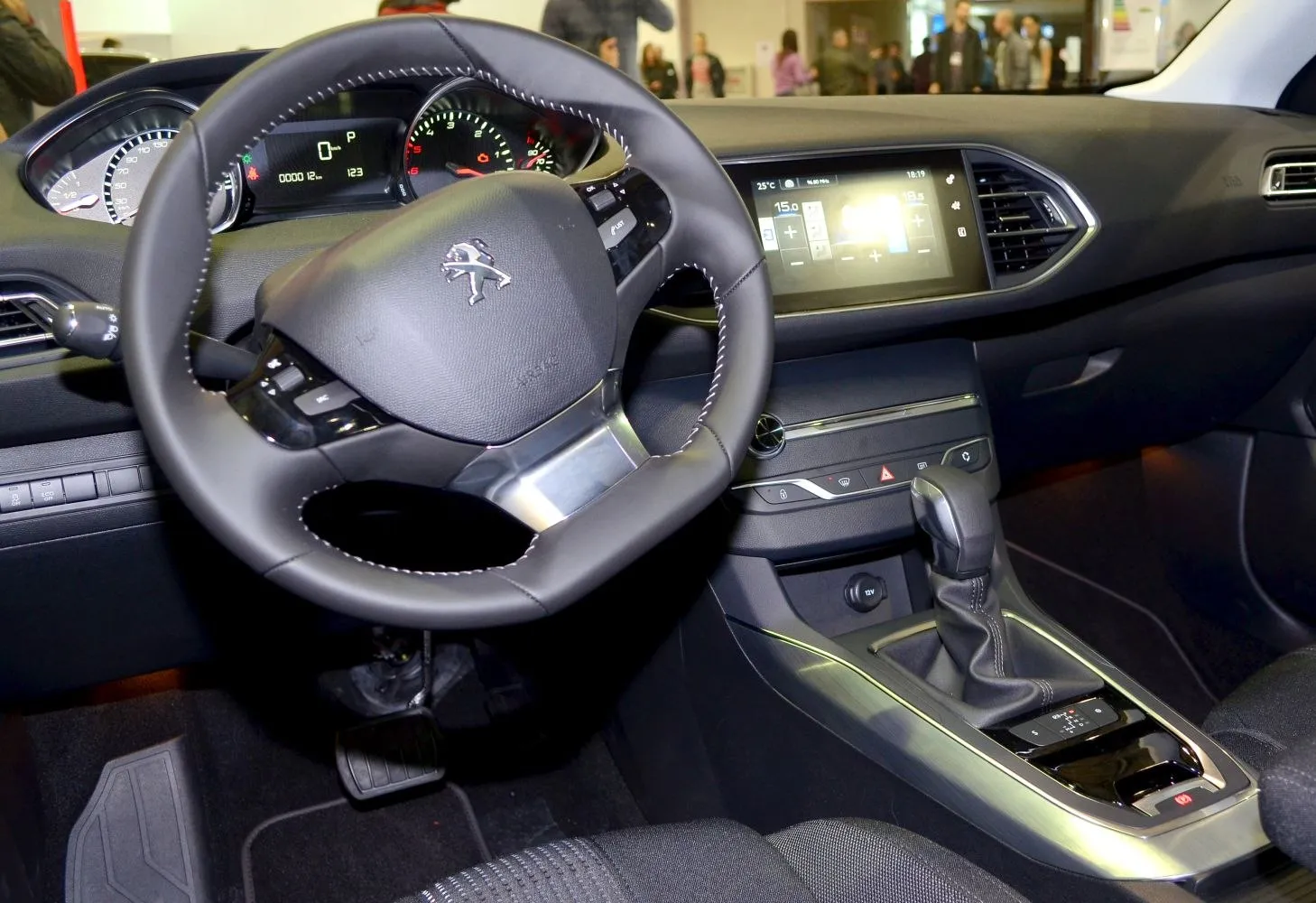
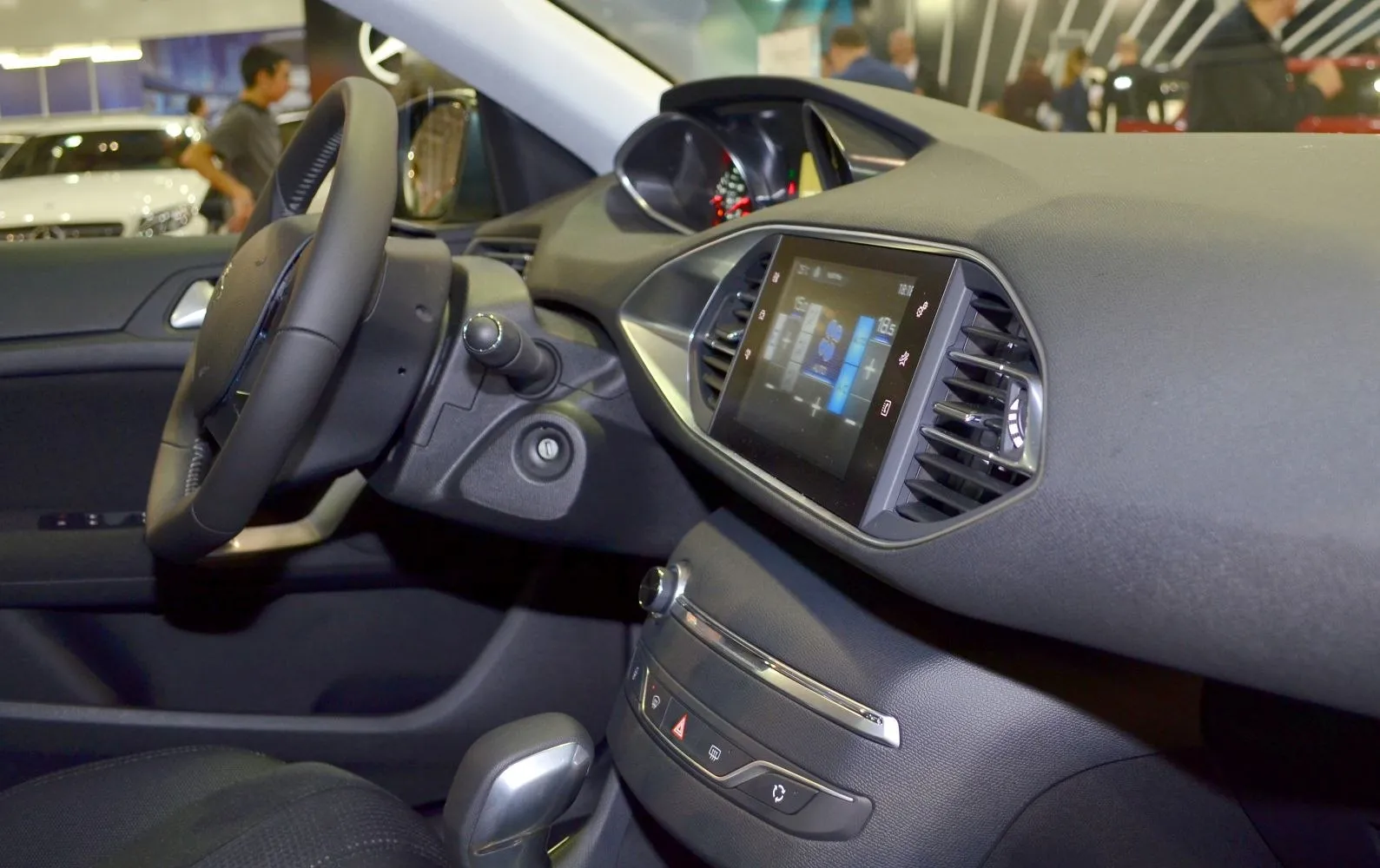
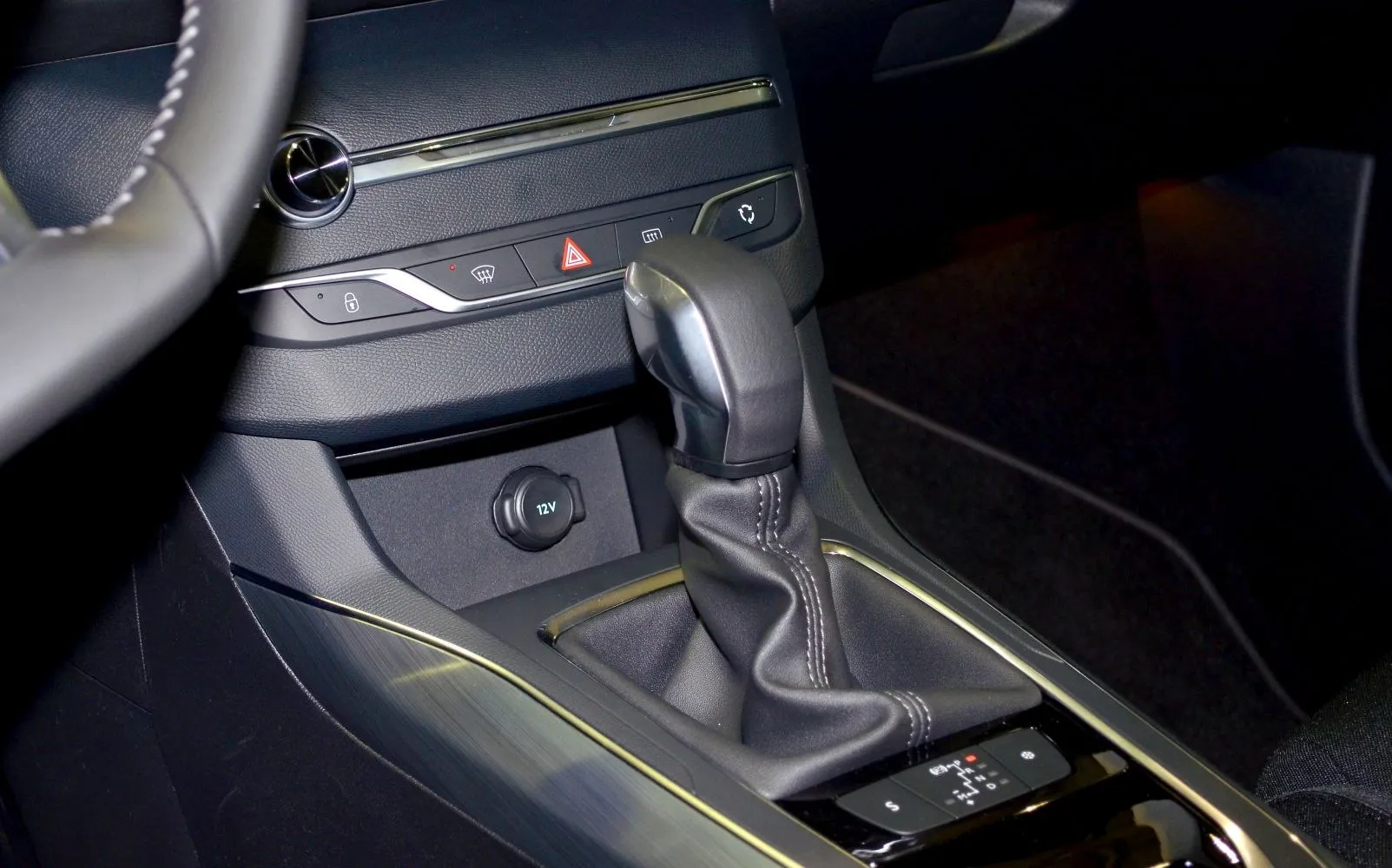
The car features front-wheel drive, ensuring stability and traction while driving. The 308 SW II performs superbly in the city, thanks to its maneuverability and ease of handling, as well as on longer trips, offering high travel comfort. The rich equipment includes modern driver assistance systems such as parking assistance, lane keeping assist, and an advanced multimedia system, which enhance safety and driving comfort.

Although the 308 SW II has many advantages, there are certain issues that potential buyers should pay attention to. Electronic malfunctions, especially in multimedia systems, can be a problem in some units. Additionally, while diesel engines are known for fuel efficiency, models with these engines may incur higher maintenance costs. The wear of certain components, particularly in intensively used vehicles, is another aspect to consider before purchasing.

The Peugeot 308 SW II stands out from its competitors with its modern design, advanced technologies, and high driving comfort. It is an excellent option for those looking for a versatile vehicle that combines performance with practicality, making it an attractive choice in the station wagon segment. Its unique features and functionality make it an interesting proposition for a wide audience.