
Vehicle specifications
Hyundai i30 II (facelift 2015)
Compare all 12 engine versions of the Hyundai i30 i30 II (facelift 2015), then open the technical data for the exact drivetrain and production year.
Vehicle history report
Buying a used Hyundai i30 II (facelift 2015)? Check the history of the exact car
A VIN report can help confirm the exact engine, equipment, mileage records and reported damage before you buy.
Vehicle photos
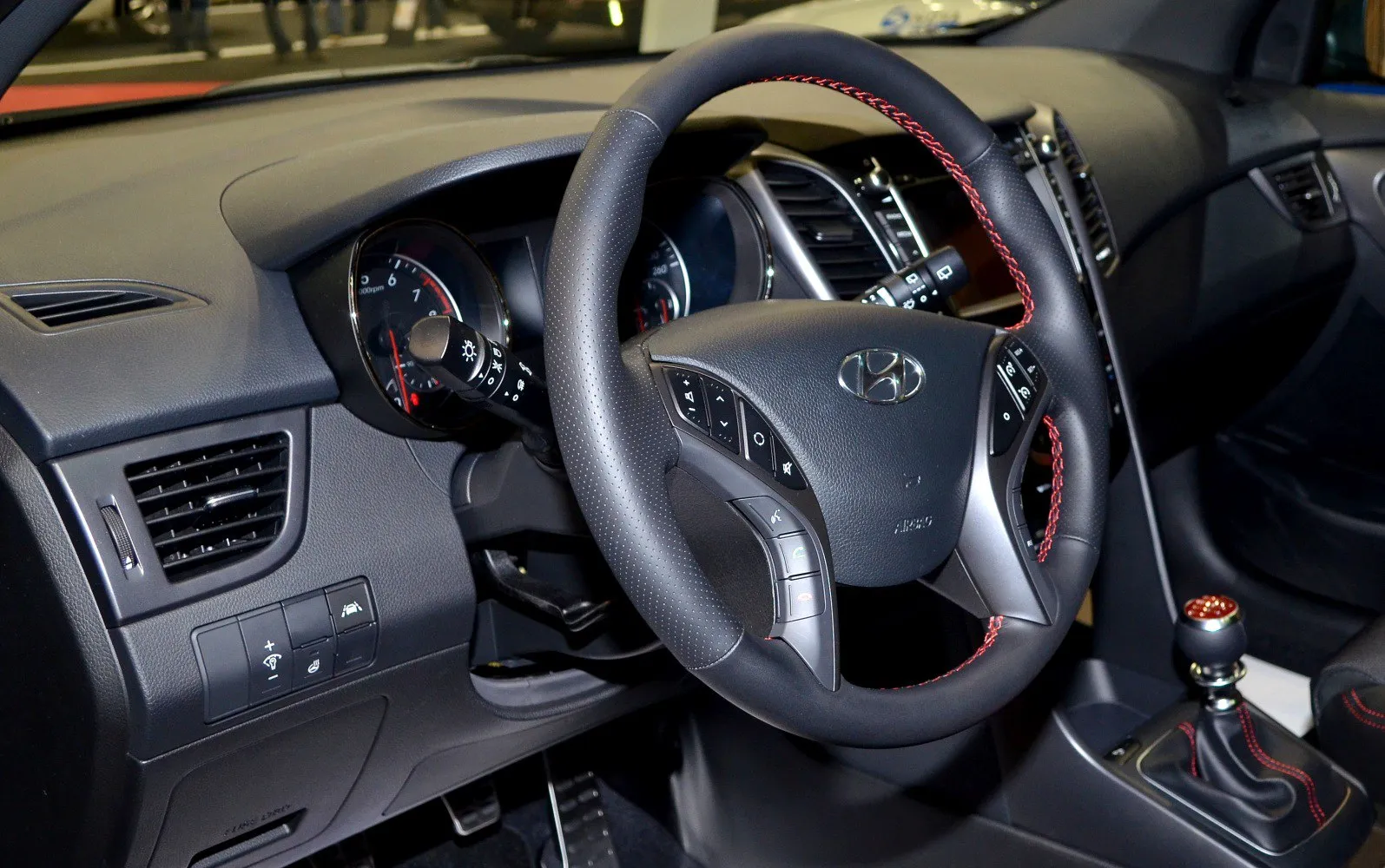
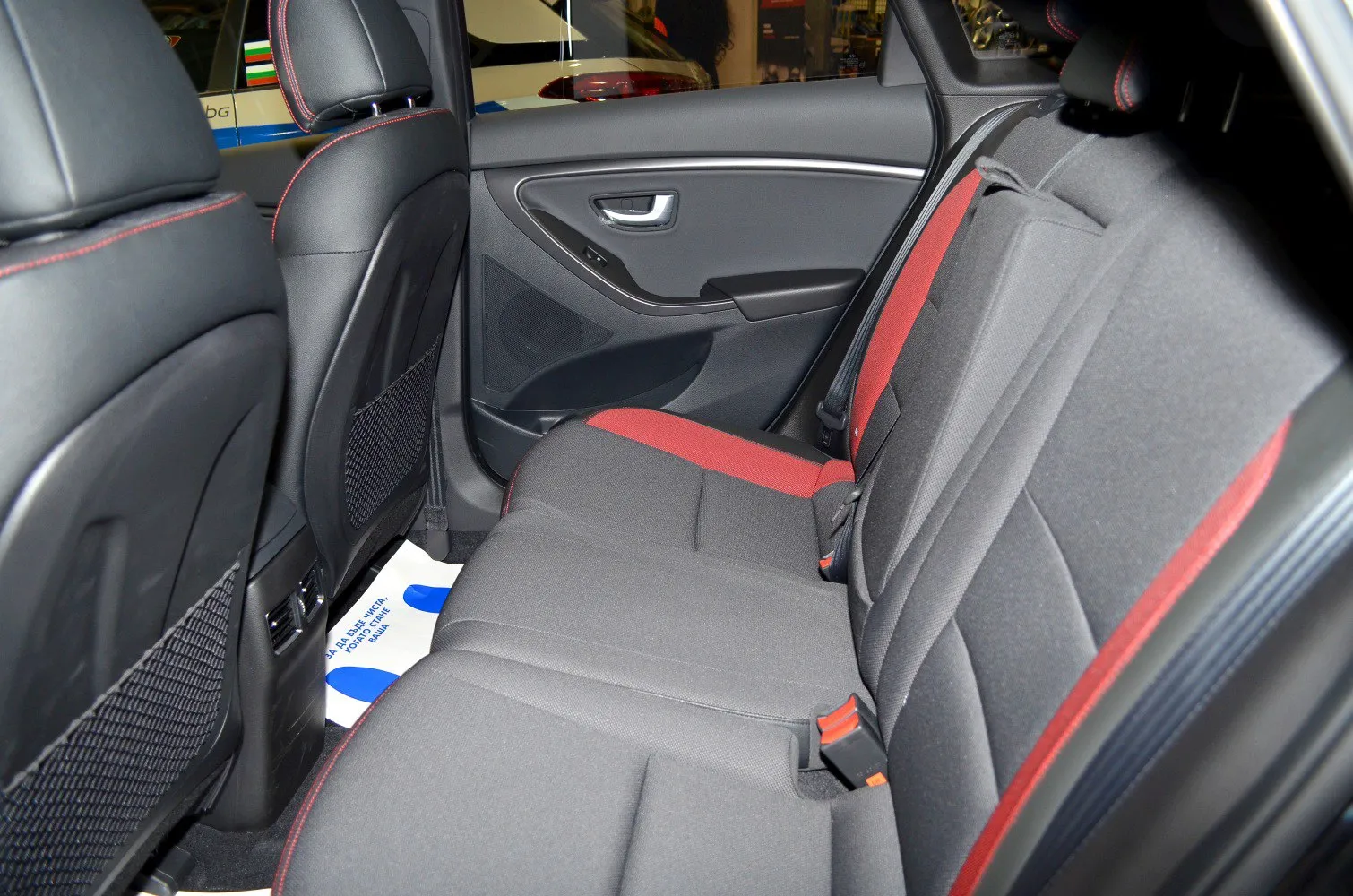
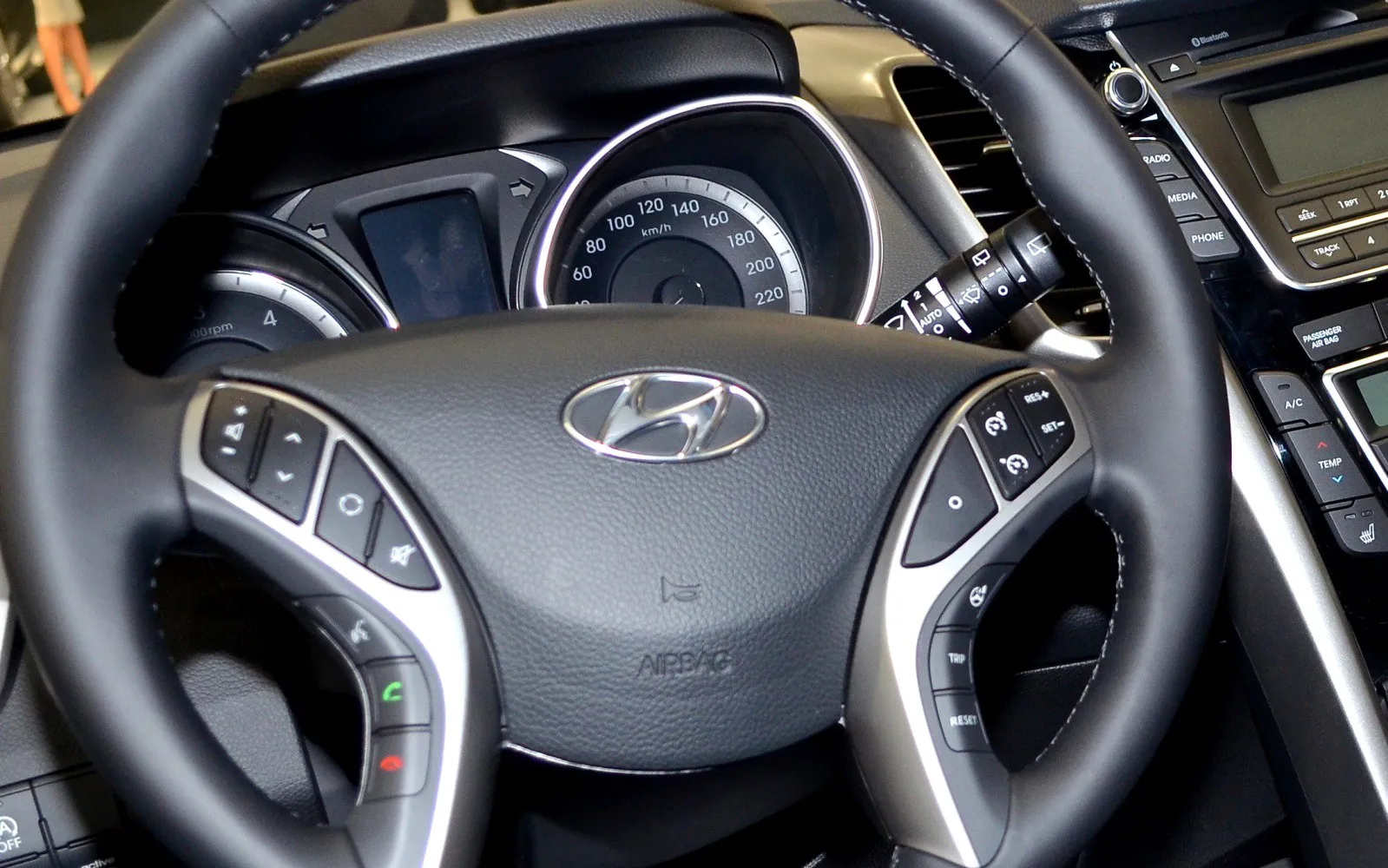
1 of 27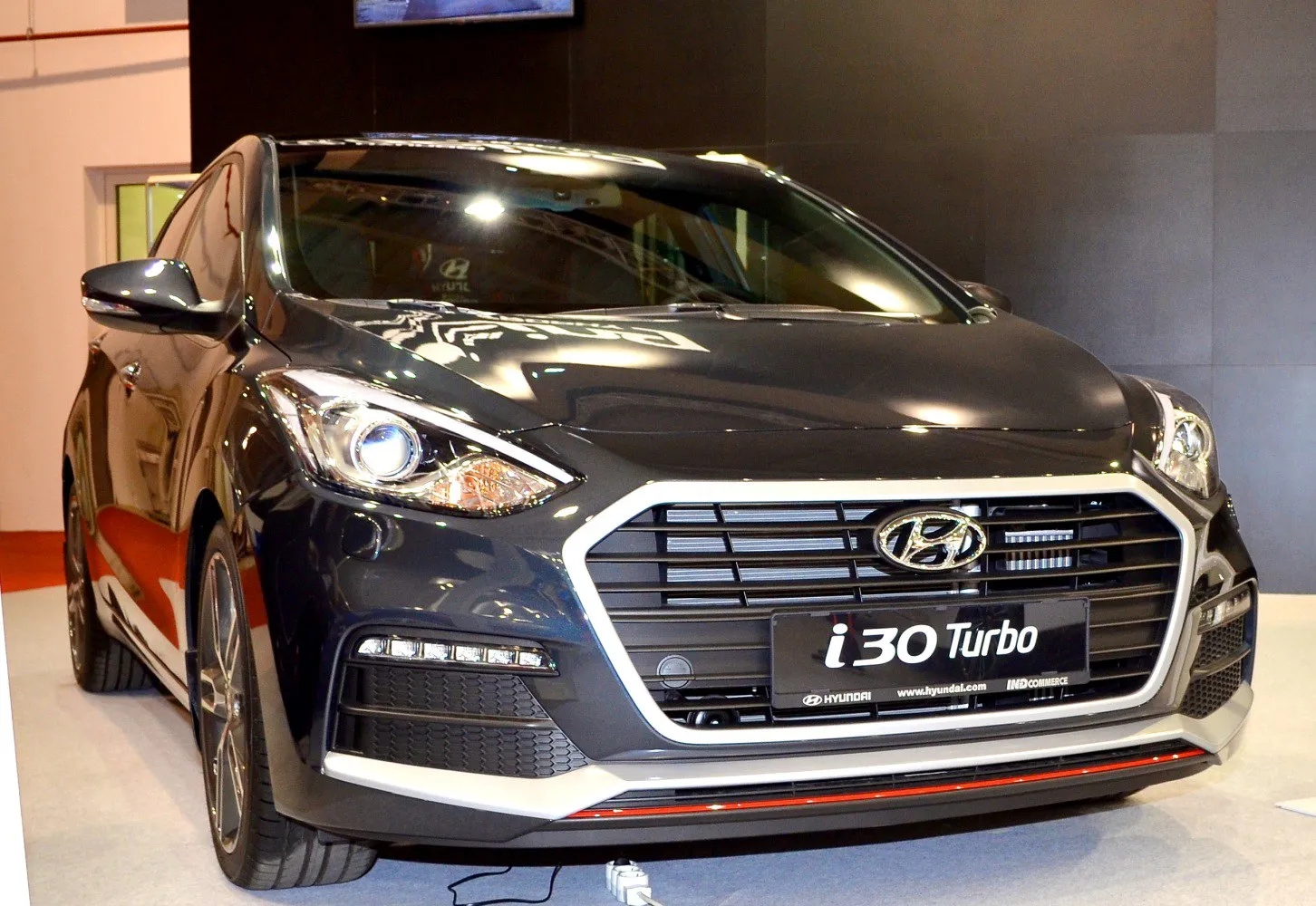 View larger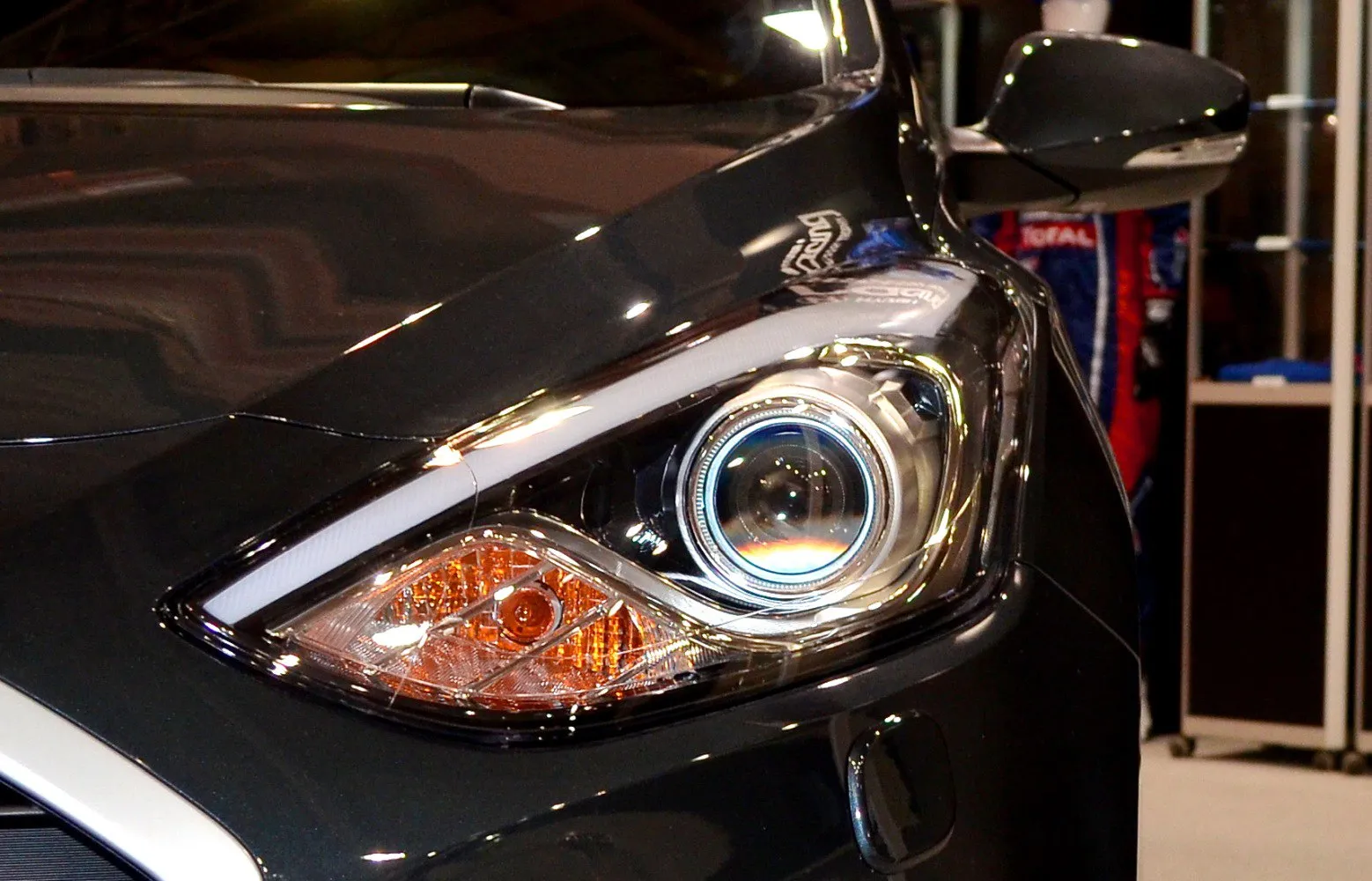


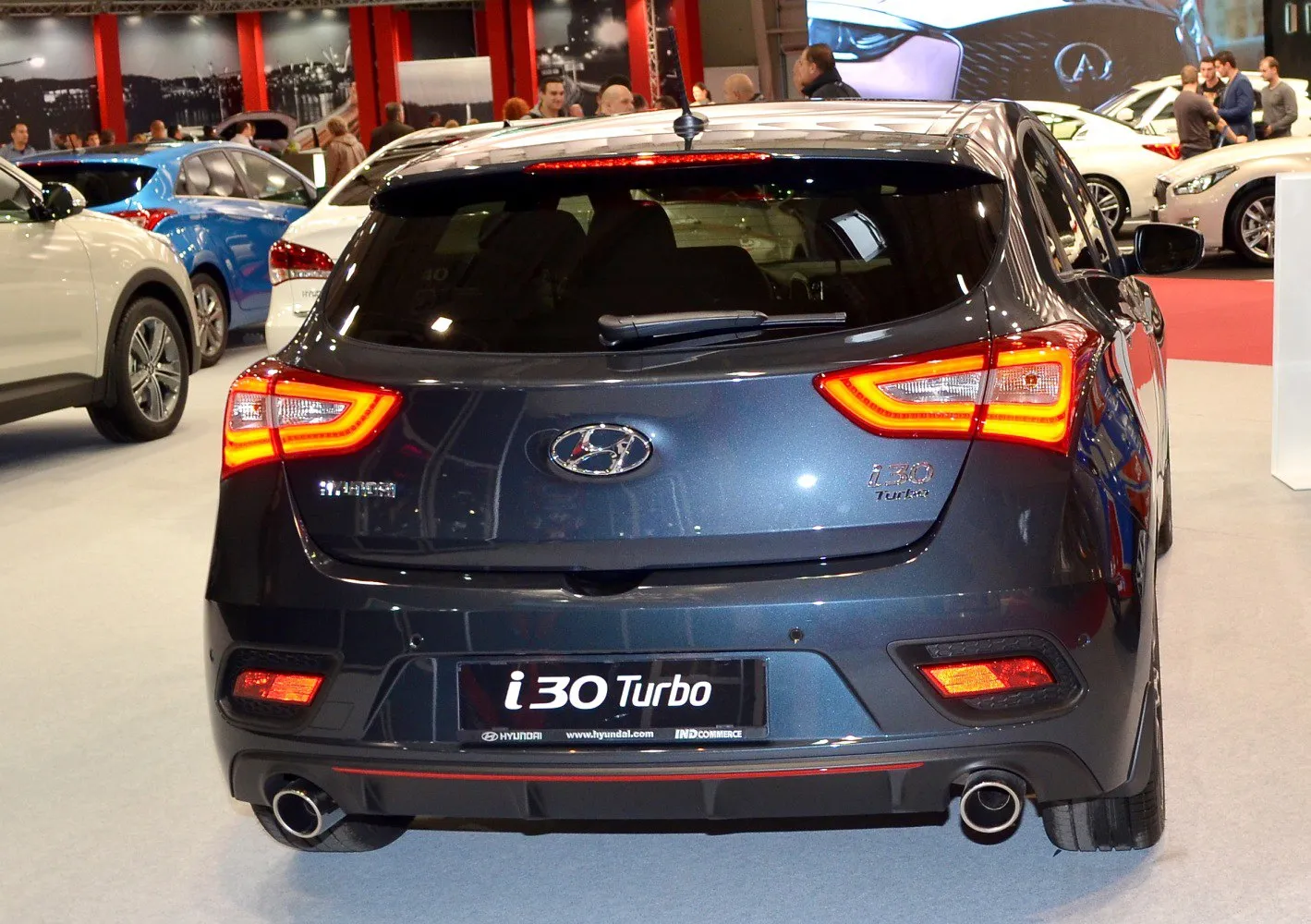

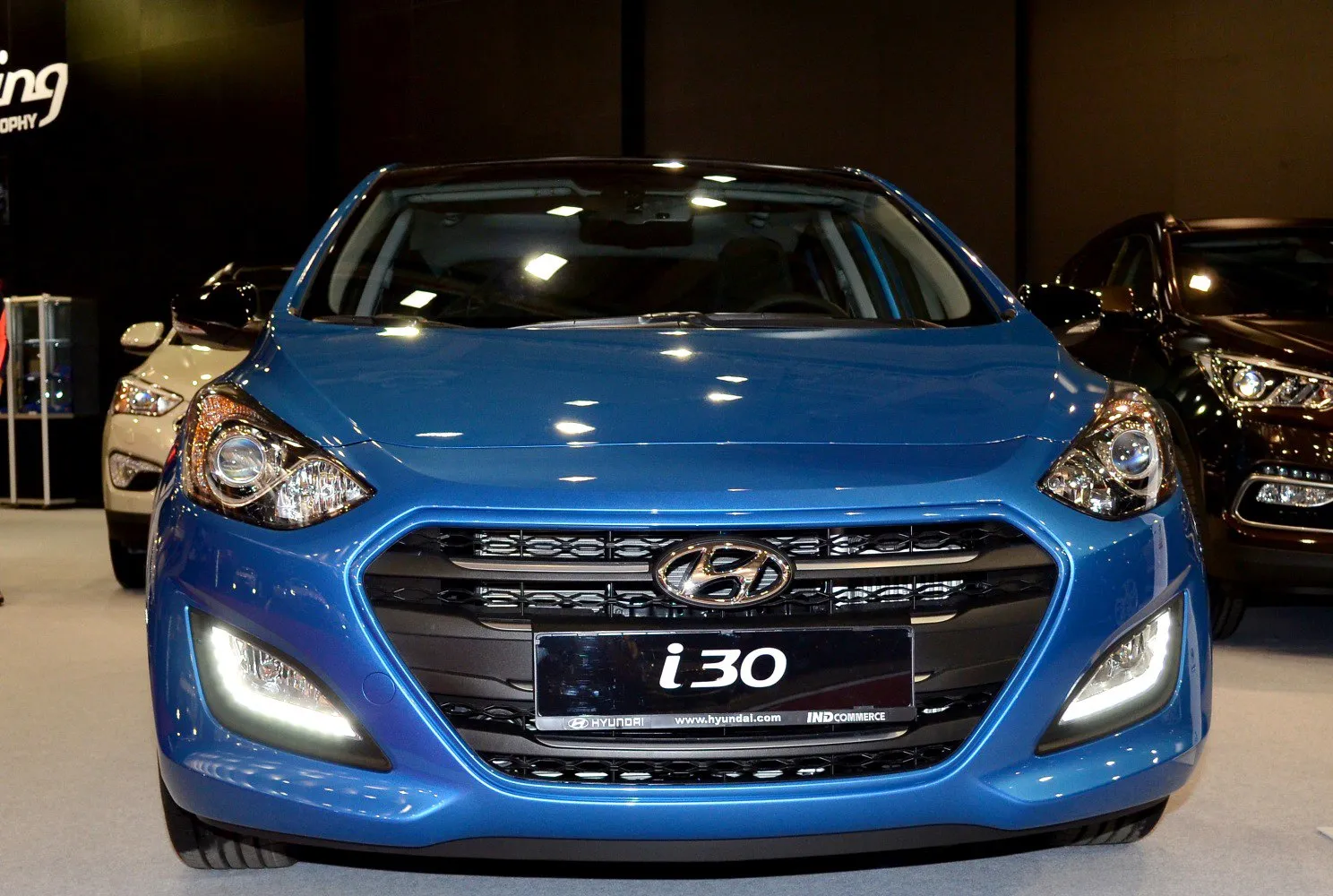

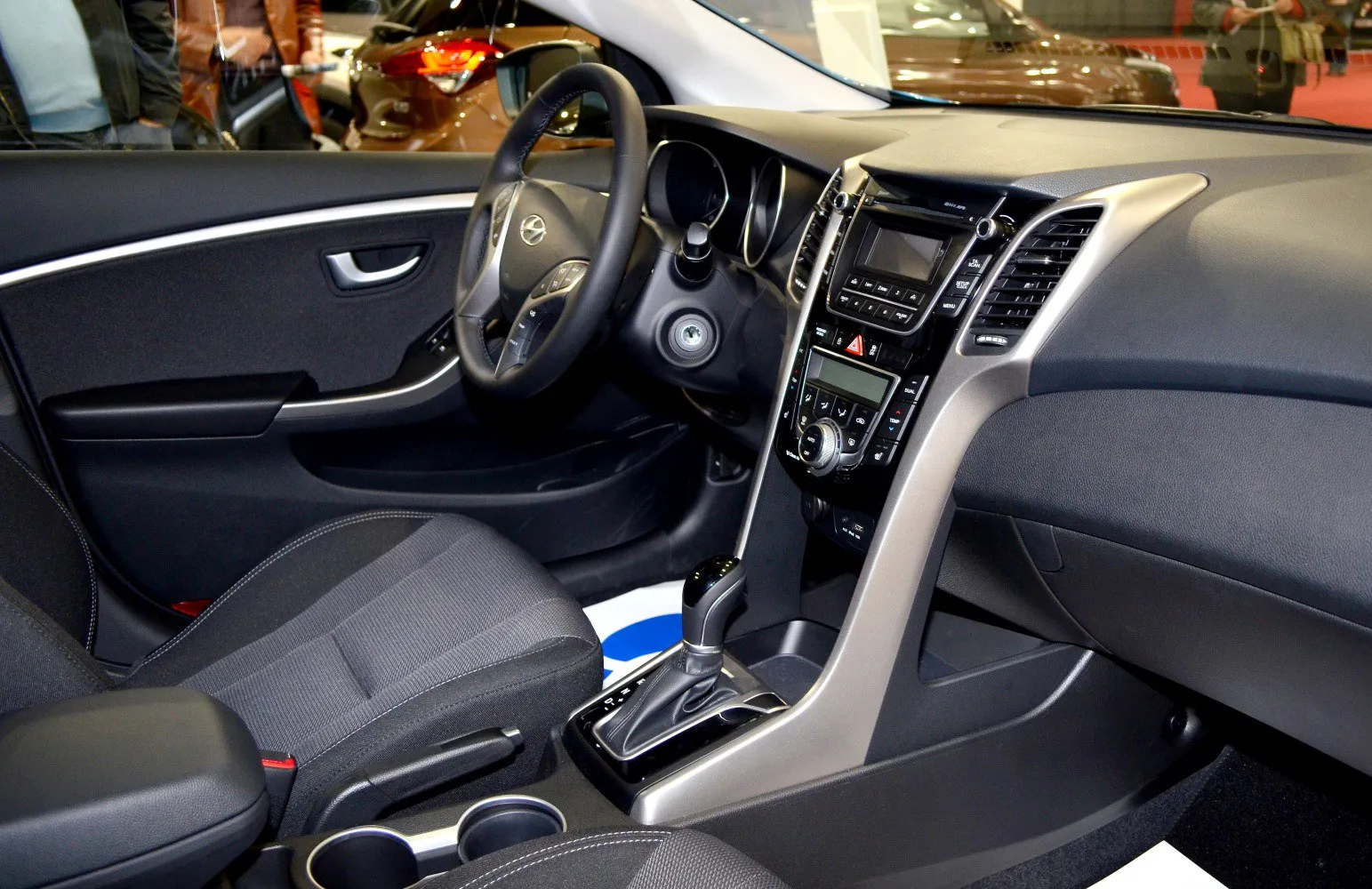
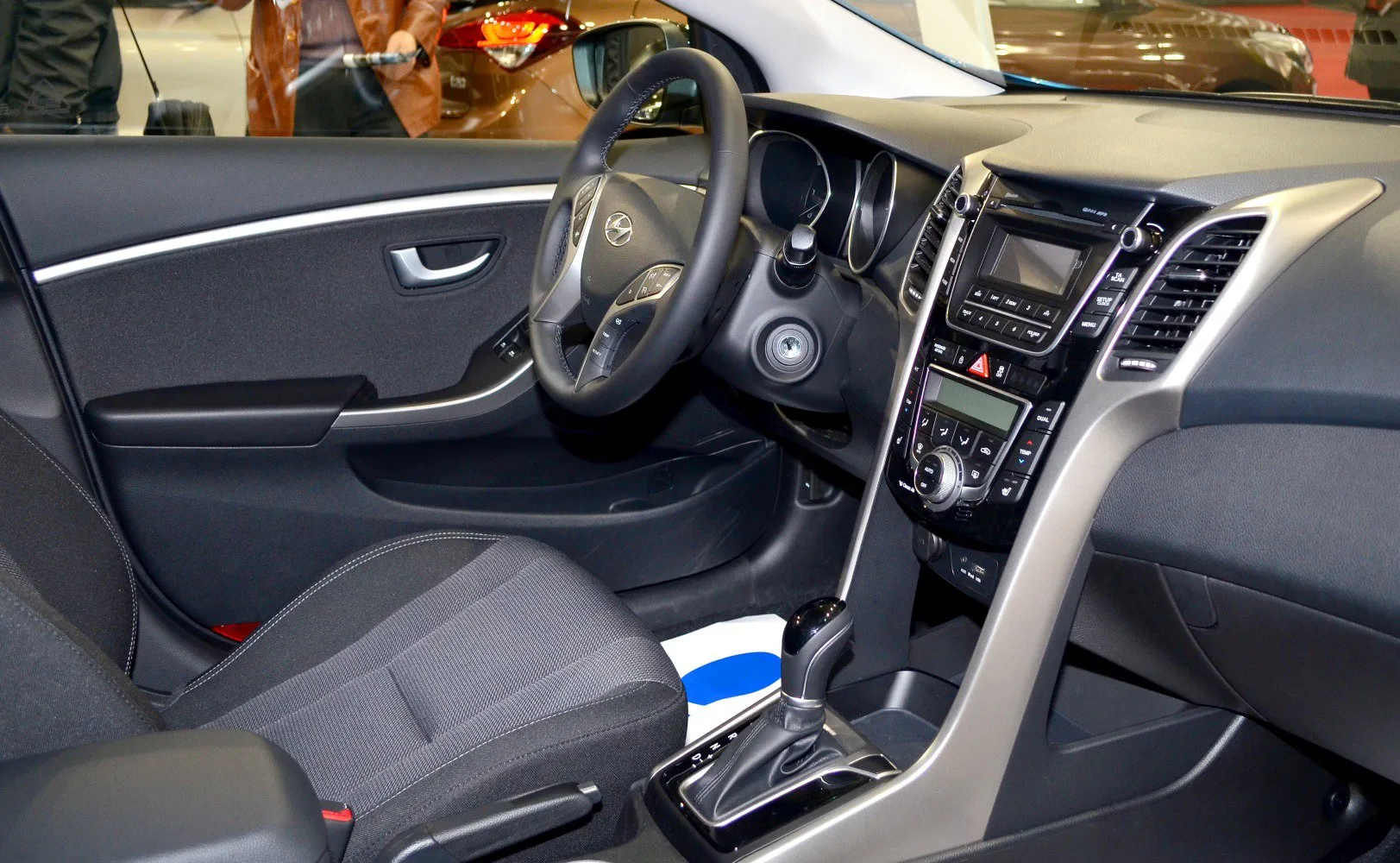


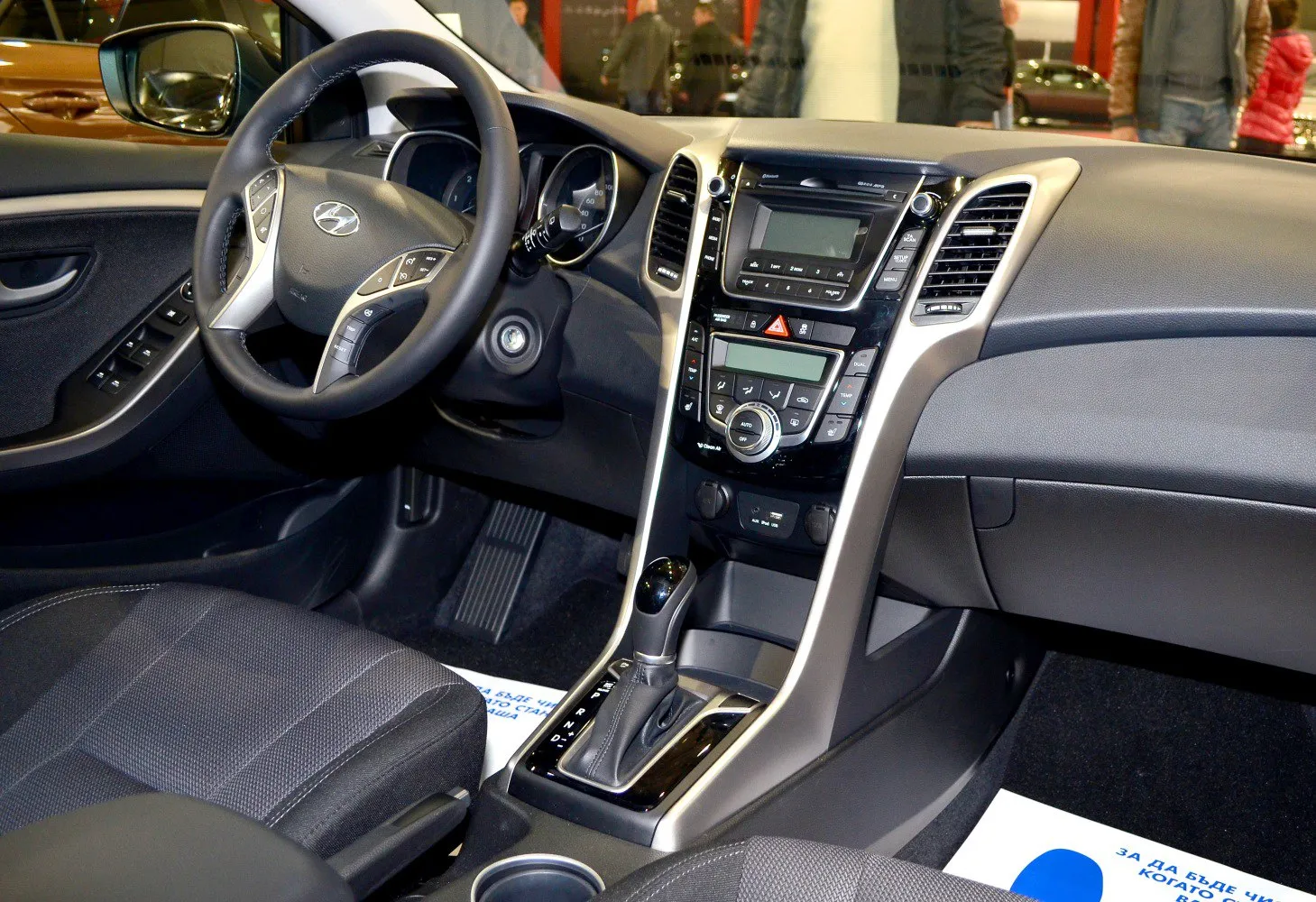
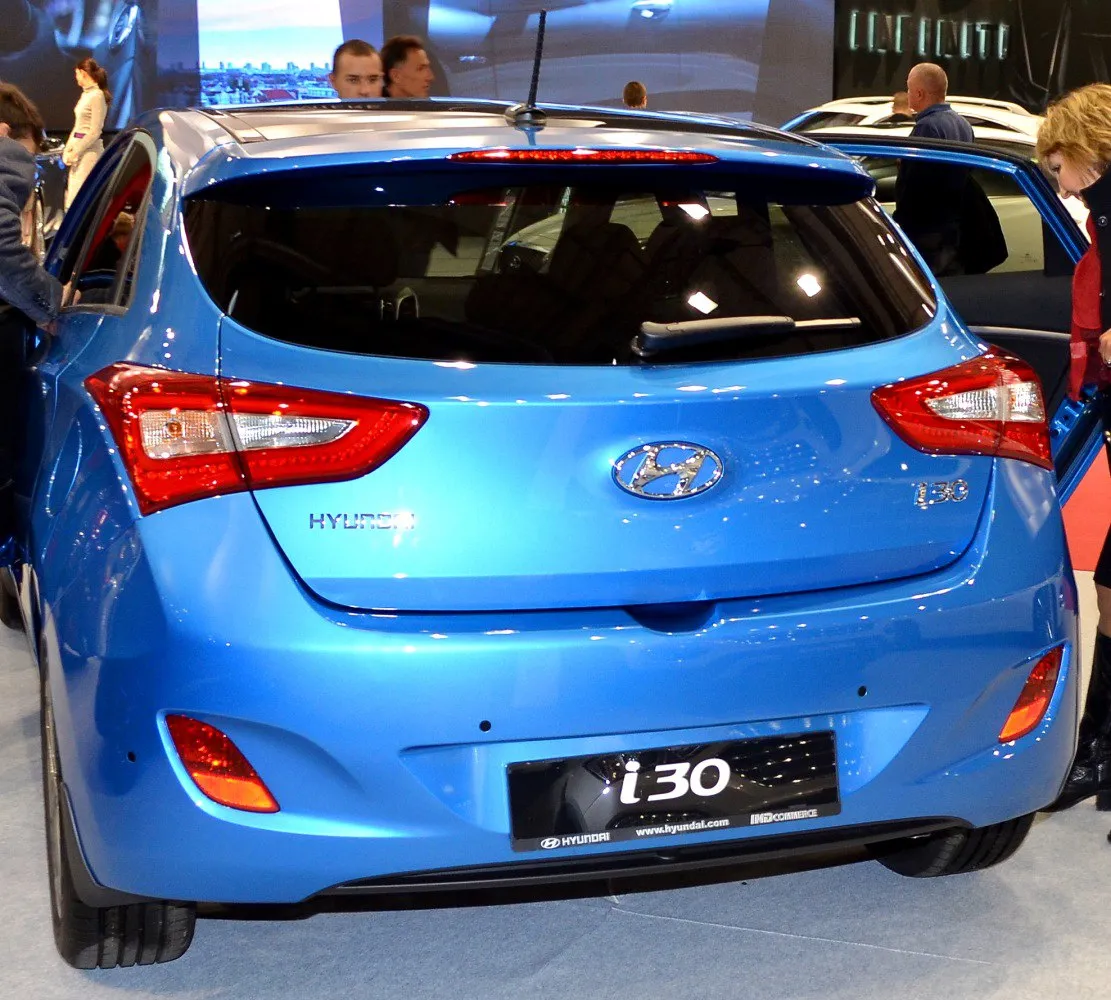
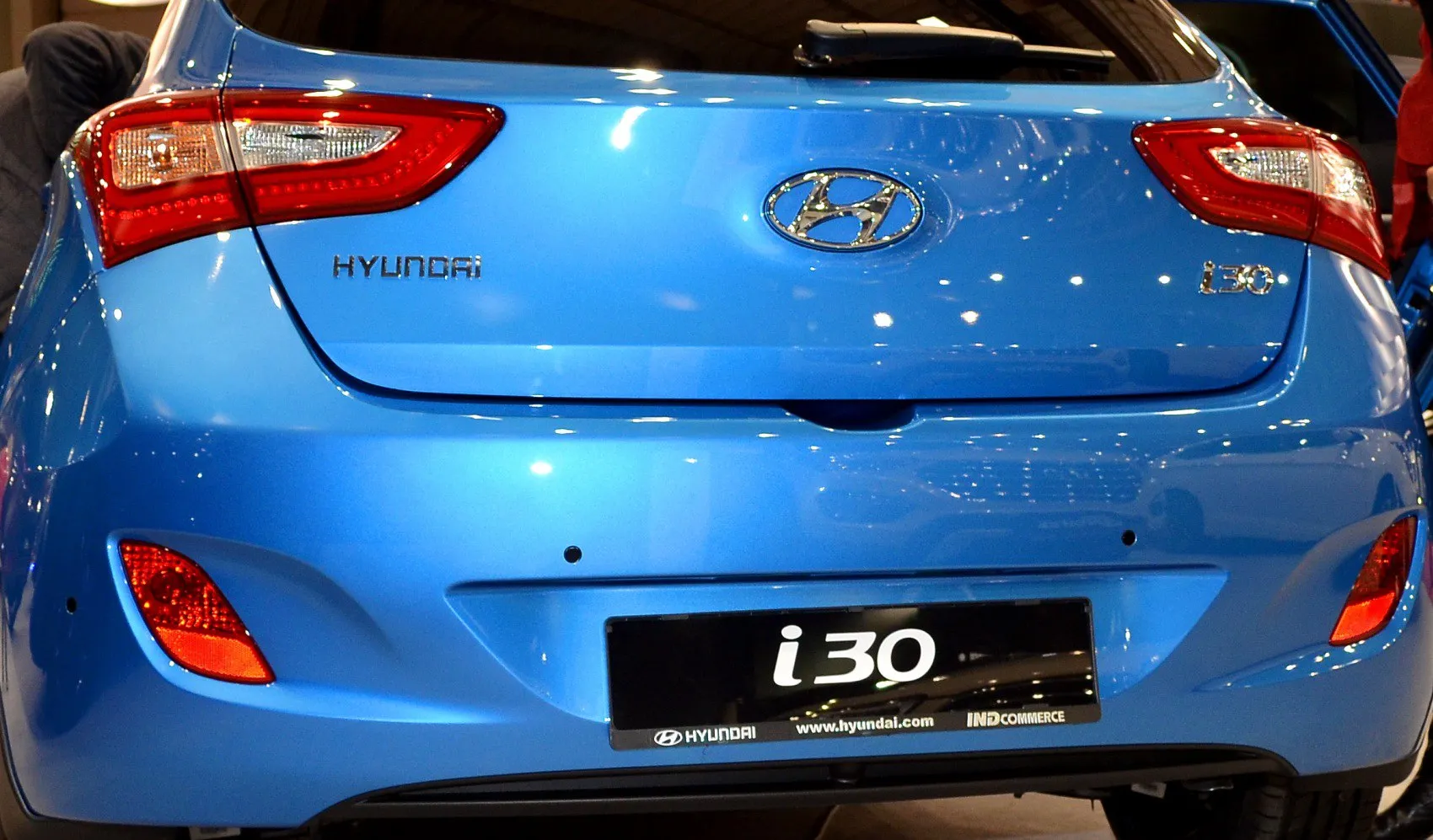


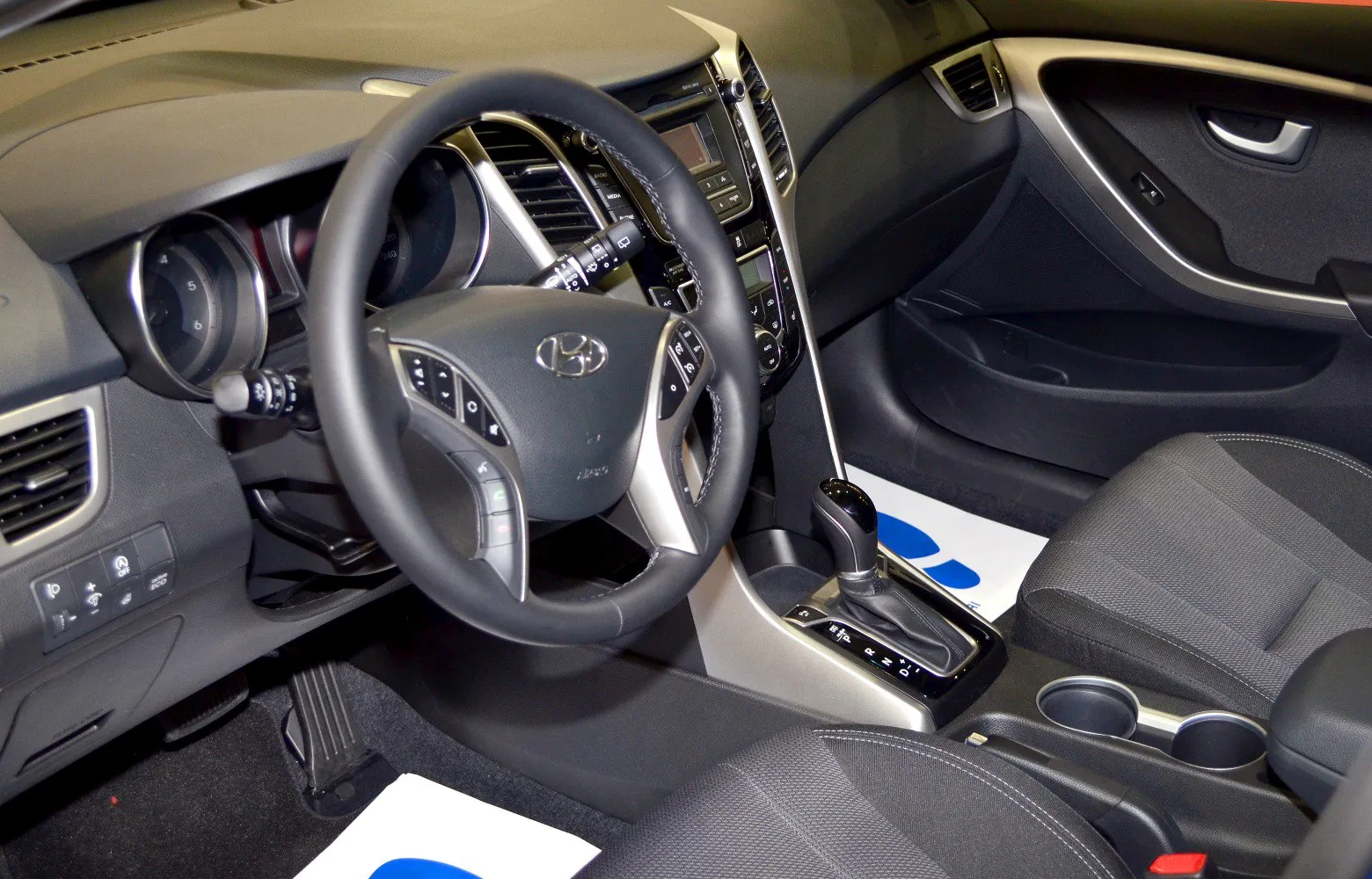

Choose a drivetrain
Engine versions
Select a row to update the key figures and detailed specifications below.
12 versions · 5 Diesel fuel · 7 Gasoline
| Engine | Fuel | Power | Production |
|---|---|---|---|
| 1.6 CRDi (110 KM) blue Selected | Diesel fuel | 110 KM | 2015–2017 |
| 1.4 CRDi (90 KM) Selected | Diesel fuel | 90 KM | 2015–2017 |
| 1.6 T-GDI (186 KM) Selected | Gasoline | 186 KM | 2015–2017 |
| 1.6 CRDi (110 KM) DCT blue Selected | Diesel fuel | 110 KM | 2015–2017 |
| 1.6 CRDi (136 KM) DCT blue Selected | Diesel fuel | 136 KM | 2015–2017 |
| 1.6 (120 KM) Automatic Selected | Gasoline | 120 KM | 2015–2016 |
| 1.6 CRDi (136 KM) blue Selected | Diesel fuel | 136 KM | 2015–2017 |
| 1.4 (100 KM) blue Selected | Gasoline | 100 KM | 2015–2017 |
| 1.6 (120 KM) Selected | Gasoline | 120 KM | 2015–2016 |
| 1.6 GDI (135 KM) Selected | Gasoline | 135 KM | 2015–2017 |
| 1.6 GDI (135 KM) blue Selected | Gasoline | 135 KM | 2015–2017 |
| 1.6 GDI (135 KM) DCT blue Selected | Gasoline | 135 KM | 2015–2017 |
No matching engine version
Try a model number, power figure or clear the fuel filter.
Selected engine version
1.6 CRDi (110 KM) blue
Diesel fuel · 2015–2017
- Engine power
- 110 KM
- Torque
- 280 Nm
- Engine displacement
- 1,582 cm³
- Fuel type
- Diesel fuel
- Acceleration 0-100 km/h
- 10.6 s
- Maximum speed
- 188 km/h
On this page
Basic version information
Hyundai i30 i30 II (facelift 2015)- Brand
- Hyundai
- Model
- i30
- Version
- i30 II (facelift 2015)
- Engine
- 1.6 CRDi (110 KM) blue
- Engine type
- Combustion engine
- Number of doors
- 5
- Start of production
- 2015
- End of production
- 2017
- Body type
- Hatchback
- Number of seats
- 5
- Fuel type
- Diesel fuel
Performance
- Maximum speed
- 188 km/h
- Acceleration 0-100 km/h
- 10.6 s
- Fuel consumption - Urban cycle
- 4.2 l/100 km
- Fuel consumption - Extra-urban cycle
- 3.4 l/100 km
- Fuel consumption - Combined cycle
- 3.6 l/100 km
- Emission standard
- Euro 6
- CO2 emissions
- 94 g/km
Engine
- Engine model / code
- D4FB
- Engine position
- Front, Transverse
- Engine displacement
- 1582 cm³
- Fuel injection system
- Diesel common rail
- Engine type
- Turbocharger, Intercooler
- Valvetrain
- DOHC
- Engine configuration
- Inline
- Number of cylinders
- 4
- Cylinder bore
- 77.2 mm
- Piston stroke
- 84.5 mm
- Compression ratio
- 16
- Number of valves per cylinder
- 4
- Engine oil capacity
- 5.3 l
- Coolant capacity
- 6.9 l
- Power
- 110 KM @ 4000 obr./min
- Torque
- 280 Nm @ 1500-3000 obr./min
Volume and weight
- Fuel tank
- 53 l
- Minimum trunk capacity
- 378 l
- Maximum trunk capacity
- 1316 l
- Curb weight
- 1429 kg
- Gross weight
- 1920 kg
- Roof load
- 80 kg
- Braked trailer load (12% slope start)
- 1500 kg
- Trailer load without brakes
- 650 kg
- Trailer nose weight
- 75 kg
Vehicle dimensions
- Length
- 4300 mm
- Width
- 1780 mm
- Height
- 1470 mm
- Wheelbase
- 2650 mm
- Front track
- 1563-1569 mm
- Rear track
- 1571-1577 mm
- Turning circle
- 10.6 m
Drivetrain, Brakes and suspension
- Drive
- Front-wheel drive
- Number of gears
- 6
- Front suspension
- Independent, McPherson type with coil spring and stabilizer bar
- Rear suspension
- Independent multi-link suspension
- Front brakes
- Ventilated disc
- Rear brakes
- Disc
- Steering system
- Rack-and-pinion
- Power steering
- Electric power steering
- Tire size
- 195/65 R15
- Rim size
- 6.0J x 15
- ABS
- yes
Selected engine version
1.4 CRDi (90 KM)
Diesel fuel · 2015–2017
- Engine power
- 90 KM
- Torque
- 240 Nm
- Engine displacement
- 1,396 cm³
- Fuel type
- Diesel fuel
- Acceleration 0-100 km/h
- 13.5 s
- Maximum speed
- 173 km/h
On this page
Basic version information
Hyundai i30 i30 II (facelift 2015)- Brand
- Hyundai
- Model
- i30
- Version
- i30 II (facelift 2015)
- Engine
- 1.4 CRDi (90 KM)
- Engine type
- Combustion engine
- Number of doors
- 5
- Start of production
- 2015
- End of production
- 2017
- Body type
- Hatchback
- Number of seats
- 5
- Fuel type
- Diesel fuel
Performance
- Maximum speed
- 173 km/h
- Acceleration 0-100 km/h
- 13.5 s
- Fuel consumption - Urban cycle
- 5.1 l/100 km
- Fuel consumption - Extra-urban cycle
- 3.7 l/100 km
- Fuel consumption - Combined cycle
- 4.2 l/100 km
- Emission standard
- Euro 6
- CO2 emissions
- 109 g/km
Engine
- Engine model / code
- D4FC
- Engine position
- Front, Transverse
- Engine displacement
- 1396 cm³
- Fuel injection system
- Diesel common rail
- Engine type
- Turbocharger, Intercooler
- Valvetrain
- DOHC
- Engine configuration
- Inline
- Number of cylinders
- 4
- Cylinder bore
- 75 mm
- Piston stroke
- 79 mm
- Compression ratio
- 16
- Number of valves per cylinder
- 4
- Engine oil capacity
- 5.3 l
- Coolant capacity
- 6.9 l
- Power
- 90 KM @ 4000 obr./min
- Torque
- 240 Nm @ 1500-2500 obr./min
Volume and weight
- Fuel tank
- 53 l
- Minimum trunk capacity
- 378 l
- Maximum trunk capacity
- 1316 l
- Curb weight
- 1282 kg
- Gross weight
- 1910 kg
Vehicle dimensions
- Length
- 4300 mm
- Width
- 1780 mm
- Height
- 1470 mm
- Wheelbase
- 2650 mm
- Front track
- 1549-1569 mm
- Rear track
- 1557-1571 mm
- Ground clearance
- 140 mm
- Front overhang
- 880 mm
- Rear overhang
- 770 mm
- Turning circle
- 10.6 m
Drivetrain, Brakes and suspension
- Drive
- Front-wheel drive
- Number of gears
- 6
- Front suspension
- Independent, McPherson type with coil spring and stabilizer bar
- Rear suspension
- Independent multi-link suspension
- Front brakes
- Ventilated disc
- Rear brakes
- Disc
- Steering system
- Rack-and-pinion
- Power steering
- Electric power steering
- Tire size
- 195/65 R15; 205/55 R16; 205/45 R17; 225/40 R18
- Rim size
- 6.0J x 15; 6.5J x 16; 7.0J x 17; 7.5J x 18
- ABS
- yes
Selected engine version
1.6 T-GDI (186 KM)
Gasoline · 2015–2017
- Engine power
- 186 KM
- Torque
- 265 Nm
- Engine displacement
- 1,591 cm³
- Fuel type
- Gasoline
- Acceleration 0-100 km/h
- 8 s
- Maximum speed
- 219 km/h
On this page
Basic version information
Hyundai i30 i30 II (facelift 2015)- Brand
- Hyundai
- Model
- i30
- Version
- i30 II (facelift 2015)
- Engine
- 1.6 T-GDI (186 KM)
- Engine type
- Combustion engine
- Number of doors
- 5
- Start of production
- 2015
- End of production
- 2017
- Body type
- Hatchback
- Number of seats
- 5
- Fuel type
- Gasoline
Performance
- Maximum speed
- 219 km/h
- Acceleration 0-100 km/h
- 8 s
- Fuel consumption - Urban cycle
- 9.6 l/100 km
- Fuel consumption - Extra-urban cycle
- 6 l/100 km
- Fuel consumption - Combined cycle
- 7.3 l/100 km
- Emission standard
- Euro 6
- CO2 emissions
- 169 g/km
Engine
- Engine model / code
- GammaII/G4FJ
- Engine position
- Front, Transverse
- Engine displacement
- 1591 cm³
- Fuel injection system
- Direct injection
- Engine type
- Turbocharger, Intercooler
- Valvetrain
- DOHC
- Engine configuration
- Inline
- Number of cylinders
- 4
- Cylinder bore
- 77 mm
- Piston stroke
- 85.44 mm
- Compression ratio
- 9.5
- Number of valves per cylinder
- 4
- Engine oil capacity
- 4.5 l
- Coolant capacity
- 6.4 l
- Power
- 186 KM @ 5500 obr./min
- Torque
- 265 Nm @ 1500-4500 obr./min
Volume and weight
- Fuel tank
- 53 l
- Minimum trunk capacity
- 378 l
- Maximum trunk capacity
- 1316 l
- Curb weight
- 1292-1394 kg
- Gross weight
- 1920 kg
- Roof load
- 80 kg
- Braked trailer load (12% slope start)
- 1400 kg
- Trailer load without brakes
- 600 kg
- Trailer nose weight
- 60 kg
Vehicle dimensions
- Length
- 4300 mm
- Width
- 1780 mm
- Height
- 1470 mm
- Wheelbase
- 2650 mm
- Front track
- 1553 mm
- Rear track
- 1545 mm
- Ground clearance
- 140 mm
- Front overhang
- 880 mm
- Rear overhang
- 770 mm
- Turning circle
- 10.6 m
Drivetrain, Brakes and suspension
- Drive
- Front-wheel drive
- Number of gears
- 6
- Front suspension
- Independent, McPherson type with coil spring and stabilizer bar
- Rear suspension
- Independent multi-link suspension
- Front brakes
- Ventilated disc
- Rear brakes
- Disc
- Steering system
- Rack-and-pinion
- Power steering
- Electric power steering
- Tire size
- 225/40 R18
- Rim size
- 7.5J x 18
- ABS
- yes
Selected engine version
1.6 CRDi (110 KM) DCT blue
Diesel fuel · 2015–2017
- Engine power
- 110 KM
- Torque
- 300 Nm
- Engine displacement
- 1,582 cm³
- Fuel type
- Diesel fuel
- Acceleration 0-100 km/h
- 11.8 s
- Maximum speed
- 185 km/h
On this page
Basic version information
Hyundai i30 i30 II (facelift 2015)- Brand
- Hyundai
- Model
- i30
- Version
- i30 II (facelift 2015)
- Engine
- 1.6 CRDi (110 KM) DCT blue
- Engine type
- Combustion engine
- Number of doors
- 5
- Start of production
- 2015
- End of production
- 2017
- Body type
- Hatchback
- Number of seats
- 5
- Fuel type
- Diesel fuel
Performance
- Maximum speed
- 185 km/h
- Acceleration 0-100 km/h
- 11.8 s
- Fuel consumption - Urban cycle
- 4.6 l/100 km
- Fuel consumption - Extra-urban cycle
- 3.9 l/100 km
- Fuel consumption - Combined cycle
- 4.2 l/100 km
- Emission standard
- Euro 6
- CO2 emissions
- 109 g/km
Engine
- Engine model / code
- D4FB
- Engine position
- Front, Transverse
- Engine displacement
- 1582 cm³
- Fuel injection system
- Diesel common rail
- Engine type
- Turbocharger, Intercooler
- Valvetrain
- DOHC
- Engine configuration
- Inline
- Number of cylinders
- 4
- Cylinder bore
- 77.2 mm
- Piston stroke
- 84.5 mm
- Compression ratio
- 16
- Number of valves per cylinder
- 4
- Engine oil capacity
- 5.3 l
- Coolant capacity
- 6.9 l
- Power
- 110 KM @ 4000 obr./min
- Torque
- 300 Nm @ 1750-2500 obr./min
Volume and weight
- Fuel tank
- 53 l
- Minimum trunk capacity
- 378 l
- Maximum trunk capacity
- 1316 l
- Curb weight
- 1456 kg
- Gross weight
- 1940 kg
- Roof load
- 80 kg
- Braked trailer load (12% slope start)
- 1500 kg
- Trailer load without brakes
- 650 kg
- Trailer nose weight
- 75 kg
Vehicle dimensions
- Length
- 4300 mm
- Width
- 1780 mm
- Height
- 1470 mm
- Wheelbase
- 2650 mm
- Front track
- 1555 mm
- Rear track
- 1563 mm
- Turning circle
- 10.6 m
Drivetrain, Brakes and suspension
- Drive
- Front-wheel drive
- Number of gears
- 7
- Type of automatic gearbox
- DCT
- Front suspension
- Independent, McPherson type with coil spring and stabilizer bar
- Rear suspension
- Independent multi-link suspension
- Front brakes
- Ventilated disc
- Rear brakes
- Disc
- Steering system
- Rack-and-pinion
- Power steering
- Electric power steering
- Tire size
- 205/55 R16
- Rim size
- 6.5J x 16
- ABS
- yes
Selected engine version
1.6 CRDi (136 KM) DCT blue
Diesel fuel · 2015–2017
- Engine power
- 136 KM
- Torque
- 300 Nm
- Engine displacement
- 1,582 cm³
- Fuel type
- Diesel fuel
- Acceleration 0-100 km/h
- 10.6 s
- Maximum speed
- 200 km/h
On this page
Basic version information
Hyundai i30 i30 II (facelift 2015)- Brand
- Hyundai
- Model
- i30
- Version
- i30 II (facelift 2015)
- Engine
- 1.6 CRDi (136 KM) DCT blue
- Engine type
- Combustion engine
- Number of doors
- 5
- Start of production
- 2015
- End of production
- 2017
- Body type
- Hatchback
- Number of seats
- 5
- Fuel type
- Diesel fuel
Performance
- Maximum speed
- 200 km/h
- Acceleration 0-100 km/h
- 10.6 s
- Fuel consumption - Urban cycle
- 5.1 l/100 km
- Fuel consumption - Extra-urban cycle
- 4 l/100 km
- Fuel consumption - Combined cycle
- 4.4 l/100 km
- Emission standard
- Euro 6
- CO2 emissions
- 115 g/km
Engine
- Engine model / code
- D4FB
- Engine position
- Front, Transverse
- Engine displacement
- 1582 cm³
- Fuel injection system
- Diesel common rail
- Engine type
- Turbocharger, Intercooler
- Valvetrain
- DOHC
- Engine configuration
- Inline
- Number of cylinders
- 4
- Cylinder bore
- 77.2 mm
- Piston stroke
- 84.5 mm
- Compression ratio
- 16
- Number of valves per cylinder
- 4
- Engine oil capacity
- 5.3 l
- Coolant capacity
- 6.9 l
- Power
- 136 KM @ 4000 obr./min
- Torque
- 300 Nm @ 1750-2500 obr./min
Volume and weight
- Fuel tank
- 53 l
- Minimum trunk capacity
- 378 l
- Maximum trunk capacity
- 1316 l
- Curb weight
- 1456 kg
- Gross weight
- 1940 kg
- Roof load
- 80 kg
- Braked trailer load (12% slope start)
- 1500 kg
- Trailer load without brakes
- 650 kg
- Trailer nose weight
- 75 kg
Vehicle dimensions
- Length
- 4300 mm
- Width
- 1780 mm
- Height
- 1470 mm
- Wheelbase
- 2650 mm
- Front track
- 1549 mm
- Rear track
- 1557 mm
- Turning circle
- 10.6 m
Drivetrain, Brakes and suspension
- Drive
- Front-wheel drive
- Number of gears
- 7
- Type of automatic gearbox
- DCT
- Front suspension
- Independent, McPherson type with coil spring and stabilizer bar
- Rear suspension
- Independent multi-link suspension
- Front brakes
- Ventilated disc
- Rear brakes
- Disc
- Steering system
- Rack-and-pinion
- Power steering
- Electric power steering
- Tire size
- 225/45 R17
- Rim size
- 7.0J x 17
- ABS
- yes
Selected engine version
1.6 (120 KM) Automatic
Gasoline · 2015–2016
- Engine power
- 120 KM
- Torque
- 156 Nm
- Engine displacement
- 1,591 cm³
- Fuel type
- Gasoline
- Acceleration 0-100 km/h
- 11.9 s
- Maximum speed
- 192 km/h
On this page
Basic version information
Hyundai i30 i30 II (facelift 2015)- Brand
- Hyundai
- Model
- i30
- Version
- i30 II (facelift 2015)
- Engine
- 1.6 (120 KM) Automatic
- Engine type
- Combustion engine
- Number of doors
- 5
- Start of production
- 2015
- End of production
- 2016
- Body type
- Hatchback
- Number of seats
- 5
- Fuel type
- Gasoline
Performance
- Maximum speed
- 192 km/h
- Acceleration 0-100 km/h
- 11.9 s
- Fuel consumption - Urban cycle
- 9 l/100 km
- Fuel consumption - Extra-urban cycle
- 5.5 l/100 km
- Fuel consumption - Combined cycle
- 6.8 l/100 km
- Emission standard
- Euro 6
- CO2 emissions
- 158 g/km
Engine
- Engine model / code
- GammaII/G4FG
- Engine position
- Front, Transverse
- Engine displacement
- 1591 cm³
- Fuel injection system
- Multi-point injection
- Engine type
- Naturally aspirated engine
- Valvetrain
- DOHC
- Engine configuration
- Inline
- Number of cylinders
- 4
- Cylinder bore
- 77 mm
- Piston stroke
- 85.44 mm
- Compression ratio
- 10.5
- Number of valves per cylinder
- 4
- Engine oil capacity
- 3.6 l
- Coolant capacity
- 6.5 l
- Power
- 120 KM @ 6300 obr./min
- Torque
- 156 Nm @ 4850 obr./min
Volume and weight
- Fuel tank
- 53 l
- Minimum trunk capacity
- 378 l
- Maximum trunk capacity
- 1316 l
- Curb weight
- 1362 kg
- Gross weight
- 1850 kg
- Roof load
- 80 kg
- Braked trailer load (12% slope start)
- 1200 kg
- Trailer load without brakes
- 600 kg
- Trailer nose weight
- 60 kg
Vehicle dimensions
- Length
- 4300 mm
- Width
- 1780 mm
- Height
- 1470 mm
- Wheelbase
- 2650 mm
- Front track
- 1555 mm
- Rear track
- 1563 mm
- Turning circle
- 10.6 m
Drivetrain, Brakes and suspension
- Drive
- Front-wheel drive
- Number of gears
- 6
- Front suspension
- Independent, McPherson type with coil spring and stabilizer bar
- Rear suspension
- Independent multi-link suspension
- Front brakes
- Ventilated disc
- Rear brakes
- Disc
- Steering system
- Rack-and-pinion
- Power steering
- Electric power steering
- Tire size
- 205/55 R16
- Rim size
- 6.5J x 16
- ABS
- yes
Selected engine version
1.6 CRDi (136 KM) blue
Diesel fuel · 2015–2017
- Engine power
- 136 KM
- Torque
- 280 Nm
- Engine displacement
- 1,582 cm³
- Fuel type
- Diesel fuel
- Acceleration 0-100 km/h
- 10.2 s
- Maximum speed
- 196 km/h
On this page
Basic version information
Hyundai i30 i30 II (facelift 2015)- Brand
- Hyundai
- Model
- i30
- Version
- i30 II (facelift 2015)
- Engine
- 1.6 CRDi (136 KM) blue
- Engine type
- Combustion engine
- Number of doors
- 5
- Start of production
- 2015
- End of production
- 2017
- Body type
- Hatchback
- Number of seats
- 5
- Fuel type
- Diesel fuel
Performance
- Maximum speed
- 196 km/h
- Acceleration 0-100 km/h
- 10.2 s
- Fuel consumption - Urban cycle
- 4.7 l/100 km
- Fuel consumption - Extra-urban cycle
- 3.6 l/100 km
- Fuel consumption - Combined cycle
- 4 l/100 km
- Emission standard
- Euro 6
- CO2 emissions
- 104 g/km
Engine
- Engine model / code
- D4FB
- Engine position
- Front, Transverse
- Engine displacement
- 1582 cm³
- Fuel injection system
- Diesel common rail
- Engine type
- Turbocharger, Intercooler
- Valvetrain
- DOHC
- Engine configuration
- Inline
- Number of cylinders
- 4
- Cylinder bore
- 77.2 mm
- Piston stroke
- 84.5 mm
- Compression ratio
- 16
- Number of valves per cylinder
- 4
- Engine oil capacity
- 5.3 l
- Coolant capacity
- 6.9 l
- Power
- 136 KM @ 4000 obr./min
- Torque
- 280 Nm @ 1500-3000 obr./min
Volume and weight
- Fuel tank
- 53 l
- Minimum trunk capacity
- 378 l
- Maximum trunk capacity
- 1316 l
- Curb weight
- 1429 kg
- Gross weight
- 1920 kg
- Roof load
- 80 kg
- Braked trailer load (12% slope start)
- 1500 kg
- Trailer load without brakes
- 650 kg
- Trailer nose weight
- 75 kg
Vehicle dimensions
- Length
- 4300 mm
- Width
- 1780 mm
- Height
- 1470 mm
- Wheelbase
- 2650 mm
- Front track
- 1549 mm
- Rear track
- 1557 mm
- Turning circle
- 10.6 m
Drivetrain, Brakes and suspension
- Drive
- Front-wheel drive
- Number of gears
- 6
- Front suspension
- Independent, McPherson type with coil spring and stabilizer bar
- Rear suspension
- Independent multi-link suspension
- Front brakes
- Ventilated disc
- Rear brakes
- Disc
- Steering system
- Rack-and-pinion
- Power steering
- Electric power steering
- Tire size
- 225/45 R17
- Rim size
- 7.0J x 17
- ABS
- yes
Selected engine version
1.4 (100 KM) blue
Gasoline · 2015–2017
- Engine power
- 100 KM
- Torque
- 134 Nm
- Engine displacement
- 1,368 cm³
- Fuel type
- Gasoline
- Acceleration 0-100 km/h
- 12.7 s
- Maximum speed
- 182 km/h
On this page
Basic version information
Hyundai i30 i30 II (facelift 2015)- Brand
- Hyundai
- Model
- i30
- Version
- i30 II (facelift 2015)
- Engine
- 1.4 (100 KM) blue
- Engine type
- Combustion engine
- Number of doors
- 5
- Start of production
- 2015
- End of production
- 2017
- Body type
- Hatchback
- Number of seats
- 5
- Fuel type
- Gasoline
Performance
- Maximum speed
- 182 km/h
- Acceleration 0-100 km/h
- 12.7 s
- Fuel consumption - Urban cycle
- 7.1-7.5 l/100 km
- Fuel consumption - Extra-urban cycle
- 4.7-4.9 l/100 km
- Fuel consumption - Combined cycle
- 5.6-5.8 l/100 km
- Emission standard
- Euro 6
- CO2 emissions
- 129-135 g/km
Engine
- Engine model / code
- Kappa/G4LC
- Engine position
- Front, Transverse
- Engine displacement
- 1368 cm³
- Fuel injection system
- Multi-point injection
- Engine type
- Naturally aspirated engine
- Valvetrain
- DOHC
- Engine configuration
- Inline
- Number of cylinders
- 4
- Cylinder bore
- 72 mm
- Piston stroke
- 84 mm
- Compression ratio
- 10.5
- Number of valves per cylinder
- 4
- Engine oil capacity
- 3.6 l
- Coolant capacity
- 6.4 l
- Power
- 100 KM @ 6000 obr./min
- Torque
- 134 Nm @ 3500 obr./min
Volume and weight
- Fuel tank
- 53 l
- Minimum trunk capacity
- 378 l
- Maximum trunk capacity
- 1316 l
- Curb weight
- 1179-1314 kg
- Gross weight
- 1820 kg
- Roof load
- 80 kg
- Braked trailer load (12% slope start)
- 1200 kg
- Trailer load without brakes
- 600 kg
- Trailer nose weight
- 60 kg
Vehicle dimensions
- Length
- 4300 mm
- Width
- 1780 mm
- Height
- 1470 mm
- Wheelbase
- 2650 mm
- Front track
- 1555-1563 mm
- Rear track
- 1563-1571 mm
- Ground clearance
- 135 mm
- Front overhang
- 880 mm
- Rear overhang
- 770 mm
- Turning circle
- 10.6 m
Drivetrain, Brakes and suspension
- Drive
- Front-wheel drive
- Number of gears
- 6
- Front suspension
- Independent, McPherson type with coil spring and stabilizer bar
- Rear suspension
- Independent multi-link suspension
- Front brakes
- Ventilated disc
- Rear brakes
- Disc
- Steering system
- Rack-and-pinion
- Power steering
- Electric power steering
- Tire size
- 195/65 R15; 205/55 R16
- Rim size
- 6.0J x 15; 6.5J x 16
- ABS
- yes
Selected engine version
1.6 (120 KM)
Gasoline · 2015–2016
- Engine power
- 120 KM
- Torque
- 156 Nm
- Engine displacement
- 1,591 cm³
- Fuel type
- Gasoline
- Acceleration 0-100 km/h
- 10.9 s
- Maximum speed
- 192 km/h
On this page
Basic version information
Hyundai i30 i30 II (facelift 2015)- Brand
- Hyundai
- Model
- i30
- Version
- i30 II (facelift 2015)
- Engine
- 1.6 (120 KM)
- Engine type
- Combustion engine
- Number of doors
- 5
- Start of production
- 2015
- End of production
- 2016
- Body type
- Hatchback
- Number of seats
- 5
- Fuel type
- Gasoline
Performance
- Maximum speed
- 192 km/h
- Acceleration 0-100 km/h
- 10.9 s
- Fuel consumption - Urban cycle
- 8.3 l/100 km
- Fuel consumption - Extra-urban cycle
- 5.1 l/100 km
- Fuel consumption - Combined cycle
- 6.3 l/100 km
- Emission standard
- Euro 6
- CO2 emissions
- 145 g/km
Engine
- Engine model / code
- GammaII/G4FG
- Engine position
- Front, Transverse
- Engine displacement
- 1591 cm³
- Fuel injection system
- Multi-point injection
- Engine type
- Naturally aspirated engine
- Valvetrain
- DOHC
- Engine configuration
- Inline
- Number of cylinders
- 4
- Cylinder bore
- 77 mm
- Piston stroke
- 85.44 mm
- Compression ratio
- 10.5
- Number of valves per cylinder
- 4
- Engine oil capacity
- 3.6 l
- Coolant capacity
- 6.4 l
- Power
- 120 KM @ 6300 obr./min
- Torque
- 156 Nm @ 4850 obr./min
Volume and weight
- Fuel tank
- 53 l
- Minimum trunk capacity
- 378 l
- Maximum trunk capacity
- 1316 l
- Curb weight
- 1335 kg
- Gross weight
- 1820 kg
- Roof load
- 80 kg
- Braked trailer load (12% slope start)
- 1300 kg
- Trailer load without brakes
- 600 kg
- Trailer nose weight
- 60 kg
Vehicle dimensions
- Length
- 4300 mm
- Width
- 1780 mm
- Height
- 1470 mm
- Wheelbase
- 2650 mm
- Front track
- 1549 mm
- Rear track
- 1557 mm
- Turning circle
- 10.6 m
Drivetrain, Brakes and suspension
- Drive
- Front-wheel drive
- Number of gears
- 6
- Front suspension
- Independent, McPherson type with coil spring and stabilizer bar
- Rear suspension
- Independent multi-link suspension
- Front brakes
- Ventilated disc
- Rear brakes
- Disc
- Steering system
- Rack-and-pinion
- Power steering
- Electric power steering
- Tire size
- 225/45 R17
- Rim size
- 7.0J x 17
- ABS
- yes
Selected engine version
1.6 GDI (135 KM)
Gasoline · 2015–2017
- Engine power
- 135 KM
- Torque
- 164 Nm
- Engine displacement
- 1,591 cm³
- Fuel type
- Gasoline
- Acceleration 0-100 km/h
- 9.9 s
- Maximum speed
- 195 km/h
On this page
Basic version information
Hyundai i30 i30 II (facelift 2015)- Brand
- Hyundai
- Model
- i30
- Version
- i30 II (facelift 2015)
- Engine
- 1.6 GDI (135 KM)
- Engine type
- Combustion engine
- Number of doors
- 5
- Start of production
- 2015
- End of production
- 2017
- Body type
- Hatchback
- Number of seats
- 5
- Fuel type
- Gasoline
Performance
- Maximum speed
- 195 km/h
- Acceleration 0-100 km/h
- 9.9 s
- Fuel consumption - Urban cycle
- 7.7 l/100 km
- Fuel consumption - Extra-urban cycle
- 4.6 l/100 km
- Fuel consumption - Combined cycle
- 5.7 l/100 km
- Emission standard
- Euro 6
- CO2 emissions
- 134 g/km
Engine
- Engine model / code
- G4FD
- Engine position
- Front, Transverse
- Engine displacement
- 1591 cm³
- Fuel injection system
- Direct injection
- Engine type
- Naturally aspirated engine
- Engine configuration
- Inline
- Number of cylinders
- 4
- Cylinder bore
- 77 mm
- Piston stroke
- 85.44 mm
- Compression ratio
- 10.5
- Number of valves per cylinder
- 4
- Engine oil capacity
- 3.6 l
- Coolant capacity
- 6.4 l
- Power
- 135 KM @ 6300 obr./min
- Torque
- 164 Nm @ 4850 obr./min
Volume and weight
- Fuel tank
- 53 l
- Minimum trunk capacity
- 378 l
- Maximum trunk capacity
- 1316 l
- Curb weight
- 1271-1417 kg
- Gross weight
- 1820 kg
- Roof load
- 80 kg
- Braked trailer load (12% slope start)
- 1400 kg
- Trailer load without brakes
- 600 kg
- Trailer nose weight
- 60 kg
Vehicle dimensions
- Length
- 4300 mm
- Width
- 1780 mm
- Height
- 1470 mm
- Wheelbase
- 2650 mm
- Front track
- 1549 mm
- Rear track
- 1557 mm
- Ground clearance
- 140 mm
- Front overhang
- 880 mm
- Rear overhang
- 770 mm
- Turning circle
- 10.6 m
Drivetrain, Brakes and suspension
- Drive
- Front-wheel drive
- Number of gears
- 6
- Front suspension
- Independent, McPherson type with coil spring and stabilizer bar
- Rear suspension
- Independent multi-link suspension
- Front brakes
- Ventilated disc
- Rear brakes
- Disc
- Steering system
- Rack-and-pinion
- Power steering
- Electric power steering
- Tire size
- 225/45 R17
- Rim size
- 7.0J x 17
- ABS
- yes
Selected engine version
1.6 GDI (135 KM) blue
Gasoline · 2015–2017
- Engine power
- 135 KM
- Torque
- 164 Nm
- Engine displacement
- 1,591 cm³
- Fuel type
- Gasoline
- Acceleration 0-100 km/h
- 9.9 s
- Maximum speed
- 195 km/h
On this page
Basic version information
Hyundai i30 i30 II (facelift 2015)- Brand
- Hyundai
- Model
- i30
- Version
- i30 II (facelift 2015)
- Engine
- 1.6 GDI (135 KM) blue
- Engine type
- Combustion engine
- Number of doors
- 5
- Start of production
- 2015
- End of production
- 2017
- Body type
- Hatchback
- Number of seats
- 5
- Fuel type
- Gasoline
Performance
- Maximum speed
- 195 km/h
- Acceleration 0-100 km/h
- 9.9 s
- Fuel consumption - Urban cycle
- 6.7 l/100 km
- Fuel consumption - Extra-urban cycle
- 4.4 l/100 km
- Fuel consumption - Combined cycle
- 5.3 l/100 km
- Emission standard
- Euro 6
- CO2 emissions
- 123 g/km
Engine
- Engine model / code
- G4FD
- Engine position
- Front, Transverse
- Engine displacement
- 1591 cm³
- Fuel injection system
- Direct injection
- Engine type
- Naturally aspirated engine
- Engine configuration
- Inline
- Number of cylinders
- 4
- Cylinder bore
- 77 mm
- Piston stroke
- 85.44 mm
- Compression ratio
- 10.5
- Number of valves per cylinder
- 4
- Engine oil capacity
- 3.6 l
- Coolant capacity
- 6.4 l
- Power
- 135 KM @ 6300 obr./min
- Torque
- 164 Nm @ 4850 obr./min
Volume and weight
- Fuel tank
- 53 l
- Minimum trunk capacity
- 378 l
- Maximum trunk capacity
- 1316 l
- Curb weight
- 1271-1417 kg
- Gross weight
- 1820 kg
- Roof load
- 80 kg
- Braked trailer load (12% slope start)
- 1400 kg
- Trailer load without brakes
- 600 kg
- Trailer nose weight
- 60 kg
Vehicle dimensions
- Length
- 4300 mm
- Width
- 1780 mm
- Height
- 1470 mm
- Wheelbase
- 2650 mm
- Front track
- 1549 mm
- Rear track
- 1557 mm
- Ground clearance
- 135 mm
- Front overhang
- 880 mm
- Rear overhang
- 770 mm
- Turning circle
- 10.6 m
Drivetrain, Brakes and suspension
- Drive
- Front-wheel drive
- Number of gears
- 6
- Front suspension
- Independent, McPherson type with coil spring and stabilizer bar
- Rear suspension
- Independent multi-link suspension
- Front brakes
- Ventilated disc
- Rear brakes
- Disc
- Steering system
- Rack-and-pinion
- Power steering
- Electric power steering
- Tire size
- 225/45 R17
- Rim size
- 7.0J x 17
- ABS
- yes
Selected engine version
1.6 GDI (135 KM) DCT blue
Gasoline · 2015–2017
- Engine power
- 135 KM
- Torque
- 164 Nm
- Engine displacement
- 1,591 cm³
- Fuel type
- Gasoline
- Acceleration 0-100 km/h
- 10.7 s
- Maximum speed
- 195 km/h
On this page
Basic version information
Hyundai i30 i30 II (facelift 2015)- Brand
- Hyundai
- Model
- i30
- Version
- i30 II (facelift 2015)
- Engine
- 1.6 GDI (135 KM) DCT blue
- Engine type
- Combustion engine
- Number of doors
- 5
- Start of production
- 2015
- End of production
- 2017
- Body type
- Hatchback
- Number of seats
- 5
- Fuel type
- Gasoline
Performance
- Maximum speed
- 195 km/h
- Acceleration 0-100 km/h
- 10.7 s
- Fuel consumption - Urban cycle
- 7.2 l/100 km
- Fuel consumption - Extra-urban cycle
- 4.9 l/100 km
- Fuel consumption - Combined cycle
- 5.7 l/100 km
- Emission standard
- Euro 6
- CO2 emissions
- 132 g/km
Engine
- Engine model / code
- G4FD
- Engine position
- Front, Transverse
- Engine displacement
- 1591 cm³
- Fuel injection system
- Direct injection
- Engine type
- Naturally aspirated engine
- Valvetrain
- DOHC
- Engine configuration
- Inline
- Number of cylinders
- 4
- Cylinder bore
- 77 mm
- Piston stroke
- 85.44 mm
- Compression ratio
- 10.5
- Number of valves per cylinder
- 4
- Engine oil capacity
- 3.6 l
- Coolant capacity
- 6.4 l
- Power
- 135 KM @ 6300 obr./min
- Torque
- 164 Nm @ 4850 obr./min
Volume and weight
- Fuel tank
- 53 l
- Minimum trunk capacity
- 378 l
- Maximum trunk capacity
- 1316 l
- Curb weight
- 1230-1376 kg
- Gross weight
- 1850 kg
- Roof load
- 80 kg
- Braked trailer load (12% slope start)
- 1400 kg
- Trailer load without brakes
- 600 kg
- Trailer nose weight
- 60 kg
Vehicle dimensions
- Length
- 4300 mm
- Width
- 1780 mm
- Height
- 1470 mm
- Wheelbase
- 2650 mm
- Front track
- 1549 mm
- Rear track
- 1557 mm
- Ground clearance
- 140 mm
- Front overhang
- 880 mm
- Rear overhang
- 770 mm
- Turning circle
- 10.6 m
Drivetrain, Brakes and suspension
- Drive
- Front-wheel drive
- Number of gears
- 7
- Type of automatic gearbox
- DCT
- Front suspension
- Independent, McPherson type with coil spring and stabilizer bar
- Rear suspension
- Independent multi-link suspension
- Front brakes
- Ventilated disc
- Rear brakes
- Disc
- Steering system
- Rack-and-pinion
- Power steering
- Electric power steering
- Tire size
- 205/55 R16; 225/45 R17
- Rim size
- 6.5 J x 16; 7.0J x 17
- ABS
- yes