
Model versions Mazda 6

6 III Sport Combi (GJ, facelift 2018)

6 III Sport Combi (GJ, facelift 2018)

Kombi

Years of production: 2018 r. –

Engine power: 145 KM – 194 KM

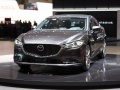
6 III Sedan (GJ, facelift 2018)

6 III Sedan (GJ, facelift 2018)

Sedan

Years of production: 2018 r. –

Engine power: 145 KM – 250 KM

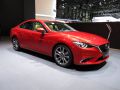
6 III Sedan (GJ, facelift 2015)

6 III Sedan (GJ, facelift 2015)

Sedan

Years of production: 2015 r. – 2017 r.

Engine power: 145 KM – 192 KM

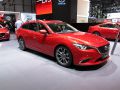
6 III Sport Combi (GJ, facelift 2015)

6 III Sport Combi (GJ, facelift 2015)

Kombi

Years of production: 2015 r. – 2017 r.

Engine power: 145 KM – 192 KM

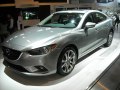
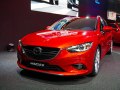
6 III Sedan (GJ)

6 III Sedan (GJ)

Sedan

Years of production: 2012 r. – 2015 r.

Engine power: 145 KM – 192 KM

6 III Sport Combi (GJ)

6 III Sport Combi (GJ)

Kombi

Years of production: 2012 r. – 2015 r.

Engine power: 145 KM – 192 KM

6 II Hatchback (GH, facelift 2010)

6 II Hatchback (GH, facelift 2010)

Hatchback

Years of production: 2010 r. – 2012 r.

Engine power: 120 KM – 180 KM

6 II Sedan (GH, facelift 2010)

6 II Sedan (GH, facelift 2010)

Sedan

Years of production: 2010 r. – 2012 r.

Engine power: 120 KM – 272 KM

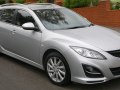
6 II Combi (GH, facelift 2010)

6 II Combi (GH, facelift 2010)

Kombi

Years of production: 2010 r. – 2012 r.

Engine power: 120 KM – 180 KM

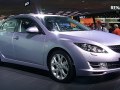
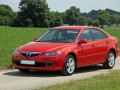
6 II Hatchback (GH)

6 II Hatchback (GH)

Hatchback

Years of production: 2007 r. – 2010 r.

Engine power: 120 KM – 185 KM

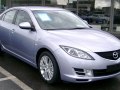
6 II Sedan (GH)

6 II Sedan (GH)

Sedan

Years of production: 2007 r. – 2010 r.

Engine power: 120 KM – 272 KM

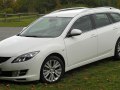
6 II Combi (GH)

6 II Combi (GH)

Kombi

Years of production: 2007 r. – 2010 r.

Engine power: 120 KM – 185 KM

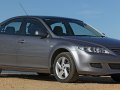
6 I Hatchback (Typ GG/GY/GG1 facelift 2005)

6 I Hatchback (Typ GG/GY/GG1 facelift 2005)

Hatchback

Years of production: 2005 r. – 2008 r.

Engine power: 120 KM – 215 KM

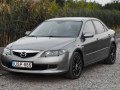
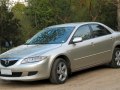
6 I Sedan (Typ GG/GY/GG1 facelift 2005)

6 I Sedan (Typ GG/GY/GG1 facelift 2005)

Sedan

Years of production: 2005 r. – 2008 r.

Engine power: 120 KM – 260 KM

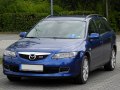
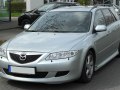
6 I Combi (Typ GG/GY/GG1 facelift 2005)

6 I Combi (Typ GG/GY/GG1 facelift 2005)

Kombi

Years of production: 2005 r. – 2008 r.

Engine power: 120 KM – 166 KM

6 I Hatchback (Typ GG/GY/GG1)

6 I Hatchback (Typ GG/GY/GG1)

Hatchback

Years of production: 2002 r. – 2005 r.

Engine power: 120 KM – 220 KM

6 I Sedan (Typ GG/GY/GG1)

6 I Sedan (Typ GG/GY/GG1)

Sedan

Years of production: 2002 r. – 2005 r.

Engine power: 120 KM – 220 KM

6 I Combi (Typ GG/GY/GG1)

6 I Combi (Typ GG/GY/GG1)

Kombi

Years of production: 2002 r. – 2005 r.

Engine power: 120 KM – 220 KM

Introduction and History

The Mazda 6, first introduced in 2002, has established itself as a sophisticated and dynamic model within the mid-size car market. It earned a reputation for combining elegance with performance, making it an attractive choice for those seeking a balance between practicality and driving pleasure.

Technical specifications

Mazda 6 offers a variety of technical specifications with options like all-wheel drive (4x4) and front-wheel drive, catering to different driving preferences. The production span of this model extends from 2002 to the present, showcasing its enduring appeal over the years.

List of key generations

The Mazda 6 comes in diverse body types including hatchback, sedan, and estate (wagon), each catering to different consumer needs. Notable generations include:

  • Mazda 6 I (Typ GG/GY/GG1) – The first generation, solidifying its market presence with stylish looks and reliable performance.
  • Mazda 6 II (GH) – Improved design and technology refinements, including a 2010 facelift enhancing features and aesthetics.
  • Mazda 6 III (GJ) – Marked by the 2015 and 2018 facelifts, bringing further modernization and advanced driving dynamics to the range.

Fuel options

Throughout its history, the Mazda 6 has been available with a variety of fuel options, including gasoline and diesel engines. This flexibility allows buyers to choose based on their preference for performance or fuel economy.

Summary and Conclusions

The Mazda 6 stands out as a versatile and appealing choice in the mid-size segment, offering a blend of elegant design, diverse body types, and fuel-efficient powertrains. It continues to attract a wide range of buyers, from those seeking everyday practicality to enthusiasts enjoying a more spirited driving experience.