





Introduction and History
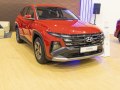
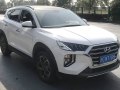
Hyundai Tucson, launched in 2004, has built a solid reputation as a versatile and reliable SUV. Known for its practical design and impressive off-road capabilities, it has become a popular choice for families and adventure-seekers alike.
Technical specifications
The Tucson is available with both front-wheel drive and all-wheel drive (4x4) systems, providing excellent traction and stability across various terrains. Its production has spanned multiple years, showcasing its enduring popularity and adaptability to changing market demands.
List of key generations
The Tucson has seen several key generational changes that have added to its appeal:
- Tucson I – the original model that established its reputation as a robust compact SUV
- Tucson II – introduced improvements in design and technology for a more modern appeal
- Tucson III – brought a more refined design language and updated features
- Tucson IV – the latest generation, exemplifying cutting-edge automotive technology and style
- Tucson III (facelift 2018) – a significant design refresh with enhanced features
- Tucson III (facelift 2019, China) – region-specific enhancements tailored to the Chinese market
Fuel options
Throughout its history, the Hyundai Tucson has been offered in a single body type: the SUV. This distinctive and adaptable shape has made it a suitable choice for both city environments and rugged terrains.
Summary and Conclusions
Hyundai Tucson offers a diverse range of fuel options, including diesel, hydrogen, gasoline, and hybrid technologies. This variety ensures that potential buyers can select a model that best fits their environmental and economic preferences.
The Hyundai Tucson continues to attract a broad range of buyers with its blend of practicality, technology, and diverse fuel options. Its reputation for reliability and versatility makes it an attractive option for those seeking a dependable SUV.