


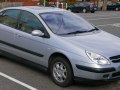
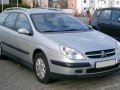
Introduction and History
The Citroën C5 made its debut in 2000, quickly establishing itself as a mid-size car known for its comfort and innovative suspension technology. It has maintained a reputation for providing a smooth and refined driving experience, making it a popular choice among those prioritizing comfort and style in their vehicle.
Technical specifications
Built with front-wheel drive, the Citroën C5 has been in production from 2000 to 2017. It is recognized for its hydropneumatic suspension, which is a standout feature that sets it apart from other vehicles in its class.
List of key generations
The Citroën C5 has experienced several significant evolutions in its body and performance styles, offering various generations:
- C5 I (Phase I, 2000) – the inaugural generation that laid the foundation for comfort and innovation.
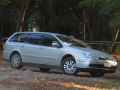
- C5 I Break (Phase II, 2004) – featuring a more refined design and the introduction of the 'Break' variant for expanded space.
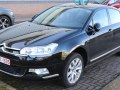
- C5 II (Phase I, 2008) – marked by significant aesthetic updates and technological enhancements.
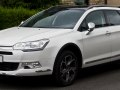
- C5 Cross Tourer – a versatile version embodying the blend of sedan comfort and SUV ruggedness.
Fuel options
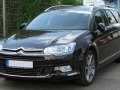
The array of body types for the Citroën C5 includes Sedan and Kombi, providing options for both executive and family-oriented buyers looking for space and practicality.
Summary and Conclusions
This model has been available with various fuel options, including diesel, gasoline, and a gasoline/ethanol E85 mix, providing flexibility and catering to diverse consumer preferences regarding fuel economy and availability.
In conclusion, the Citroën C5 stands out for its commitment to comfort and adaptive suspension technology. The range of body styles and fuel options offers prospective buyers extensive choices, making it an appealing vehicle for those seeking comfort and versatility in a mid-size car.