
Skip to content

Vehicle specifications

Hyundai i30 I

Compare all 11 engine versions of the Hyundai i30 i30 I, then open the technical data for the exact drivetrain and production year.

Vehicle history report

Buying a used Hyundai i30 I? Check the history of the exact car

A VIN report can help confirm the exact engine, equipment, mileage records and reported damage before you buy.

What is a VIN?
1 of 5
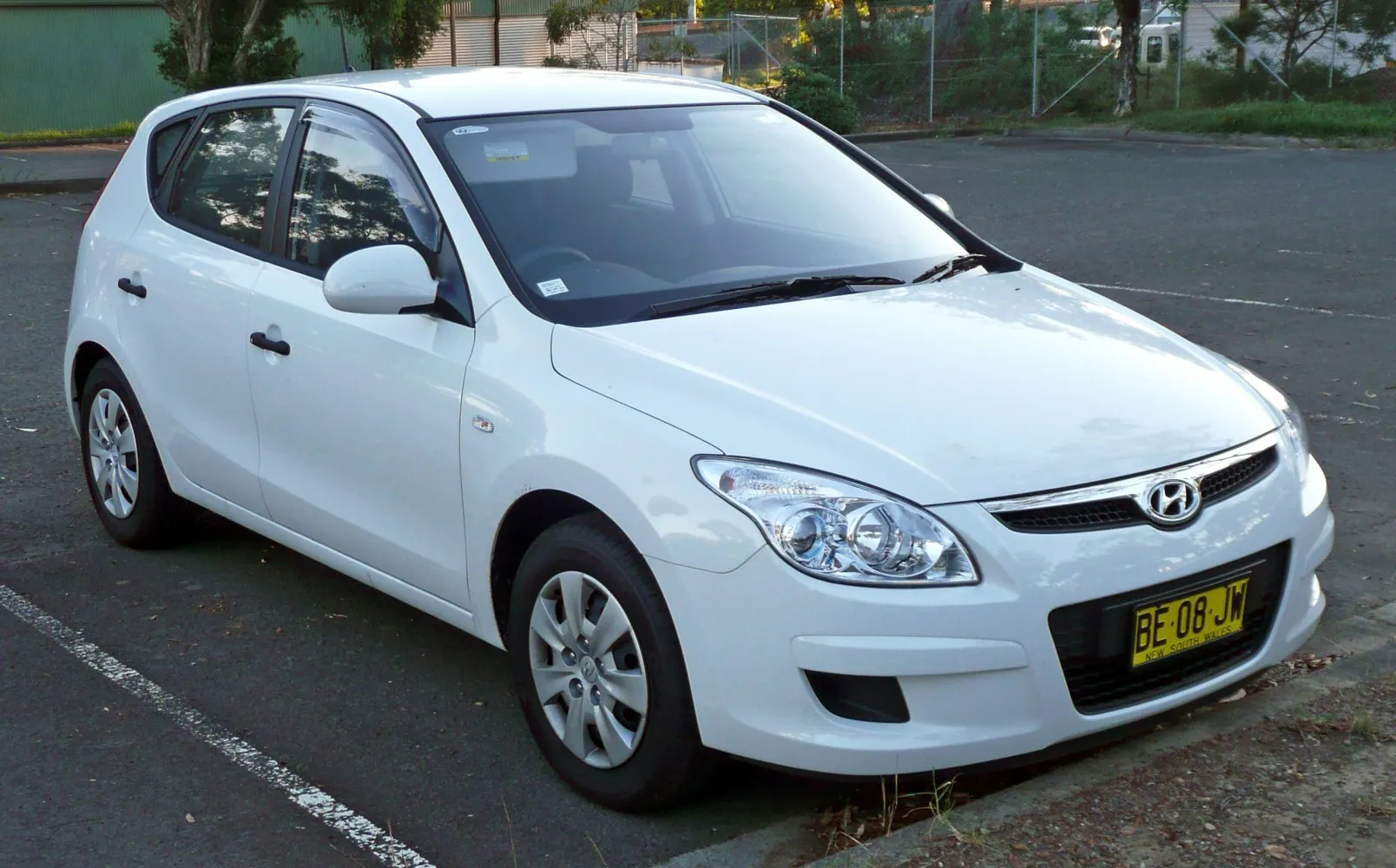
Hyundai i30 i30 I View larger
Photo: OSX, Public domain, via Wikimedia Commons

Vehicle gallery

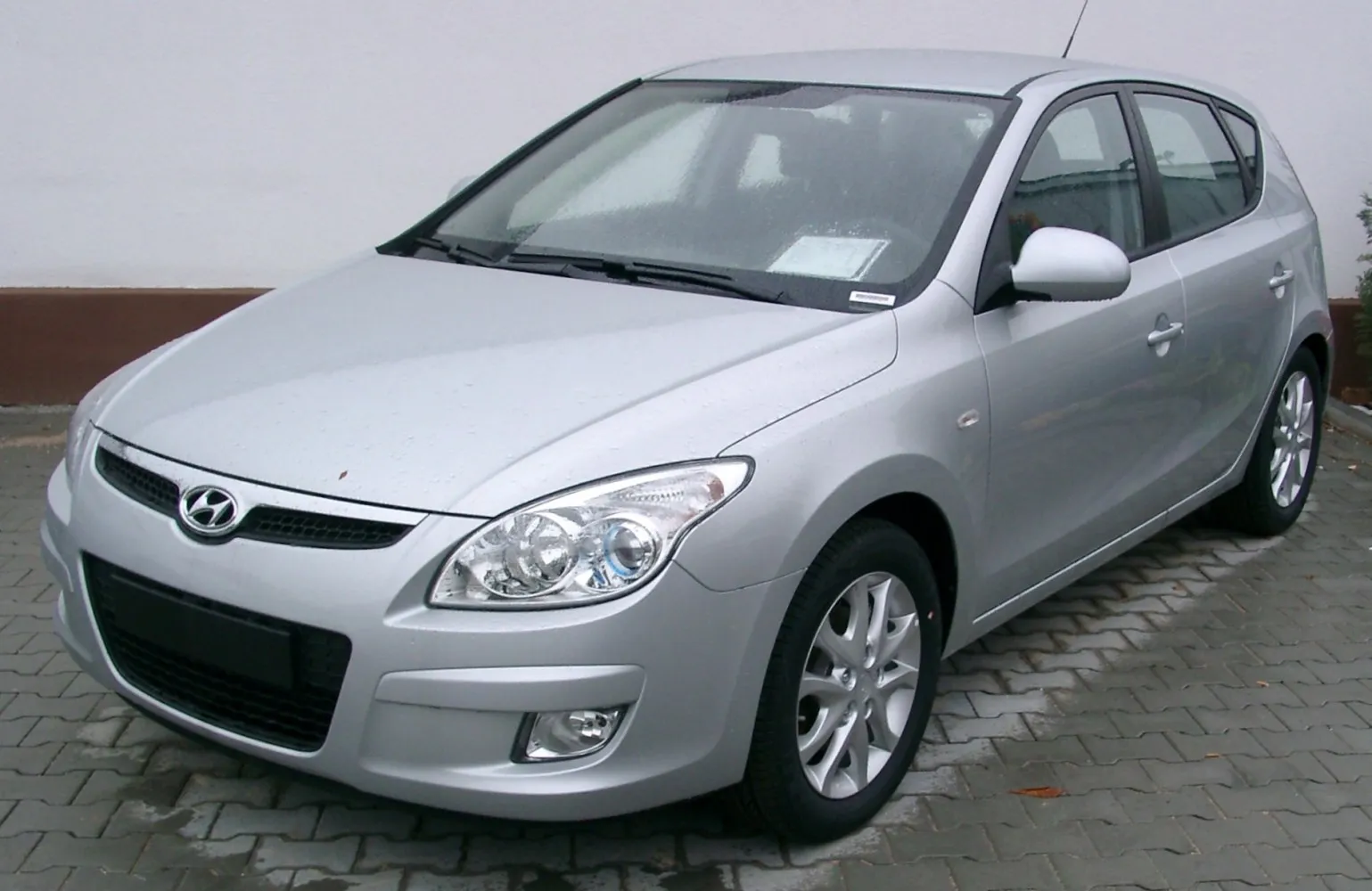
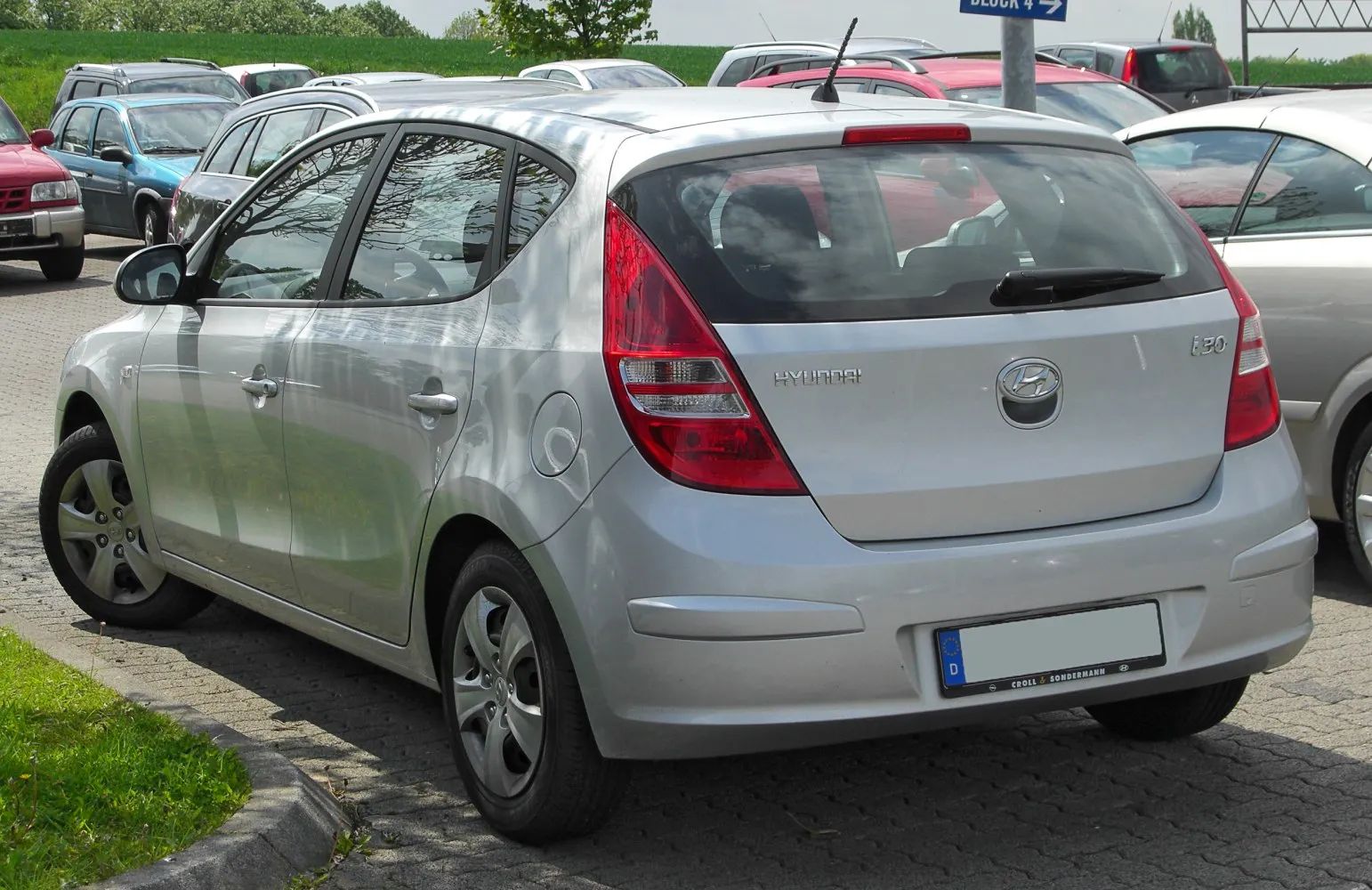
Hyundai i30 i30 I

Photo: OSX, Public domain, via Wikimedia Commons

Choose a drivetrain

Engine versions

Select a row to update the key figures and detailed specifications below.

11 versions · 7 Gasoline · 4 Diesel fuel

Engine Fuel Power Production
1.4 (109 KM) Selected Gasoline 109 KM 2008–2010
1.6 (122 KM) Selected Gasoline 122 KM 2007–2010
1.6 (122 KM) Automatic Selected Gasoline 122 KM 2007–2010
1.6 CRDi (116 KM) Automatic Selected Diesel fuel 116 KM 2007–2010
1.6 CRDi (116 KM) Selected Diesel fuel 116 KM 2007–2010
2.0 (143 KM) Selected Gasoline 143 KM 2007–2010
2.0 (143 KM) Automatic Selected Gasoline 143 KM 2007–2010
2.0 CRDi (140 KM) Selected Diesel fuel 140 KM 2007–2010
1.6 (126 KM) Selected Gasoline 126 KM 2007–2010
1.6 (126 KM) Automatic Selected Gasoline 126 KM 2007–2010
1.6 CRDi (90 KM) Selected Diesel fuel 90 KM 2007–2010

Selected engine version

1.4 (109 KM)

Gasoline · 2008–2010

Engine power
109 KM
Torque
137 Nm
Engine displacement
1,396 cm³
Fuel type
Gasoline
Acceleration 0-100 km/h
12.6 s
Maximum speed
187 km/h
On this page
Check vehicle history

Basic version information

Brand
Hyundai
Model
i30
Version
i30 I
Engine
1.4 (109 KM)
Engine type
Combustion engine
Number of doors
5
Start of production
2008
End of production
2010
Body type
Hatchback
Number of seats
5
Fuel type
Gasoline

Performance

Maximum speed
187 km/h
Acceleration 0-100 km/h
12.6 s
Fuel consumption - Urban cycle
7.6 l/100 km
Fuel consumption - Extra-urban cycle
5.2 l/100 km
Fuel consumption - Combined cycle
6.1 l/100 km
Emission standard
Euro 4

Engine

Engine model / code
G4FA
Engine position
Front, Transverse
Engine displacement
1396 cm³
Fuel injection system
Multi-point injection
Engine type
Naturally aspirated engine
Engine configuration
Inline
Number of cylinders
4
Compression ratio
10
Number of valves per cylinder
4
Engine oil capacity
3.3 l
Power
109 KM @ 6200 obr./min
Torque
137 Nm @ 5000 obr./min

Volume and weight

Fuel tank
53 l
Minimum trunk capacity
340 l
Maximum trunk capacity
1200 l
Curb weight
1268 kg
Gross weight
1728 kg

Vehicle dimensions

Length
4245 mm
Width
1775 mm
Height
1480 mm
Wheelbase
2650 mm

Drivetrain, Brakes and suspension

Drive
Front-wheel drive
Number of gears
5
Front brakes
Ventilated disc
Rear brakes
Disc
Tire size
185/65 R15
Rim size
15
ABS
yes

Selected engine version

1.6 (122 KM)

Gasoline · 2007–2010

Engine power
122 KM
Torque
157 Nm
Engine displacement
1,591 cm³
Fuel type
Gasoline
Acceleration 0-100 km/h
11.1 s
Maximum speed
192 km/h
On this page
Check vehicle history

Basic version information

Brand
Hyundai
Model
i30
Version
i30 I
Engine
1.6 (122 KM)
Engine type
Combustion engine
Number of doors
5
Start of production
2007
End of production
2010
Body type
Hatchback
Number of seats
5
Fuel type
Gasoline

Performance

Maximum speed
192 km/h
Acceleration 0-100 km/h
11.1 s
Fuel consumption - Urban cycle
8 l/100 km
Fuel consumption - Extra-urban cycle
5.2 l/100 km
Fuel consumption - Combined cycle
6.2 l/100 km
Emission standard
Euro 4

Engine

Engine model / code
G4FC
Engine position
Front, Transverse
Engine displacement
1591 cm³
Fuel injection system
Multi-point injection
Engine type
Naturally aspirated engine
Valvetrain
DOHC
Engine configuration
Inline
Number of cylinders
4
Cylinder bore
77 mm
Piston stroke
85.4 mm
Compression ratio
10.5
Number of valves per cylinder
4
Engine oil capacity
3.3 l
Coolant capacity
6 l
Power
122 KM @ 6200 obr./min
Torque
157 Nm @ 4200 obr./min

Volume and weight

Fuel tank
53 l
Minimum trunk capacity
340 l
Maximum trunk capacity
1200 l
Curb weight
1268 kg
Gross weight
1720 kg

Vehicle dimensions

Length
4245 mm
Width
1775 mm
Height
1480 mm
Wheelbase
2650 mm

Drivetrain, Brakes and suspension

Drive
Front-wheel drive
Number of gears
5
Tire size
185/65 R15
ABS
yes

Selected engine version

1.6 (122 KM) Automatic

Gasoline · 2007–2010

Engine power
122 KM
Torque
157 Nm
Engine displacement
1,591 cm³
Fuel type
Gasoline
Acceleration 0-100 km/h
12.1 s
Maximum speed
183 km/h
On this page
Check vehicle history

Basic version information

Brand
Hyundai
Model
i30
Version
i30 I
Engine
1.6 (122 KM) Automatic
Engine type
Combustion engine
Number of doors
5
Start of production
2007
End of production
2010
Body type
Hatchback
Number of seats
5
Fuel type
Gasoline

Performance

Maximum speed
183 km/h
Acceleration 0-100 km/h
12.1 s
Fuel consumption - Urban cycle
9 l/100 km
Fuel consumption - Extra-urban cycle
5.7 l/100 km
Fuel consumption - Combined cycle
6.9 l/100 km
Emission standard
Euro 4

Engine

Engine model / code
G4FC
Engine position
Front, Transverse
Engine displacement
1591 cm³
Fuel injection system
Multi-point injection
Engine type
Naturally aspirated engine
Valvetrain
DOHC
Engine configuration
Inline
Number of cylinders
4
Cylinder bore
77 mm
Piston stroke
85.4 mm
Compression ratio
10.5
Number of valves per cylinder
4
Engine oil capacity
3.3 l
Coolant capacity
6 l
Power
122 KM @ 6200 obr./min
Torque
157 Nm @ 4200 obr./min

Volume and weight

Fuel tank
53 l
Minimum trunk capacity
340 l
Maximum trunk capacity
1200 l
Curb weight
1289 kg
Gross weight
1740 kg

Vehicle dimensions

Length
4245 mm
Width
1775 mm
Height
1480 mm
Wheelbase
2650 mm

Drivetrain, Brakes and suspension

Drive
Front-wheel drive
Number of gears
4
Tire size
185/65 R15
ABS
yes

Selected engine version

1.6 CRDi (116 KM) Automatic

Diesel fuel · 2007–2010

Engine power
116 KM
Torque
255 Nm
Engine displacement
1,582 cm³
Fuel type
Diesel fuel
Maximum speed
184 km/h
On this page
Check vehicle history

Basic version information

Brand
Hyundai
Model
i30
Version
i30 I
Engine
1.6 CRDi (116 KM) Automatic
Engine type
Combustion engine
Number of doors
5
Start of production
2007
End of production
2010
Body type
Hatchback
Number of seats
5
Fuel type
Diesel fuel

Performance

Maximum speed
184 km/h
Fuel consumption - Urban cycle
7.6 l/100 km
Fuel consumption - Extra-urban cycle
4.9 l/100 km
Fuel consumption - Combined cycle
5.9 l/100 km
Emission standard
Euro 4

Engine

Engine model / code
D4FB
Engine position
Front, Transverse
Engine displacement
1582 cm³
Fuel injection system
Diesel common rail
Engine type
Turbocharger, Intercooler
Valvetrain
DOHC
Engine configuration
Inline
Number of cylinders
4
Cylinder bore
77.2 mm
Piston stroke
84.5 mm
Compression ratio
17.3
Number of valves per cylinder
4
Engine oil capacity
5.3 l
Coolant capacity
6.8 l
Power
116 KM @ 4000 obr./min
Torque
255 Nm @ 1900-2750 obr./min

Volume and weight

Fuel tank
53 l
Minimum trunk capacity
340 l
Maximum trunk capacity
1200 l
Curb weight
kg

Vehicle dimensions

Length
4245 mm
Width
1775 mm
Height
1480 mm
Wheelbase
2650 mm

Drivetrain, Brakes and suspension

Drive
Front-wheel drive
Number of gears
4
Front brakes
Ventilated disc
Rear brakes
Disc
Tire size
185/65 R15
Rim size
15
ABS
yes

Selected engine version

1.6 CRDi (116 KM)

Diesel fuel · 2007–2010

Engine power
116 KM
Torque
255 Nm
Engine displacement
1,582 cm³
Fuel type
Diesel fuel
Acceleration 0-100 km/h
11.6 s
Maximum speed
192 km/h
On this page
Check vehicle history

Basic version information

Brand
Hyundai
Model
i30
Version
i30 I
Engine
1.6 CRDi (116 KM)
Engine type
Combustion engine
Number of doors
5
Start of production
2007
End of production
2010
Body type
Hatchback
Number of seats
5
Fuel type
Diesel fuel

Performance

Maximum speed
192 km/h
Acceleration 0-100 km/h
11.6 s
Fuel consumption - Urban cycle
5.7 l/100 km
Fuel consumption - Extra-urban cycle
4.2 l/100 km
Fuel consumption - Combined cycle
4.7 l/100 km
Emission standard
Euro 4

Engine

Engine model / code
D4FB
Engine position
Front, Transverse
Engine displacement
1582 cm³
Fuel injection system
Diesel common rail
Engine type
Turbocharger, Intercooler
Valvetrain
DOHC
Engine configuration
Inline
Number of cylinders
4
Cylinder bore
77.2 mm
Piston stroke
84.5 mm
Compression ratio
17.3
Number of valves per cylinder
4
Engine oil capacity
5.3 l
Coolant capacity
6.8 l
Power
116 KM @ 4000 obr./min
Torque
255 Nm @ 1900-2750 obr./min

Volume and weight

Fuel tank
53 l
Minimum trunk capacity
340 l
Maximum trunk capacity
1200 l
Curb weight
1366 kg
Gross weight
1820 kg

Vehicle dimensions

Length
4245 mm
Width
1775 mm
Height
1480 mm
Wheelbase
2650 mm

Drivetrain, Brakes and suspension

Drive
Front-wheel drive
Number of gears
5
Front brakes
Disc
Rear brakes
Disc
Tire size
185/65 R15
Rim size
15
ABS
yes

Selected engine version

2.0 (143 KM)

Gasoline · 2007–2010

Engine power
143 KM
Torque
186 Nm
Engine displacement
1,975 cm³
Fuel type
Gasoline
Acceleration 0-100 km/h
10.6 s
Maximum speed
205 km/h
On this page
Check vehicle history

Basic version information

Brand
Hyundai
Model
i30
Version
i30 I
Engine
2.0 (143 KM)
Engine type
Combustion engine
Number of doors
5
Start of production
2007
End of production
2010
Body type
Hatchback
Number of seats
5
Fuel type
Gasoline

Performance

Maximum speed
205 km/h
Acceleration 0-100 km/h
10.6 s
Fuel consumption - Urban cycle
9.3 l/100 km
Fuel consumption - Extra-urban cycle
5.9 l/100 km
Fuel consumption - Combined cycle
7.1 l/100 km
Emission standard
Euro 4

Engine

Engine model / code
G4GC
Engine position
Front, Transverse
Engine displacement
1975 cm³
Fuel injection system
Multi-point injection
Engine type
Naturally aspirated engine
Valvetrain
DOHC
Engine configuration
Inline
Number of cylinders
4
Cylinder bore
82 mm
Piston stroke
93.5 mm
Compression ratio
10
Number of valves per cylinder
4
Engine oil capacity
4 l
Coolant capacity
6.6 l
Power
143 KM @ 6000 obr./min
Torque
186 Nm @ 4500 obr./min

Volume and weight

Fuel tank
53 l
Minimum trunk capacity
340 l
Maximum trunk capacity
1200 l
Curb weight
1327 kg
Gross weight
1780 kg

Vehicle dimensions

Length
4245 mm
Width
1775 mm
Height
1480 mm
Wheelbase
2650 mm

Drivetrain, Brakes and suspension

Drive
Front-wheel drive
Number of gears
5
Front brakes
Ventilated disc
Rear brakes
Disc
Tire size
205/55 R15
Rim size
15
ABS
yes

Selected engine version

2.0 (143 KM) Automatic

Gasoline · 2007–2010

Engine power
143 KM
Torque
186 Nm
Engine displacement
1,975 cm³
Fuel type
Gasoline
Acceleration 0-100 km/h
10.6 s
Maximum speed
195 km/h
On this page
Check vehicle history

Basic version information

Brand
Hyundai
Model
i30
Version
i30 I
Engine
2.0 (143 KM) Automatic
Engine type
Combustion engine
Number of doors
5
Start of production
2007
End of production
2010
Body type
Hatchback
Number of seats
5
Fuel type
Gasoline

Performance

Maximum speed
195 km/h
Acceleration 0-100 km/h
10.6 s
Fuel consumption - Urban cycle
10.3 l/100 km
Fuel consumption - Extra-urban cycle
6.1 l/100 km
Fuel consumption - Combined cycle
7.6 l/100 km
Emission standard
Euro 4

Engine

Engine model / code
G4GC
Engine position
Front, Transverse
Engine displacement
1975 cm³
Fuel injection system
Multi-point injection
Engine type
Naturally aspirated engine
Valvetrain
DOHC
Engine configuration
Inline
Number of cylinders
4
Cylinder bore
82 mm
Piston stroke
93.5 mm
Compression ratio
10
Number of valves per cylinder
4
Engine oil capacity
4 l
Coolant capacity
6.6 l
Power
143 KM @ 6000 obr./min
Torque
186 Nm @ 4500 obr./min

Volume and weight

Fuel tank
53 l
Minimum trunk capacity
340 l
Maximum trunk capacity
1200 l
Curb weight
1342 kg
Gross weight
1790 kg

Vehicle dimensions

Length
4245 mm
Width
1775 mm
Height
1480 mm
Wheelbase
2650 mm

Drivetrain, Brakes and suspension

Drive
Front-wheel drive
Number of gears
4
Front brakes
Ventilated disc
Rear brakes
Disc
Tire size
205/55 R15
Rim size
15
ABS
yes

Selected engine version

2.0 CRDi (140 KM)

Diesel fuel · 2007–2010

Engine power
140 KM
Torque
305 Nm
Engine displacement
1,991 cm³
Fuel type
Diesel fuel
Acceleration 0-100 km/h
10.3 s
Maximum speed
205 km/h
On this page
Check vehicle history

Basic version information

Brand
Hyundai
Model
i30
Version
i30 I
Engine
2.0 CRDi (140 KM)
Engine type
Combustion engine
Number of doors
5
Start of production
2007
End of production
2010
Body type
Hatchback
Number of seats
5
Fuel type
Diesel fuel

Performance

Maximum speed
205 km/h
Acceleration 0-100 km/h
10.3 s
Fuel consumption - Urban cycle
7.2 l/100 km
Fuel consumption - Extra-urban cycle
4.4 l/100 km
Fuel consumption - Combined cycle
5.5 l/100 km
Emission standard
Euro 4

Engine

Engine model / code
D4EA
Engine position
Front, Transverse
Engine displacement
1991 cm³
Fuel injection system
Diesel common rail
Engine type
Turbocharger, Intercooler
Engine configuration
Inline
Number of cylinders
4
Cylinder bore
83 mm
Piston stroke
92 mm
Compression ratio
17.3
Number of valves per cylinder
4
Engine oil capacity
6.7 l
Coolant capacity
7.3 l
Power
140 KM @ 4000 obr./min
Torque
305 Nm @ 1800 obr./min

Volume and weight

Fuel tank
53 l
Minimum trunk capacity
340 l
Maximum trunk capacity
1200 l
Curb weight
1429 kg
Gross weight
1900 kg

Vehicle dimensions

Length
4245 mm
Width
1775 mm
Height
1480 mm
Wheelbase
2650 mm

Drivetrain, Brakes and suspension

Drive
Front-wheel drive
Number of gears
6
Front brakes
Ventilated disc
Rear brakes
Disc
Tire size
205/55 R15
Rim size
15
ABS
yes

Selected engine version

1.6 (126 KM)

Gasoline · 2007–2010

Engine power
126 KM
Torque
154 Nm
Engine displacement
1,591 cm³
Fuel type
Gasoline
Acceleration 0-100 km/h
11.1 s
Maximum speed
192 km/h
On this page
Check vehicle history

Basic version information

Brand
Hyundai
Model
i30
Version
i30 I
Engine
1.6 (126 KM)
Engine type
Combustion engine
Number of doors
5
Start of production
2007
End of production
2010
Body type
Hatchback
Number of seats
5
Fuel type
Gasoline

Performance

Maximum speed
192 km/h
Acceleration 0-100 km/h
11.1 s
Fuel consumption - Urban cycle
8 l/100 km
Fuel consumption - Extra-urban cycle
5.2 l/100 km
Fuel consumption - Combined cycle
6.2 l/100 km
Emission standard
Euro 4

Engine

Engine model / code
G4FC
Engine position
Front, Transverse
Engine displacement
1591 cm³
Fuel injection system
Multi-point injection
Engine type
Naturally aspirated engine
Valvetrain
DOHC
Engine configuration
Inline
Number of cylinders
4
Cylinder bore
77 mm
Piston stroke
85.4 mm
Compression ratio
10.5
Number of valves per cylinder
4
Engine oil capacity
3.3 l
Coolant capacity
6 l
Power
126 KM @ 6200 obr./min
Torque
154 Nm @ 4200 obr./min

Volume and weight

Fuel tank
53 l
Aerodynamic drag coefficient (Cx)
0.33
Minimum trunk capacity
340 l
Maximum trunk capacity
1250 l
Curb weight
1193 kg
Gross weight
1720 kg

Vehicle dimensions

Length
4245 mm
Width
1775 mm
Height
1480 mm
Wheelbase
2650 mm
Front track
1546 mm
Rear track
1544 mm
Turning circle
10.2 m

Drivetrain, Brakes and suspension

Drive
Front-wheel drive
Number of gears
5
Front brakes
Ventilated disc
Rear brakes
Disc
Steering system
Rack-and-pinion
Tire size
185/65 R15 H
Rim size
15
ABS
yes

Selected engine version

1.6 (126 KM) Automatic

Gasoline · 2007–2010

Engine power
126 KM
Torque
154 Nm
Engine displacement
1,591 cm³
Fuel type
Gasoline
Acceleration 0-100 km/h
12.1 s
Maximum speed
183 km/h
On this page
Check vehicle history

Basic version information

Brand
Hyundai
Model
i30
Version
i30 I
Engine
1.6 (126 KM) Automatic
Engine type
Combustion engine
Number of doors
5
Start of production
2007
End of production
2010
Body type
Hatchback
Number of seats
5
Fuel type
Gasoline

Performance

Maximum speed
183 km/h
Acceleration 0-100 km/h
12.1 s
Fuel consumption - Urban cycle
9 l/100 km
Fuel consumption - Extra-urban cycle
5.7 l/100 km
Fuel consumption - Combined cycle
6.9 l/100 km
Emission standard
Euro 4

Engine

Engine model / code
G4FC
Engine position
Front, Transverse
Engine displacement
1591 cm³
Fuel injection system
Multi-point injection
Engine type
Naturally aspirated engine
Valvetrain
DOHC
Engine configuration
Inline
Number of cylinders
4
Cylinder bore
77 mm
Piston stroke
85.4 mm
Compression ratio
10.5
Number of valves per cylinder
4
Engine oil capacity
3.3 l
Coolant capacity
6 l
Power
126 KM @ 6200 obr./min
Torque
154 Nm @ 4200 obr./min

Volume and weight

Fuel tank
53 l
Aerodynamic drag coefficient (Cx)
0.33
Minimum trunk capacity
340 l
Maximum trunk capacity
1250 l
Curb weight
1214 kg
Gross weight
1740 kg

Vehicle dimensions

Length
4245 mm
Width
1775 mm
Height
1480 mm
Wheelbase
2650 mm
Front track
1546 mm
Rear track
1544 mm
Turning circle
10.2 m

Drivetrain, Brakes and suspension

Drive
Front-wheel drive
Number of gears
4
Front brakes
Ventilated disc
Rear brakes
Disc
Steering system
Rack-and-pinion
Tire size
185/65 R15 H
Rim size
15
ABS
yes

Selected engine version

1.6 CRDi (90 KM)

Diesel fuel · 2007–2010

Engine power
90 KM
Torque
235 Nm
Engine displacement
1,582 cm³
Fuel type
Diesel fuel
Acceleration 0-100 km/h
14.9 s
Maximum speed
172 km/h
On this page
Check vehicle history

Basic version information

Brand
Hyundai
Model
i30
Version
i30 I
Engine
1.6 CRDi (90 KM)
Engine type
Combustion engine
Number of doors
5
Start of production
2007
End of production
2010
Body type
Hatchback
Number of seats
5
Fuel type
Diesel fuel

Performance

Maximum speed
172 km/h
Acceleration 0-100 km/h
14.9 s
Fuel consumption - Urban cycle
5.4 l/100 km
Fuel consumption - Extra-urban cycle
4.1 l/100 km
Fuel consumption - Combined cycle
4.5 l/100 km
Emission standard
Euro 4

Engine

Engine model / code
D4FB
Engine position
Front, Transverse
Engine displacement
1582 cm³
Fuel injection system
Diesel common rail
Engine type
Turbocharger, Intercooler
Valvetrain
DOHC
Engine configuration
Inline
Number of cylinders
4
Cylinder bore
77.2 mm
Piston stroke
84.5 mm
Compression ratio
17.3
Number of valves per cylinder
4
Engine oil capacity
5.3 l
Coolant capacity
6.8 l
Power
90 KM @ 4000 obr./min
Torque
235 Nm @ 1750-2500 obr./min

Volume and weight

Fuel tank
53 l
Aerodynamic drag coefficient (Cx)
0.33
Minimum trunk capacity
340 l
Maximum trunk capacity
1250 l
Curb weight
1291 kg
Gross weight
1820 kg

Vehicle dimensions

Length
4245 mm
Width
1775 mm
Height
1480 mm
Wheelbase
2650 mm
Front track
1546 mm
Rear track
1544 mm
Turning circle
10.2 m

Drivetrain, Brakes and suspension

Drive
Front-wheel drive
Number of gears
5
Front brakes
Ventilated disc
Rear brakes
Disc
Steering system
Rack-and-pinion
Tire size
185/65 R15 H
Rim size
15
ABS
yes

About Hyundai i30 i30 I

The Hyundai i30 I is a compact hatchback produced from 2007 to 2010, designed with a broad target audience in mind, including young professionals and families looking for an economical city car. Its five-door design provides seating for five passengers, combining practicality with a modern style. The sleek lines of the body and proportional design give the vehicle elegance, making it an attractive choice for those who value both appearance and functionality in their daily vehicle.

Under the hood, the Hyundai i30 I is available with a variety of powertrains fueled by gasoline or diesel, with outputs ranging from 90 to 143 hp. The gasoline options include engines such as the 1.4 (109 hp) and 2.0 (143 hp), while for diesel enthusiasts, versions like the 1.6 CRDi (90 hp) or 2.0 CRDi (140 hp) are available. The car offers a choice between manual and automatic transmissions, allowing drivers to tailor their experience between fuel efficiency and more dynamic performance. Thanks to the diverse powertrains and the engines' economical operation, the i30 I is incredibly versatile.

The i30 I is equipped with front-wheel drive, which ensures stable handling and good traction. It is a vehicle well-suited for city driving due to its maneuverability and compact dimensions, which make parking easier. On the highway, it offers a comfortable ride, minimizing noise and vibrations, which enhances overall driving comfort. In the car, you can find basic support systems such as ABS and traction control, which affect safety and driving confidence in various road situations.

Although the Hyundai i30 I has many advantages, buyers should be aware of certain issues. Some units may experience electronic problems, often related to the audio system and air conditioning. There are also known cases of suspension component wear, particularly in vehicles used in harsher conditions. Regular servicing and inspection of mechanical parts may be necessary to keep the vehicle in full working order, which is important, especially considering its age.

The Hyundai i30 I is a model that combines practicality and economy, while also offering a modern design and driving comfort. It is an ideal choice for those looking for a reliable everyday car that not only looks good but also performs well in various driving conditions. Unique features such as a wide range of engines and good build quality distinguish it from competitors in the compact hatchback segment, making it an interesting option for many drivers.