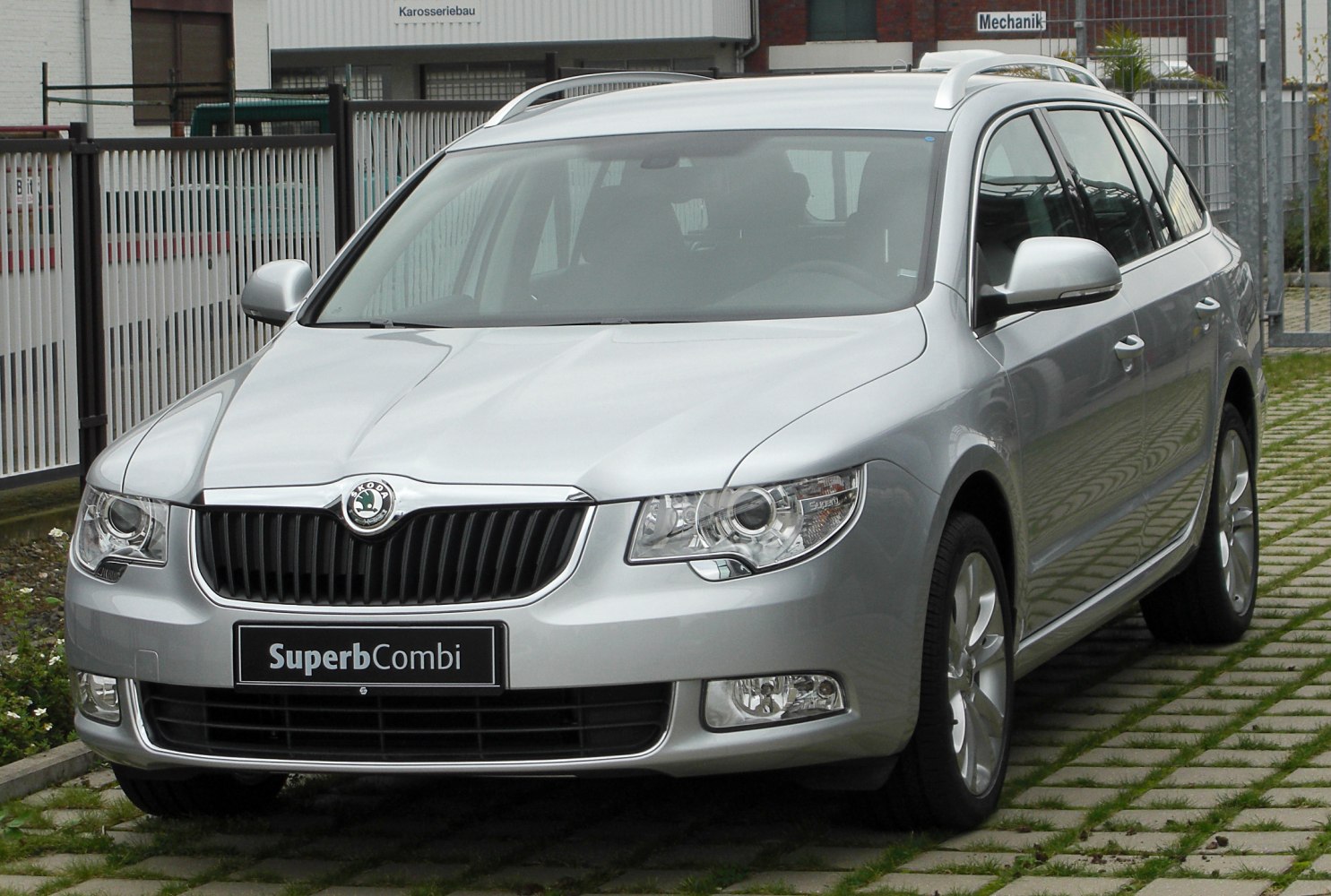

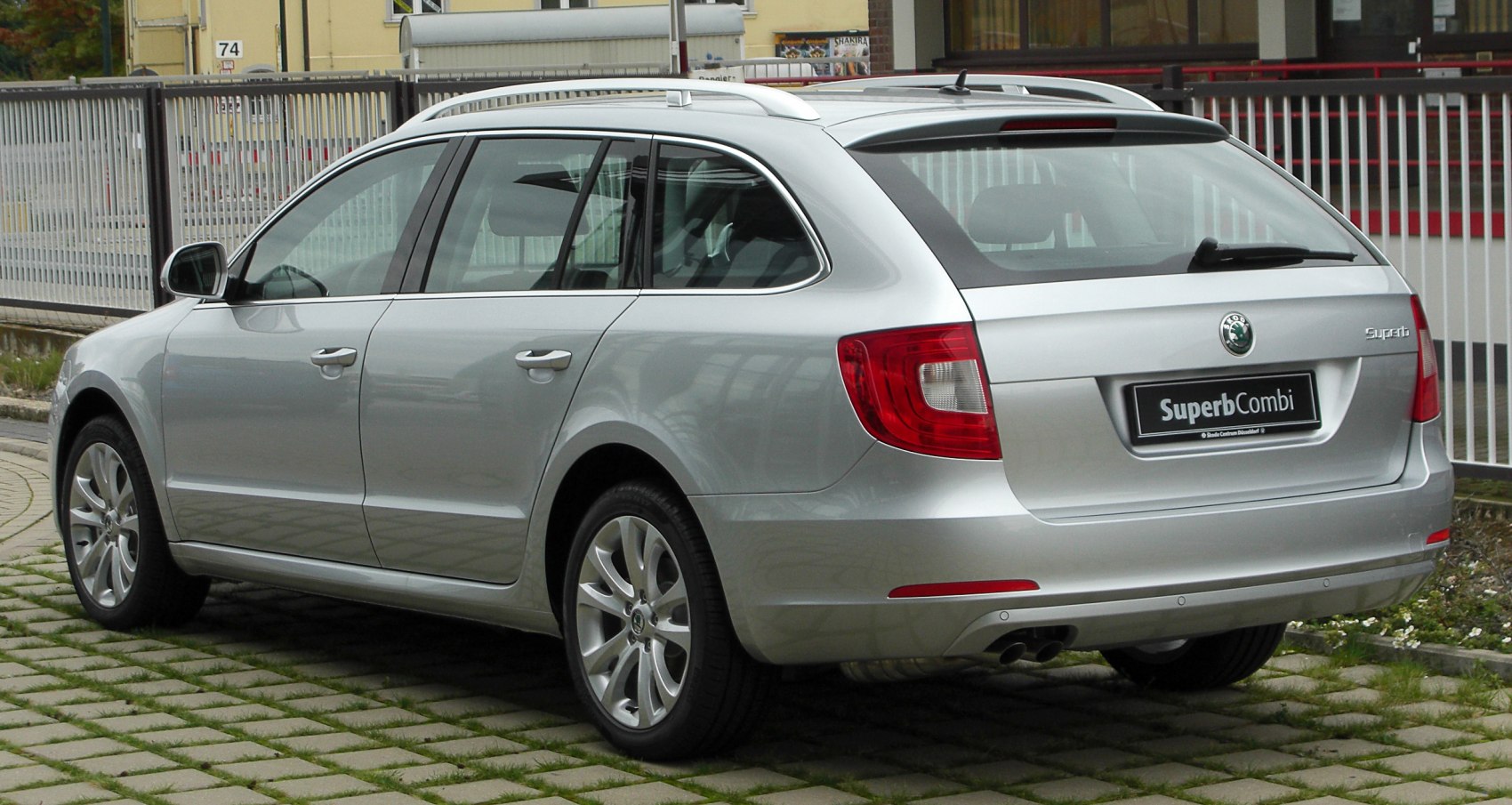
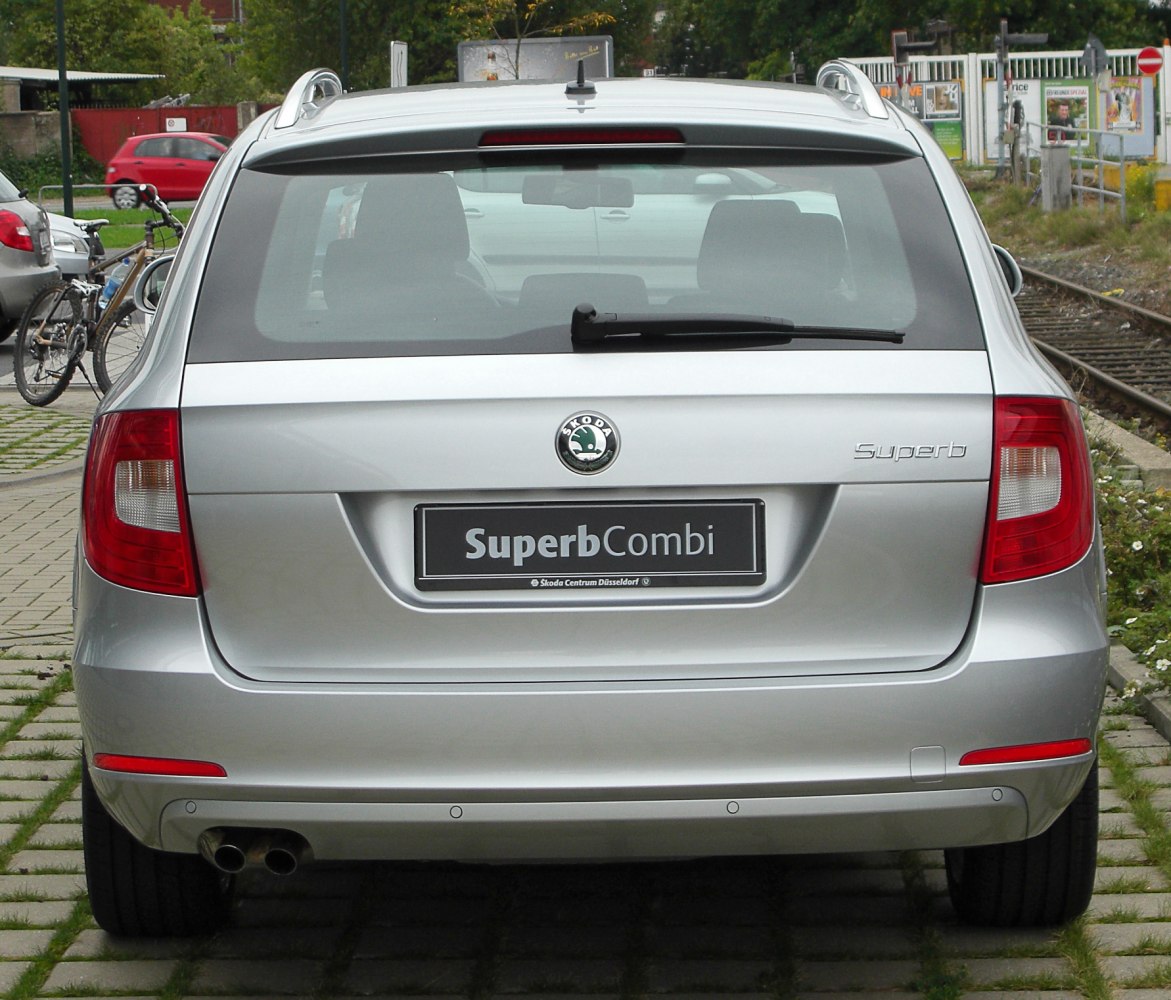
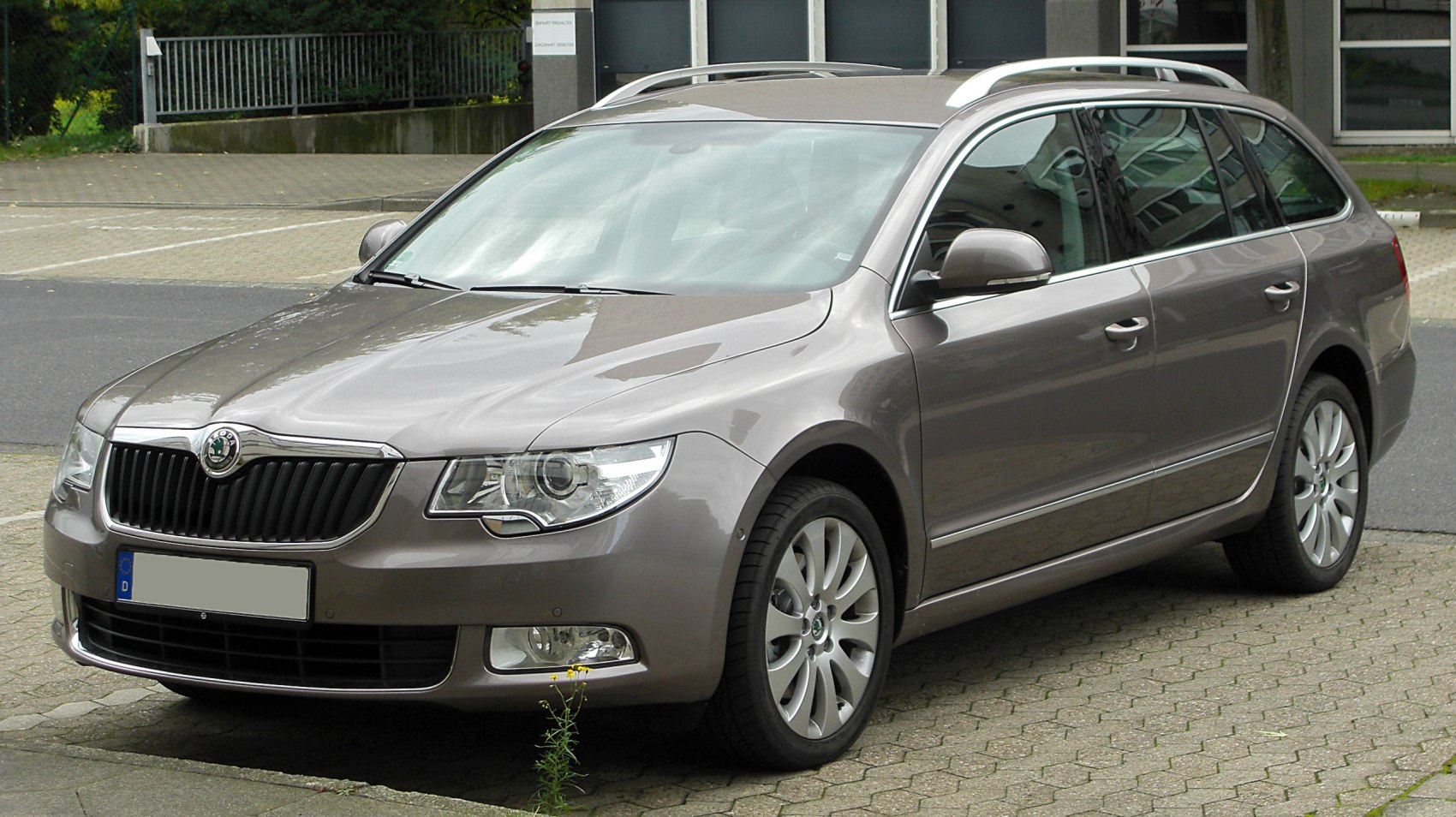

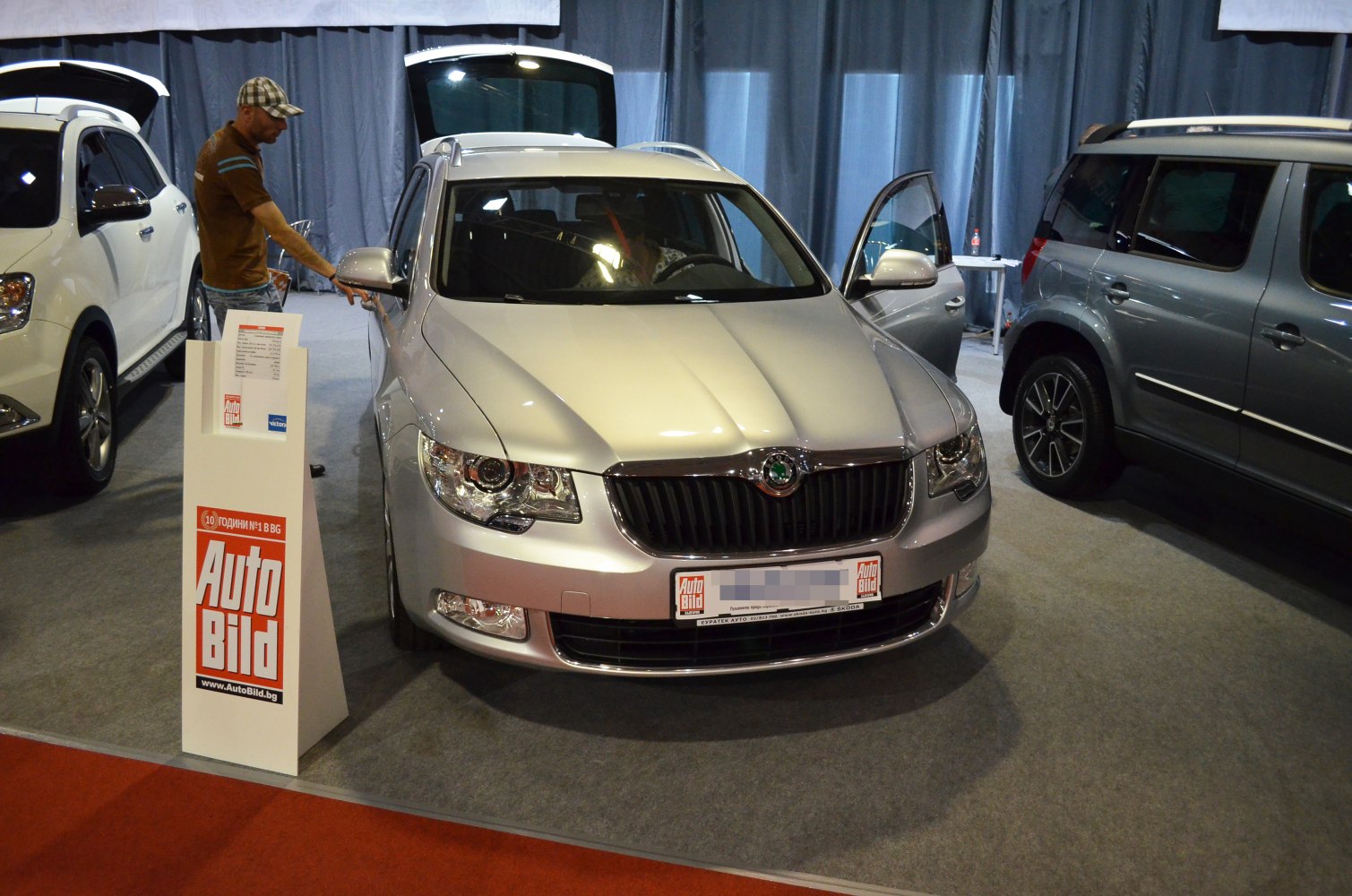
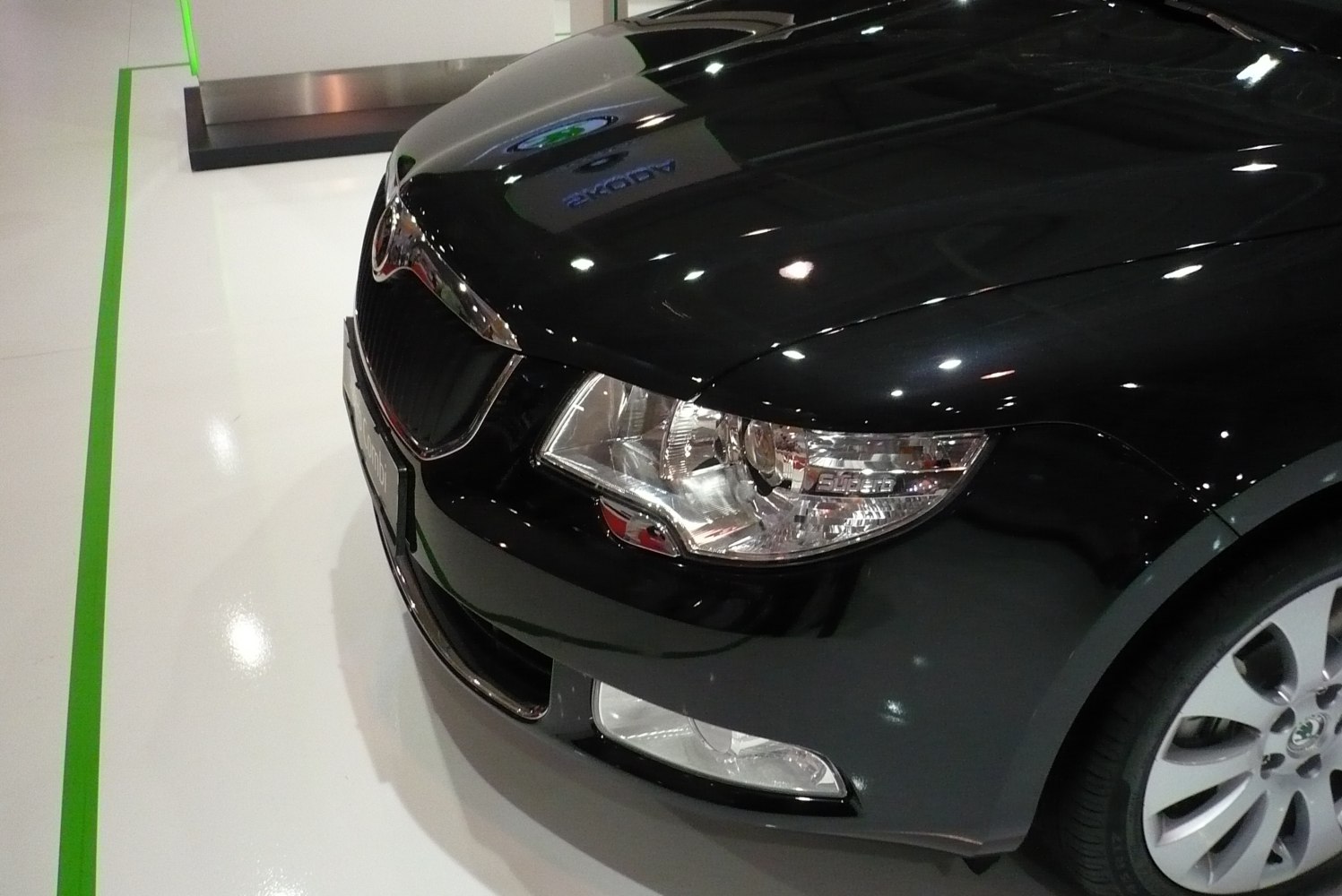
Skoda Superb II Combi: General characteristics
The Skoda Superb II Combi, produced between 2008 and 2013, is a versatile estate that combines elegance with practicality. The five-door design offers a spacious interior and a large trunk capacity, making it an ideal choice for families and individuals in need of extra space for daily activities. Its stylish and timeless design, combined with high functionality, makes the Superb II Combi appealing to drivers who value comfort and elegance at an affordable price.
Engine options and performance
The model offers a variety of powertrains, including both gasoline and diesel engines. Power ranges from 103 to 260 HP, allowing for customization according to individual preferences. Options such as the 1.6 TDI CR DPF (103 HP) provide low fuel consumption, while the 3.6 FSI (260 HP) with all-wheel drive (4x4) and DSG transmission ensures dynamic performance. Availability of both manual and automatic transmissions allows drivers to choose the style that best fits their driving habits while providing excellent efficiency and comfort.
Engine versions Skoda Superb II Combi
- 2.0 TDI (170 KM)
- 1.4 TSI (123 KM)
- 1.8 TSI (158 KM)
- 2.0 TSI (197 KM)
- 3.6 FSI (260 KM) 4x4 DSG
- 1.6 TDI CR DPF (103 KM)
- 2.0 TDI CR DPF (138 KM)
- 2.0 TDI CR DPF (166 KM)
Ride quality and comfort
The Skoda Superb II Combi offers stable driving due to its front-wheel drive or optional all-wheel drive (4x4), enhancing traction and confidence on various road conditions. The car performs excellently in urban settings thanks to its maneuverability and ease of handling, as well as on longer journeys, delivering a smooth and comfortable ride. Drivers can take advantage of numerous support systems, including modern technologies that facilitate daily driving.
Skoda Superb II Combi: Drawbacks and potential issues
Despite many advantages, the Superb II Combi has its weaknesses that are worth noting. There have been reports of issues with electronics, particularly with multimedia systems, which can lead to user frustration. Some diesel units may exhibit higher component wear, and maintenance costs, especially for the 4x4 versions, can be above average. Users should pay attention to the condition of the suspension, which may require more frequent maintenance with intensive use.
Conclusion
The Superb II Combi is an exceptional car that combines modern design with functionality and driving comfort, standing out in the market thanks to its spaciousness and versatility. Ideal for families and users requiring a large trunk, it offers a wide range of engines that will satisfy both fuel economy enthusiasts and those who appreciate dynamic performance. With these features, the Superb II Combi remains an attractive proposition in its segment.